


Antique City Landscape Painting
An antique city landscape painting captures urban streets, canals, and civic architecture from centuries past through the eyes of artists who recorded them.
Antique City Landscape Painting
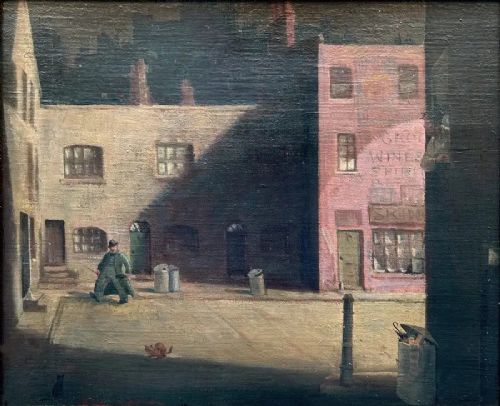
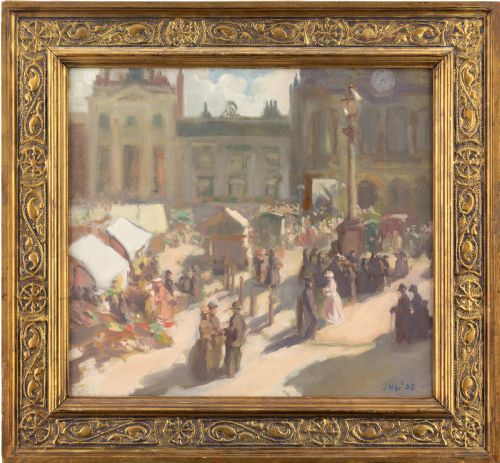
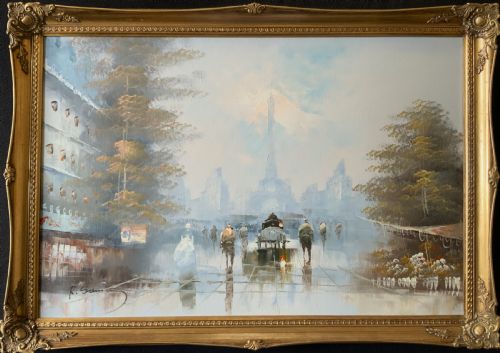
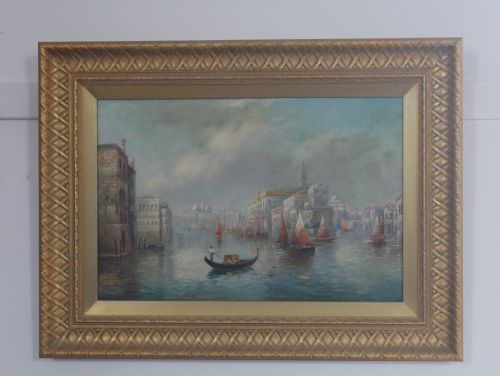
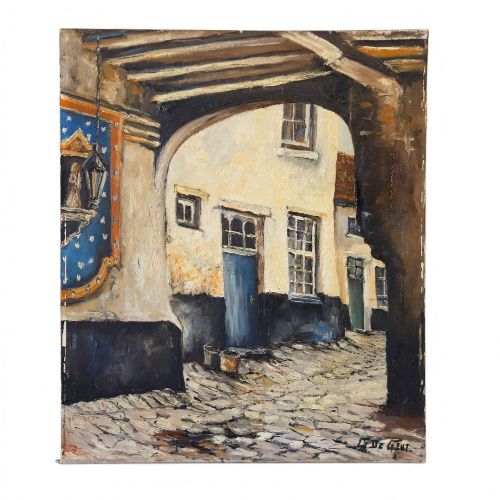
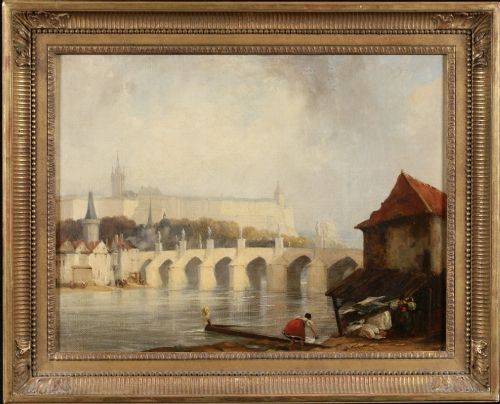
When you examine an antique city landscape painting, you encounter visual records of streets, canals, and civic architecture ranging from the eighteenth century through the mid twentieth century. These works depict specific urban locations across Britain and continental Europe, documenting historical buildings, riverfronts, and daily life before modern development.
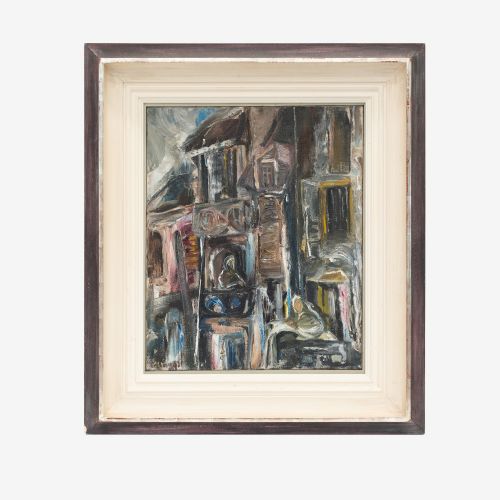
The most common examples on this page are nineteenth century watercolours and oil paintings on canvas or paper. Subjects frequently feature recognizable locations such as London, Venice, York, and Paris, executed in styles spanning Victorian academic traditions, British Impressionism, and early twentieth century expressionism.
Collectors choose these pieces for their topographical interest as much as their artistic merit. A cityscape preserves the physical layout of historical quarters, offering a window into past urban existence through the distinct brushwork or washes of period painters.
Materials and methods
Artists relied primarily on oil paint applied to canvas or wood panels, and watercolour pigments worked onto paper or card. Oil mediums allowed for layered depth and rich colour saturation, suited to atmospheric effects like twilight or moonlight, while watercolours provided transparency for swift, luminous architectural studies.
Support materials reflect the working methods of the period, with stretched canvases secured to wooden frames and heavy watercolour papers often mounted on card. Many works feature gilt framing that complements the palette of the composition and preserves the edges of the paper or canvas.
Several watercolours meticulously record medieval city bars and stone walls, capturing stubborn fortifications that stubbornly outlived the mediaeval knights who built them.
Distinctions in execution
Quality rests upon the artist's command of perspective, light, and architectural accuracy within the urban setting. Stronger works render complex street layouts, masonry, and water reflections with confident brushwork or precise washes, while weaker examples struggle with spatial depth and proportion.
The distinction also lies in the atmosphere and mood conveyed by the composition. Masterful paintings capture specific weather and light conditions, such as winter twilight or hazy river air, whereas lesser pieces produce a rigid, formulaic record of buildings without life or tonal subtlety.
Francisco Sancha·John Hodgson Lobley·William Manners·Charles James Lauder·Hein Hoppmann·Eduard Leon Cortes·Walter Meegan·Alfred Pollentine·Noel Harry Leaver·John Cawthorn·GH Thompson·Jane Vivian·Fred Lawson·Frances E Nesbitt·Tom Dudley·Matthew Hale·Walter Duncan·William Marlow·Edwin Ridsdale Tate·John Ward Knowles
The Antique City Landscape Painting Glossary
- Gilt
- A gold leaf or gold paint applied to framing or surfaces. It provides a decorative border that isolates the painting from its surroundings.
- Wash
- A thin, transparent layer of diluted watercolour paint applied across paper. It creates smooth skies, water surfaces, or atmospheric haze.
- Support
- The physical material upon which a painting is created, such as canvas, wood, paper, or card. It forms the structural foundation for the pigments.
Antique City Landscape Painting: Frequently Asked Questions
What subjects appear in these cityscapes?
The compositions record recognisable urban views, including London street scenes, Venetian canals, Parisian riverbanks, and historic English city walls and cathedrals. Artists focused on prominent architectural landmarks, marketplaces, and everyday civic life.
These scenes serve as historical documents of townscapes that have altered significantly or vanished entirely over the centuries.
Where were these watercolours and oils displayed?
Original watercolours and oil paintings were typically framed and hung in domestic interiors, professional offices, or exhibited in regional art societies and galleries. They formed part of the decor for town houses and country residences during the nineteenth and early twentieth centuries.
Today, they suit similar residential spaces, adding historical depth and architectural interest to a room when paired with appropriate lighting.
How should I care for a paper watercolour?
Watercolours on paper require protection from direct sunlight to prevent fading of the pigments and yellowing of the paper support. Framing behind conservation grade glass shields the fragile medium from atmospheric pollutants and humidity.
Keep the works in stable environmental conditions away from damp walls and extreme temperature fluctuations to preserve the integrity of the paper.