

Antique Church Light
An antique church light brings solemn ecclesiastical atmosphere into a room, offering brass fittings, carved wood and heavy prickets for domestic placement.
Antique Church Light
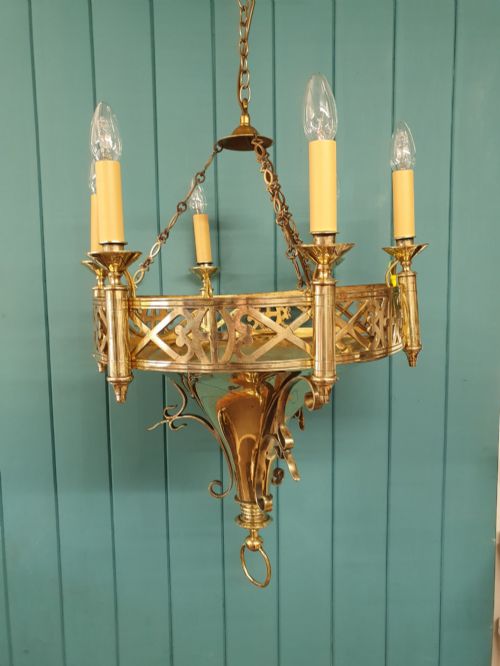
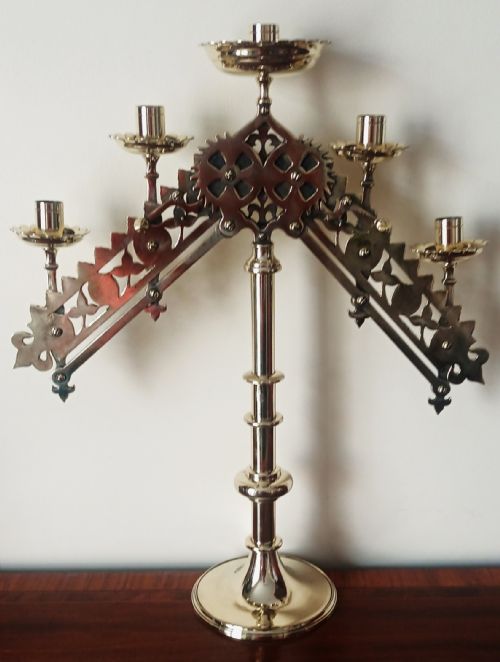
When you search for an antique church light, you encounter items designed for sacred spaces and altars, spanning candlesticks, candelabra, chandeliers, floor standing candle holders and table lamps. These pieces originate from various European centres, reflecting centuries of devotion through practical illumination.
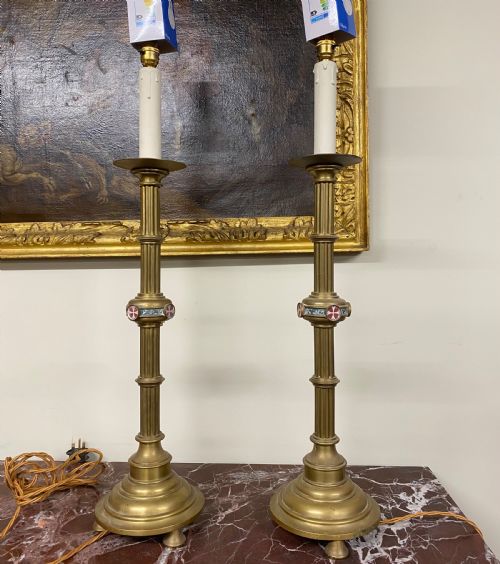
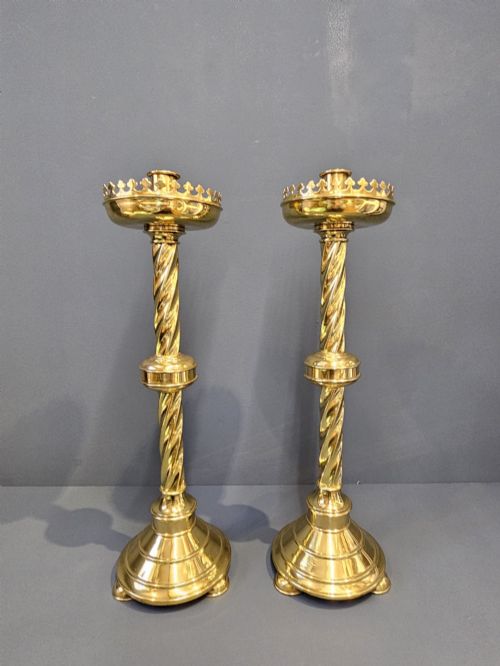
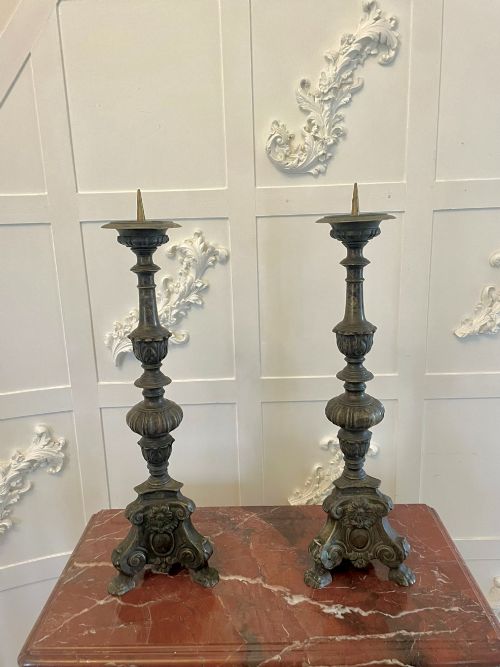
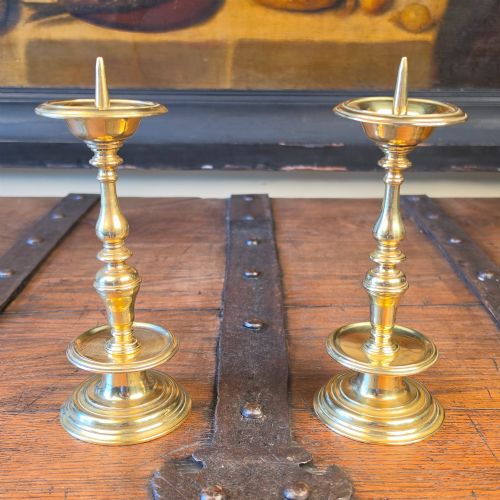
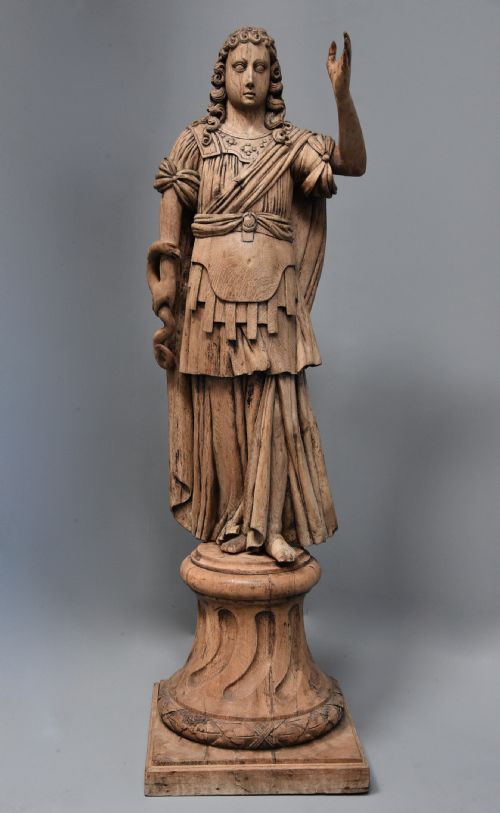
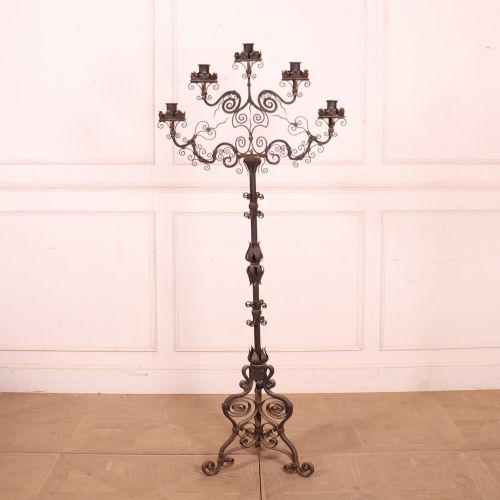
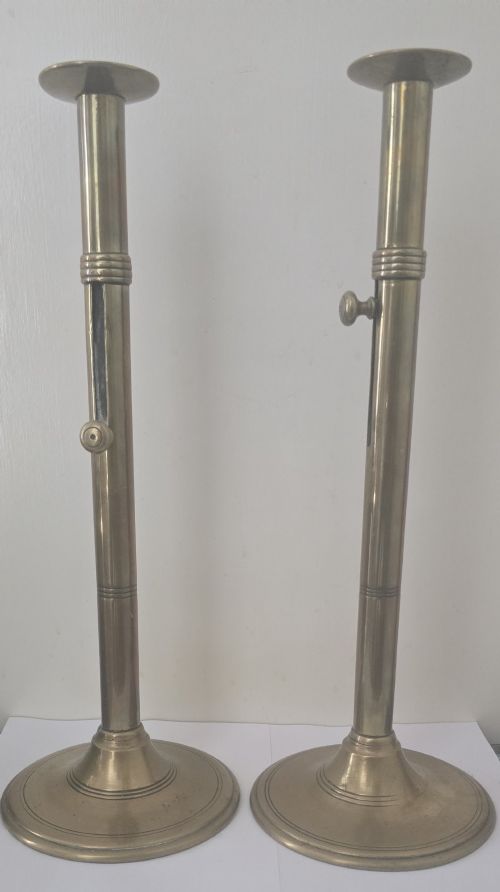
The most common examples on this page are tall brass candlesticks and pricket sticks dating from the nineteenth century and the Victorian era, alongside carved wooden figures and torchères. Makers and creators adapted ecclesiastical brassware and altar furnishings for domestic lighting use.
Materials and construction methods
Brass and wrought iron provide the structural foundation for many ecclesiastical pieces, shaped through casting, turning and forging. Heavy gauge metal ensures stability for tall shafts and multiple branches.
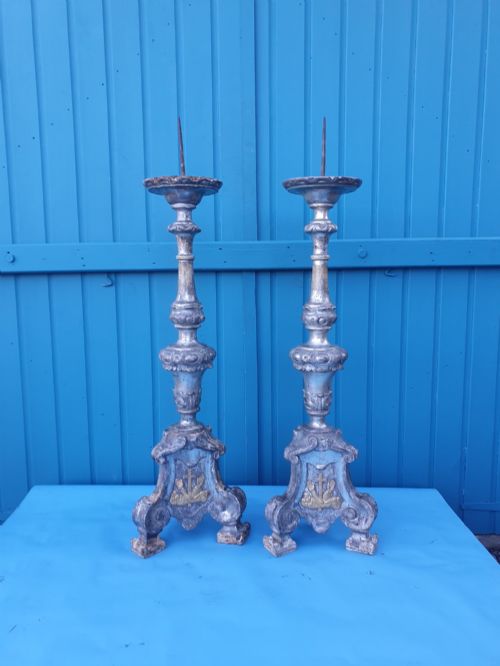
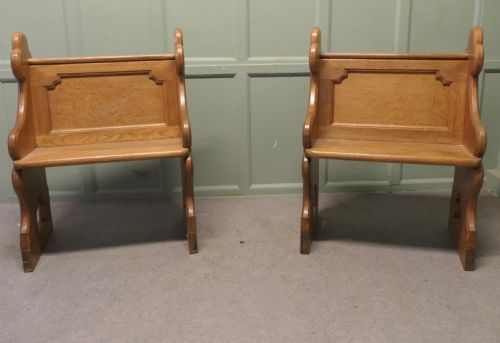
Carved wood, giltwood and pinewood form the body of altar sticks and torchères, often finished with gilding, silvering or ebonising to resemble richer materials. Joinery and turned sections support the vertical weight required for large candles and prickets.
Antique Church Light Retail Price Guide 2026
Typical asking prices for church light among the pieces listed under this phrase on Sellingantiques today, from the lower quarter to the upper quarter. They describe what is for sale here now, not the wider market.
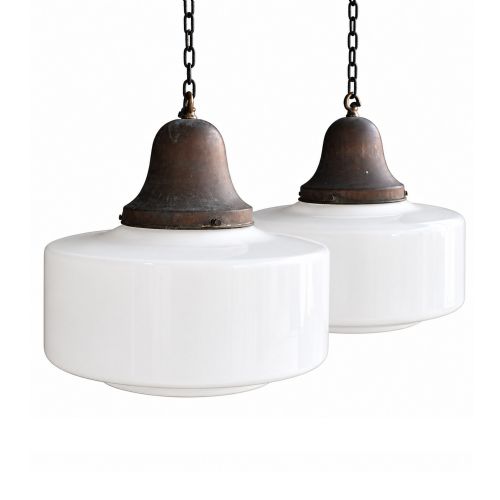
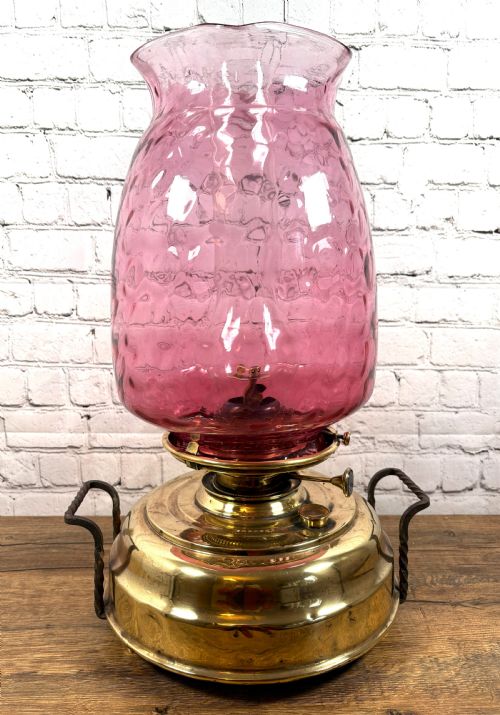
Listings feature materials spanning brass, wrought iron, carved oak, giltwood, bronze and glass across centuries of ecclesiastical design.
Judging the quality of ecclesiastical lighting
Quality rests in the weight of the metal and the crispness of the cast or carved detail, distinguishing heavy, solid construction from lighter commercial production. Proportion and balance dictate how well a tall shaft holds its branches or pricket spike.
Surface finish separates ordinary items from exceptional ones, whether through retained original gilding, deep patination on brass, or masterly hand-carving on wooden altar pieces.
The Antique Church Light Glossary
- Pricket
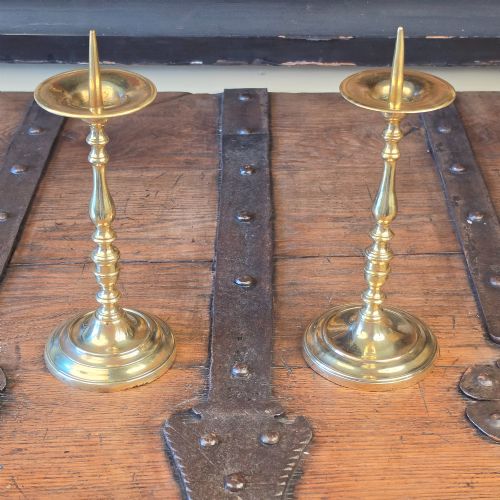
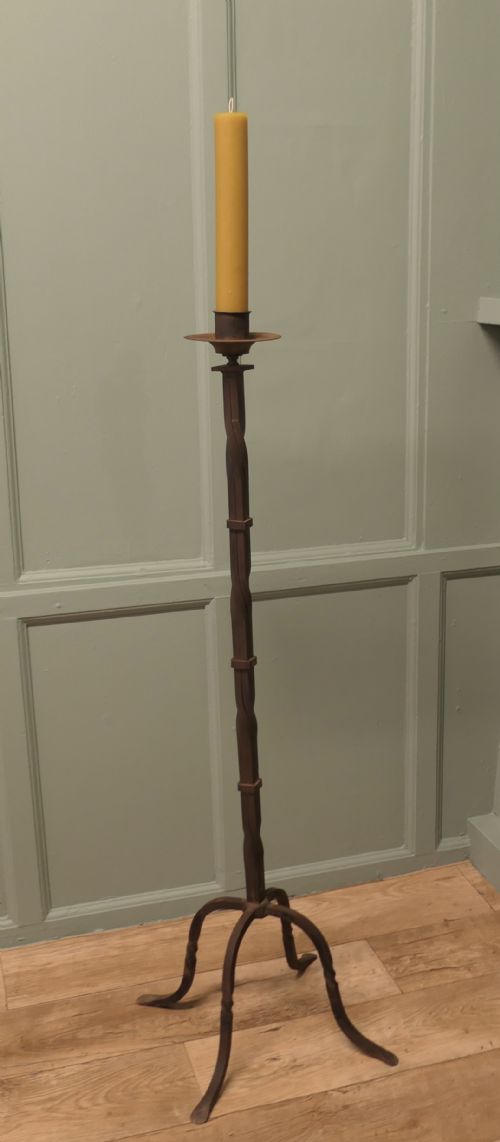
- A sharp metal spike upon which a candle is impaled. This spike secures large wax candles firmly on altar sticks.
- Torchère
- A tall ornamental stand or candlestick designed to hold a light. These pieces often feature carved wood and elevated stature.
- Giltwood
- Wood that has been covered with a thin layer of gold leaf or gesso. This technique gives wooden altar pieces a rich metallic sheen.
- Candelabra
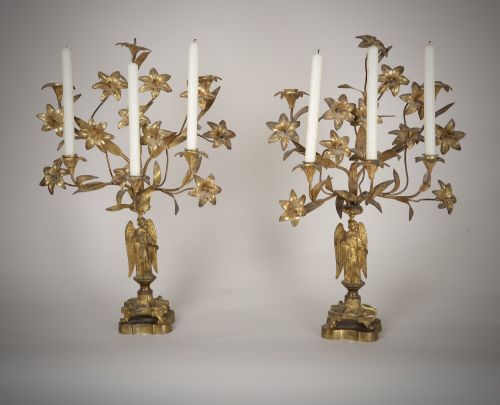
- A branched candlestick holding multiple lights. They provide wider illumination than single sticks.
- Amsterdam School
- An architectural and design style prominent in the early twentieth century. It produced expressive metalwork with distinctive organic forms.
Antique Church Light: Frequently Asked Questions
How do I use a pricket candlestick?
A pricket candlestick uses a sharp metal spike inserted into the base of a specially prepared candle to hold it upright. This method requires candles with a recessed base or socket to fit over the spike safely.
For domestic settings, modern candles can be adapted or placed carefully upon the point, though many buyers choose to display these pieces purely as decorative sculptures.
Were these lights converted from electricity?
Many examples retain their original configuration for wax candles, while others have been adapted as table lamps or fitted with wiring over time. The listings include both unmodified candle holders and those converted for electrical use.
Check the descriptions carefully to see if the piece retains its pricket or has received lamp fittings for modern bulbs.
How do I date a brass church candlestick?
Dating relies upon manufacturing marks, assembly methods, base construction and stylistic indicators such as Gothic Revival motifs or Amsterdam School shaping. Victorian and nineteenth century pieces often show heavier casting and distinct turning patterns.
Georgian and eighteenth century examples display different proportions and hand-finished components that separate them from later Victorian or Edwardian production.
How do I clean antique brass and iron?
Cleaning antique metal requires a gentle touch to preserve the natural patination built up over centuries. Avoid harsh chemical cleaners that strip away the aged surface character.
A soft dry cloth or minimal warm soapy water removes dust, leaving the historic finish intact for display.