

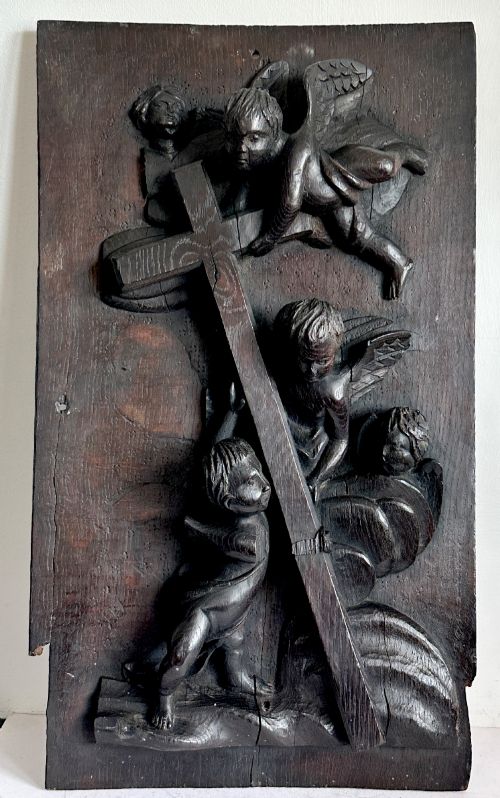


Antique Church Fragments
Antique church fragments are remnants of sacred buildings that bring historic craftsmanship and ecclesiastical depth into domestic interiors.
Antique Church Fragments
Antique church fragments comprise architectural salvage, wall reliefs, sculptures, and wood carvings salvaged from historic ecclesiastical buildings. These pieces span the sixteenth century through to the nineteenth century, reflecting centuries of shifting architectural styles from medieval Gothic to later revivals.
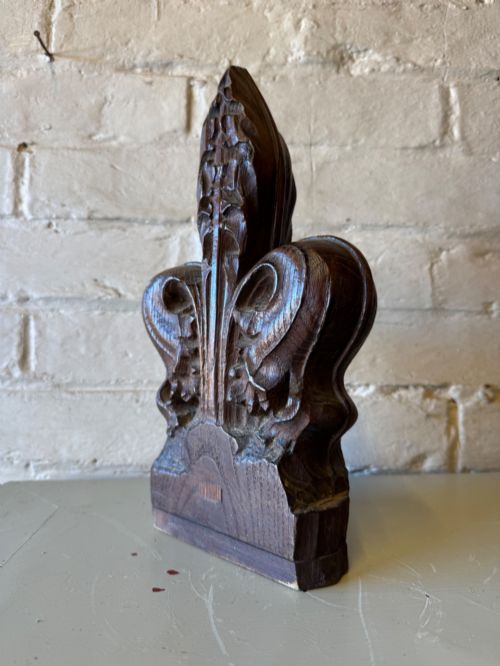
Buyers frequently encounter carved oak architectural elements and poppy head finials originating from early periods. Stone carvings in sandstone and limestone, alongside polychrome wooden figures and cherub heads, also appear across the selection.
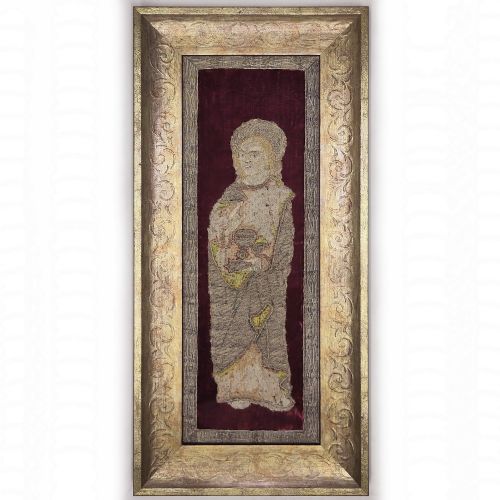
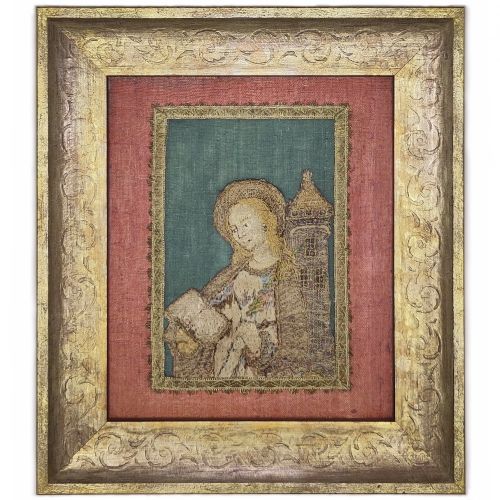
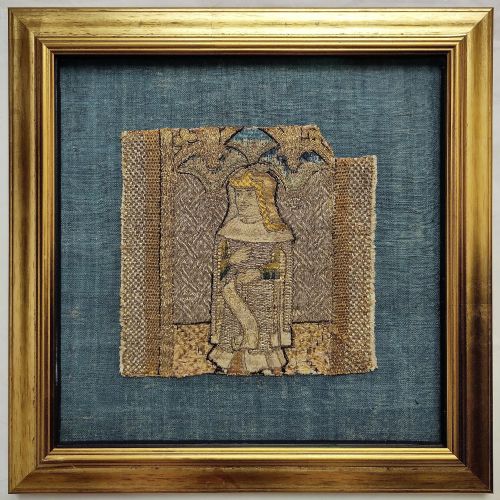
The objects range from modest panels to significant wall sculptures and framed textiles, each carrying traces of its original liturgical context. Such fragments offer tangible links to historical church architecture and devotional art.
Materials and construction
Makers shaped these fragments predominantly from hardwoods such as oak and walnut, alongside resilient stones like limestone and sandstone. Wood carvers utilised traditional hand chisels and gouges to render intricate details on poppy heads, panels, and figurative sculptures.
Stone masons worked local sandstone and limestone for architectural elements and wall reliefs, employing mallet and chisel techniques suited to durable masonry. Surface treatments include historic polychrome paint and gold gilt applications that enhanced the visual presence of figures like cherubs and Christ carvings.
Antique Church Fragments Retail Price Guide 2026
Typical asking prices for church fragments among the pieces listed under this phrase on Sellingantiques today, from the lower quarter to the upper quarter. They describe what is for sale here now, not the wider market.
Current listings feature pieces spanning the sixteenth through nineteenth centuries, constructed in oak, walnut, sandstone, and limestone.
Assessing quality and execution
The distinction between ordinary and exceptional fragments lies in the depth and confidence of the carver's hand. Finer pieces demonstrate precise anatomy and fluid drapery in wood or stone, whereas lesser examples show stiffer, more perfunctory execution.
Degree of preservation and original surface integrity also dictate quality. Fragments retaining untouched early polychrome decoration or original gilding command greater appreciation than those stripped or heavily restored over subsequent centuries.
The Antique Church Fragments Glossary
- Poppy head
- An ornamental finial capping the end of a pew seat, typically carved with foliage or grotesque motifs in Gothic woodwork.
- Polychrome
- Decoration employing multiple colours on the surface of wood, stone, or plaster sculpture.
- Architectural salvage
- Building components rescued from demolition or alteration for reuse in interior decoration or conservation.
- Wall relief
- Sculpture in which figures project slightly from a flat background, often integrated into stonework or wood panelling.
Antique Church Fragments: Frequently Asked Questions
What are antique church fragments?
These pieces are rescued elements from historical religious buildings, including wooden carvings, stone reliefs, and architectural salvage.
They represent centuries of ecclesiastical craftsmanship, ranging from medieval Gothic details to later revival styles.
How were church fragments used originally?
They served structural and devotional purposes within churches, adorning pews, screens, walls, and altars.
Craftsmen integrated them into sacred architecture to inspire worship and delineate holy spaces.
How do I live with church fragments?
Display wood carvings and stone reliefs on walls or mantels where their texture and historical depth become focal points.
Pair them with neutral backgrounds to highlight the aged patination and material grain.
How can I tell the period of a fragment?
Examine the tool marks, material choice, and stylistic cues such as Gothic tracery or Baroque curves.
Comparing the carving depth and wear patterns against dated comparative examples helps clarify the era of creation.