



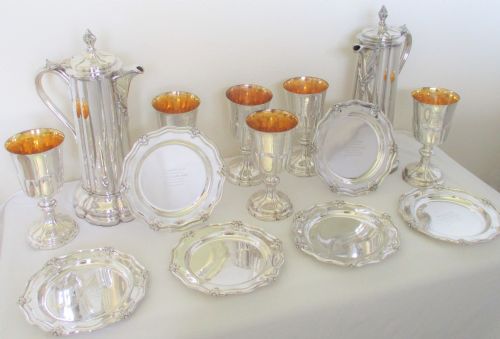
Antique Church Chalice
An antique church chalice holds centuries of ritual devotion, crafted from gleaming silver plate and rich metals for sacred communion.
Antique Church Chalice
When you search for an antique church chalice, you are looking at sacred vessels designed for liturgical service and communion. The pieces listed on this page span several centuries, with the majority originating in the nineteenth century during the Gothic Revival period.
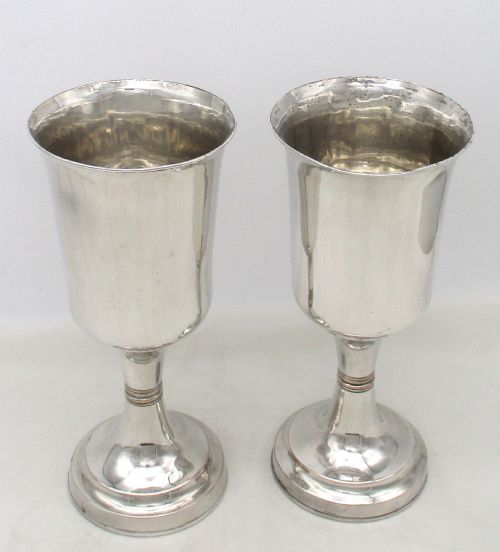
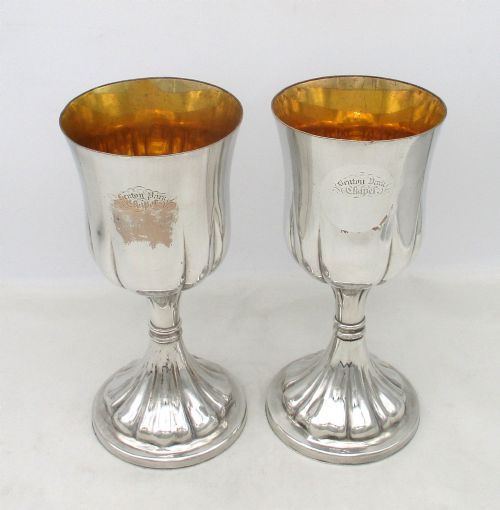
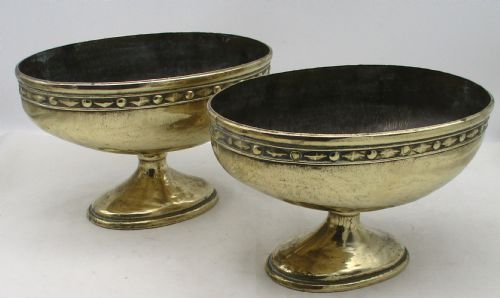
Most examples appear as tall pedestalled cups or goblets intended for sacramental wine, alongside boxed travelling communion sets and related ecclesiastical metalware. Forms range from simple brass vessels to heavily chased silver plated designs.
Origins stretch from English workshops to continental Europe, encompassing Victorian interpretations alongside earlier sixteenth century Franco-Spanish ciboria and seventeenth century Italian tabernacles.
Materials and construction
Makers utilised durable metals like copper and brass as foundations, frequently applying gold gilding or silver plating to the surfaces. Old Sheffield plate appears regularly, bonding a thin layer of silver to a copper base through heat and pressure.
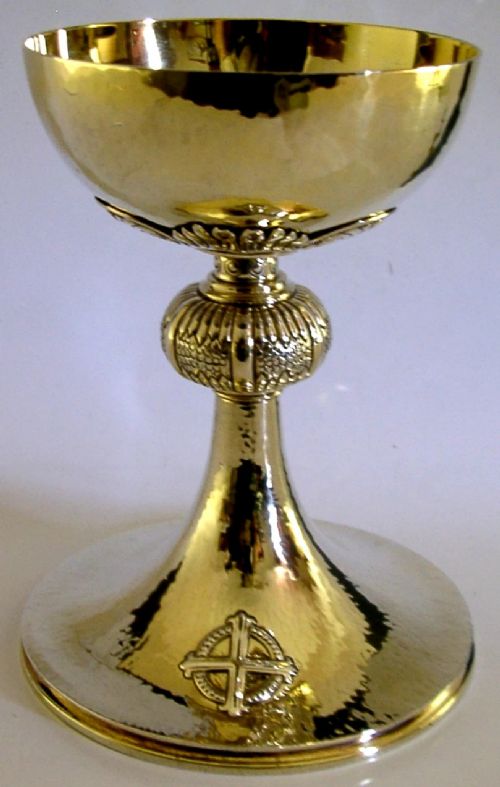
Sterling silver provides higher status examples, shaped through hammering, casting, and intricate engraving. Interior bowl gilding, often termed vermeil, protected the base metal from acidic sacramental wine.
Antique Church Chalice Retail Price Guide 2026
Typical asking prices for church chalice among the pieces listed under this phrase on Sellingantiques today, from the lower quarter to the upper quarter. They describe what is for sale here now, not the wider market.
Some nineteenth century sets packed neatly into tiny velvet-lined boxes so clergymen could carry communion across muddy fields.
Judging quality and craftsmanship
Quality rests in the crispness of the chased decoration, the weight of the metal, and the integrity of the plating. Superior examples display deeply incised theological motifs and well-balanced proportions on their pedestal bases.
Wear patterns reveal the method of manufacture, where heavy silver plating or solid sterling silver maintains its lustre far better than thin electroplate. Complete sets retaining original fitted boxes indicate higher original status.
Elkington Mason
The Antique Church Chalice Glossary
- Ciborium
- A covered vessel similar to a chalice, used to hold the consecrated eucharistic bread. The lid often terminates in a cross or finial.
- Old Sheffield Plate
- An early fused plating technique where a sheet of silver is fused to a copper ingot. This method predates modern electroplating and leaves a characteristic copper seam visible on edges.
- Gilding
- The application of a thin layer of gold leaf or gold powder to the surface of copper, silver, or brass. Interior gilding prevents the wine from reacting with base metals.
- Knop
- The decorative swelling or node midway down the stem of a chalice. It provides a secure grip for the officiant's fingers during the service.
Antique Church Chalice: Frequently Asked Questions
What is an antique church chalice made of?
These vessels appear in a variety of metallic compositions, most commonly silver plate, Old Sheffield plate, solid sterling silver, brass, and copper. Many feature interior gold gilding to protect the metal.
Craftsmen often combined these materials with glass elements or intricate chasing to create durable items fit for regular liturgical use.
How do I date an antique church chalice?
Dating relies upon stylistic markers such as Victorian Gothic Revival motifs, alongside manufacturing techniques like Old Sheffield plate or mid-nineteenth century hallmarks. Comparing the shape of the pedestal foot and knop helps place the piece within a specific century.
Inscriptions and fitted wooden travel boxes often provide additional clues regarding the exact decade of manufacture.
Were these chalices used for regular services?
Most pieces served active roles in church communion services, parish chapels, or private devotional settings. Travelling sets allowed clergy to administer sacraments away from consecrated buildings.
Their substantial weight and secure pedestal bases ensured stability during the distribution of wine.
How should I display a chalice at home?
Displaying these vessels requires a stable, flat surface away from direct sunlight and excessive moisture to protect the metallic finishes. Placing them inside glass cabinets keeps dust away from delicate engraving.
Avoid using harsh chemical polishes, as gentle dusting preserves the historic patina accumulated over centuries.