




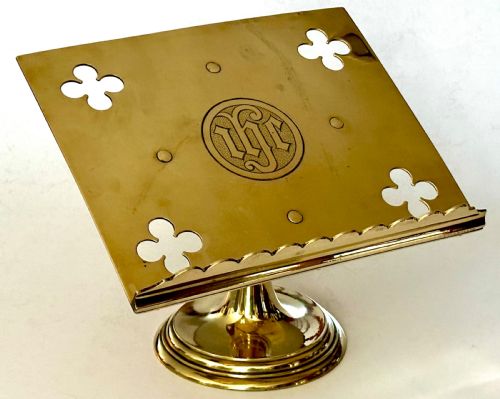
Antique Church Book
An antique church book brings centuries of solemn tradition and quiet devotion directly into your study or chapel.
Antique Church Book
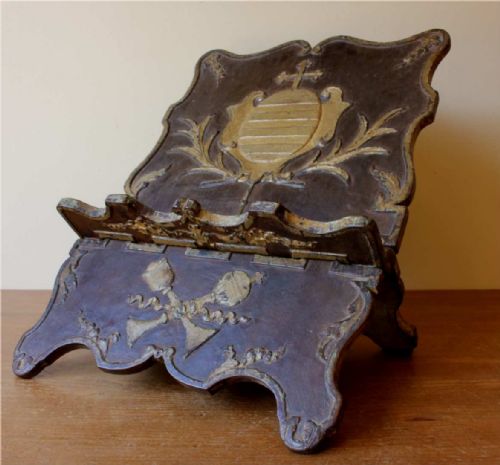
When you search for an antique church book, you encounter devotional volumes, prayer and hymn duos, and missals housed in protective cases or supported by dedicated reading stands. These items bridge domestic piety and ecclesiastical heritage, often surviving in the form of leather-bound prayer books or portable folding Bible rests.
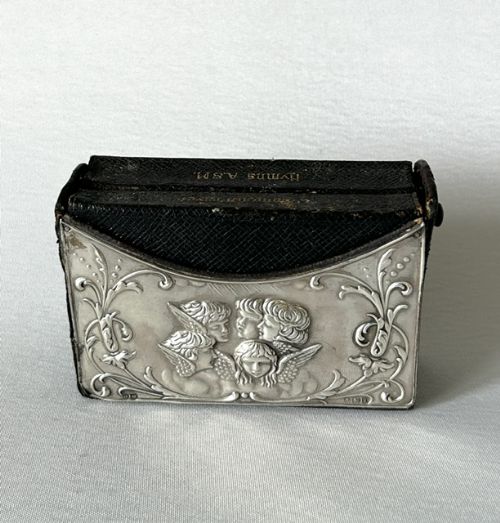
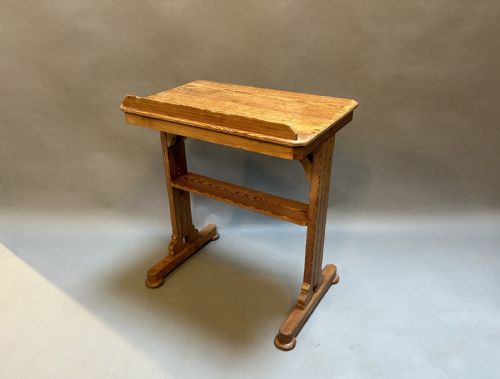
The pieces represented on this page span several centuries, including Victorian editions and early twentieth-century examples. You are most likely to meet small silver-cased prayer books alongside larger wooden lecterns and missal stands designed to hold these sacred texts.
The form of an antique church book directly reflects its original liturgical function, whether intended for personal daily devotions or formal service upon a chancel reading desk. Their survival offers a tangible link to historical worship practices and private spiritual life.
Evaluating quality and craftsmanship
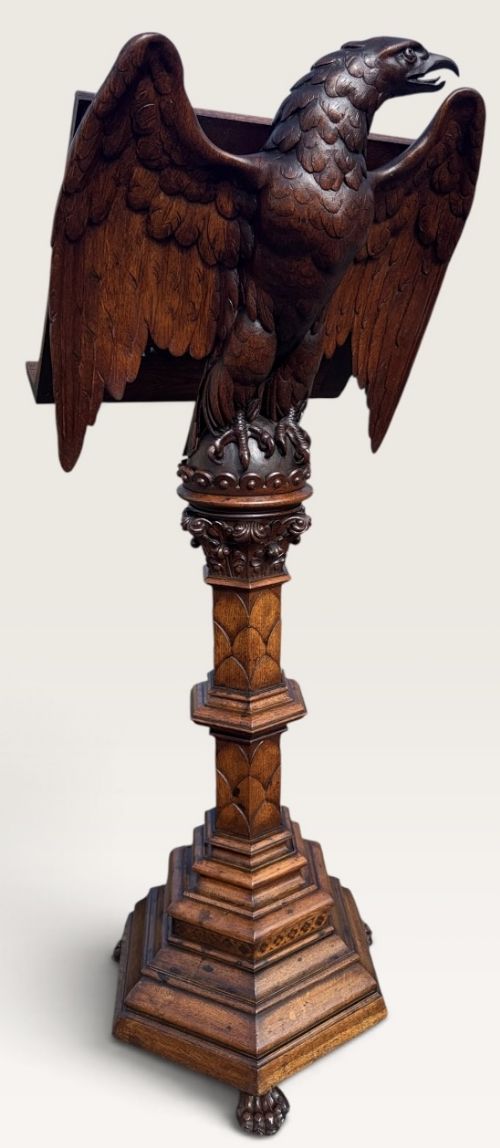
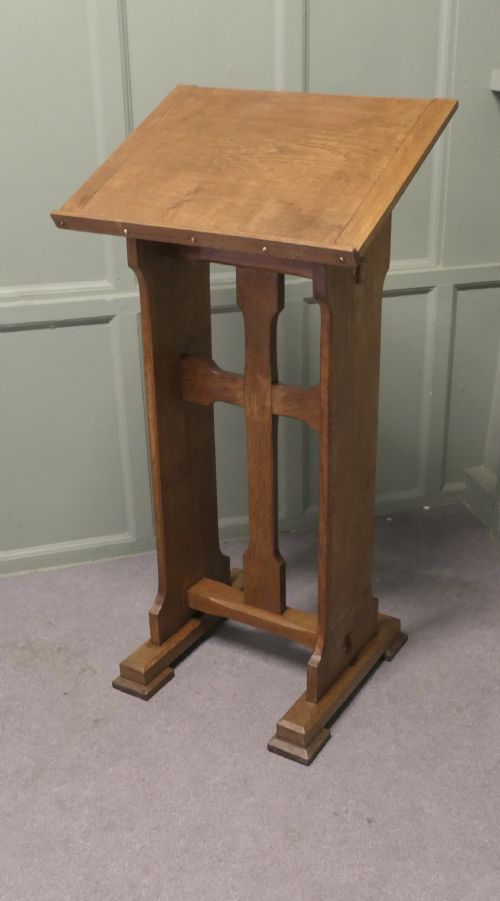
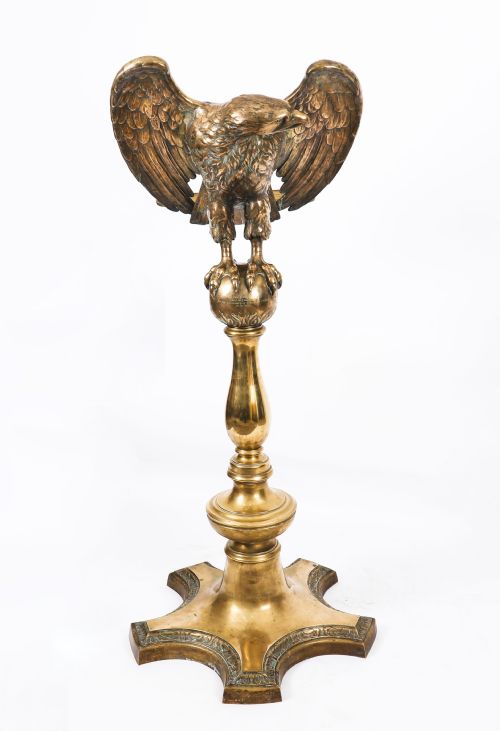
Quality in these objects rests upon the depth of the carving, the integrity of the structural joints, and the preservation of original bindings. Heavy oak lecterns show superior craftsmanship through detailed figures such as carved eagles with outstretched wings.
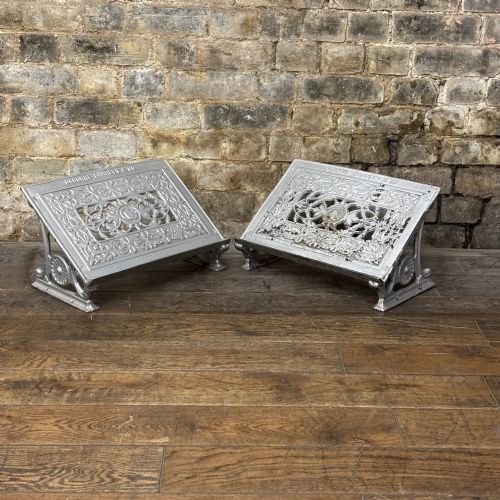
Metal components vary from standard cast iron to finely detailed brass and sterling silver work. The preservation of original leather and paper pages dictates the historical value of the devotional volumes themselves.
Antique Church Book Retail Price Guide 2026
Typical asking prices for church book among the pieces listed under this phrase on Sellingantiques today, from the lower quarter to the upper quarter. They describe what is for sale here now, not the wider market.
Materials recorded across the inventory include sterling silver, leather, cast iron, brass, oak, and pine.
Osborne Garrett Co
The Antique Church Book Glossary
- Missal
- A liturgical book containing all the instructions and texts necessary for the celebration of the Mass throughout the year. These volumes often required dedicated folding stands to support their heavy weight during services.
- Lectern
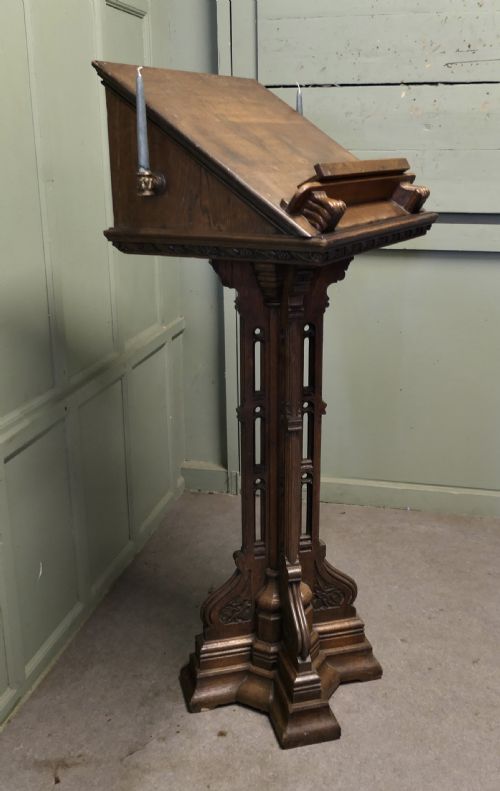
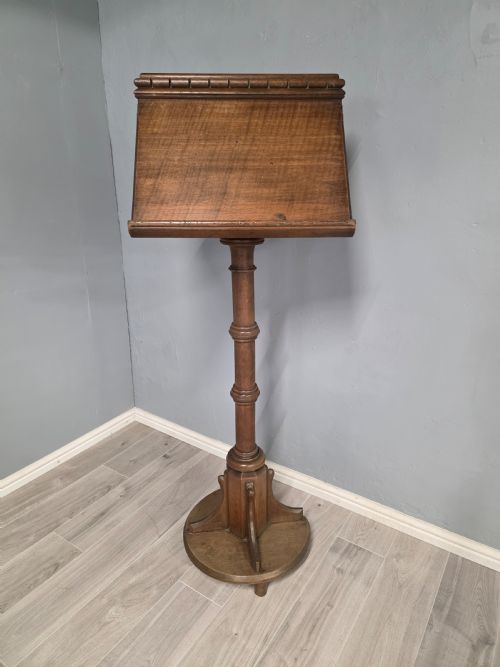
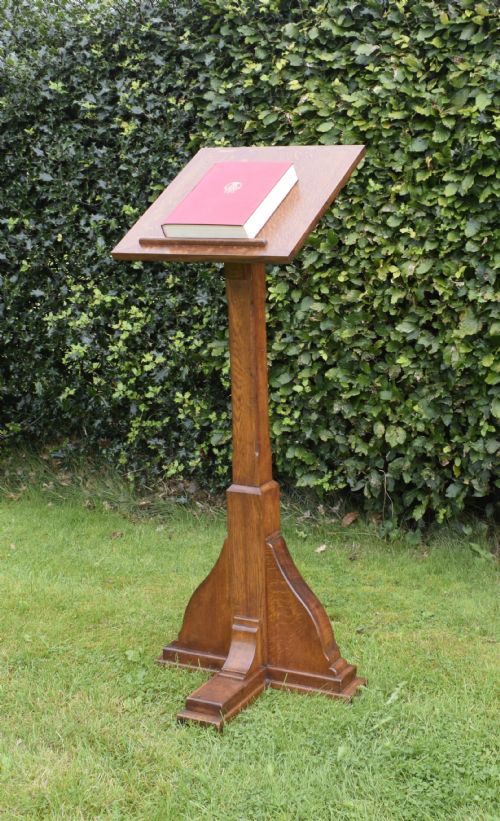
- A tall stand with a sloping top to hold a book for a reader standing up. They are frequently carved from oak or cast in brass, sometimes taking the form of an eagle.
- Gothic Revival
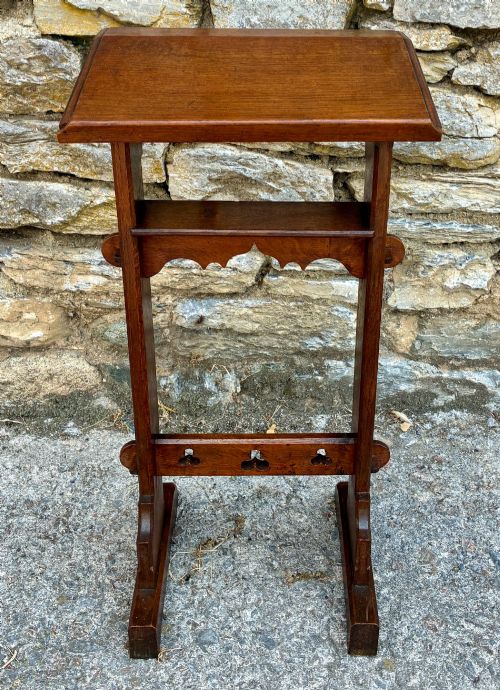
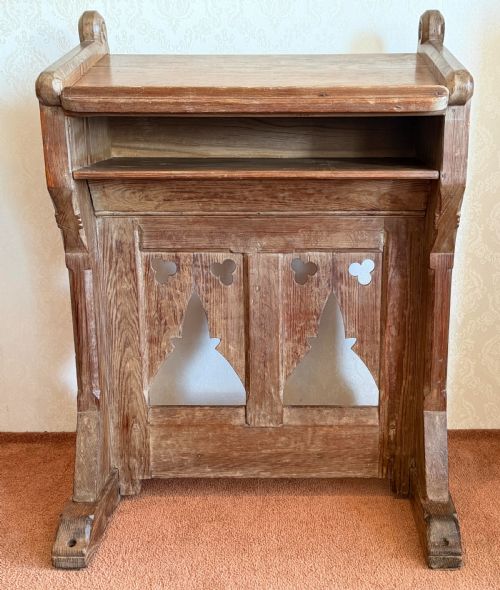
- An architectural and decorative style drawing inspiration from medieval forms. You see this in the pointed arches and heavy tracery carved into wooden book rests and lectern stands.
- Ecclesiastical
- Relating to the Christian Church or its clergy. This term describes items specifically created for use within religious buildings rather than domestic settings.
Antique Church Book: Frequently Asked Questions
What is an antique church book?
An antique church book is a historical volume used in Christian worship, such as a prayer book, hymn book, or missal. These books often survive alongside the wooden and brass stands created to support them.
Many date from the nineteenth and early twentieth centuries, reflecting the liturgical practices of the Victorian era and the Gothic Revival movement.
How were church book stands used?
Church book stands and lecterns held heavy service books at a comfortable height and angle for the reader. They stood in chancels, on altars, or served as portable folding rests for travelling clergy.
Larger versions featured fixed desks or carved figures, while smaller folding stands accommodated missals in various settings.
What materials are common in these pieces?
Common materials include solid oak, pine, brass, cast iron, and leather. Book bindings frequently utilise paper and leather, sometimes encased in hallmarked sterling silver.
Wood is often carved deeply with ecclesiastical motifs, while metals provide durable support for heavy folios.
How do I identify a Victorian piece?
Victorian pieces often display characteristic Gothic Revival styling, including pointed arch motifs and heavy oak construction. Cast iron components also became common during this period due to industrial manufacturing advancements.
Examining the style of the carving and the type of metalwork helps distinguish nineteenth-century examples from later twentieth-century items.