





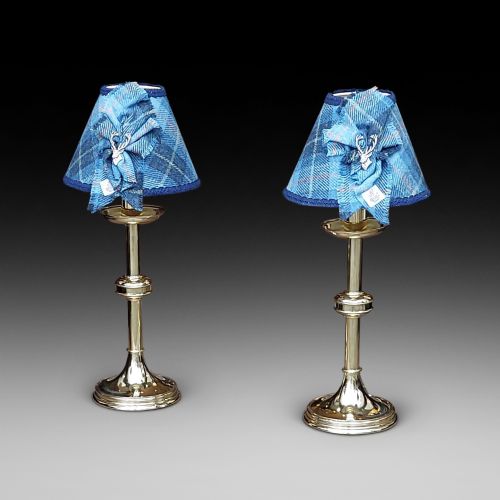
Antique Church Altar Table
These antique church altar table pieces bring solemn ecclesiastical architecture and rich timber work directly into domestic interiors.
Antique Church Altar Table
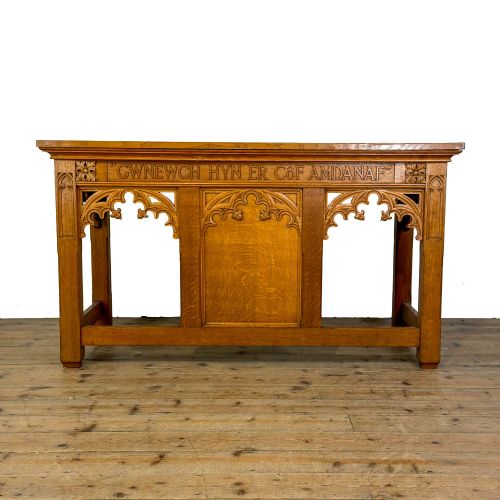
An antique church altar table brings heavy devotional craftsmanship and robust architectural presence into a domestic setting. These pieces originate from chapels and churches, taking the form of solid altar tables, side tables, and serving tables.
The selections encountered here span multiple centuries, ranging from eighteenth-century Spanish examples to nineteenth-century Gothic Revival and Victorian interpretations. Oak and pitch pine dominate the timber construction of these ecclesiastical furnishings.
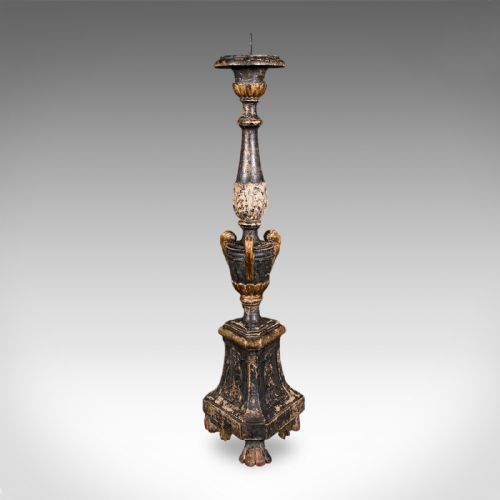
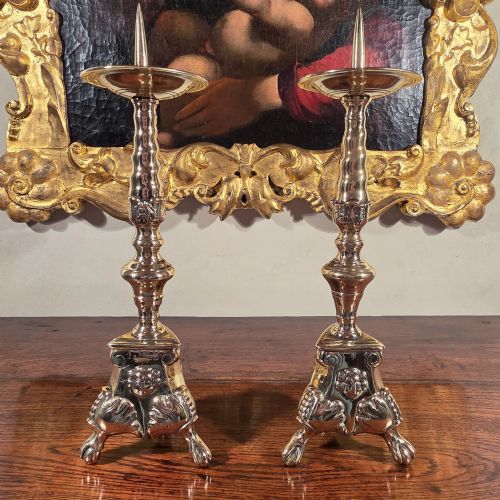
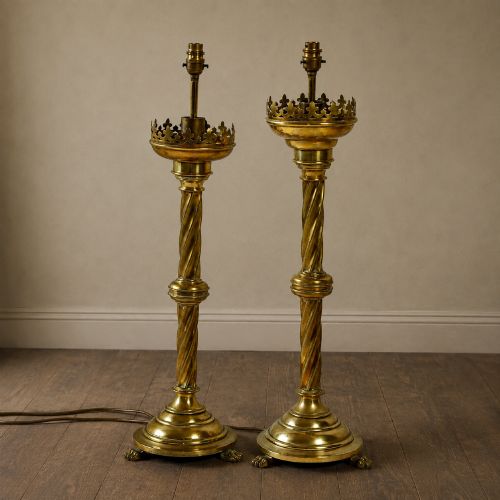
Alongside the primary tables, related devotional furnishings appear frequently in these records. Candlesticks, prickets, and table lamps converted from ecclesiastical fixtures share the same architectural language and religious provenance.
Differentiating quality across pieces
The standard of carving and surface treatment distinguishes standard ecclesiastical joinery from exceptional workshop production. Pieces associated with named designers or specific regional traditions exhibit finer structural proportions and sharper architectural detailing.
Material selection plays a definitive role, where solid oak or rich giltwood surfaces retain their integrity better than secondary softwoods. The depth and execution of ecclesiastical motifs reflect the original commission's budget and purpose.
The inventory records oak, pitch pine, brass, and giltwood as the primary materials used across these ecclesiastical furnishings.
T Thomason & Co·AW Pugin
The Antique Church Altar Table Glossary
- Pricket candlestick
- A candlestick featuring a sharp metal spike on top to secure a large candle. This traditional form appears frequently in ecclesiastical settings.
- Gothic Revival
- An architectural and decorative style reviving medieval forms, prominent during the nineteenth century. It heavily influences the pointed arches and heavy timberwork seen on these tables.
- Ebonised wood
- Timber treated to imitate expensive ebony through staining or painting. This dark finish creates a dramatic contrast in church interiors.
- Giltwood
- Wood carved and coated with gold leaf or a metallic finish. It adds reflective brilliance to altar furnishings and candle holders.
Antique Church Altar Table: Frequently Asked Questions
What is an antique church altar table used for?
These tables served sacred liturgical functions within chapels, cathedrals, and parish churches during religious services.
Today, collectors repurpose them as striking console tables, side tables, or writing desks within domestic entrance halls and living spaces.
How do I identify a Gothic Revival piece?
Gothic Revival items typically display architectural motifs borrowed from medieval buildings, including pointed arches, quatrefoils, and heavy structural framing.
Oak and pitch pine construction combined with severe geometric lines usually points toward nineteenth-century ecclesiastical revivals.
Are these tables made of solid wood?
Surviving ecclesiastical tables rely heavily on durable hardwoods like solid oak and pitch pine to withstand heavy daily use in religious environments.
This robust construction explains their remarkable longevity and survival across multiple centuries.
How do I care for ebonised wood and gilt surfaces?
Ebonised and gilded surfaces require gentle dusting with a dry, soft cloth to protect the delicate finishes from moisture and abrasion.
Avoid chemical polishes and direct sunlight, which can degrade gold leaf and darkened wood treatments over time.