

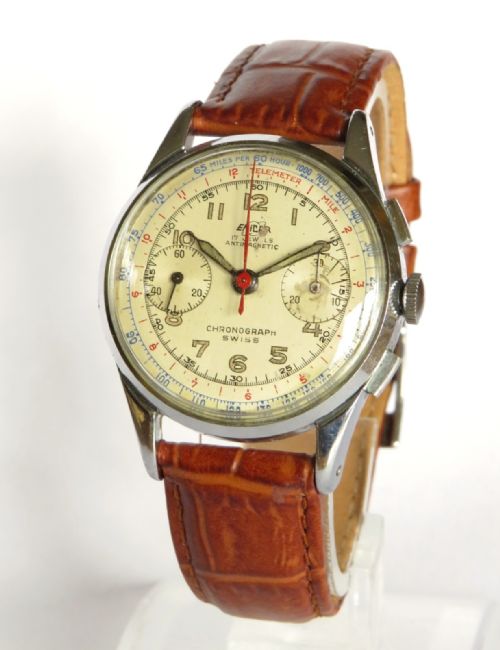


Antique Chronograph Watch
An antique chronograph watch brings mechanical precision to the wrist or pocket, combining timekeeping with stopwatch functions.
Antique Chronograph Watch
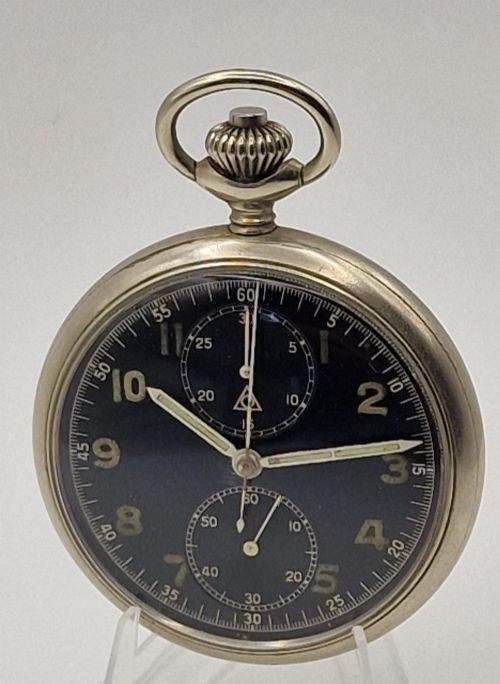
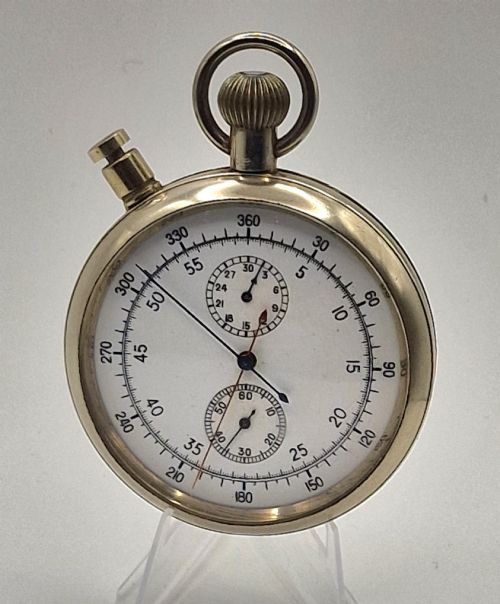
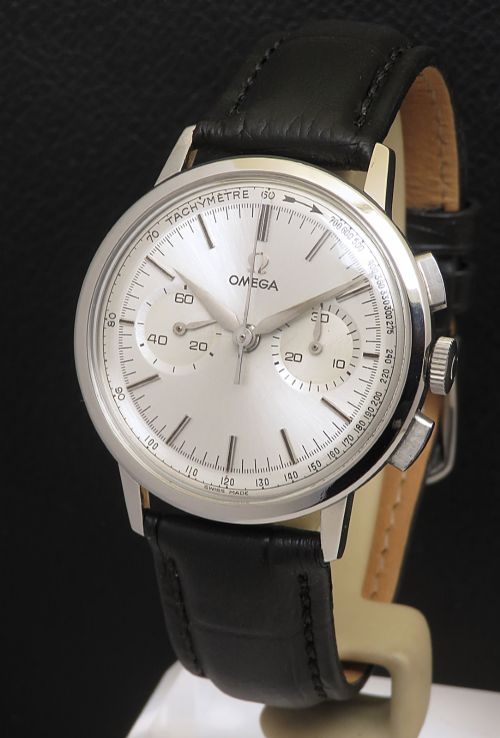
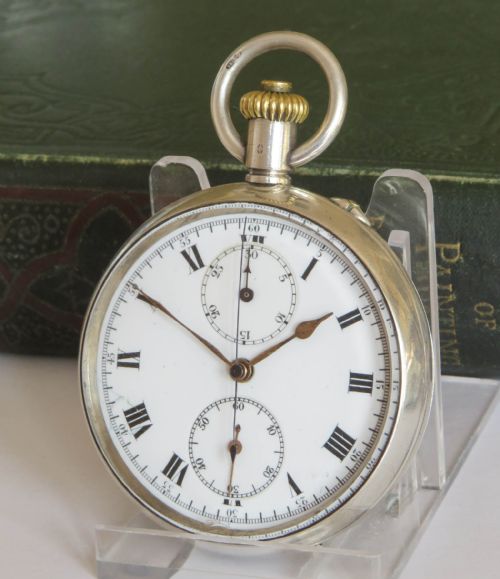
An antique chronograph watch is a timekeeper equipped with an independent sweep-second hand that can be started, stopped and returned to zero for measuring elapsed time. When you search for an antique chronograph watch, you encounter both pocket watches and wristwatches spanning from the late nineteenth century through to the mid-twentieth century.
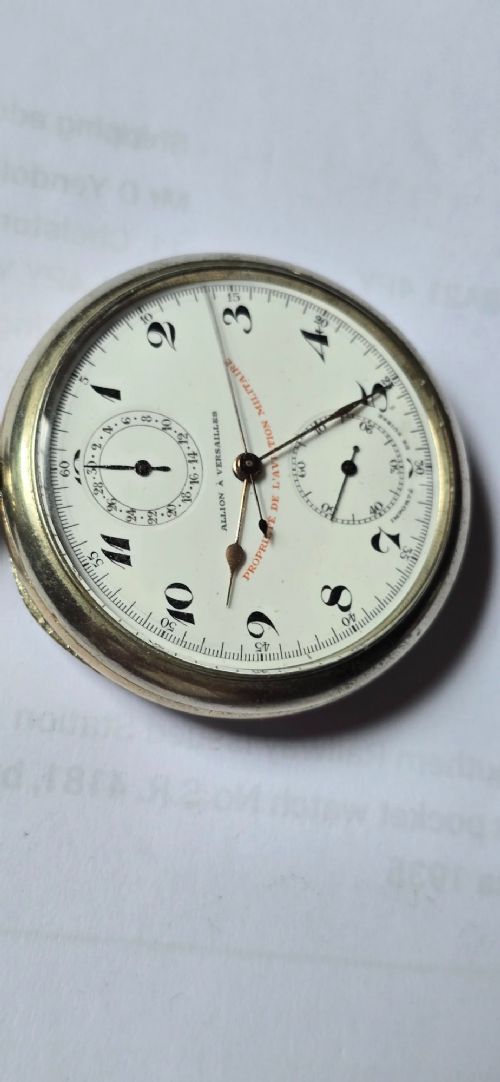
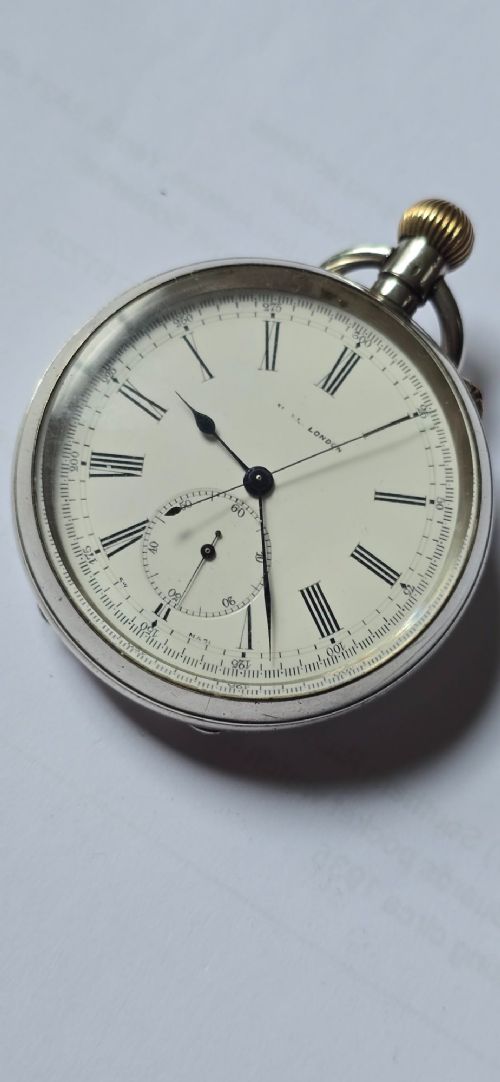
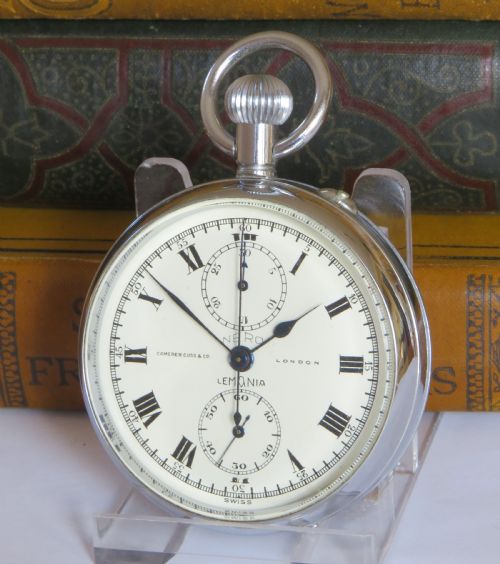
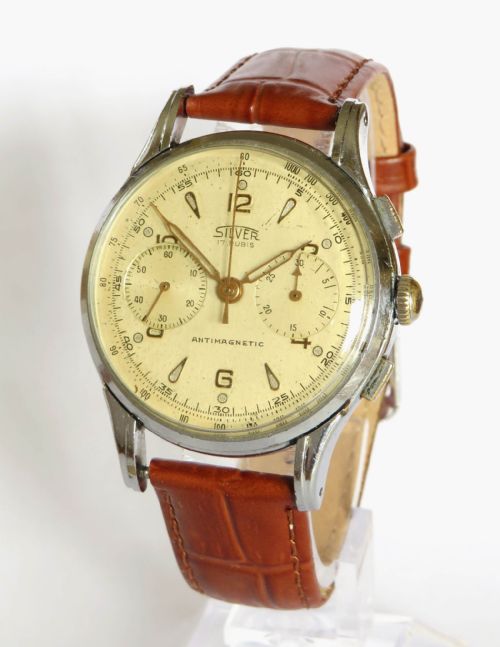
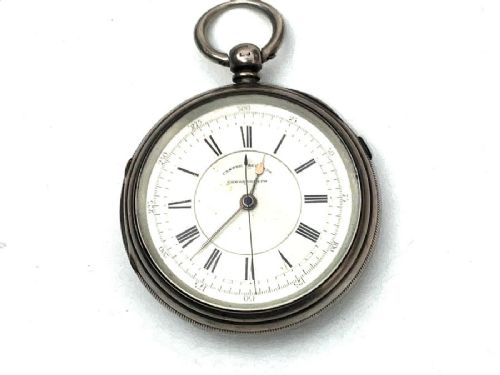
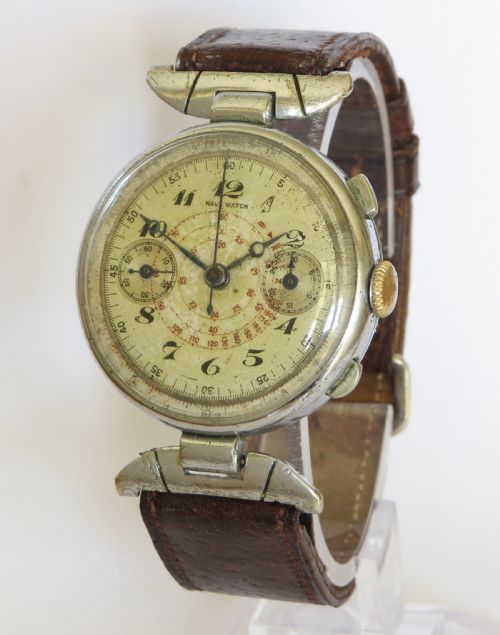
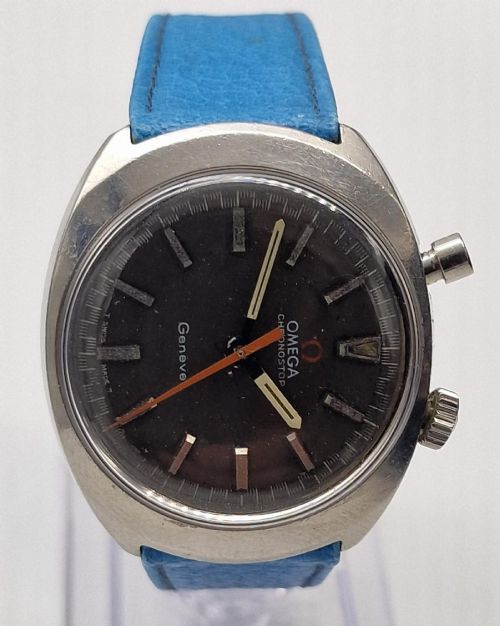
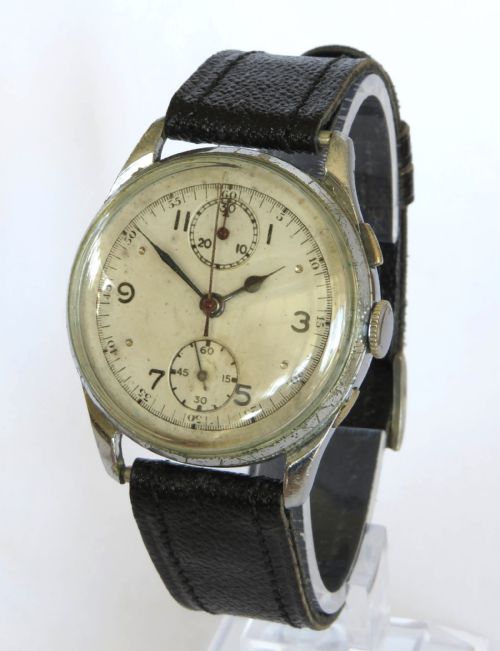
The pieces on this page originate predominantly from the 1930s and 1940s, alongside Victorian and Edwardian examples, taking the form of wristwatches and pocket watches. Pocket watch variants often feature silver cases, while wristwatches incorporate materials like stainless steel and leather straps.
Makers range from Swiss manufacturers to English watchmakers, reflecting diverse origins across Europe. Buyers find everything from military issue aviation and naval pieces to gold triple-date complications.
Materials and Construction
Cases of an antique chronograph watch are fabricated from silver, stainless steel, gold, chrome, gun metal, and acrylic or glass crystals. Leather serves widely for straps, while enamel often provides the dial finish.
Movements rely on complex mechanical engineering, encompassing movements by specialists such as Lemania, Landeron, Venus, Valjoux, and Eterna. Gold pieces utilise 14ct or 18ct gold, whereas military issues employ robust steel or nickel-alloy housings.
Antique Chronograph Watch Retail Price Guide 2026
Typical asking prices for chronograph watch among the pieces listed under this phrase on Sellingantiques today, from the lower quarter to the upper quarter. They describe what is for sale here now, not the wider market.
Some pocket watches carry private label engravings on their dust covers, recording personal presentations from a century ago.
Distinctions in Quality
The caliber of movement dictates the standing of an antique chronograph watch, with specialised chronograph ebauches from recognised makers commanding greater regard than standard movements. Complications such as split-second rattrapante mechanisms, minute repeaters, and triple-date displays elevate the sophistication of a piece.
Material choice marks another division, moving from chrome-plated or base metal cases up to solid silver, 14ct gold, and 18ct gold housings. Original military provenance, such as WW1 aviation or WW2 naval artillery issue, also distinguishes specific pieces.
Allion of Versailles·Lemania·Eterna·Richardson·Hahn Landeron·Venus·Enicar·Miramar·Benrus·Beltane·Mundus·Invicta·Omega·Breitling·Guinand·Stauffer and Co·Leonidas·Cronometro Fix·LeCoultre·Moeris·Minerva·Valjoux·Lancashire Watch Co·Heuer·Didisheim
The Antique Chronograph Watch Glossary
- Chronograph
- A watch with a display function for measuring elapsed time alongside normal timekeeping. It uses a secondary hand controlled by pushers.
- Rattrapante
- A complication featuring a split-second mechanism with two overlapping stopwatch hands. One hand can be stopped to measure an intermediate lap time while the other continues.
- Ebauche
- An unfinished movement frame consisting of plates, bridges and gear train, supplied to watchmakers for assembly. Different makers finished these blanks to varying standards.
- Triple Date
- A calendar display showing the day, date and month alongside the chronograph functions. These dials require complex internal wheel arrangements.
- Fusee
- A conical pulley connected to the mainspring by a chain, designed to equalize the torque of the mainspring as it winds down. This system appears in older English pocket watches.
Antique Chronograph Watch: Frequently Asked Questions
What is a chronograph watch?
A chronograph watch is a timepiece that includes a built-in stopwatch function alongside the standard hours and minutes. Pushers on the side of the case start, stop and reset the sweep-second hand.
This mechanism allows the wearer to measure elapsed intervals of time independently of the time of day.
How do I wind a pocket watch?
Winding an antique pocket watch involves turning the crown clockwise until resistance is felt. Some older key-wound pieces require a separate key inserted into the back dust cover.
Care should be taken not to overwind vintage mainsprings, as older steel can snap under excessive tension.
Were these watches used in the military?
Many vintage chronographs served military forces for aviation, artillery and naval operations. These pieces feature specific issue markings on the case back and high-legibility dials.
Governments commissioned them for precise timing during navigation and tactical manoeuvres.
What is a triple date chronograph?
A triple date chronograph displays the day of the week, the month, and the date in addition to the standard chronograph functions. Additional subdials and windows on the dial face present this calendar information.
These complicated movements represent higher-tier watchmaking from the mid-twentieth century.