



Antique Christofle Plate
An antique Christofle plate search brings up sophisticated French silver-plated tableware and serving pieces that elevate any dining table or bar.
Antique Christofle Plate
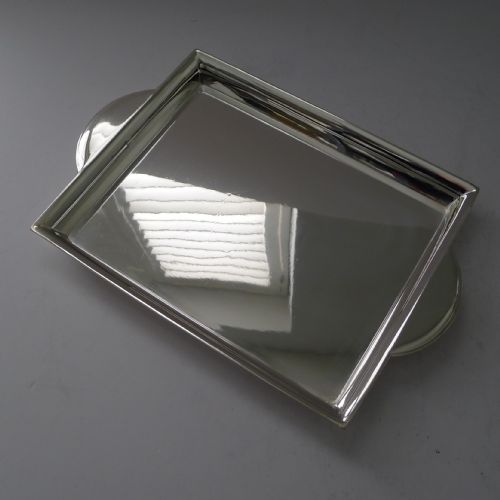
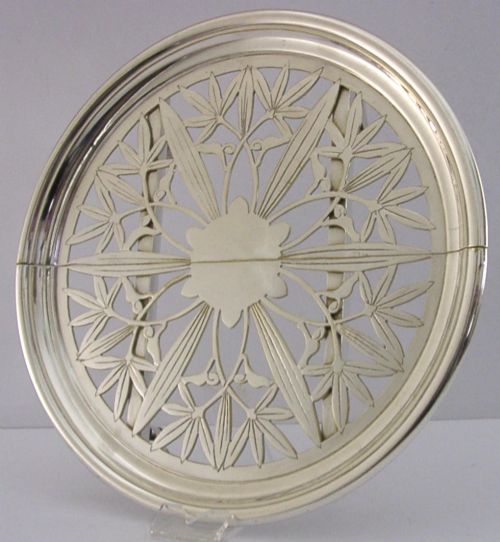
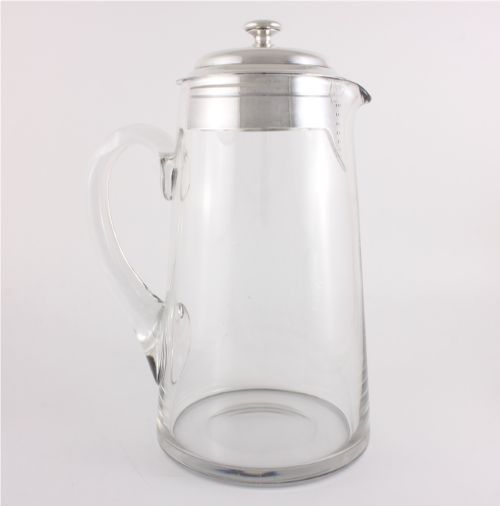
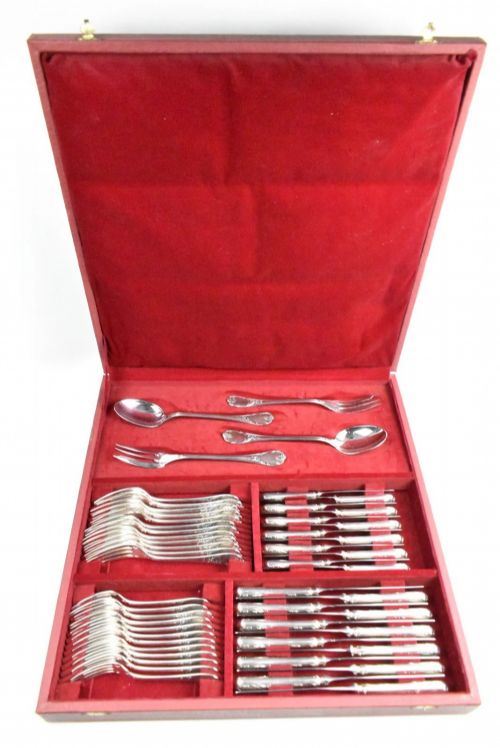
An antique christofle plate search encounters refined French metalwork spanning the nineteenth century through the mid-twentieth century. The selection leans heavily toward silver-plated serving items, barware, and flatware from distinct design movements.
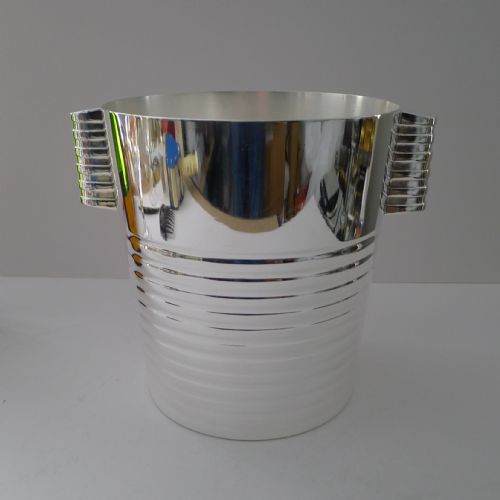
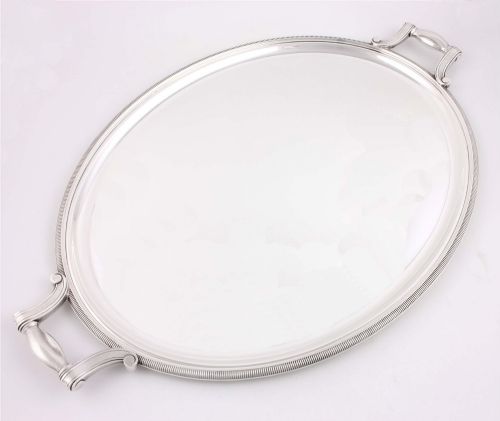
Buyers frequently find wine coolers, champagne buckets, serving trays, and cutlery sets originating from Paris workshops. These items range from ornate nineteenth-century styles to clean-lined modernist pieces.
The inventory captures diverse aesthetics, including Art Deco, Art Nouveau, and classical French motifs. Pieces like the Marly and Malmaison patterns represent enduring signatures of the maker.
How they were made
Objects are primarily constructed from silver plate and silvered bronze over base metal foundations. Manufacturers also incorporated subsidiary elements in wood, fabric, crystal, and bakelite for specific functional components like handles and inserts.
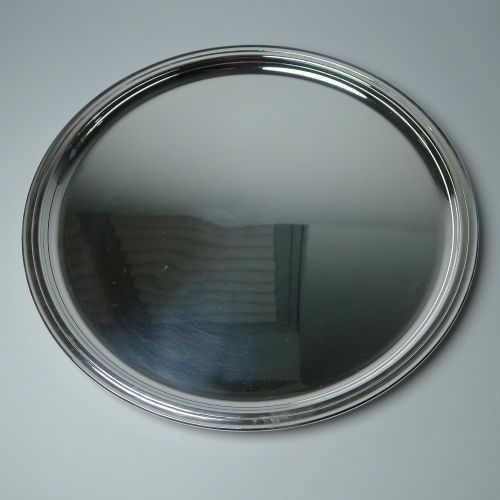
Artisans employed techniques such as heavy silver plating, detailed hand-engraving, and specialised moulding to achieve fluid Art Nouveau curves and geometric Art Deco lines. Structural integrity was balanced with decorative surface relief on items like trays and wine coolers.
Antique Christofle Plate Retail Price Guide 2026
Typical asking prices for christofle plate among the pieces listed under this phrase on Sellingantiques today, from the lower quarter to the upper quarter. They describe what is for sale here now, not the wider market.
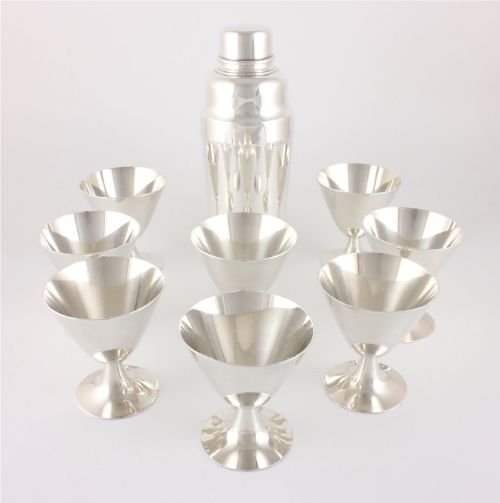
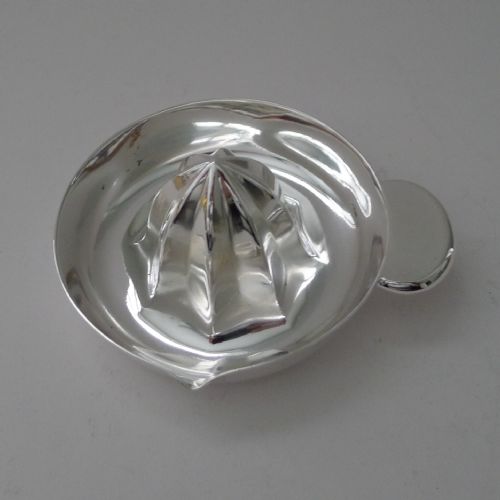
Citrus squeezers and cocktail shakers prove that historical French silversmiths took their morning vitamin C and evening martinis equally seriously.
What varies in quality
The standard of execution depends heavily on the depth of the silver plating and the crispness of the chased or engraved details. Pieces designed by named artists show superior sculptural articulation compared to standard production runs.
Design complexity and scale dictate the upper tier of the range, particularly large centrepieces and extensive flatware services. The preservation of original surface finishes and maker marks directly influences the standing of individual items.
Luc Lanel·Orfèvrerie Gallia·Sue et Mare·Maison Christofle
The Antique Christofle Plate Glossary
- Silver Plate
- A thin layer of silver bonded to a base metal substrate. This technique allowed makers to produce substantial vessels with the appearance of solid silver at a lower weight and cost.
- Gallia
- The subsidiary metalwork line created by the firm in the late nineteenth century. It often encompassed avant-garde Art Nouveau and Art Deco designs produced in special alloy compositions.
- Centrepiece
- A large decorative vessel or plateau placed in the middle of a dining table. These items frequently combine silvered bronze with crystal components for dramatic effect.
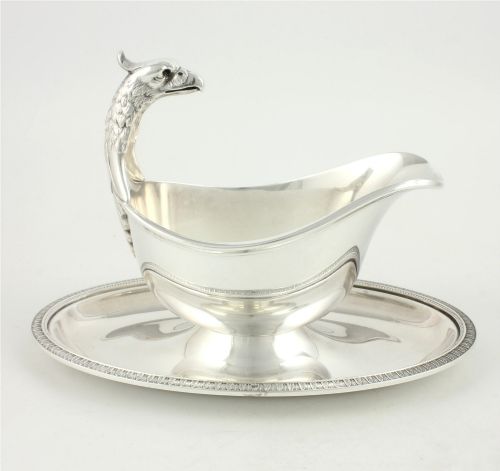
- Sauciere
- A specialised boat-shaped vessel designed for serving sauces and gravies. They often feature attached underplates and graceful handles for steady pouring.
Antique Christofle Plate: Frequently Asked Questions
How do I identify a genuine piece?
Look for stamped maker marks and hallmarks impressed into the metal surface. These punch marks typically indicate the manufacturer and the quality or weight of the silver plating used.
Familiarize yourself with the specific stylistic signatures of the firm, such as the balance of weight and the precision of geometric or organic motifs.
Can I use these items daily?
Many serving trays, coolers, and flatware sets remain completely functional for modern entertaining. Regular use adds to the historical patina as long as proper care is maintained.
Hand washing with mild detergents preserves the silver plate and prevents damage to delicate base metals or integrated organic handles.
How should I clean silver plate?
Clean silver-plated items gently using specialised silver polish and a soft cloth to avoid abrading the thin outer layer. Rinse thoroughly and dry immediately to prevent water spots.
Avoid harsh chemical dips that can strip the finish and expose the underlying base metal, particularly on heavily engraved or patinated surfaces.
What periods are represented?
The inventory spans from the nineteenth century through the Edwardian era and the mid-twentieth century. Art Deco and Art Nouveau periods are particularly well represented.
Stylistic shifts trace the evolution from ornate historical revivals to streamlined modernist barware and dining accessories.