


Antique Chinoiserie Porcelain
Antique chinoiserie porcelain brings together European craftsmanship and East Asian decorative motifs across centuries of tableware and display pieces.
Antique Chinoiserie Porcelain
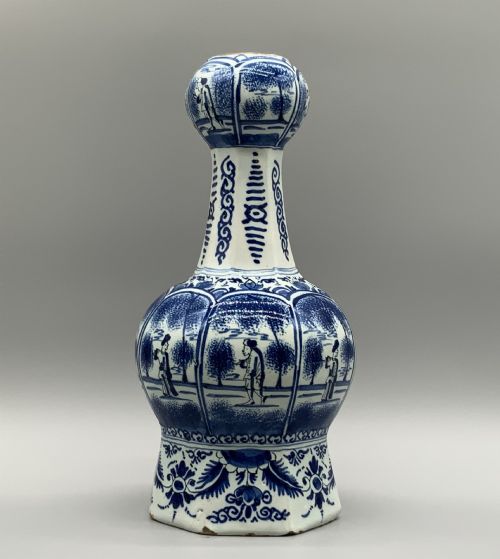
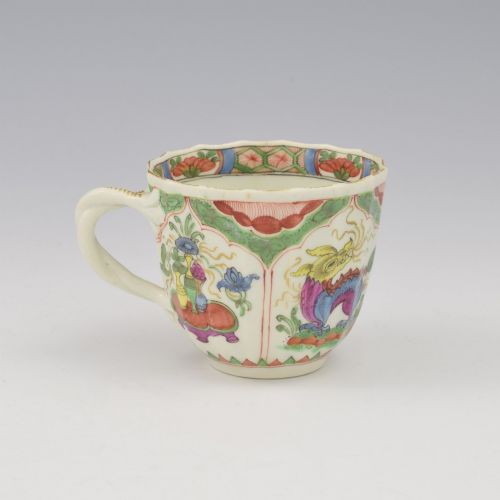
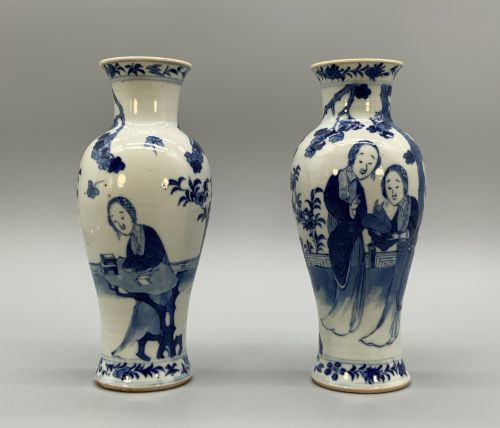
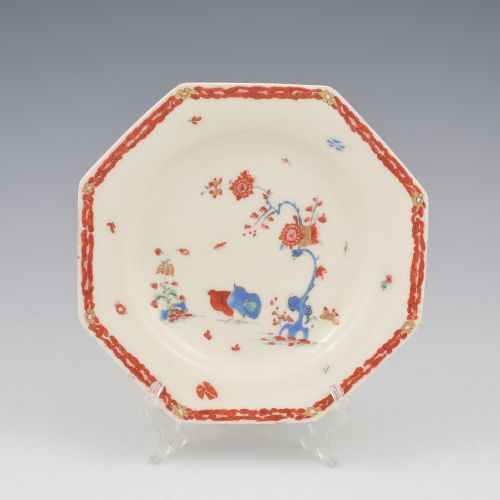
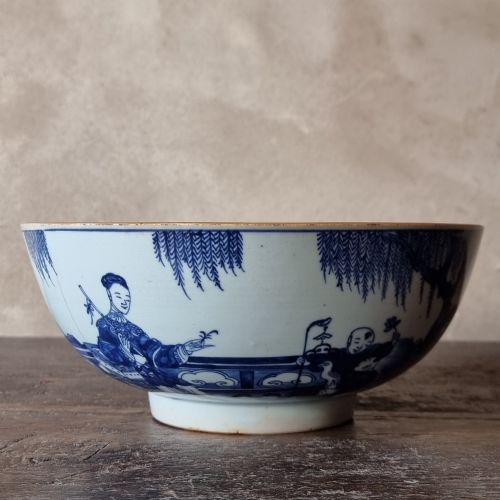
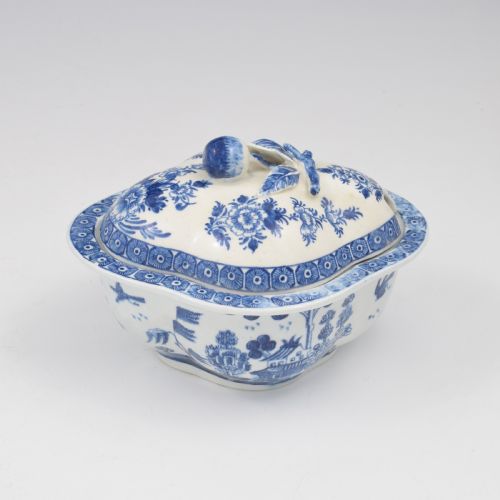
When you search for antique chinoiserie porcelain, you encounter items decorated with European interpretations of Chinese and Japanese scenes, often featuring figures, pagodas, and exotic foliage.
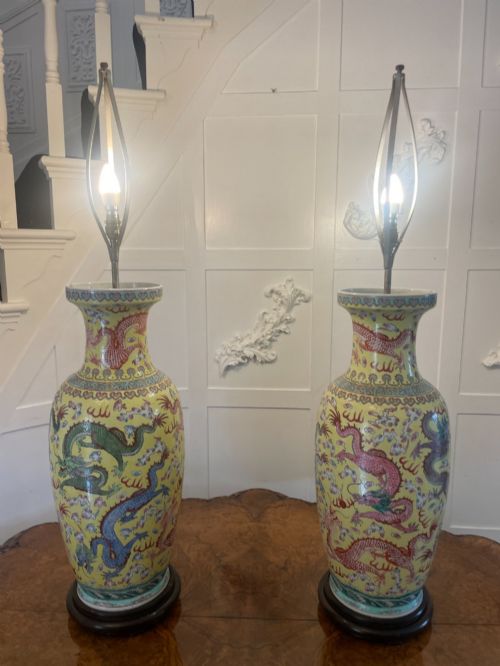
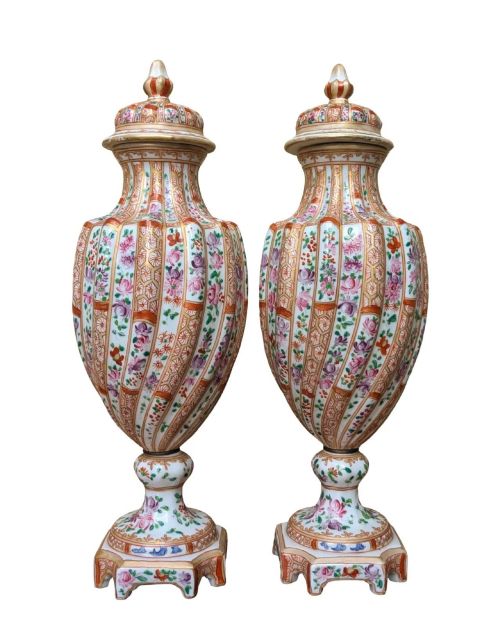
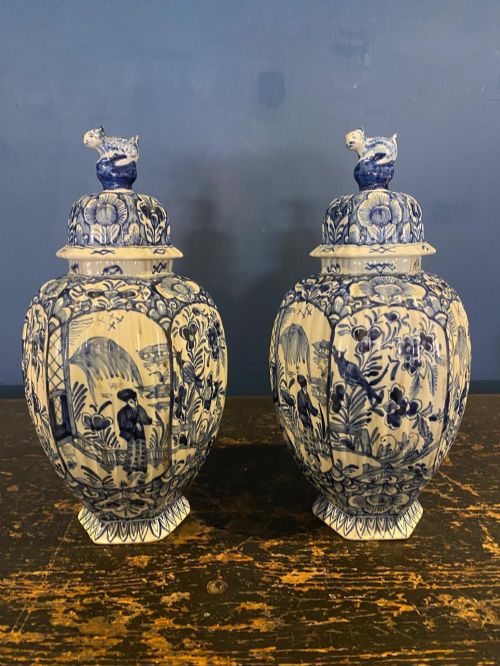
The objects on this page span several centuries, most frequently appearing as 18th-century English tea wares, 19th-century vases, and larger decorative chargers.
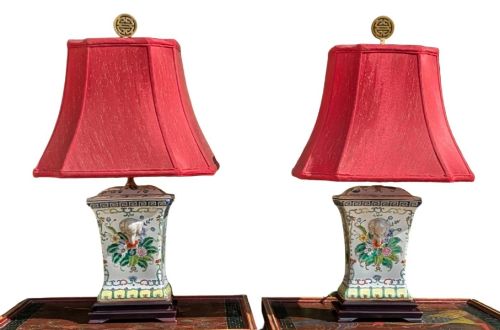
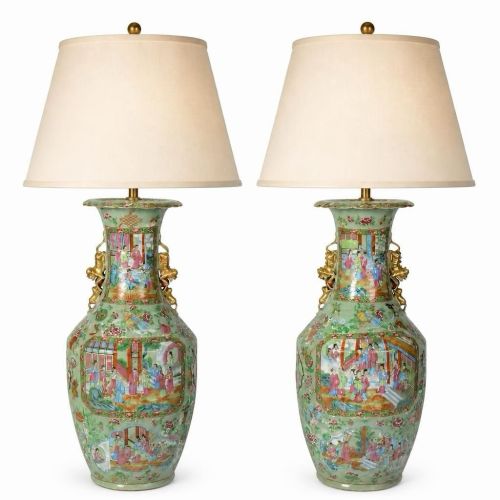
Forms range from utilitarian tea bowls and coffee cups to massive garden seats, punch bowls, and table lamps converted from earlier vessels.
Materials and manufacturing methods
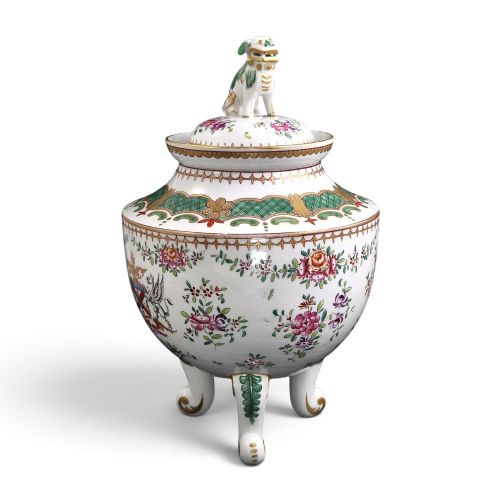
Potters constructed these objects using soft-paste porcelain, hard-paste porcelain, ironstone, and earthenware, often applying cobalt blue underglaze or polychrome enamel painted details.
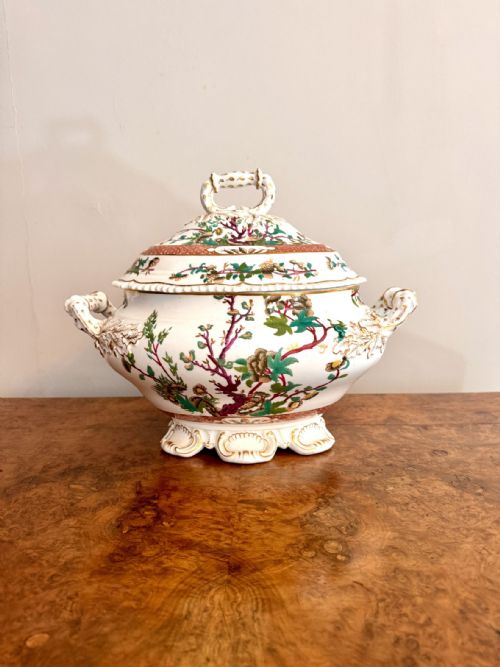
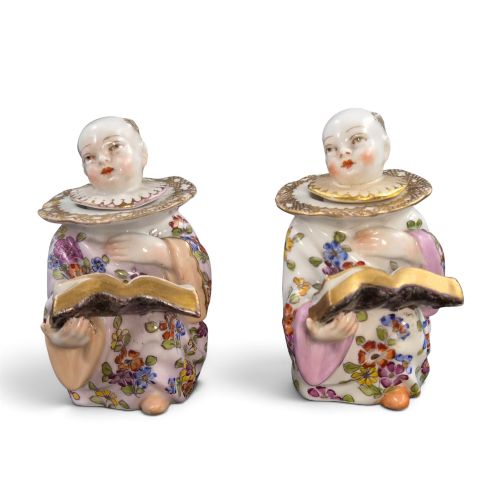
Many 18th-century English factories utilised hand-painted motifs, while later 19th-century production incorporated transfer printing alongside hand-applied enamel and gold leaf accents.
Mounts in gilt bronze and brass frequently supplemented the ceramic bodies, particularly on lamps and decorative vases produced during the Regency and Victorian periods.
Listings feature 18th-century soft-paste tea wares alongside 19th-century ironstone garden seats and porcelain table lamps.
Judging the quality of these pieces
Quality rests primarily on the crispness of the porcelain body and the precision of the hand-painted or transfer-printed decoration applied across the surface.
Early English porcelain examples demonstrate superior potting skills in thin-walled tea wares, whereas later ironstone pieces prioritise durability and bold moulded relief.
The sophistication of the enamel palette and the retention of original gilding significantly elevate the visual impact and standing of individual items.
Edmé Samson·Dr Wall Worcester·Bow Porcelain·Spode·Mason's Patent Ironstone·Jacob Petit·Caughley Porcelain·New Hall·Hicks and Meigh·Wedgwood
The Antique Chinoiserie Porcelain Glossary
- Soft-paste porcelain
- A ceramic composition fired at lower temperatures than true hard-paste porcelain, common in 18th-century English factories. It typically displays a warm, slightly creamy body under magnification.
- Clobbered
- Decorated or overpainted ceramic ware, often involving blue and white porcelain receiving subsequent enamel colours and gold leaf in Europe. This practice altered older imported vessels to suit changing tastes.
- Famille rose
- A ceramic palette introduced in the 18th century distinguished by an opaque pink or purple enamel derived from colloidal gold. It dominated Chinese export porcelain decoration.
- Ironstone
- A heavy, durable earthenware patented in the 19th century to imitate true porcelain. It withstands daily use while accommodating rich coloured patterns and moulded reliefs.
- Underglaze
- Pigment applied to the unfired ceramic body before the application of a clear glaze and subsequent kiln firing. This technique protects the painted design beneath a glassy surface layer.
Antique Chinoiserie Porcelain: Frequently Asked Questions
How do I date early porcelain?
Dating relies on identifying factory marks, paste characteristics, and stylistic traits associated with specific production decades.
Changes in glaze thickness and potting weights also help distinguish 18th-century items from later 19th-century reproductions and revivals.
Were these pieces made for export?
Many ceramics were produced in Asia specifically for the European market, while domestic English and continental factories copied those imported aesthetic styles.
This cross-cultural exchange generated distinct hybrid designs that blended Eastern motifs with Western ceramic shapes.
How should I clean antique porcelain?
Maintain these items by dusting gently with a soft brush and washing by hand in warm water using mild soap only when necessary.
Avoid soaking pieces with exposed ironstone bodies or delicate overglaze enamel and gold leaf decorations.
What is the difference between ironstone and porcelain?
Ironstone is a dense, opaque earthenware developed for strength and heavy domestic use, whereas true porcelain is vitrified, translucent, and rings when tapped.
Both materials accommodated elaborate oriental-inspired patterns during the 19th century.