

Antique Chinese Panels
Antique chinese panels encompass carved woodwork, lacquer folding screens, and embroidered textiles that bring historic texture and intricate narrative into a room.
Antique Chinese Panels
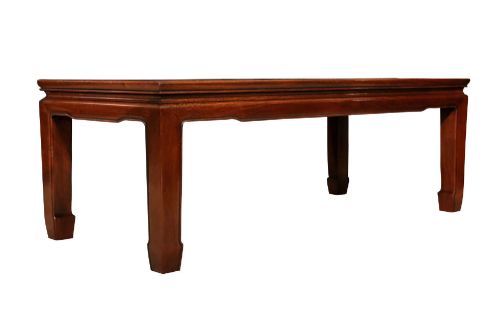
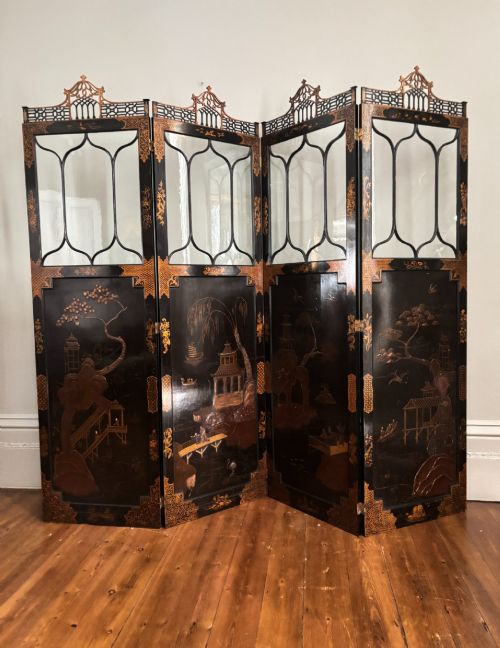
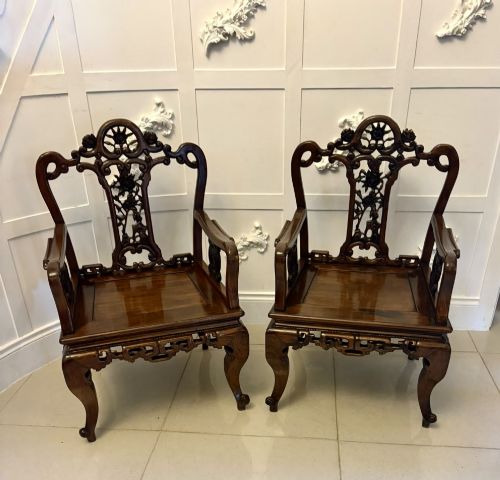
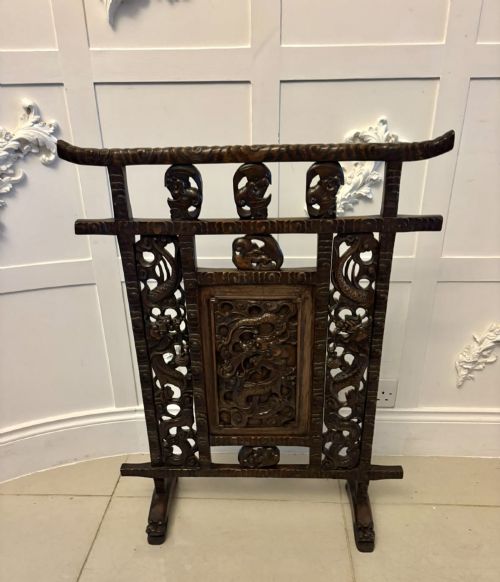
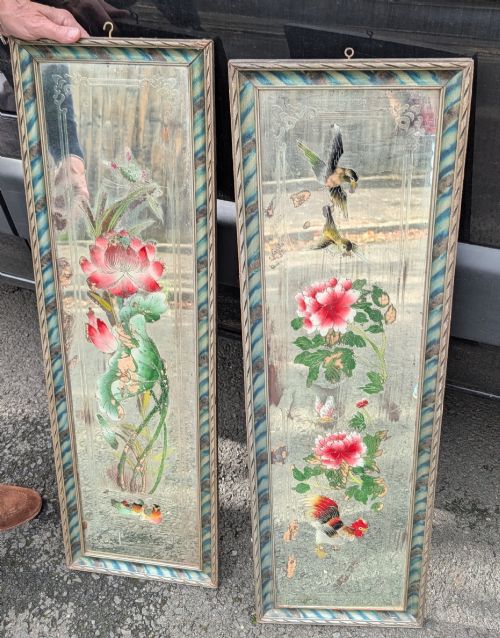
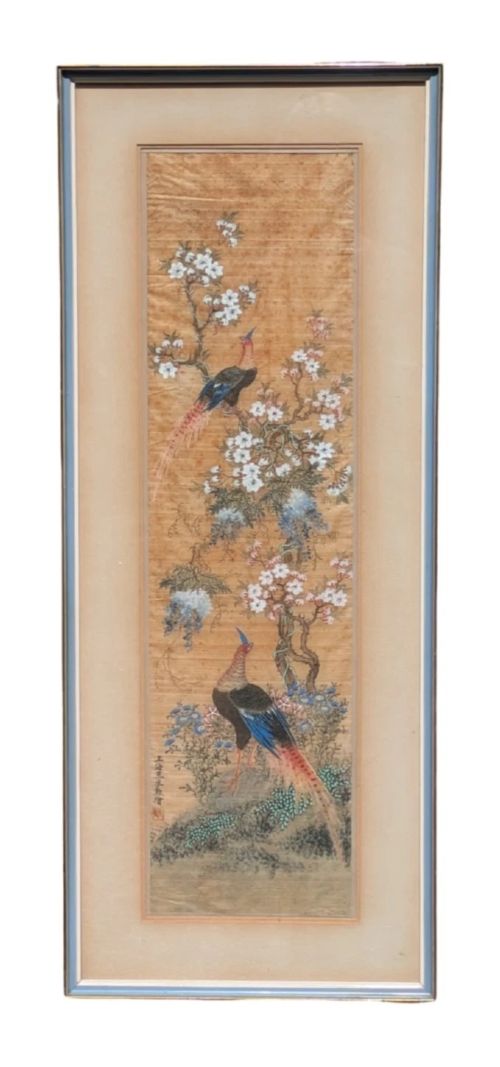
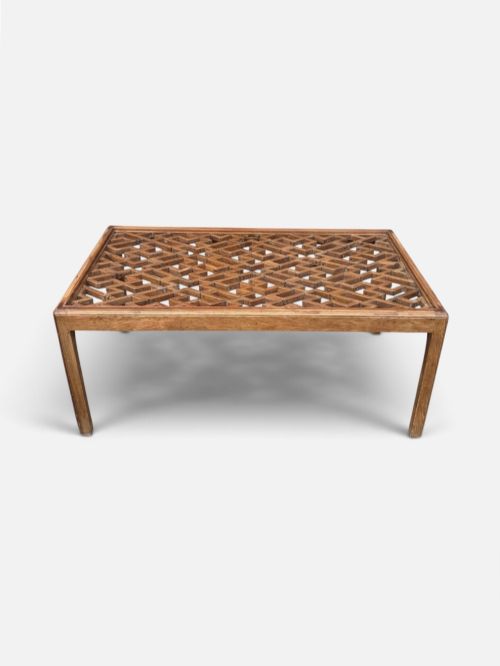
When you search for antique chinese panels, you encounter carved wooden plaques, framed silk embroideries, and sections salvaged from larger architectural elements or folding screens. The pieces span centuries, appearing as multi-fold screens, wall art, and inset panels within hardwood furniture from the Qing Dynasty and later periods.
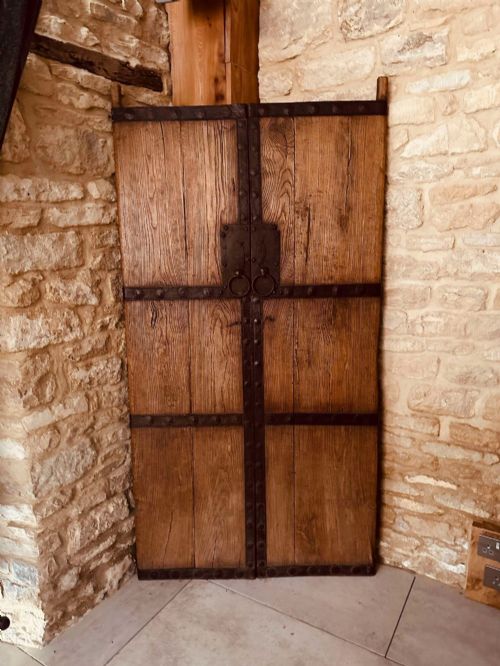
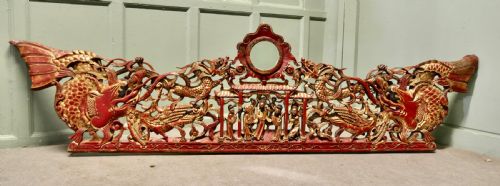
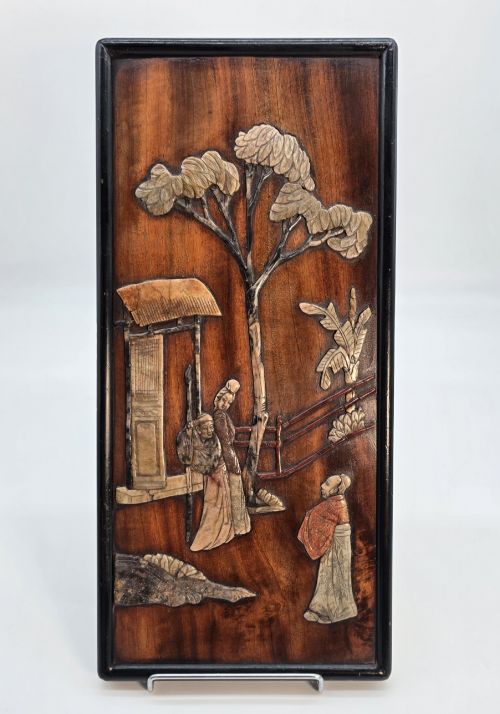
Wooden relief carvings dominate the selection, often originating from temple architecture or domestic screens. These architectural remnants and dedicated plaques depict figures, flora, and fauna carved in deep relief, showing the lasting influence of traditional Chinese craftsmanship across the nineteenth and twentieth centuries.
Materials and construction
Makers utilised dense Asian hardwoods, lacquered surfaces, and fine silk threads to build these pieces. Wood carvers worked with native timbers to achieve layered depth, while artisans applied layers of lacquer in styles such as Coromandel to create rich, dark grounds for polychrome decoration.
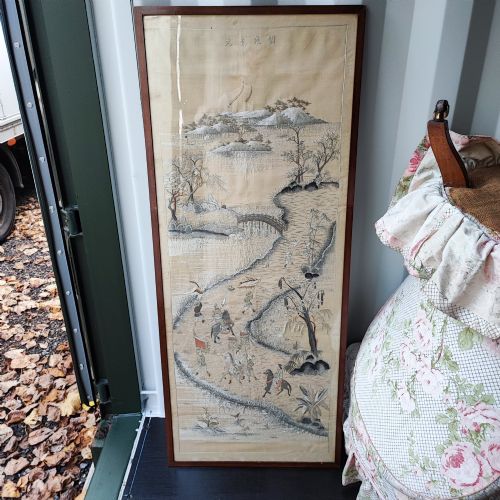
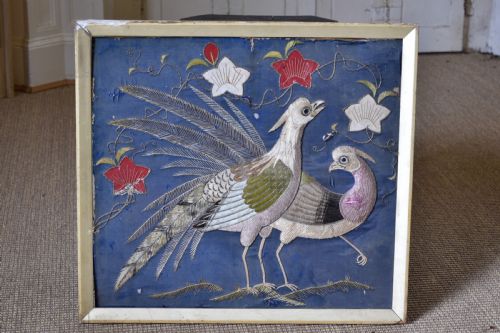
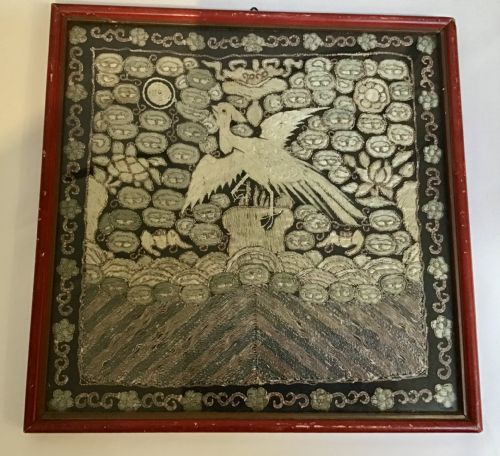
Textile works rely on hand-sewn silk embroidery, often framing figures, dragons, trees, and flowers under glass or mounted as rank badges. Gilt wood panels combine carving with gold leaf application, reflecting traditional decorative schemes seen in temple pediments and folding screens.
Antique Chinese Panels Retail Price Guide 2026
Typical asking prices for chinese panels among the pieces listed under this phrase on Sellingantiques today, from the lower quarter to the upper quarter. They describe what is for sale here now, not the wider market.
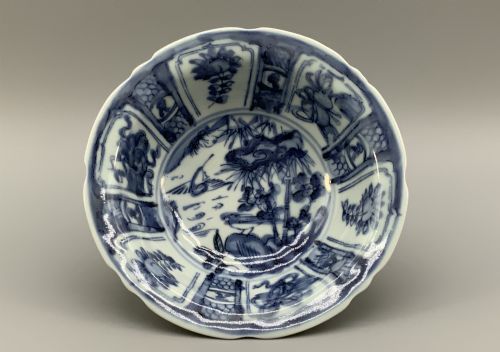
Listings feature items spanning from the 16th Century Ming Dynasty to the 20th Century, including hardwood, lacquer, silk, and porcelain.
Judging execution and depth
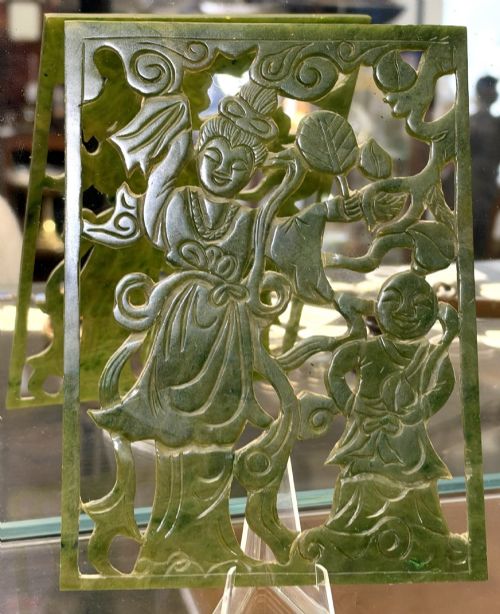
Depth of carving and clarity of detail separate standard decorative items from superior examples. Master carvers achieved remarkable dimensionality in wood and jade, where every figure, fold of fabric, and natural element is rendered with sharp precision rather than soft, generalized contours.
The integrity of the original surface finish dictates the character of lacquered and gilded panels. Pieces retaining undisturbed layers of historical lacquer, crisp gold leaf, and tightly stitched silk threads hold greater visual authority than those with heavy modern intervention.
The Antique Chinese Panels Glossary
- Coromandel lacquer
- A Chinese incised lacquer technique where designs are carved into a dark ground, filled with colour, and polished flat. This method is frequently seen on multi-fold room dividers and decorative screens.
- Rank badge
- A square embroidered textile patch worn by officials during the Qing Dynasty to denote social status. These pieces display specific birds and animals denoting civil or military rank.
- Qing Dynasty
- The final imperial dynasty of China, spanning from the seventeenth to the early twentieth century. Much of the surviving carved woodwork and lacquerwork originates from the later decades of this era.
- Cloisonné
- A metalwork technique where enamel colours are separated by thin metal strips soldered to a backing. It appears on decorative objects associated with period interiors.
- Shan Shui
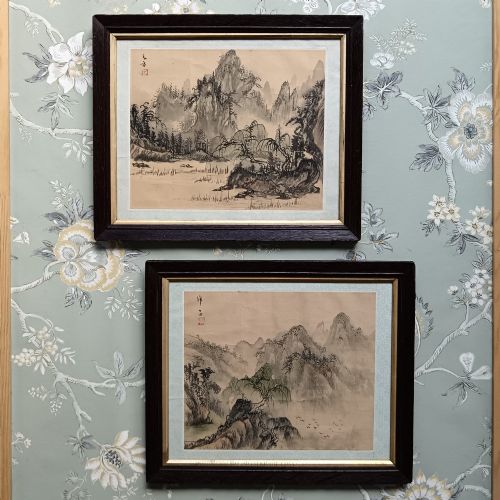
- Traditional Chinese painting style featuring idealized landscape scenery with mountains, rivers, and waterfalls. These compositions frequently appear on silk paintings and framed wall art.
Antique Chinese Panels: Frequently Asked Questions
How were antique Chinese panels used originally?
Many panels functioned as architectural components within temples, elite residences, or domestic screens that divided interior spaces. They provided privacy while displaying auspicious symbols and narrative scenes intended to bring fortune to the household.
Others served as decorative wall hangings, furniture insets, or portable folding screens used to manage light and drafts in large rooms.
What is a Coromandel screen?
A Coromandel screen is a heavy folding room divider finished with dark lacquer and carved using an incised technique. Artisans applied layers of lacquer, carved away sections to reveal contrasting grounds, and hand-tinted the recesses with pigments and gold.
These large screens typically depict landscapes, court scenes, or floral motifs across multiple folding panels.
How do I care for antique silk panels?
Antique silk embroidery requires protection from direct sunlight to prevent the natural fibres and coloured threads from fading. Displaying them away from moisture and temperature fluctuations preserves the integrity of the textile.
Framed pieces under glass should remain sealed to protect delicate hand-stitched details and historical mounts from airborne dust and physical contact.
How can I tell the age of carved wood panels?
Age is assessed through the tool marks left by the carver, the species of hardwood used, and the natural patina developed over generations of handling. Earlier Qing Dynasty and Ming period pieces exhibit deeper, more purposeful chisel work and dry, oxidised timber surfaces.
Wear patterns around hanging points or mounting frames also offer clues to the longevity of the piece and its transition from architecture to decorative art.