


Antique Chinese Lidded Jar
An antique chinese lidded jar brings vibrant hand-painted porcelain and rich enamel tradition straight into a modern interior.
Antique Chinese Lidded Jar
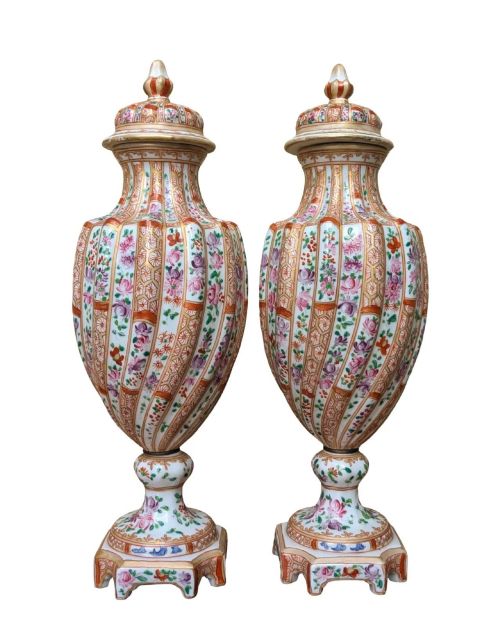
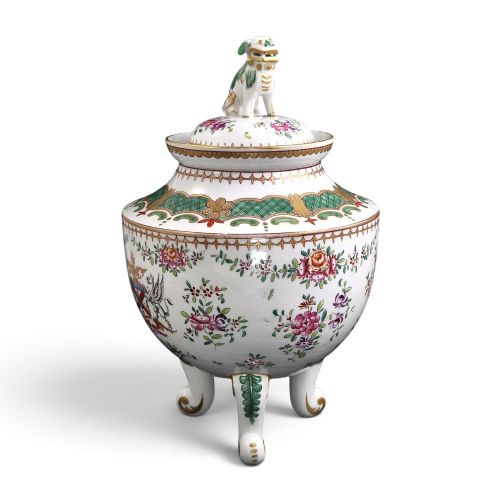
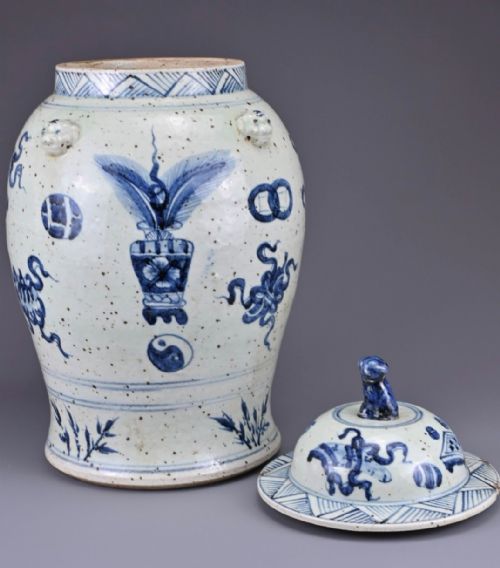
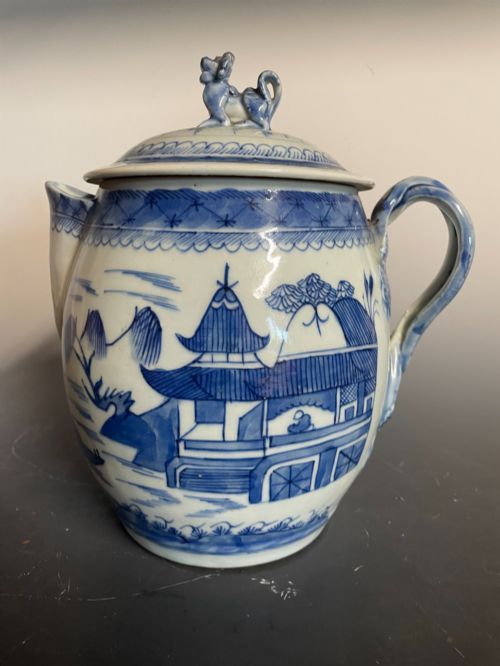
Every antique chinese lidded jar on this page represents centuries of ceramic artistry, spanning ginger jars, baluster vases, and globular containers complete with matching covers. The selection draws heavily from the nineteenth century, featuring Qing dynasty productions alongside European interpretations like Samson Paris Chinoiserie and Mason's stoneware.
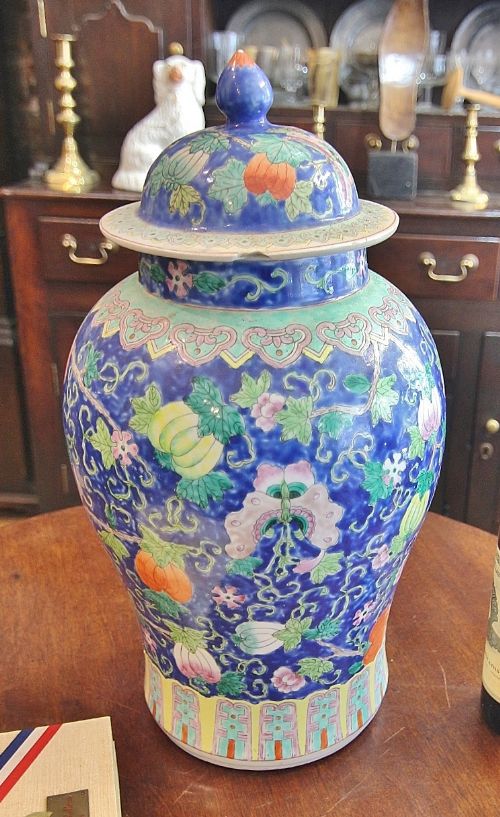
Buyers frequently encounter blue and white porcelain alongside vibrant Famille Rose, Rose Medallion, and Rose Mandarin enamel palettes. Forms range from large monumental vessels to smaller kamcheng jars and cloisonne koro containers.
Pieces span traditional Chinese periods as well as early twentieth century and Edwardian adaptations. This mix offers collectors both authentic imperial style and nineteenth century export craftsmanship.
Materials and production methods
Potters shaped these vessels from fine ceramic and porcelain bodies before applying intricate mineral glazes and underglaze blue pigments. Many examples incorporate elaborate hand-painted enamel decoration alongside gilding and gold leaf accents.
Cloisonne pieces utilise metal wires soldered to brass or copper bases to create cellular compartments filled with coloured enamel pastes. Stoneware bodies also appear among nineteenth century European workshop creations mimicking oriental designs.
Five-claw dragons painted on nineteenth century jars served as imperial symbols, quietly reminding guests who held the ultimate celestial authority.
Assessing craftsmanship and finish
Quality rests entirely in the crispness of the hand-painted brushwork, the depth and brilliance of the glaze, and the precise fit of the cover. Superior pieces display confident, fluid brush strokes and evenly fused enamels without pitting or cloudiness.
The complexity of the decorative scheme, whether a detailed five-claw dragon or a dense Rose Medallion court scene, distinguishes standard workshop output from exceptional examples. Preservation of original gilding and metalwork further elevates the standing of cloisonne and enameled pieces.
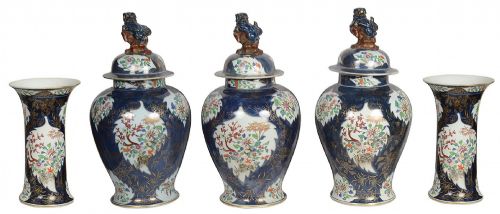
Samson Paris
The Antique Chinese Lidded Jar Glossary
- Famille Rose
- A major palette of Chinese ceramic glazes introduced in the Qing dynasty, distinguished by its dominant opaque pink or rose enamel. This colouring technique allowed artists to achieve delicate tonal gradations.
- Ginger Jar
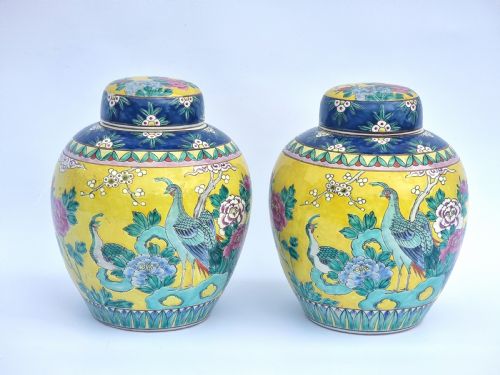
- A broad-shouldered porcelain vessel originally manufactured to store spices. These jars feature fitted domed lids and typically display hand-painted blue and white or polychrome designs.
- Cloisonne
- An ancient metalworking technique employing soldered flat metal wires to form partitions on a bronze, brass, or copper foundation. The resulting cells are filled with vitreous enamel before firing and polishing.
- Doucai
- A Chinese porcelain technique combining underglaze blue outlines with overglaze polychrome enamels. Artisans apply the blue design first, fire the piece, and then fill in the colours before a second lower-temperature firing.
- Kamcheng
- A traditional covered jar originating from Chinese export kilns, often featuring polychrome enamel decoration. These vessels traditionally served for food storage or ritual purposes in Southeast Asian households.
Antique Chinese Lidded Jar: Frequently Asked Questions
What were antique chinese lidded jars used for?
These vessels originally served practical functions such as storing spices, tea, and medicines in domestic and commercial settings. Larger covered jars also held precious commodities or functioned as decorative display pieces in elite households.
Over time, export markets embraced them purely for interior decoration, where their symmetrical forms and painted surfaces brought colour to European rooms.
How do I style a lidded jar at home?
Place a single large ginger jar on a side table, mantelpiece, or bookshelf to create an immediate focal point. Pairs look striking when matched symmetrically on either side of a fireplace or console.
Ensure the vessels sit securely away from heavy foot traffic where covers might be accidentally dislodged. Combining different forms, such as blue and white with cloisonne, adds textural variety to a display.
How can I tell the period of a jar?
Examine the base, glaze texture, and painting style to gather clues about the era of manufacture. Nineteenth century pieces often display specific reign marks, vibrant enamel palettes, or export characteristics.
European interpretations from workshops like Samson Paris reveal different paste characteristics and potting techniques compared to traditional imperial Chinese kilns.
Are lids usually original to the jars?
Covers frequently face the risk of separation or breakage over long periods of domestic use. Evaluating whether a lid matches the exact body requires inspecting the glaze continuity, clay type, and wear patterns on both components.
Many antique pieces retain their original matching covers, which adds significantly to their character and historical integrity.