



Antique Chinese Doors
These antique chinese doors bring architectural presence and deep cultural history into a room through weathered timbers and traditional joinery.
Antique Chinese Doors
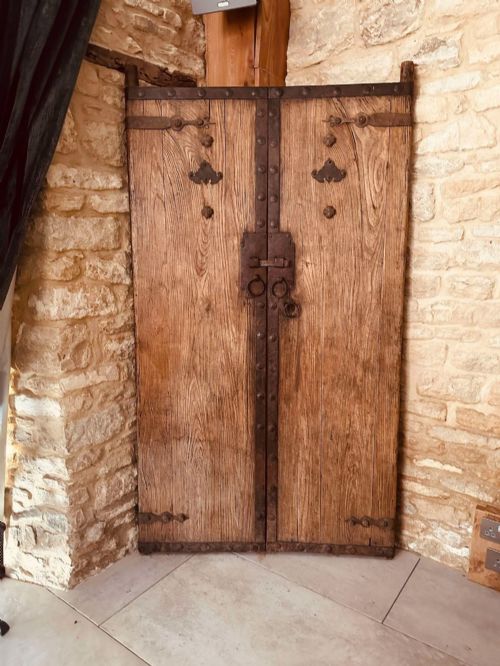
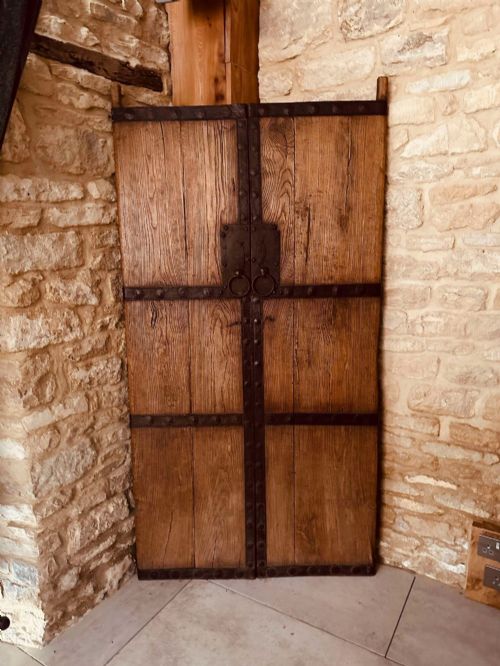
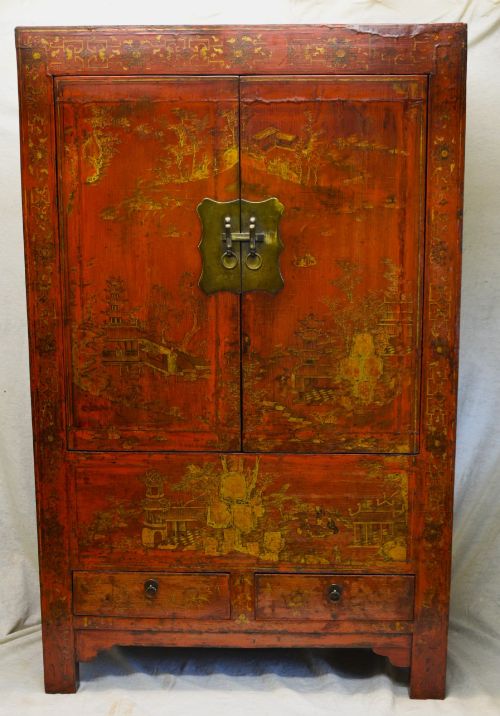
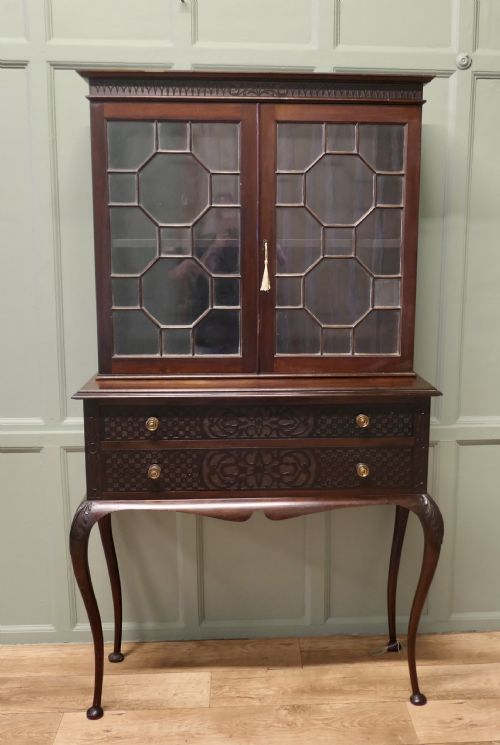
Most entries showcase reclaimed elm or locust wood construction, whilst others present painted cart doors dating back to seventeen ninety. Alongside full panel doors, the selection encompasses related domestic furniture pieces incorporating traditional joinery and carved details.
Materials and construction
The makers relied primarily on durable elm, locust wood, and various dense hardwoods to build sturdy panels capable of enduring daily use over centuries. Blacksmiths forged iron and brass components, such as large foo dog door plates, to reinforce and ornament the timber structures.
Surface decoration frequently involved red lacquer and gold leaf applications, applied to seal the wood and provide striking visual contrast. These traditional finishes interact with the underlying grain, showing varying degrees of patination acquired through decades of exposure.
Antique Chinese Doors Retail Price Guide 2026
Typical asking prices for chinese doors among the pieces listed under this phrase on Sellingantiques today, from the lower quarter to the upper quarter. They describe what is for sale here now, not the wider market.
Foo dogs watch over the hardware, standing guard so nobody enters without a proper nod to nineteenth-century domestic security.
Assessing quality and character
Quality reveals itself in the depth of surviving surface treatments, where original red lacquer and gilding retain their rich tones rather than appearing entirely renewed. The stability of the underlying elm or hardwood framework dictates the structural integrity of each piece.
Fine craftsmanship is further distinguished by the crispness of carved motifs and the substantial weight of forged brass and iron hardware. Pieces retaining their authentic architectural context display a harmonious balance between utilitarian strength and decorative refinement.
The Antique Chinese Doors Glossary
- Architectural salvage
- Building elements removed from older structures for reuse in interior design or collection. These components preserve historical manufacturing methods.
- Elm
- A durable hardwood commonly utilised in regional woodworking for its resistance to splitting. It forms the primary structural material for many surviving panels.
- Lacquer
- A traditional resin finish applied in multiple layers to seal and decorate wooden surfaces. It often matures with a distinctive craquelure pattern over time.
- Foo dog
- A traditional guardian lion sculpture frequently depicted in Chinese art and hardware. These protective figures appear on heavy metal door plates.
Antique Chinese Doors: Frequently Asked Questions
How do I hang antique chinese doors?
These heavy wooden panels require substantial structural support, often needing custom steel brackets or specialised pivot hinges fixed directly into masonry or heavy studs.
Many buyers choose to mount them flush against a wall as decorative art or utilise them as functional room dividers rather than hanging them in standard door frames.
What is elm wood like on these?
Elm provides a resilient and fibrous timber that absorbs traditional lacquer finishes effectively while withstanding significant structural stress.
Over the centuries, this wood develops a dry, weathered patina that highlights the natural grain patterns beneath any remaining pigment.
How do I clean red lacquer surfaces?
Maintenance requires only a soft, dry cloth to gently remove dust without disturbing fragile layers of historic pigment or gold leaf.
Avoid using modern chemical polishes, water, or abrasive cleaners, as these substances can permanently damage delicate nineteenth-century finishes.
How do I date an eighteenth-century door?
Dating relies on examining the tool marks left by hand saws, the composition of the iron or brass hardware, and the wear patterns on the timber.
Earlier eighteenth-century examples often feature heavier cart door construction and simpler joinery compared to later Victorian-era interpretations.