

Antique China Saucer
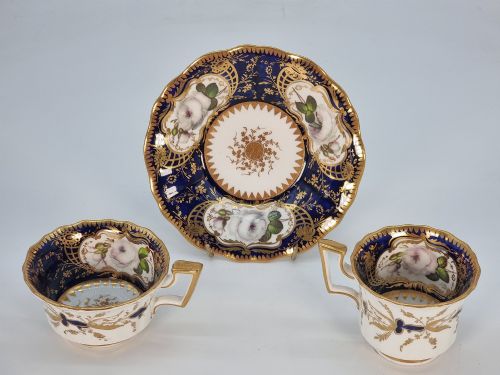
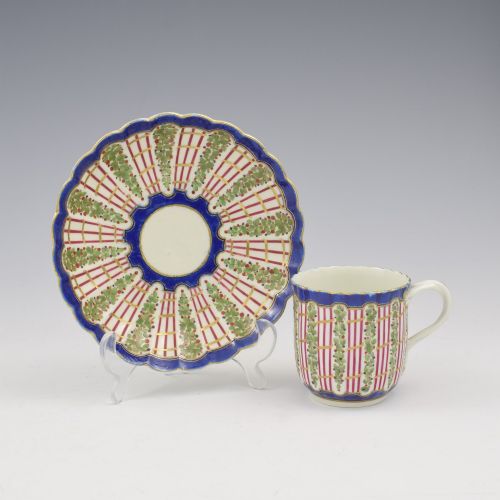
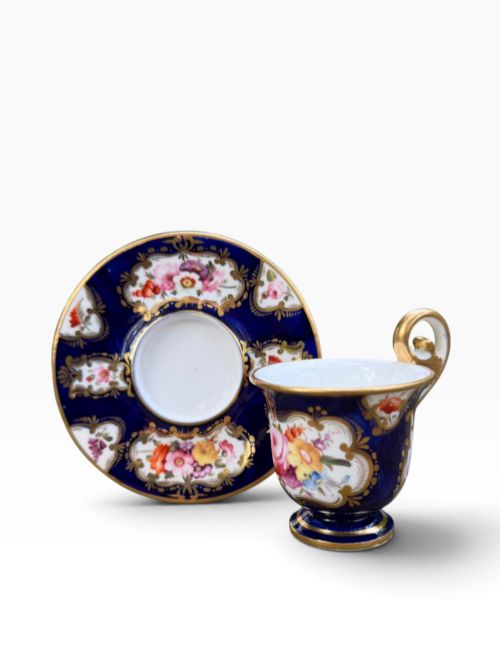
When you search for an antique china saucer, you enter a world of fine porcelain cups, trios, and decorative dishes crafted across the Georgian, Regency, and Victorian eras.
Antique China Saucer
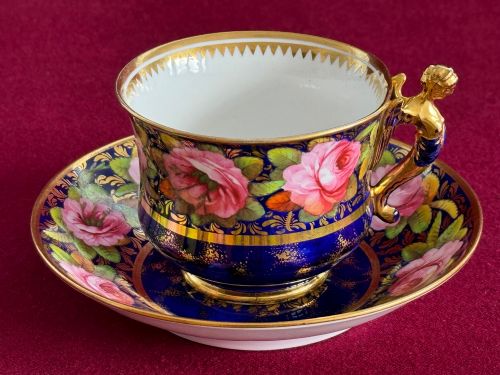
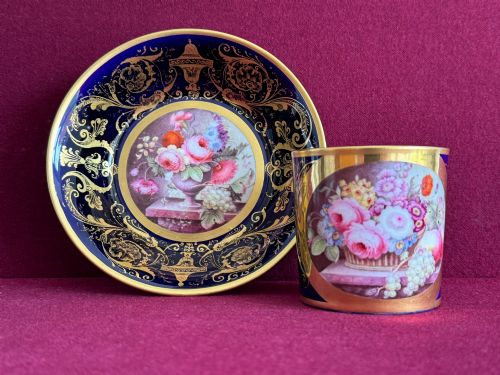
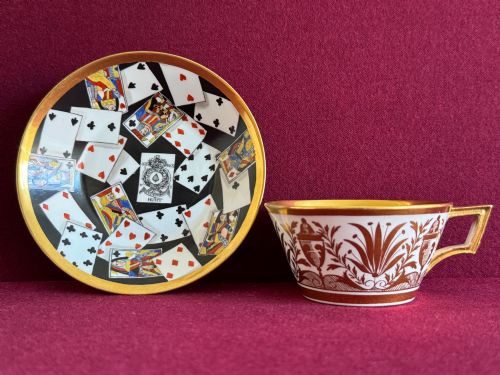
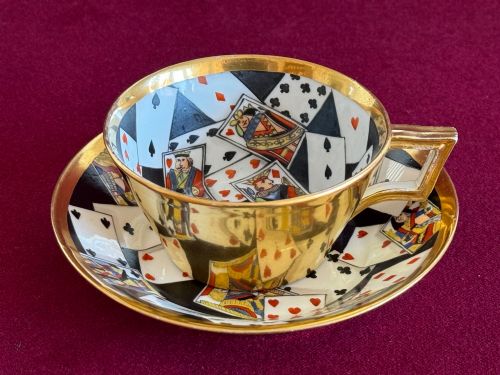
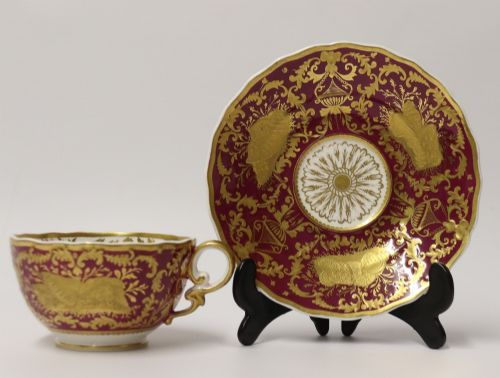
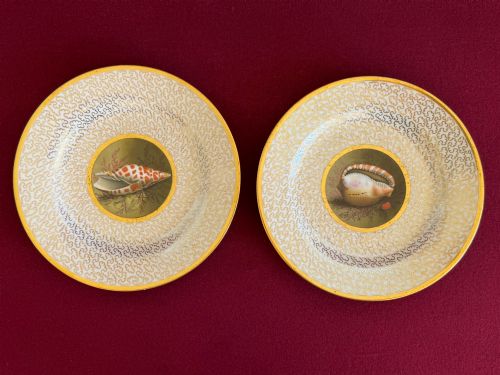
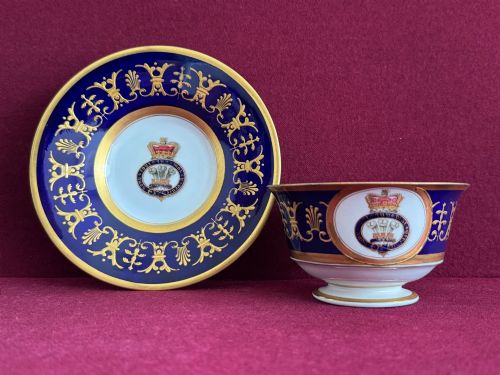
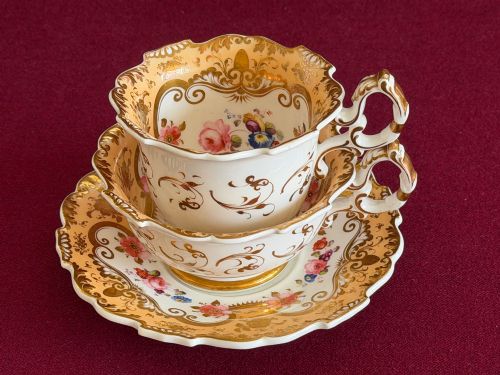
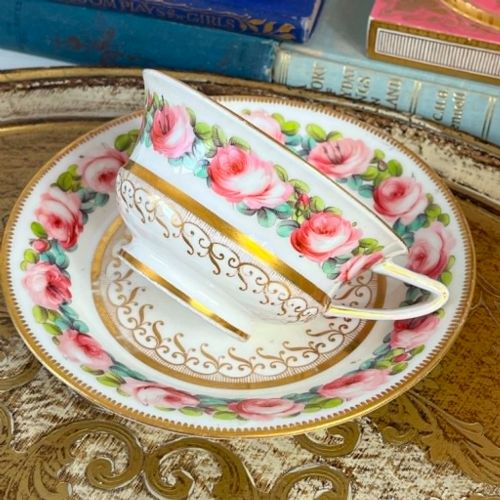
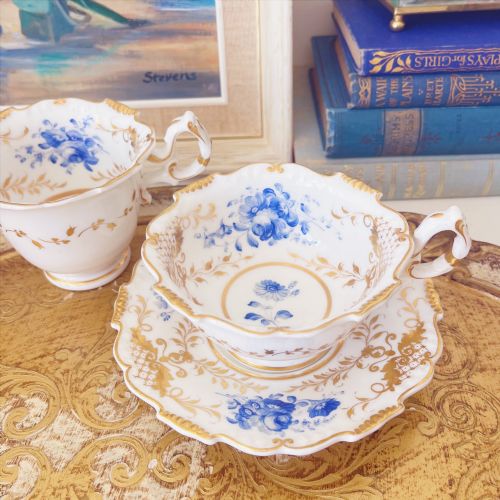
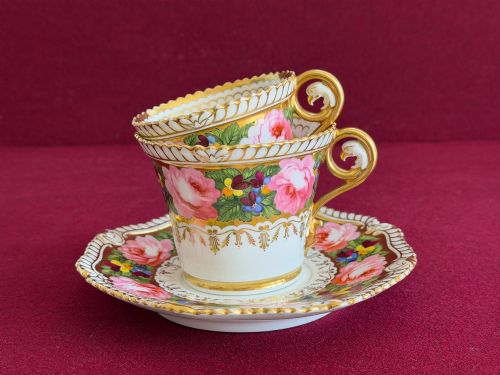
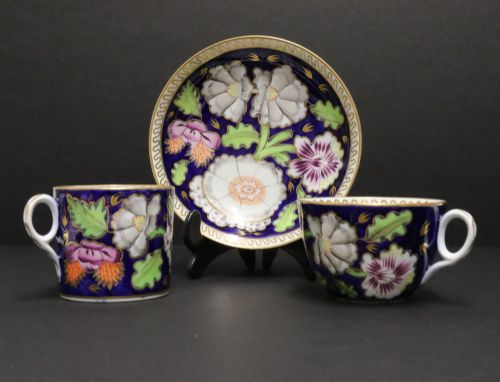
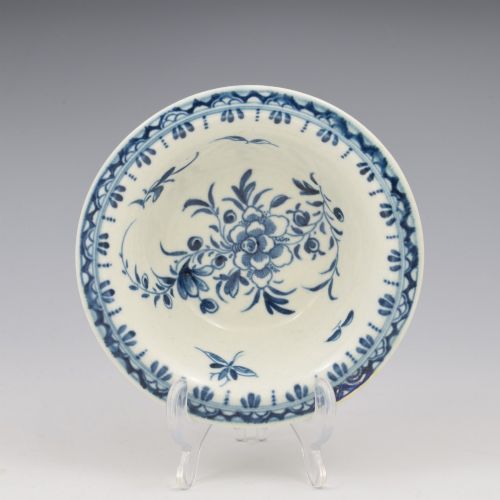
An antique china saucer sits as part of a tea service, coffee trio, or exists as a standalone cabinet piece from periods spanning the eighteenth century through to the early twentieth century. These items include delicate tea bowls, deep saucer-dishes, and pairs originating from English factories and Chinese export kilns.
You are most likely to meet English factory wares from the Georgian and Regency periods on this page, particularly pieces from Worcester, Coalport, and Spode. They appear alongside nineteenth-century cabinet trios and occasional continental or Asian porcelain dishes.
How they were made
Potters shaped these objects using porcelain, soft-paste porcelain, and bone china, often applying handpainted designs and enamels directly onto the ceramic body. Manufacturers like Worcester and Derby utilised intricate gilding, gold leaf, and cobalt blue underglaze to decorate their wares.
The firing and painting techniques required skilled artisans to execute fine motifs, such as turquoise guilloche borders, floral sprays, and landscape scenes. Artisans also employed transfer printing and hand-applied enamel to achieve the finished patterns recorded in the listings.
Antique China Saucer Retail Price Guide 2026
Typical asking prices for china saucer among the pieces listed under this phrase on Sellingantiques today, from the lower quarter to the upper quarter. They describe what is for sale here now, not the wider market.
Listings feature porcelain pieces spanning the Georgian, Regency, Victorian, and Edwardian periods, utilising bone china, soft-paste porcelain, and gold leaf.
What varies in quality
The standard of painting separates standard factory output from pieces decorated by known artists or produced for specific named services. Precision in hand-painted detail, the crispness of the porcelain body, and the richness of the gilding indicate higher tiers of production.
Provenance and factory marks also influence distinction within this category. Early periods, such as Dr Wall Worcester or specific Duesbury and Kean Derby pieces, demonstrate the refined potting techniques valued by collectors.
Spode·Barr Flight and Barr·Derby Porcelain·Minton·H and R Daniel·Chamberlain Worcester·New Hall·Coalport·Meissen·Royal Worcester
The Antique China Saucer Glossary
- Bone china
- A type of soft-paste porcelain containing bone ash, developed in England to increase durability and whiteness.
- Cabinet cup
- A decorative ceramic cup intended for display in a cabinet rather than for regular dining use.
- Coffee can
- A straight-sided cylindrical ceramic cup used for drinking coffee during the eighteenth and nineteenth centuries.
- Gilding
- The application of gold leaf or powdered gold onto the surface of porcelain for decorative effect.
- Soft-paste porcelain
- An artificial porcelain composition fired at lower temperatures than hard-paste, common in early English factories.
Antique China Saucer: Frequently Asked Questions
How do I use an antique saucer?
These saucers function primarily as decorative cabinet items or as part of a restored tea service.
Many collectors display them on stands or use them alongside matched cups for special afternoon tea occasions.
Are these saucers safe for food?
Most buyers treat these eighteenth and nineteenth-century pieces as decorative objects rather than utility tableware.
Age, delicate enamels, and historical glazes mean gentle hand washing is necessary if used at all.
How can I tell the period?
Period identification relies on factory marks, paste composition, and the distinct painting styles of makers like Worcester or Spode.
Georgian and Regency items often feature hand-painted floral motifs, while later Victorian wares show different porcelain weights.
What is a tea trio?
A tea trio consists of a matching teacup, saucer, and a small dessert or bread plate.
This combination became popular in nineteenth-century English service sets for formal afternoon tea.