

Antique China Cup
When you search for an antique china cup, you step into a world of cabinet cups, trios, and morning services shaped by Georgian and Victorian hands.
Antique China Cup
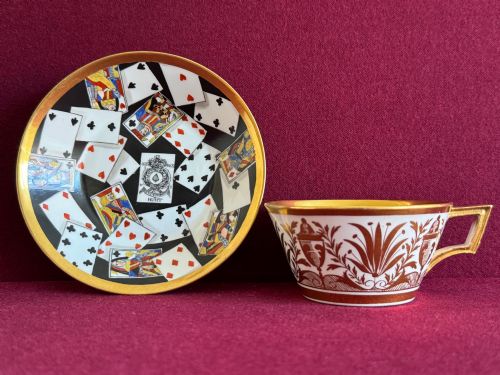
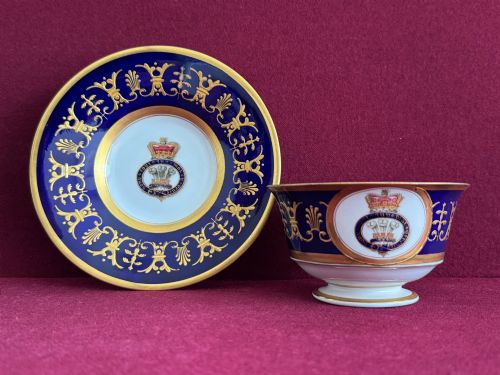
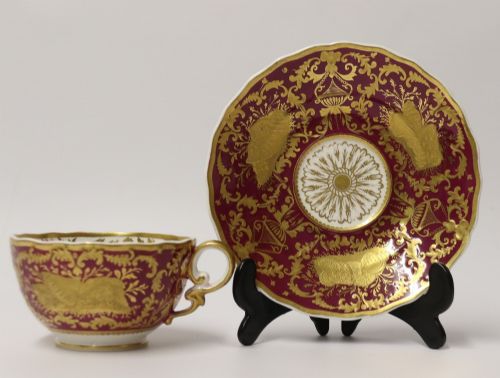
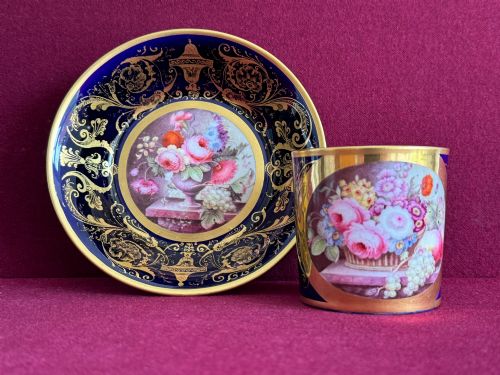
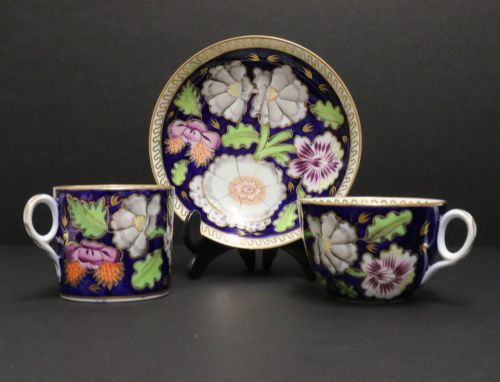
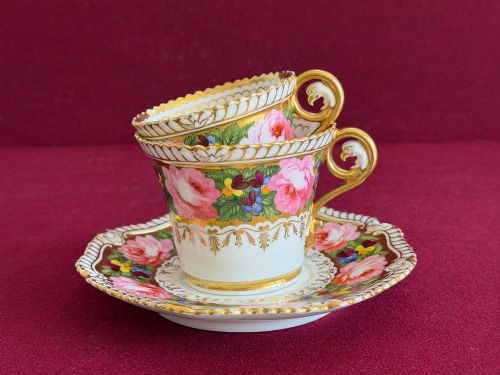
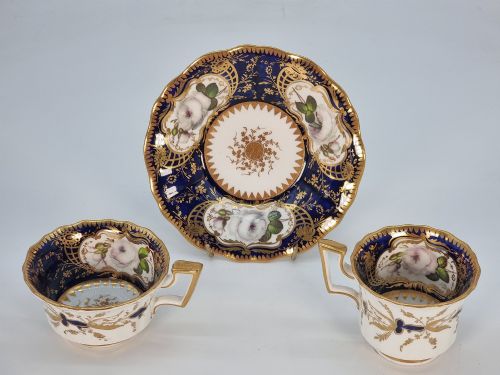
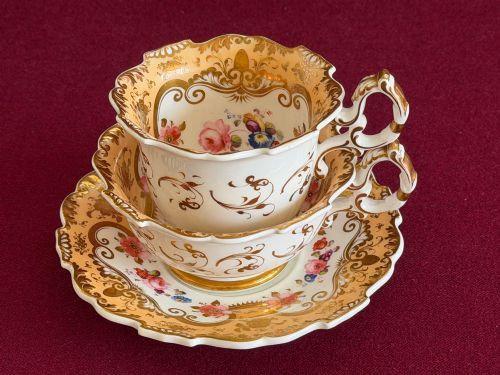
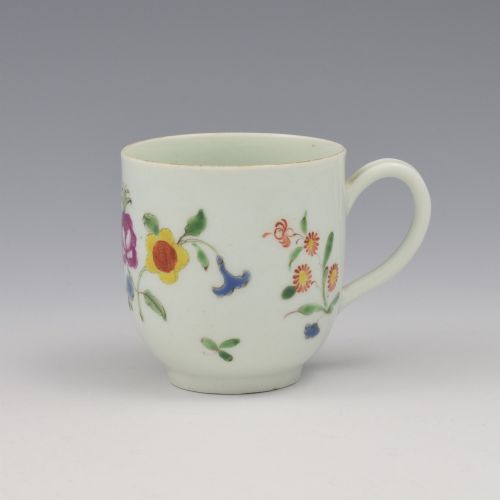
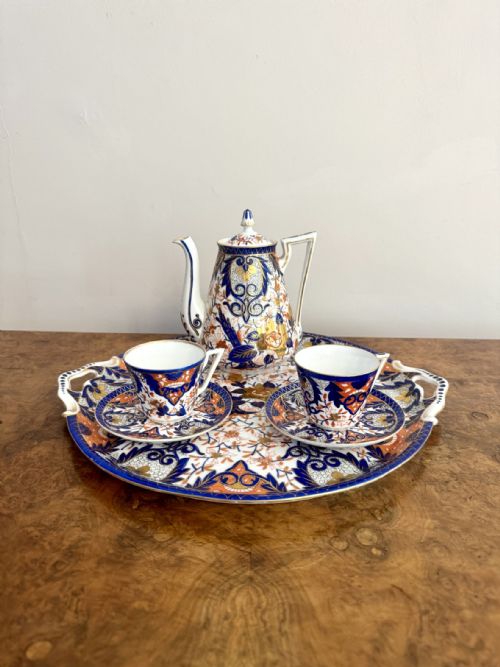
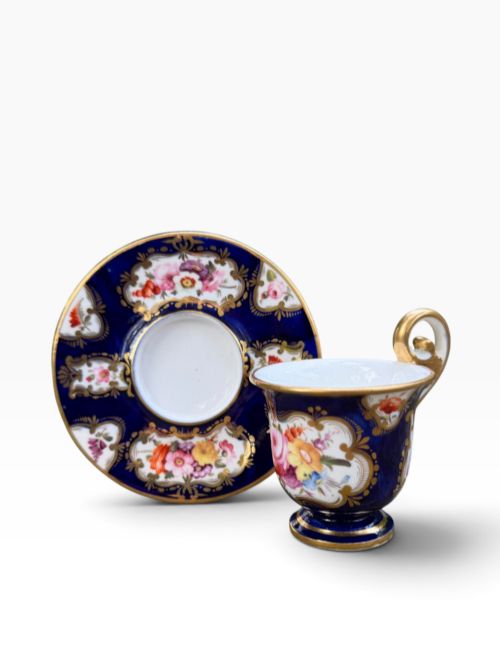
An antique china cup spans tea and coffee vessels, chocolate cups, and cabinet pieces produced across the eighteenth, nineteenth, and early twentieth centuries. These forms range from simple breakfast bowls and coffee cans to elaborate trios complete with saucers and side plates.
You meet pieces originating from English potteries like Worcester, Derby, Spode, and Coalport, alongside continental works from Berlin. The designs scale from domestic tea wares to ornate topographical cabinet cups intended for display rather than daily dining.
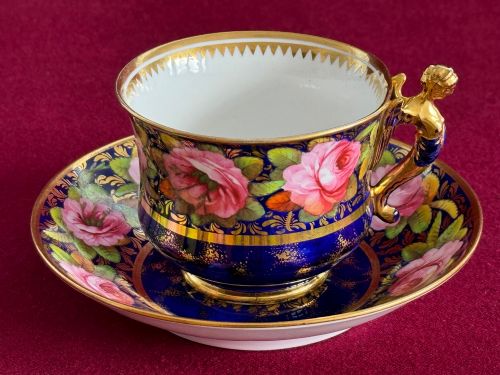
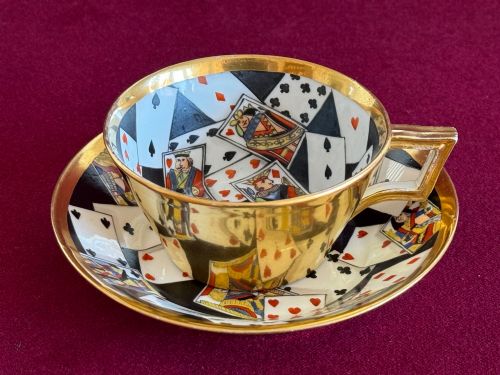
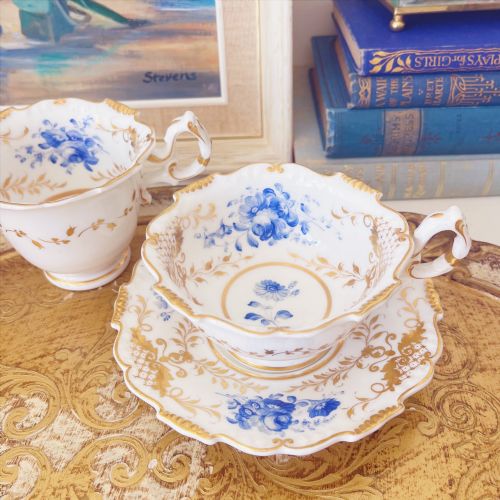
The materials encompass hard and soft-paste porcelain, bone china, and ironstone, often enriched with gilding, gold leaf, and enamel painting. Makers utilised varied shapes, from fluted bodies to image handles and distinct Shrewsbury profiles.
Materials and production methods
Potters shaped these vessels using porcelain, bone china, and soft-paste porcelain pastes, which required careful firing in kilns to achieve vitrification. Artisans applied glazes and hand-painted motifs, incorporating enamels and gilding that fused with the ceramic body during subsequent firings.
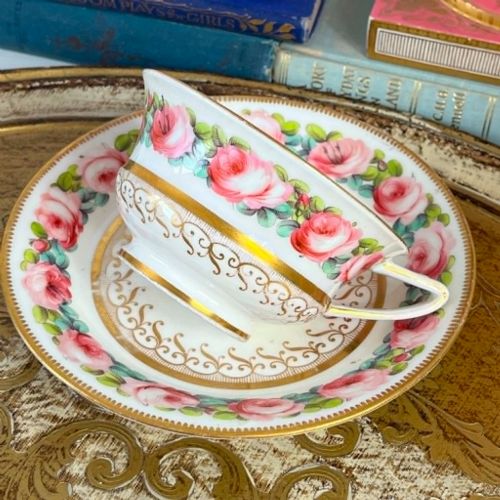
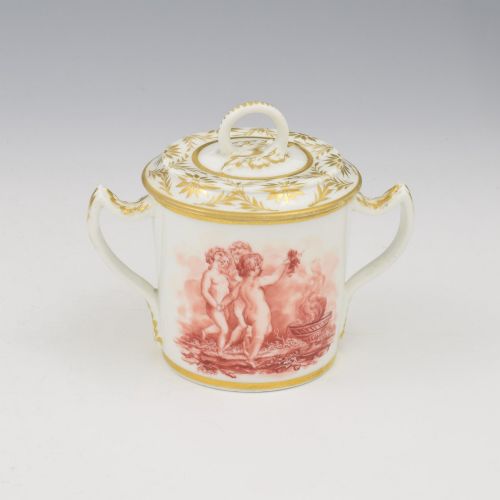
Decoration relied on skilled hand-painting, featuring sepia putti, landscapes, birds, and floral studies by named decorators such as Thomas Steel. Gilding and gold leaf highlights were applied meticulously to rims, handles, and borders to accentuate the contours of each piece.
Antique China Cup Retail Price Guide 2026
Typical asking prices for china cup among the pieces listed under this phrase on Sellingantiques today, from the lower quarter to the upper quarter. They describe what is for sale here now, not the wider market.
Makers occasionally added playful image handles shaped like human figures or animals to hold your morning brew.
Assessing quality in ceramic vessels
Quality rests upon the crispness of the porcelain body, the translucency of the paste, and the precision of the potter's wheel or mould. Early soft-paste pieces display different weight and light refraction compared to later bone china or ironstone bodies.
The execution of the painted decoration elevates certain pieces, separating standard transfer-printed wares from meticulous hand-painted topographical views, botanical studies, and intricate gilded patterns. The involvement of known factories and documented decorators adds distinction to the surviving forms.
Spode·Barr & Barr·Derby Porcelain·H & R Daniel·Chamberlain Worcester·Coalport·KPM Berlin·Flight Barr & Barr
The Antique China Cup Glossary
- Cabinet cup
- A decorative cup intended for display in a cabinet rather than functional use at the tea table.
- Coffee can
- A straight-sided cylindrical cup designed specifically for drinking coffee, often found without a handle in early periods.
- Trio
- A matching set comprising a teacup, a coffee cup or saucer, and a matching plate for cake or bread.
- Soft-paste porcelain
- An artificial porcelain compound fired at lower temperatures than hard paste, popular in eighteenth-century English factories.
- Gilding
- The application of gold leaf or gold paint to ceramic surfaces to create ornamental borders and highlights.
Antique China Cup: Frequently Asked Questions
What is a cabinet cup?
A cabinet cup is an ornamental vessel produced primarily for visual display within a glass-fronted cabinet rather than practical dining use. These pieces often feature elaborate topographical views or hand-painted scenes.
They showcase the highest artistic ambitions of factories such as Berlin, Worcester, and Spode during the Georgian and Victorian eras.
What is a tea trio?
A tea trio consists of three matching ceramic components designed for a formal tea service. This typically includes a teacup, a saucer, and a matching side plate.
Such sets became popular in nineteenth-century English households for hosting afternoon tea.
How do I identify porcelain periods?
Differentiating ceramic periods involves examining paste composition, glaze characteristics, factory marks, and decorative styles. Eighteenth-century pieces often utilise soft-paste porcelain with hand-painted underglaze blue or polychrome enamels.
Nineteenth-century items frequently employ refined bone china bodies, distinct shape names, and extensive gilding or topographical painting.