





Antique China Creamer
An antique china creamer brings centuries of porcelain artistry and practical charm directly to the morning table.
Antique China Creamer
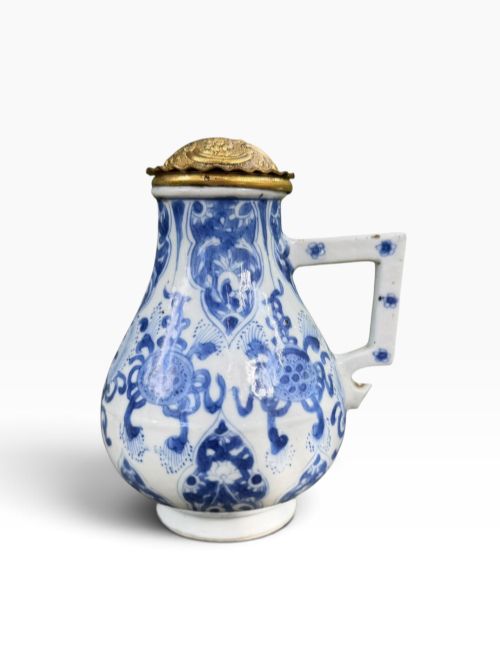
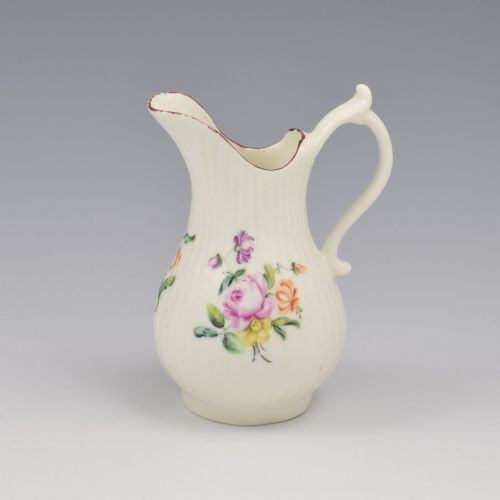
When searching for an antique china creamer, buyers encounter small ceramic vessels designed for pouring cream at tea or breakfast, appearing in forms ranging from delicate porcelain jugs to sturdy ironstone pitchers. These items cross multiple eras, with examples spanning from eighteenth-century soft-paste porcelain to nineteenth-century earthenware and twentieth-century bone china.
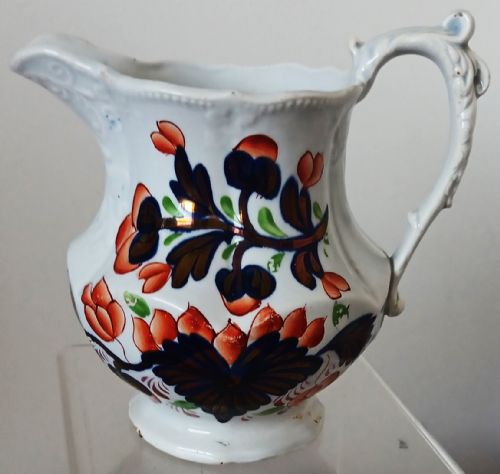
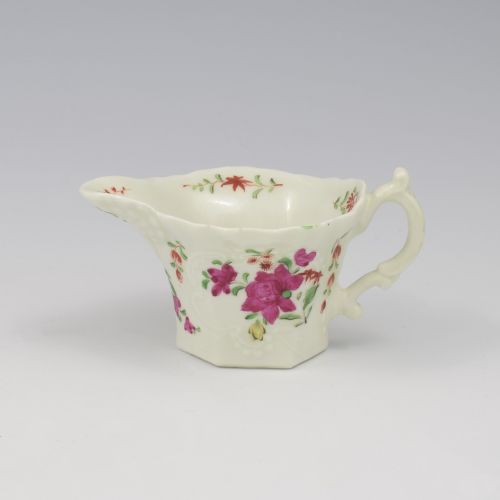
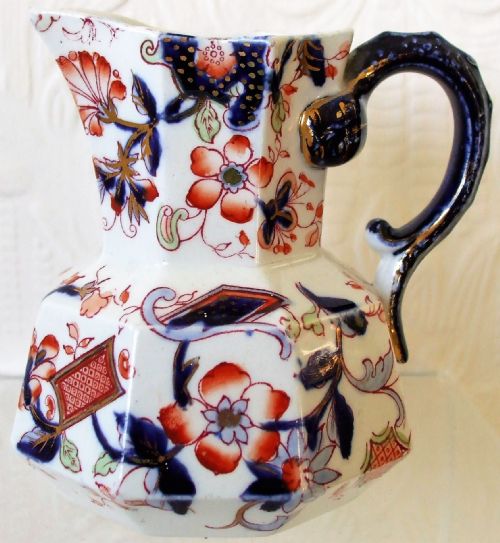
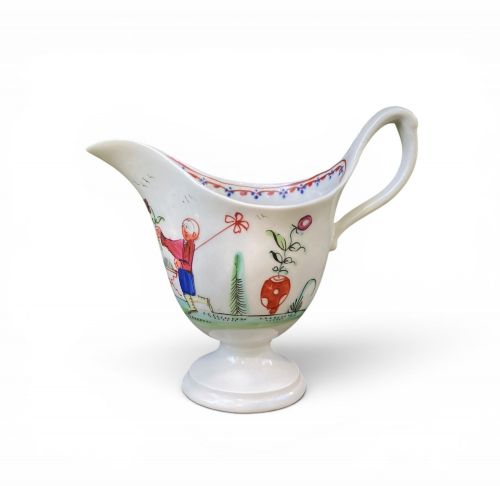
The pieces listed here showcase diverse historical styles, including Georgian sauce boats, Victorian revival patterns, and Chinese export porcelain created for Western markets. Traditional English shapes predominate alongside specialised forms like the hydra jug and fluted baluster designs.
Collectors find variety in both standalone creamers and matching components from larger tea sets featuring painted floral motifs, armorial crests, and gilded accents. Each piece reflects the aesthetic priorities of its specific period of origin, from Rococo curves to later classical revivals.
Materials and production methods
Makers utilised porcelain, soft-paste porcelain, and ironstone china as the primary ceramic bodies for these creamers, shaping them by hand or mould before firing. Ironstone offered a heavier, more durable alternative to refined porcelain, while soft-paste body compositions yielded distinctive translucency in eighteenth-century examples.
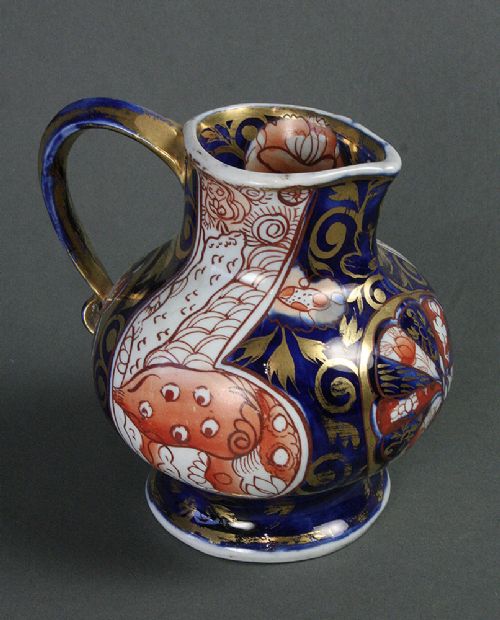
Decoration relied heavily on hand-painted enamels, underglaze printing, and applied gold leaf or gilding to highlight moulded details such as rope edges and fluting. Factories employed skilled artists to execute intricate patterns like Chinese export famille rose designs, Kakiemon tiger motifs, and botanical panels.
Antique China Creamer Retail Price Guide 2026
Typical asking prices for china creamer among the pieces listed under this phrase on Sellingantiques today, from the lower quarter to the upper quarter. They describe what is for sale here now, not the wider market.
Several jugs masquerade as mythical water serpents via their hydra handles, ensuring your morning dairy pours with ancient attitude.
Quality factors in ceramic creamers
The execution of the painted decoration marks a clear division between standard utility wares and high-end artistic production. Hand-painted botanical panels, detailed armorial work, and carefully applied gold leaf or gilding signify superior craftsmanship by skilled ceramic painters.
New Hall porcelain·Keeling and Co·Royal Davenport·Royal Worcester·Masons Patent Ironstone·Rockingham Porcelain·Minton
The Antique China Creamer Glossary
- Soft-Paste Porcelain
- An early ceramic composition fired at lower temperatures than true hard-paste porcelain, often showing a slightly warmer glaze tone and characteristic translucency when held to the light. Eighteenth-century factories frequently utilised this body.
- Ironstone
- A dense, durable type of earthenware patented in the nineteenth century to provide a strong alternative to porcelain while accepting enamel colours and gilding readily. Mason's production represents this material well.
- Hydra Jug
- A specific pitcher form featuring a flared rim, a distinctive serpentine handle, and moulded serpent or beast details inspired by ancient Greek pottery shapes. These appeared in both porcelain and ironstone.
- Famille Rose
- A palette of opaque enamel colours dominated by pink or rose shades, introduced in Chinese export porcelain during the eighteenth century and widely imitated in Europe. Pieces featuring this palette often display intricate floral or armorial subjects.
- Gilding
- The application of gold leaf or powdered gold to ceramic surfaces, used to accent rims, handles, and painted panels. Higher quality examples retain bright, burnished gold details.
Antique China Creamer: Frequently Asked Questions
How do I date an antique creamer?
Dating relies on identifying the ceramic body, glaze characteristics, and any factory marks stamped or painted on the base. Stylistic clues such as Rococo moulding or nineteenth-century transfer printing also help narrow the period.
Comparing the potting technique and enamel palette to documented pieces from makers like Worcester or New Hall provides a reliable timeframe for manufacture.
What is the difference between porcelain and ironstone?
True porcelain is vitrified, highly refined, and often translucent, whereas ironstone is a heavy, opaque earthenware designed for exceptional durability. Ironstone pitchers feel thicker and offer greater resistance to daily wear.
While both materials accommodate colourful enamel decoration and gilding, their weight and light transmission set them apart immediately.
Can I use an antique creamer for daily service?
Many collectors prefer to display these pieces rather than use them, particularly delicate eighteenth-century soft-paste porcelain or items with extensive gilding. Modern dishwashers and microwaves will damage the fragile glazes and metallic decoration.
Sturdier nineteenth-century ironstone jugs tolerate gentle hand washing if used occasionally for serving milk or cream at the table.
What does Dr Wall Worcester mean?
This term refers to the earliest period of porcelain production at the Worcester factory, founded by Dr John Worcester in the mid-eighteenth century. Pieces from this era are prized for their fine soft-paste bodies and delicate painted designs.
Sauce boats and cream jugs from this timeframe often feature moulded rocajoile or hexagonal forms inspired by imported Asian porcelain.
Why are some creamers called sauce boats?
Georgian ceramic production often utilised similar vessel shapes for both table cream and savory table sauces. These pieces feature elongated spouts and convenient handles suited for pouring liquids.
Collectors categorise them by their intended historical function and specific decorative motifs rather than strict functional boundaries.