

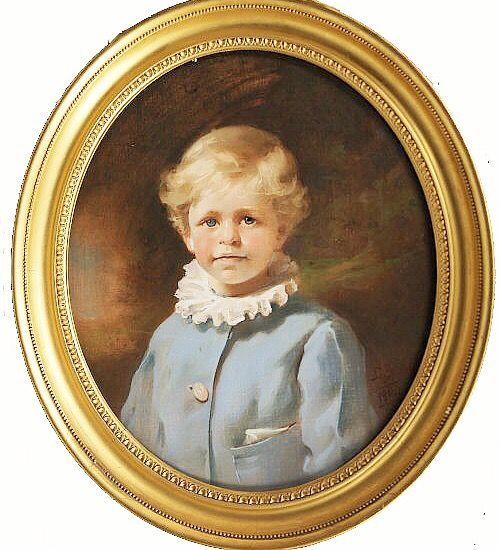
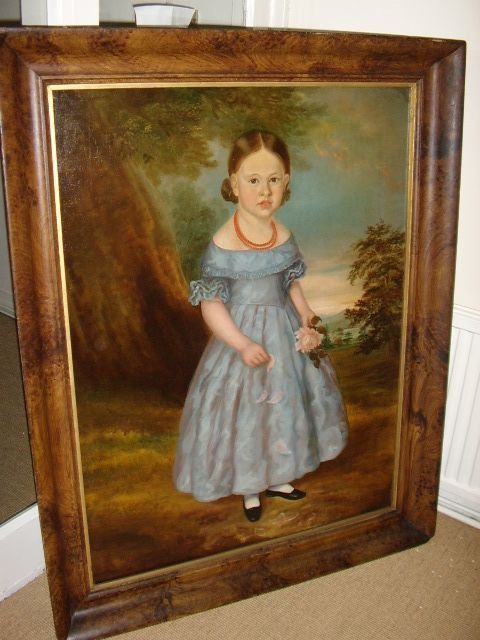
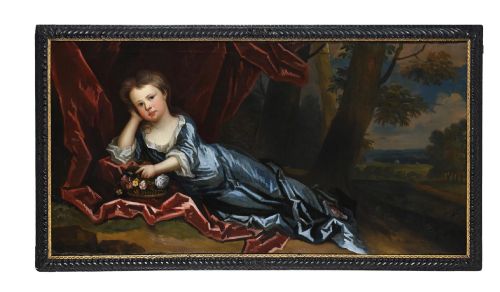
Antique Child Portrait Art
Antique child portrait art captures youth through centuries of painting, drawing, and printmaking, offering buyers intimate historical likenesses for their walls.
Antique Child Portrait Art
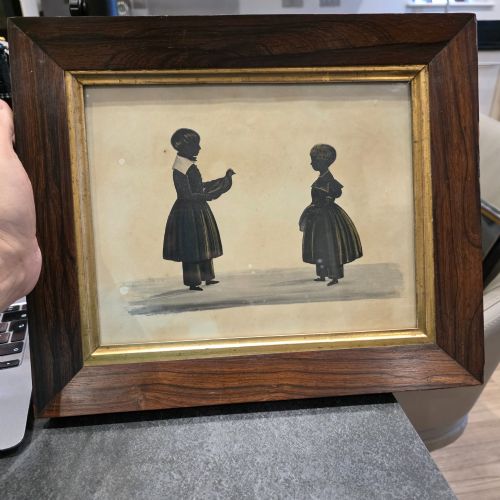
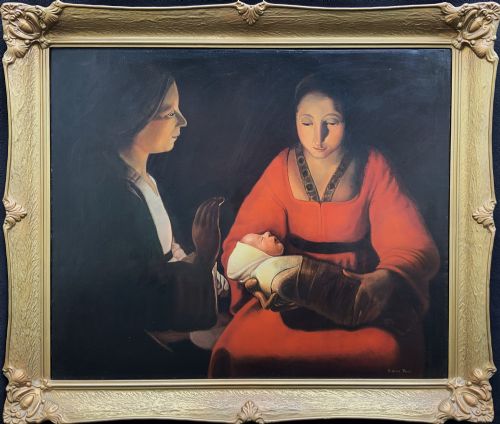
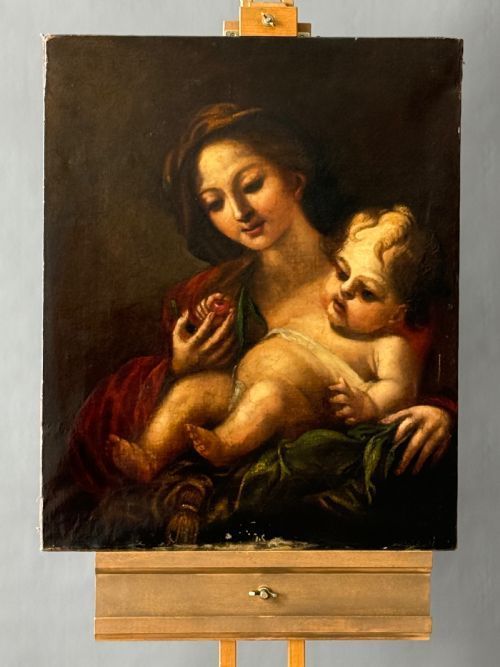
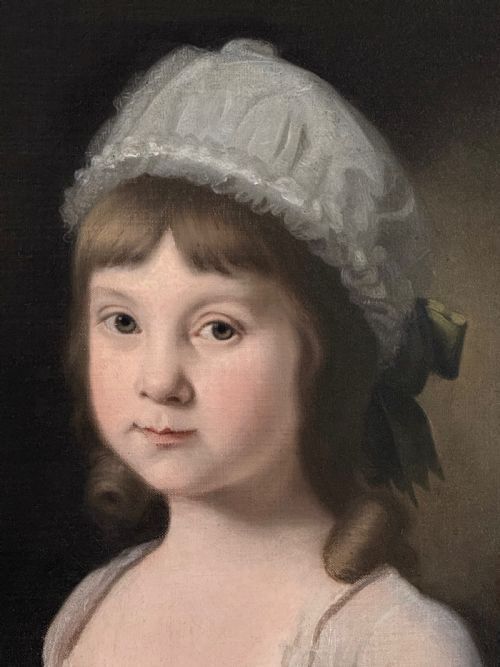
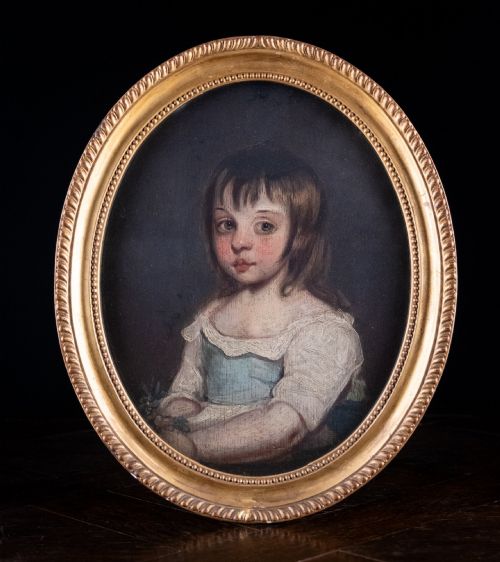
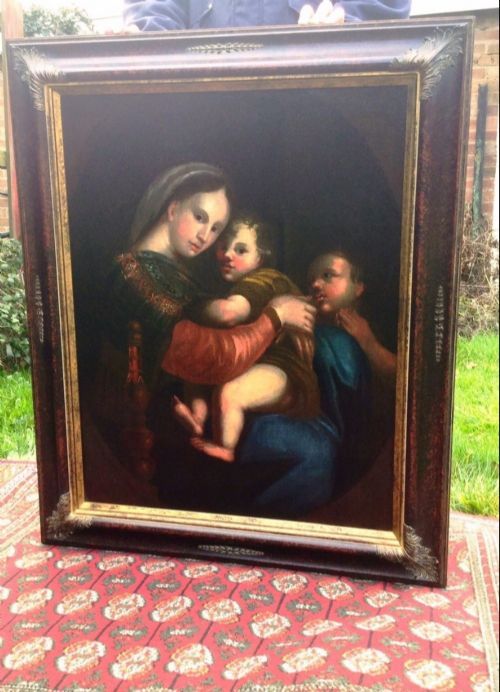
Antique child portrait art encompasses oil paintings, pastels, watercolours, engravings, and silhouettes created across the sixteenth to twentieth centuries. These works range from formal aristocratic commissions and religious depictions of the Madonna and child to informal studies of young boys and girls.
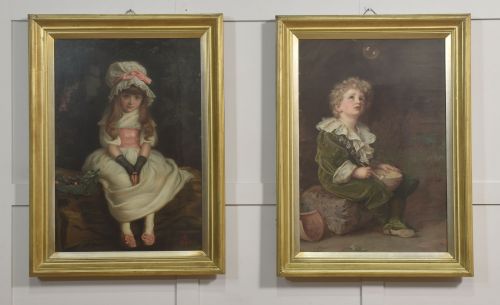
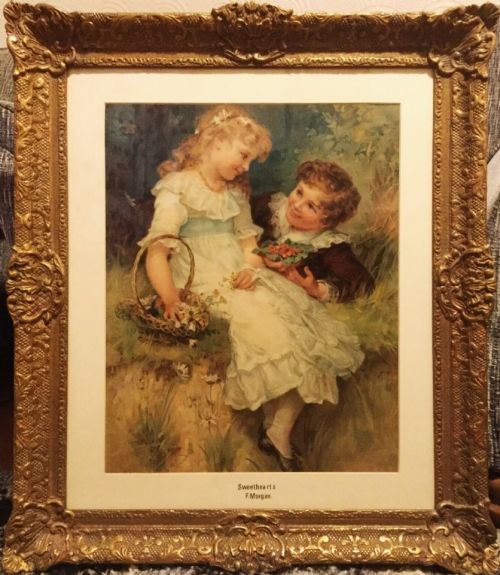
The pieces appearing on this page draw heavily from Georgian, Victorian, Regency, and Edwardian traditions, alongside Italian Baroque and Renaissance Revival examples. Buyers frequently encounter framed prints, advertising lithographs, and original canvas works depicting subjects in domestic settings or engaging in play.
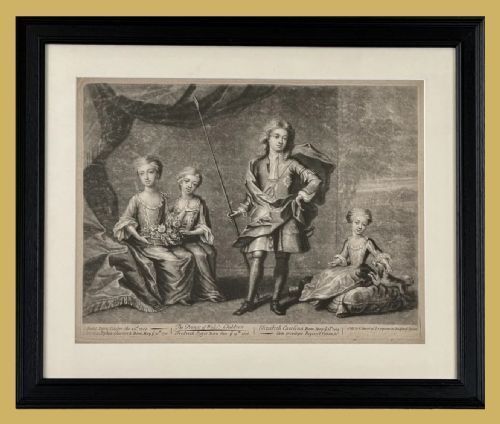
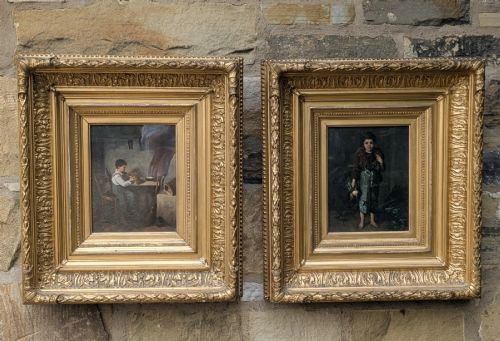
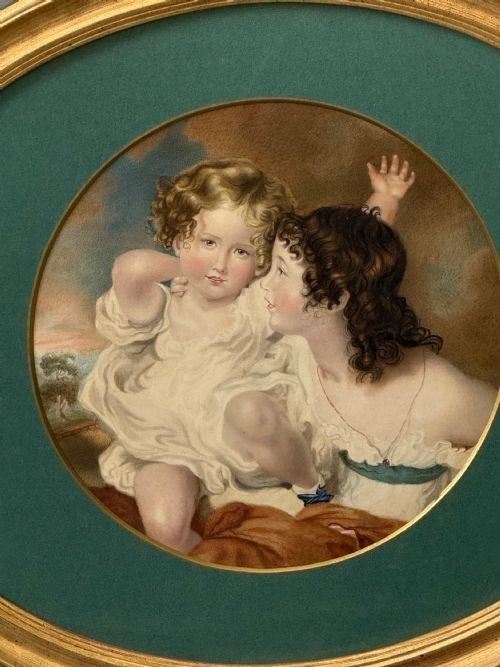
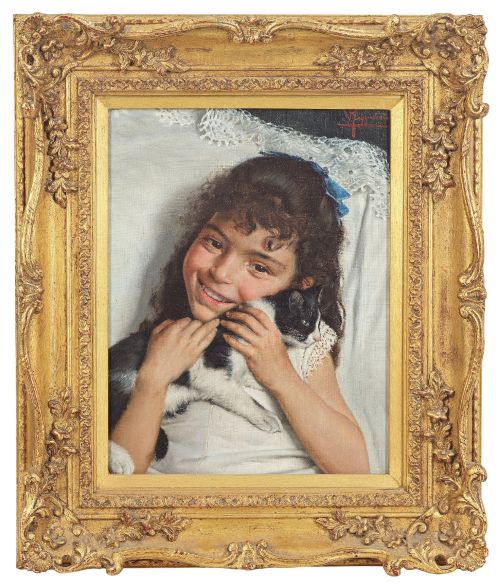
Subjects include individual studies like young girls with cats or boys carrying fruit baskets, as well as pairs of engravings and larger family groupings. Each piece preserves historical clothing, hairstyles, and societal attitudes toward children across different eras.
Measures of Quality
Quality rests in the anatomical accuracy of the subject, the expressive rendering of the face, and the skill with which clothing and background elements are handled. Master painters and listed artists achieve depth in skin tones and natural vitality in pose, whereas simpler works lean towards folk art stiffness.
The preservation of the primary medium, whether oil pigment, delicate pastel powder, or paper engraving, dictates the visual strength of the piece. Original framing in period giltwood or rosewood further elevates the integrity of the artwork.
The selection includes formal oil paintings, delicate watercolours, graphite drawings, mezzotints, and Pears soap advertising prints.
Joshua Reynolds·Emily Eyres·Frederick Morgans·Vittorio Reggianini·Charles D'Agar·Allan Ramsay·Augustin Edouart·Adam Buck·Thomas Beach·Henry Windsor Fry·James Ward·John Hoppner·Frederick Tatham·J.A. Grant
The Antique Child Portrait Art Glossary
- Mezzotint
- A printmaking process of the intaglio family where the plate is roughened to produce tones of grey and black. This technique allows for subtle gradations in shadow suited to portraiture.
- Pastel
- A dry painting medium consisting of powdered pigment and a binder. Artists utilise it on paper or canvas for soft textures and vibrant colour blending.
- Silhouette
- A portrait cut from black paper or painted on a solid background, depicting a profile view. These gained popularity for affordable likenesses before photography.
- Giltwood
- Wood carved and coated with gold leaf or gold paint. It provides ornate framing for formal oil paintings.
- Provenance
- The documented history of ownership of an artwork. It establishes authenticity and traces the piece back through previous collections.
Antique Child Portrait Art: Frequently Asked Questions
How do I date an antique portrait?
Dating relies heavily on the clothing, hairstyles, and accessories worn by the child subject, which changed distinctly across decades. Examining the backing materials, canvas type, and framing style also helps narrow the period.
Signatures, inscriptions, and artist attribution provide further clues, though many earlier works remain anonymous studio pieces.
Where should I hang these portraits?
These artworks suit traditional living spaces, studies, or hallways where lighting can be controlled to protect delicate media. Grouping smaller silhouettes or engravings together creates a strong visual focal point on a wall.
Direct sunlight should be avoided to prevent fading, particularly for works executed in pastel or watercolour on paper.
Are pastels fragile to own?
Pastels consist of loose pigment applied to paper and require secure framing behind glass to prevent disturbance. They should remain sealed and kept away from excess moisture or vibration.
When properly glazed and hung in stable environmental conditions, pastel portraits endure securely for generations.
What is Victorian folk art portraiture?
Victorian folk art portraiture encompasses simpler, less academic depictions created outside high artistic circles. These pieces often feature charming stiffness and direct gazes rather than strict classical proportions.
Collectors value them for their unpretentious character and direct insight into nineteenth-century domestic life.