

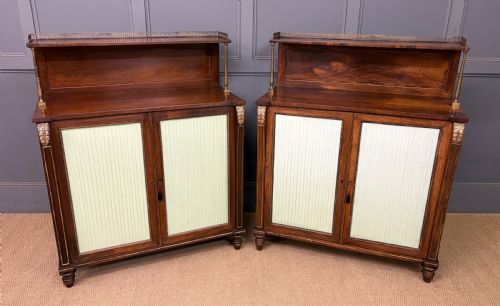
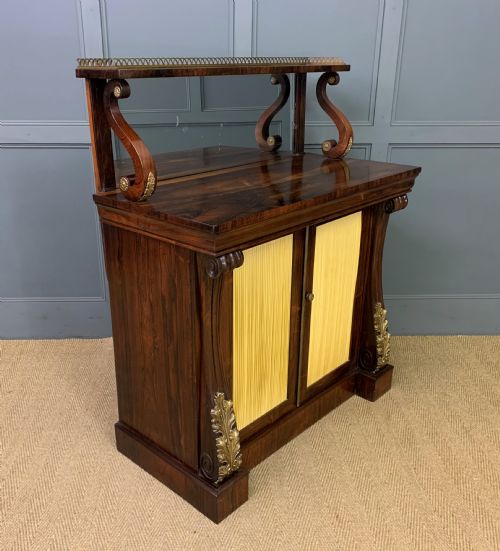


Antique Chiffonier with Gallery
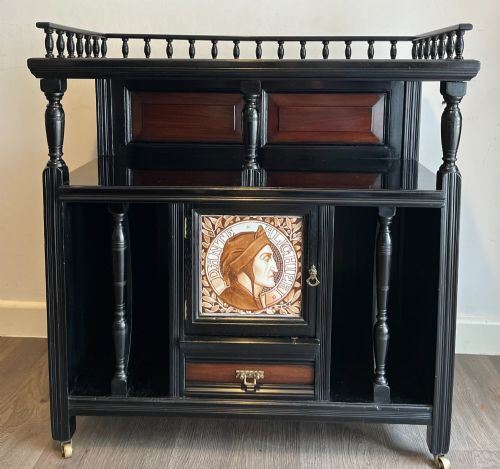
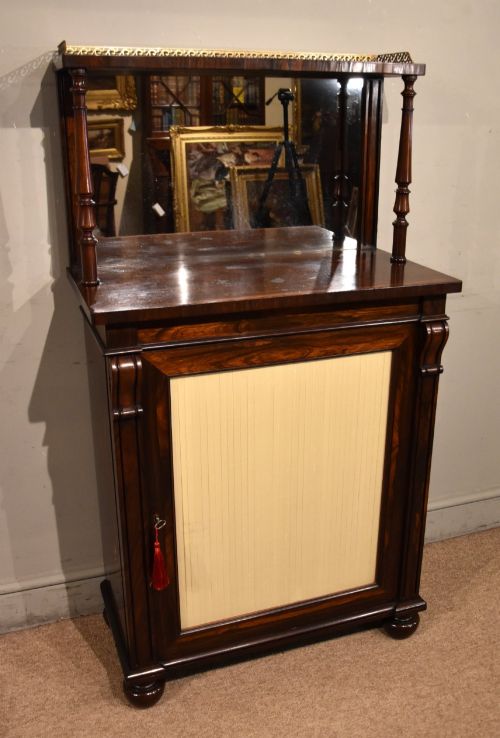
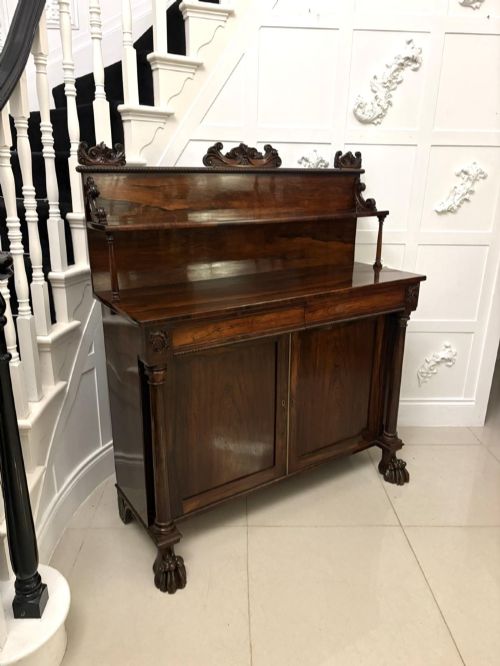
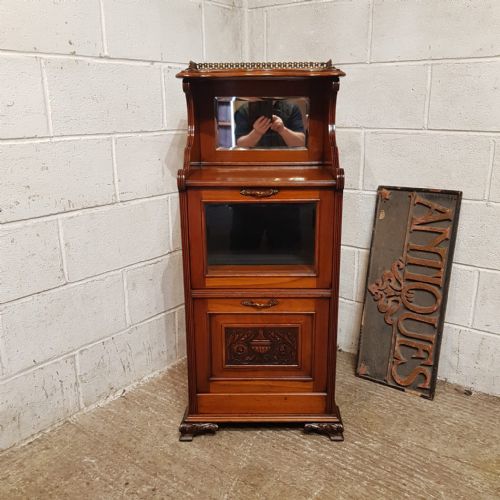
An antique chiffonier with gallery brings low-slung, tiered storage into a room, offering both a display surface and enclosed shelving.
Antique Chiffonier with Gallery
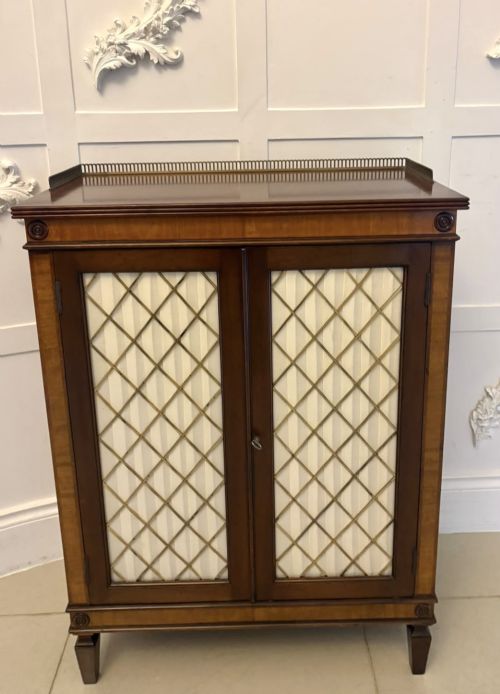
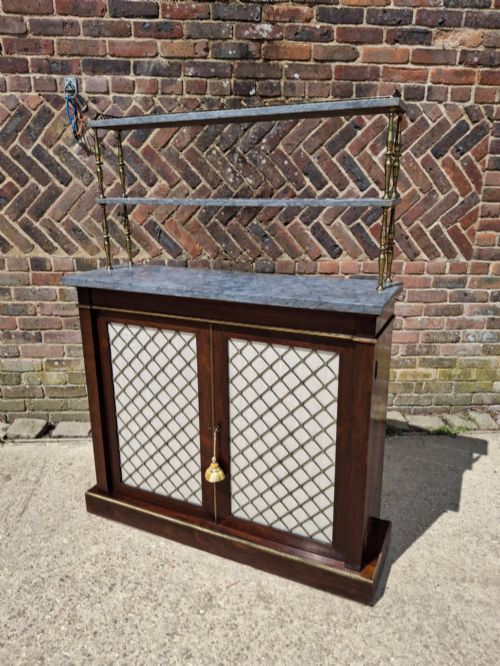
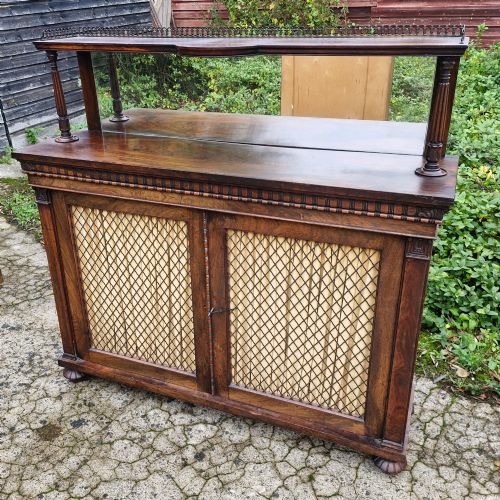
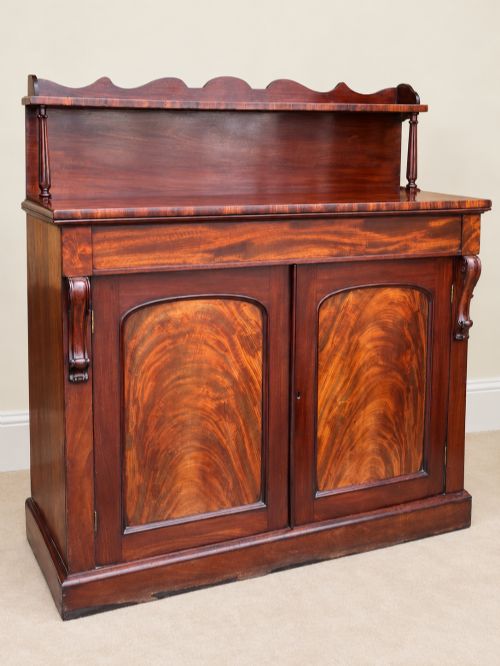
An antique chiffonier with gallery combines a low sideboard base with a raised superstructure of shelves, designed for elegant storage and display in reception rooms. These pieces originate from periods such as the Regency, George IV, and Victorian eras, spanning the nineteenth century.
The form typically presents enclosed cupboards below with a tiered or shelved back above, sometimes incorporating brass fittings or mirror glass. On this page, buyers most frequently encounter mahogany and rosewood examples reflecting Regency and Victorian cabinet-making traditions.
How they were made
Cabinet-makers constructed these pieces primarily from solid hardwoods and veneers, utilising mahogany, rosewood, and pine for the carcase and shelves. Timber selection dictated the visual richness of the surface, particularly when figured veneers were laid across the front doors.
Structural embellishments relied on brass details and mirror glass inserted into the gallery backs, alongside turned supports and drawers. Joinery methods of the nineteenth century ensured sturdy construction for both the heavy base cabinets and the lighter tiered superstructures.
Antique Chiffonier with Gallery Retail Price Guide 2026
Typical asking prices for chiffonier with gallery among the pieces listed under this phrase on Sellingantiques today, from the lower quarter to the upper quarter. They describe what is for sale here now, not the wider market.
Some models hide a sliding writing drawer behind the frieze, proving that nineteenth-century cabinet-makers loved secret compartments as much as we do.
What varies in quality
The refinement of the timber and the subtlety of the figuring set superior examples apart from standard utility pieces. Finer cabinets display carefully selected mahogany or rosewood veneers that align harmoniously across the doors and drawers.
Proportion and the execution of the gallery back define the overall elegance of the design. Pieces featuring integrated writing drawers, delicate brass turnings, and well-proportioned shelf tiers demonstrate a higher level of workshop design.
The Antique Chiffonier with Gallery Glossary
- Chiffonier
- A low sideboard or cabinet developed in the early nineteenth century, featuring enclosed shelving beneath a flat top. It serves as a practical room divider or wall piece.
- Gallery
- A raised superstructure of shelves and uprights mounted on the back of a cabinet. It provides open display space for books or decorative objects.
- Veneer
- A thin layer of figured timber applied over a secondary wood base to create a decorative surface. This technique maximises the use of expensive grain patterns.
- Breakfront
- A piece of furniture where the central section projects forward from the flanking wings. This architectural arrangement creates depth and visual interest on the facade.
- Figured mahogany
- Mahogany timber exhibiting pronounced, decorative grain patterns such as flame or curl. Cabinet-makers reserved these boards for prominent exterior surfaces.
Antique Chiffonier with Gallery: Frequently Asked Questions
What is a chiffonier used for?
A chiffonier served as a versatile piece for storing tableware, linens, or books in dining and drawing rooms. The lower cupboards kept items hidden while the upper shelves displayed ceramics or small ornaments.
Over time, the form adapted to changing domestic needs, occasionally incorporating specialised writing drawers for correspondence.
How do you date an antique chiffonier?
Dating relies on examining the timber species, construction methods, and stylistic details characteristic of specific decades. Regency and George IV pieces often feature rosewood or rich mahogany with delicate brass galleries, whereas Victorian examples tend to be heavier in proportion.
Secondary woods like pine found inside the drawers also offer clues to the period and regional workshop origin.
What is the difference between a chiffonier and a sideboard?
A sideboard is typically a longer dining room piece designed primarily for serving food and storing large platters. A chiffonier is more compact and usually includes an integrated shelf back or gallery for display.
While both share nineteenth-century roots, the chiffonier functions better as a general living room or parlour cabinet.
How do I fit a chiffonier into a modern room?
These cabinets work well against living room or hallway walls where their shallow depth preserves floor space. The upper gallery provides an ideal spot to display framed photographs or small collections without cluttering the room.
Their dark woods add warmth and contrast when placed against neutral contemporary walls.