



Antique Cherub Tray
An antique cherub tray brings sculptural bronze, silver and ormolu into domestic spaces through nineteenth-century and Edwardian serving and dressing table pieces.
Antique Cherub Tray
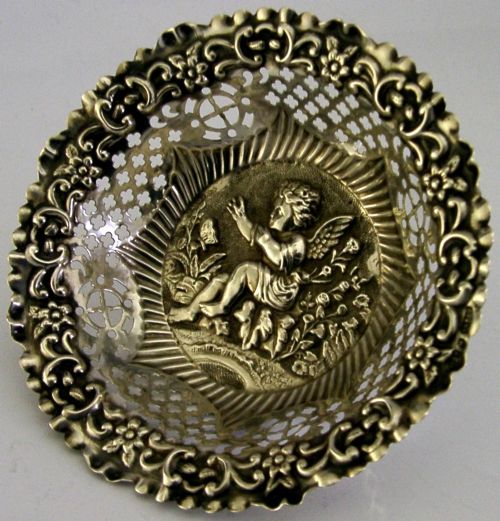
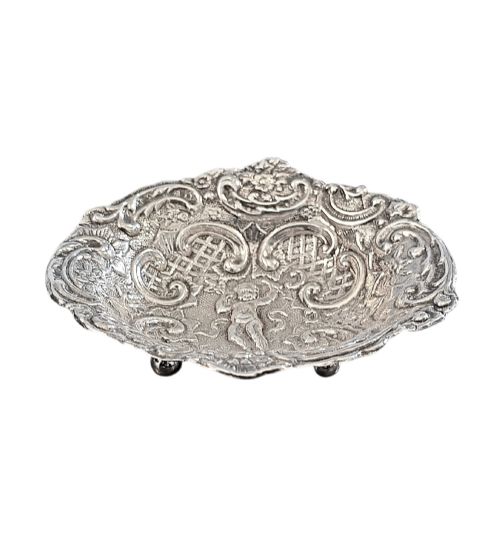
An antique cherub tray encompasses small trinket dishes, dressing table trays and larger sterling silver serving pieces adorned with classical putti or angelic motifs. These items emerge primarily from Victorian and Edwardian workshops, spanning the nineteenth century up to the early nineteen-hundreds.
The objects take diverse forms beyond flat serving surfaces, including pin trays, bonbon dishes and heart-shaped receptacles in brass, silver and ormolu. Buyers searching for an antique cherub tray frequently encounter detailed repoussé work depicting winged figures derived from classical painting traditions.
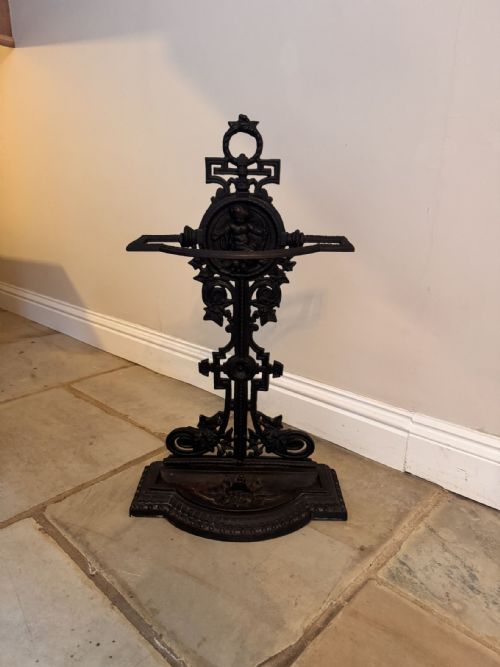
Makers utilised various luxury timbers and metals for related desk accessories and umbrella stands, but the specific cherub trays concentrate on silver and gilt bronze materials. These domestic accessories served both decorative and functional roles in period boudoirs and drawing rooms.
Materials and construction methods
Metals such as sterling silver, brass and ormolu form the primary structural and decorative basis for these pieces, often shaped through casting and stamping techniques. Silver items frequently display hallmarking details relating to assay offices in Birmingham and London.
Decorative surfaces incorporate intricate champlevé enamel work alongside bronze and marble elements in continental examples. Wooden items utilise inlaid satinwood, mahogany and coromandel-wood to create contrasting borders and central panels.
Antique Cherub Tray Retail Price Guide 2026
Typical asking prices for cherub tray among the pieces listed under this phrase on Sellingantiques today, from the lower quarter to the upper quarter. They describe what is for sale here now, not the wider market.
Current listings feature items from the Victorian and Edwardian periods, including pieces dated to 1880, 1890, 1900 and 1901.
Factors determining quality
Material selection and structural integrity separate standard domestic objects from exceptional workshop productions, particularly in the weight of the silver or bronze used. The complexity of the surrounding ornamentation, whether floral chasing or geometric inlay, indicates the level of artisan labour invested.
William Aitken·Lefebvre
The Antique Cherub Tray Glossary
- Ormolu
- A gilt-bronze finish applied to metal objects, popular in nineteenth-century French and English decorative arts. This technique involves coating base metal with a mercury-gold amalgam to achieve a rich golden sheen.
- Repoussé
- A metalworking method where an artisan hammers the design from the reverse side to create a raised relief on the front. This technique brings depth to the cherub figures on silver dishes and trays.
- Champlevé enamel
- An enamelling technique where troughs or cells are hollowed out of a metal surface and filled with vitreous paste before firing. The method produces durable, colourful patterns surrounding central motifs.
- Putto
- A representation of a plump, naked child, frequently winged, appearing in classical art and decorative metalwork. These figures form the defining cherub motif on these trays.
Antique Cherub Tray: Frequently Asked Questions
What are antique cherub trays made from?
These items are constructed from metals including sterling silver, brass, cast iron and ormolu. Some examples incorporate champlevé enamel decoration or feature wooden bases.
Craftsmen utilised whichever material suited the specific function, ranging from heavy cast iron for umbrella stands to delicate silver for dressing table dishes.
How old are these trays typically?
The pieces date predominantly from the nineteenth century through to the Edwardian era, spanning the Victorian period and the early twentieth century. Hallmarks on silver items provide precise dating evidence.
Stylistic shifts across this timeframe move from ornate Victorian casting towards lighter Edwardian Rococo Revival and Art Nouveau forms.
How were dressing table trays used?
Dressing table trays and pin dishes held small personal items such as jewellery, hairpins and cosmetics in period bedrooms. They provided an accessible surface for daily accessories.
Larger variations functioned as serving pieces for calling cards or small vessels in drawing rooms and reception spaces.
How do I identify a Victorian piece?
Victorian examples often display heavier cast construction, distinct maker's marks and traditional floral or figurative motifs. Hallmarks on silver items verify the exact year and assay office of manufacture.
Stylistic cues such as dense repoussé work and classical revival styling also point towards nineteenth-century production.