



Antique Cherub Dressing Mirror
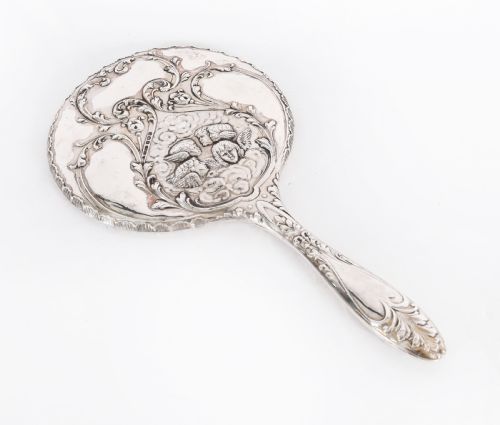
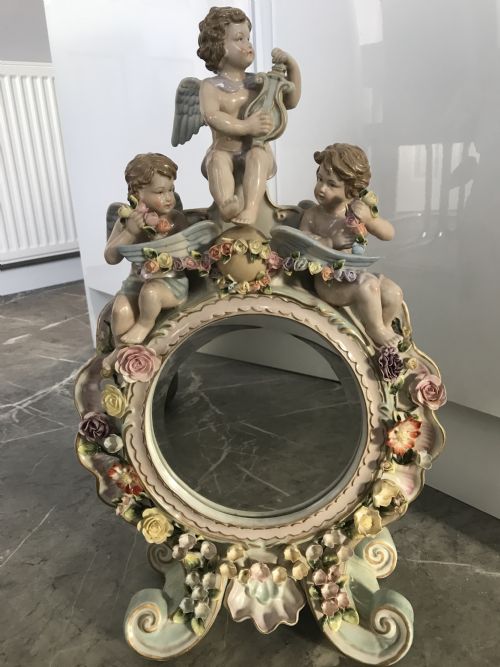
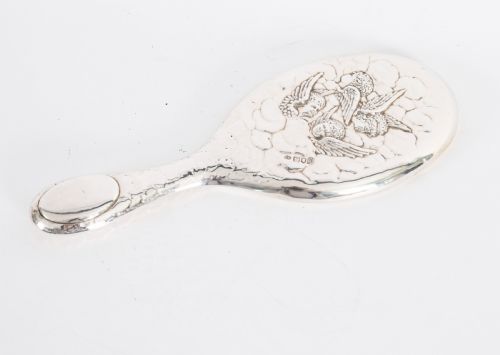
An antique cherub dressing mirror brings Rococo charm and figural detail to a vanity, combining practical glass with sculptural metal or porcelain.
Antique Cherub Dressing Mirror
When you search for an antique cherub dressing mirror, you find decorative looking glasses framed by winged putti, floral motifs and ornate scrollwork. These pieces include table mirrors, hand mirrors, and easel mirrors intended for boudoirs and dressing tables.
The versions you are most likely to meet on this page span the nineteenth century and the early twentieth century, drawing on Rococo Revival, Louis XVI, and Edwardian styles. They appear in materials ranging from sterling silver and bronze ormolu to continental porcelain and gilt wood.
Continental factory pieces and English silver makers both contributed to this tradition, producing vanity mirrors and toilet mirrors that function as both optical tools and sculptural art objects. Each survivor demonstrates the period preference for lively, figurative ornamentation on everyday domestic items.
How they were made
Sterling silver and bronze ormolu examples rely on metal casting, chasing, and embossing techniques, creating high-relief cherubs and floral garlands. Silversmiths worked sheet metal over wooden formers or cast solid mounts to frame the bevelled glass.
Porcelain dressing mirrors incorporate hand-painted ceramic plaques and applied floral elements, often fired in continental factories before being mounted to easel backs. Gilt wood and gesso frames involve carved timber foundations coated in gold leaf or paint.
Silver deposit work on blue ground porcelain fuses metal layers directly onto the ceramic body, requiring precise chemical application and firing. These methods ensure that the figurative elements remain integrated with the structural frame.
Antique Cherub Dressing Mirror Retail Price Guide 2026
Typical asking prices for cherub dressing mirror among the pieces listed under this phrase on Sellingantiques today, from the lower quarter to the upper quarter. They describe what is for sale here now, not the wider market.
What varies in quality
Material integration also separates the tiers of production, seen in how porcelain plaques meet their metal mounts and how gilding adheres to carved wood surfaces. Superior examples maintain original mirror glass, robust easel stands, and fully articulated structural mounts without replacement parts.
Charles Boyton·S Blanckensee And Son·Jean Gille·William Comyns
The Antique Cherub Dressing Mirror Glossary
- Ormolu
- Gilded bronze used widely in French decorative arts during the eighteenth and nineteenth centuries. It provides a rich, warm metallic finish to furniture mounts and mirror frames.
- Easel mirror
- A looking glass supported by a hinged rear leg for standing upright on a table or dresser. This format allows the mirror angle to be adjusted.
- Silver deposit
- A technique where sterling silver is applied in decorative patterns directly onto a ceramic or porcelain surface through electroplating. It creates a striking contrast between the silver design and the glazed ground.
- Gesso
- A plaster-like mixture applied to wood frames as a smooth base for gilding or painting. It holds fine moulded detail before the application of gold leaf.
Antique Cherub Dressing Mirror: Frequently Asked Questions
How were these mirrors used?
These mirrors sat upon dressing tables, sideboards, and chests of drawers in domestic bedchambers and dressing rooms. Hand mirrors were lifted for close personal grooming, while table and easel mirrors remained stationary.
They served a dual purpose as functional reflective glass and decorative sculptural ornaments that reflected candlelight and natural illumination in the room.
What metals are most common?
Sterling silver and bronze ormolu appear frequently in the surviving record, often stamped with hallmarks or foundry marks. Gilt metal and brass also form the structural framework for decorative table mirrors.
Silver pieces frequently originate from English workshops in Birmingham and London, while bronze and gilt metal versions lean towards continental manufacturing traditions.
How do I date these pieces?
Dating relies heavily on silver hallmarks, registration marks, and stylistic indicators such as the heavy ornamentation of Victorian Rococo Revival or the cleaner lines of Edwardian silver.
Materials and construction methods also provide clues, as nineteenth-century porcelain bodies and cast bronze techniques differ noticeably from later twentieth-century manufacturing approaches.
Are the mirror plates original?
Many dressing mirrors retain their original glass, which can exhibit light foxing, minor silver loss, and subtle surface distortion due to age. Replacement glass is common in pieces that experienced heavy daily use over the decades.
Examining the edge bevels and the backing boards helps determine whether the reflective plate dates to the original period of manufacture.