

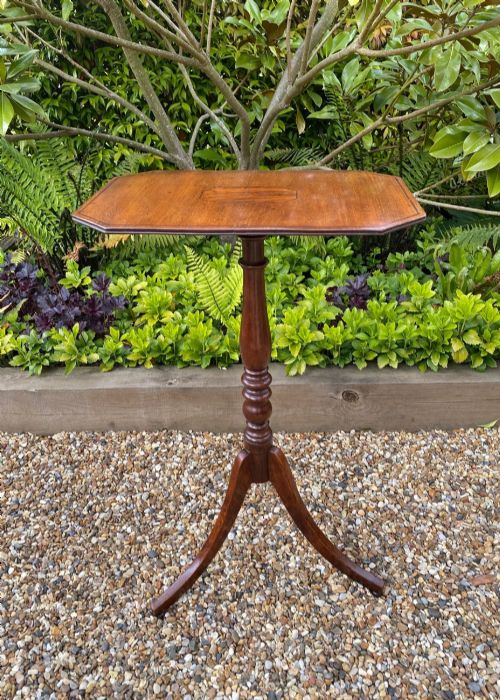
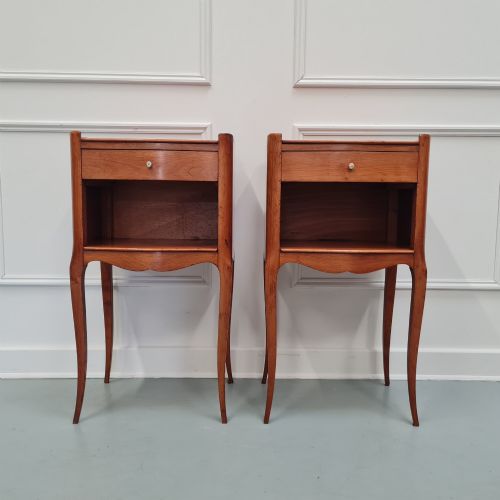
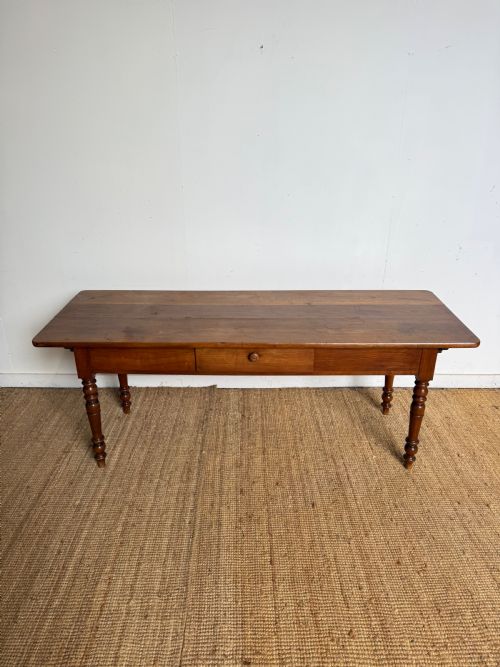


Antique Cherry Side Tables
These antique cherry side tables bring warmth and distinct grain to a room, offering practical surface space rooted in centuries of cabinetmaking.
Antique Cherry Side Tables
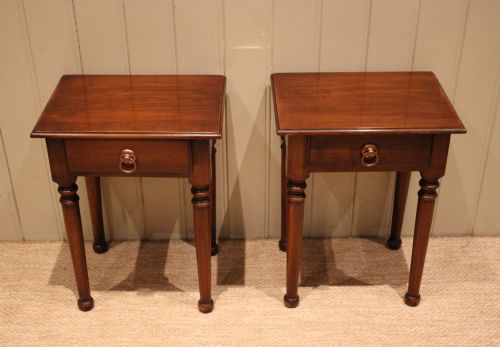
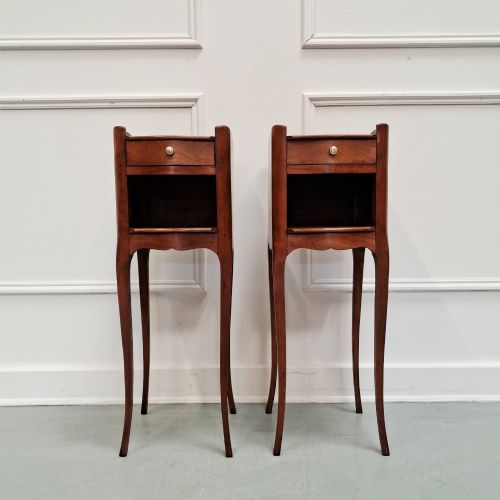
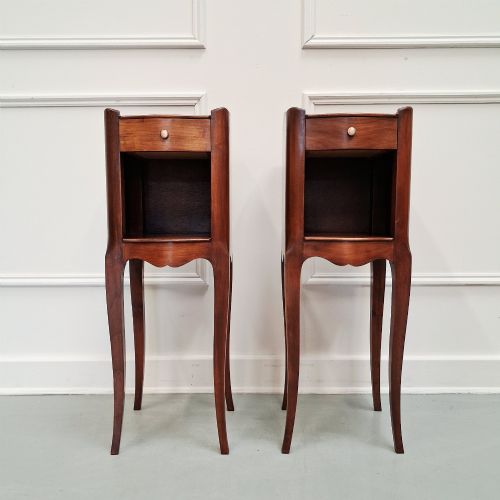
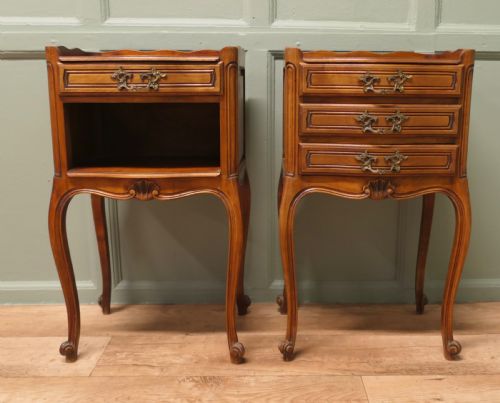
When you search for antique cherry side tables, you encounter a varied collection spanning the eighteenth, nineteenth, and early twentieth centuries. These pieces encompass everything from compact French bedside cabinets and nightstands to Georgian lowboys and occasional tables.
Makers utilised cherry for its rich colour and workable grain, producing items that functioned as side tables, wine stands, and small serving surfaces. Their forms reflect regional domestic habits across English, French, and American workshops.
How they were made
Makers constructed these tables predominantly from solid cherrywood, often pairing the timber with brass handles, hinges, or stone tops. Cabinetmakers relied on traditional joinery methods to assemble drawers, turned legs, and panelled sides.
Surface treatments highlighted the natural figuring of the wood, sometimes incorporating wood inlay or simple polish. Structural elements like turned legs and carved aprons demonstrate the distinct regional styles of the makers.
Antique Cherry Side Tables Retail Price Guide 2026
Typical asking prices for cherry side tables among the pieces listed under this phrase on Sellingantiques today, from the lower quarter to the upper quarter. They describe what is for sale here now, not the wider market.
The listings span from seventeen fifty to nineteen thirty, showing materials including cherry wood, brass, metal, and stone across French, English, and American styles.
What varies in quality
The distinction between standard and superior pieces lies in the selection of the cherry timber and the crispness of the joinery. Tables featuring well-figured wood, original brass hardware, and carefully executed turned legs command greater attention.
Proportion and scale also define the hierarchy of these items, with smaller, well-balanced lowboys and provincial tables showing more refined handling. The integrity of the structure and the retention of original surfaces separate everyday utility pieces from finer examples.
The Antique Cherry Side Tables Glossary
- Lowboy
- A small dressing table or side table with one or more drawers, standing on relatively tall legs. This form gained popularity during the eighteenth century in English and American homes.
- Chevet
- A small bedside table or cabinet, frequently of French origin. These pieces often incorporate enclosed storage or a small shelf.
- Console table
- A table designed to be fixed against a wall, sometimes supported by brackets or legs. In earlier periods, these served as serving tables or decorative side supports.
- Wine table
- A small standalone table intended for holding glasses and bottles. They frequently feature circular tops supported by turned or pillar-and-tripod bases.
- Wood inlay
- The technique of inserting pieces of contrasting timber into a recessed surface to form a decorative pattern. This ornament appears on select cabinet furniture.
Antique Cherry Side Tables: Frequently Asked Questions
What is a lowboy used for?
A lowboy functions primarily as a small side table or dressing surface, featuring a low stature with integrated drawers. Historically, owners placed them in chambers or parlours to hold personal items or small decorative objects.
Today, they suit hallways or living spaces as compact surfaces for lamps or correspondence while adding period character to an interior.
How do I care for antique cherry wood?
Antique cherry wood benefits from regular dusting with a soft, dry cloth and protection from direct sunlight and extreme humidity changes. Avoid silicone-based polishes that can build up and harm the historic finish.
Applying a traditional beeswax occasionally helps nourish the timber and preserve the depth of the grain over time.
Are French bedside tables standard height?
French bedside tables and chevets from the early twentieth century vary slightly in height depending on their intended mattress level and regional design. Most sit lower than modern bedside units, reflecting historical proportions.
Checking the specific dimensions of a cabinet ensures it aligns comfortably with your existing bed frame.
How do I distinguish eighteenth-century pieces?
Eighteenth-century pieces, such as George II lowboys, display construction details typical of hand-tool work, including pegged joints and hand-cut dovetails in the drawers. The timber often exhibits a deeper, aged patina developed over centuries.
Comparing the hardware fixings and secondary woods provides further clues to a piece's true period of origin.