




Antique Chelsea Figures
These antique chelsea figures bring porcelain charm and classical grace to a room, offering both original eighteenth-century work and later revival pieces.
Antique Chelsea Figures
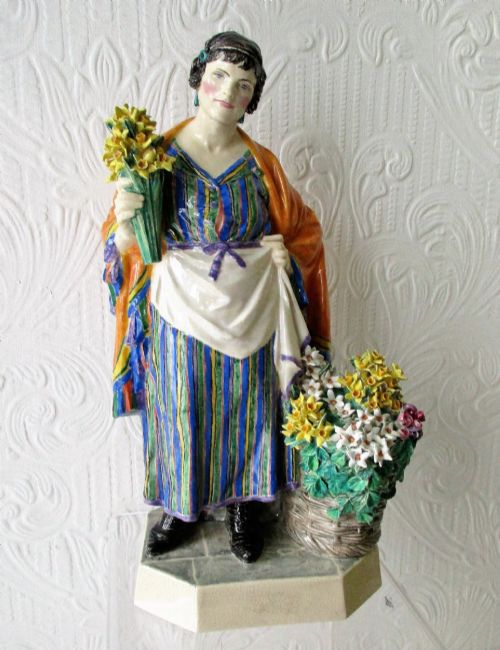
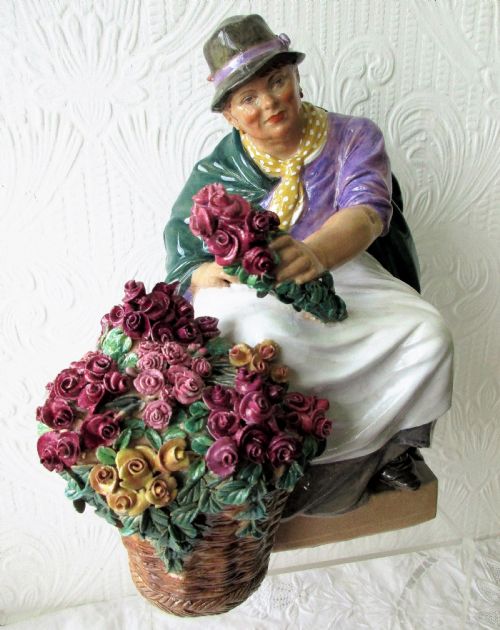
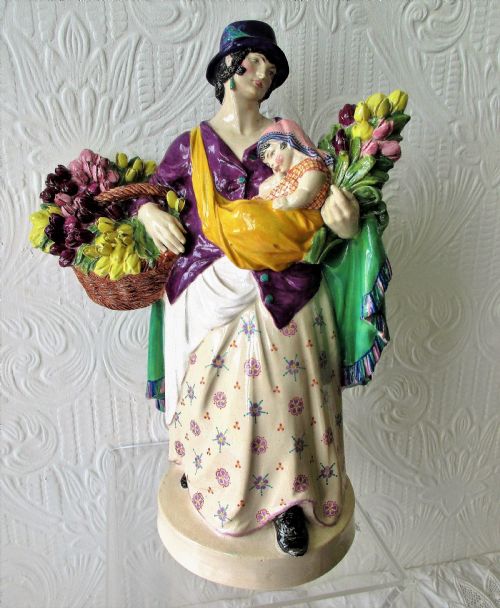
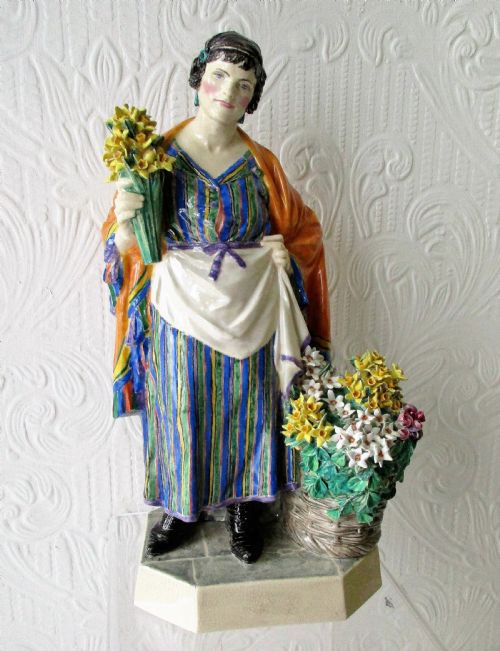
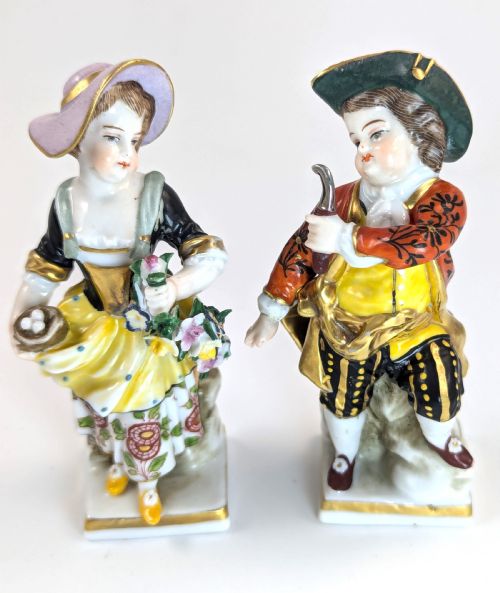
When searching for antique chelsea figures, a buyer encounters everything from eighteenth-century porcelain statuettes to nineteenth-century Paris porcelain and studio pottery interpretations. The selection spans classical allegorical figures, pastoral shepherds, and later reproductions made in the Chelsea style.
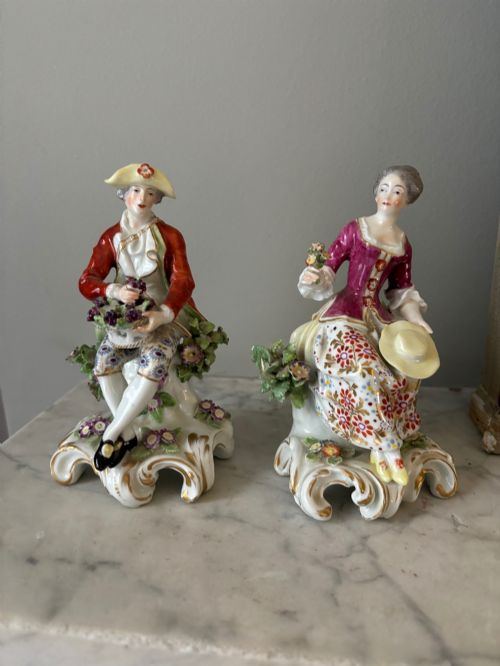
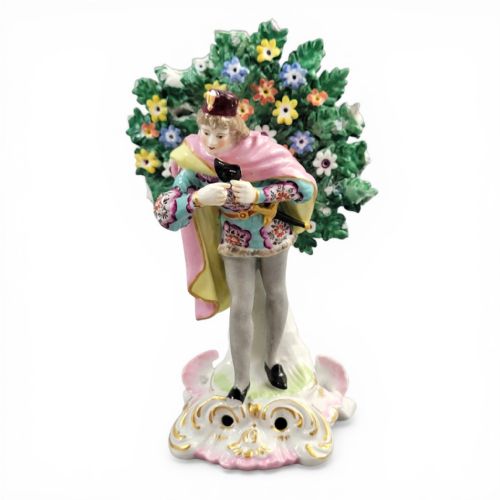
Original eighteenth-century pieces share space with nineteenth-century revival work by makers such as Edmé Samson, alongside studio pottery examples from the twentieth century. These objects include individual figurines, paired candlesticks, and complex bocage compositions decorated with enamel and gold leaf.
How they were made
The primary material is porcelain, shaped into ceramic figurines and finished with enamel and glaze. Artisans applied gilding and gold leaf to highlight details on pastoral subjects, actors, and allegorical figures.
Later nineteenth-century and twentieth-century makers utilised similar ceramic techniques to replicate the historic Chelsea taste. These methods combined moulded figures with hand-painted enamel and applied decorative elements.
Antique Chelsea Figures Retail Price Guide 2026
Typical asking prices for chelsea figures among the pieces listed under this phrase on Sellingantiques today, from the lower quarter to the upper quarter. They describe what is for sale here now, not the wider market.
Listings feature periods ranging from the eighteenth century and Georgian era through the Victorian period to twentieth-century studio pottery.
What varies in quality
Quality depends upon the fineness of the porcelain body and the precision of the hand-painted enamel work. Early eighteenth-century examples display crisp modelling, whereas later revival pieces vary in the crispness of their detail and gilding.
The nuance in facial expressions and the delicacy of applied bocage leaves distinguish finer examples from standard decorative figures. Marks such as the gold anchor indicate specific production periods and traditions.
Edme Sampsom·Charles Vyse·Samson Paris·Samson of Paris
The Antique Chelsea Figures Glossary
- Gold Anchor Mark
- A identifying sign used on eighteenth-century porcelain production. It helps date specific statuettes and figures to distinct decades.
- Bocage
- A background of applied ceramic foliage and leaves behind a figure. This technique provides a leafy, decorative frame common in pastoral scenes.
- Paris Porcelain
- High-quality ceramic ware produced by various independent workshops in France. Makers such as Samson used this medium to create pieces in the Chelsea style.
- Allegorical Figure
- A statuette representing an abstract idea or concept, such as the continents or the seasons. These subjects were popular in eighteenth-century manufacture.
Antique Chelsea Figures: Frequently Asked Questions
What are antique chelsea figures?
Antique chelsea figures are porcelain statuettes depicting mythological subjects, pastoral scenes, and allegorical themes. They originate from historic English production as well as later continental revivals.
Collectors find both eighteenth-century originals and nineteenth-century Paris porcelain interpretations on the market. Each piece reflects the stylistic preferences of its period of manufacture.
How were chelsea figures used?
These porcelain pieces served primarily as decorative ornaments for mantelpieces, tables, and cabinets in fine homes. Certain forms, such as candlesticks, combined illumination with figural sculpture.
They functioned as conversation pieces that displayed the owner's taste in classical mythology and pastoral aesthetics. Today, they remain purely decorative objects for display.
How do I live with antique porcelain?
Display these figures in stable cabinets away from direct sunlight to protect the enamel colours and gilding. Placement should avoid high-traffic areas where accidental knocks might occur.
Gentle dusting with a soft brush keeps the porcelain clean without risking delicate applied elements like bocage leaves. Proper environmental control prevents unnecessary wear on historic ceramic surfaces.
How do I tell periods apart?
Eighteenth-century pieces display the specific paste, glaze characteristics, and marks associated with early English production. Nineteenth-century revival pieces often exhibit different baseline porcelain bodies and variations in painting style.
Maker marks, such as anchor symbols, offer clues, though revival makers also applied similar motifs. Examining the crispness of the modelling helps distinguish original eighteenth-century work from later interpretations.