
Antique Charm Pendant
An antique charm pendant brings together miniature craftsmanship and personal sentiment, offering small-scale decorative pieces worn close to the body.
Antique Charm Pendant
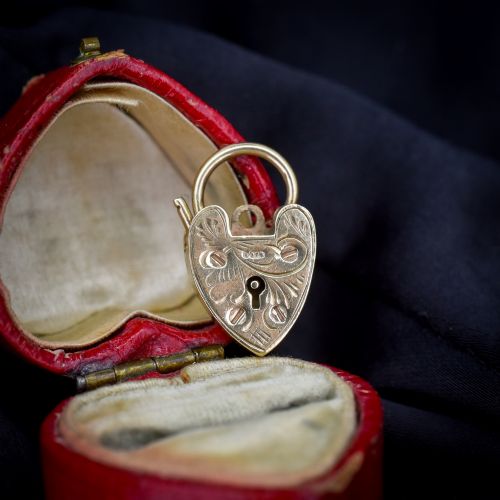
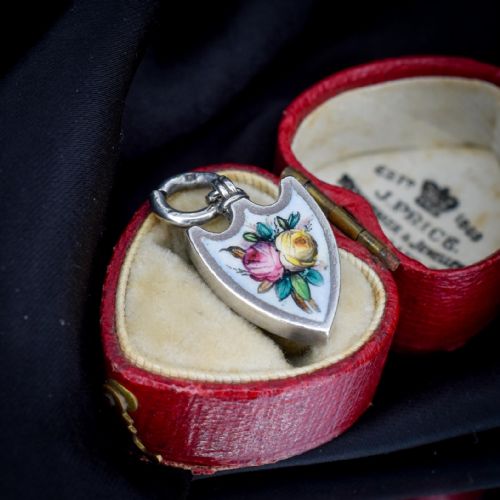
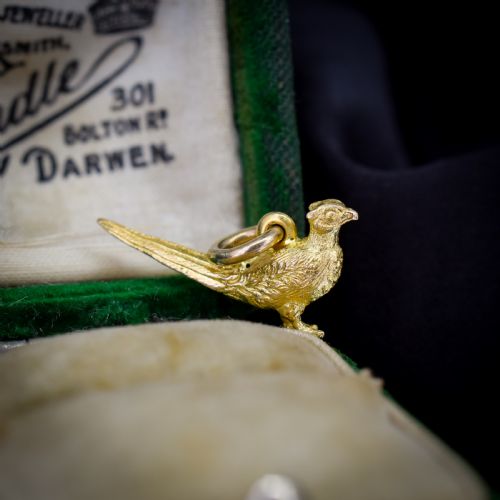
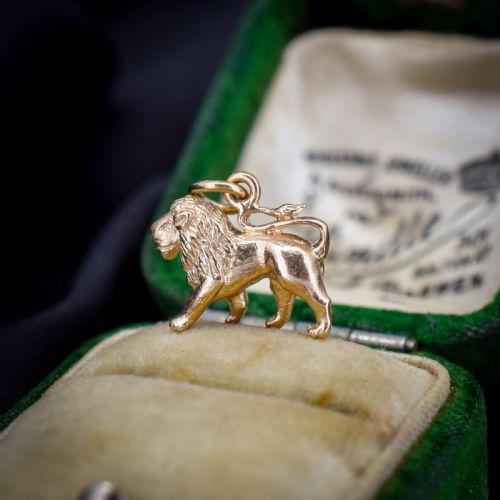
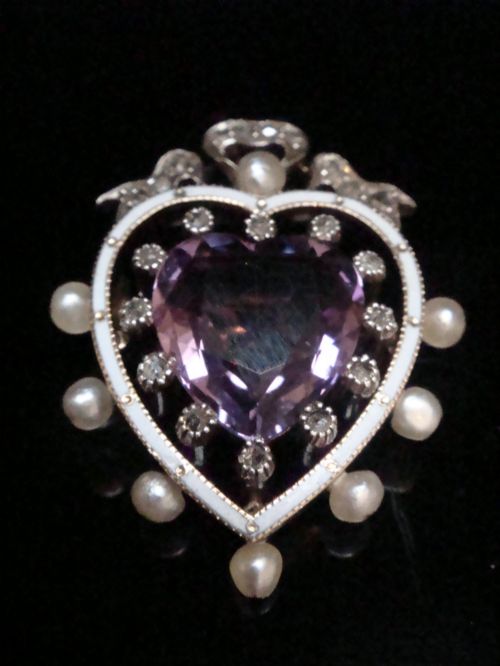
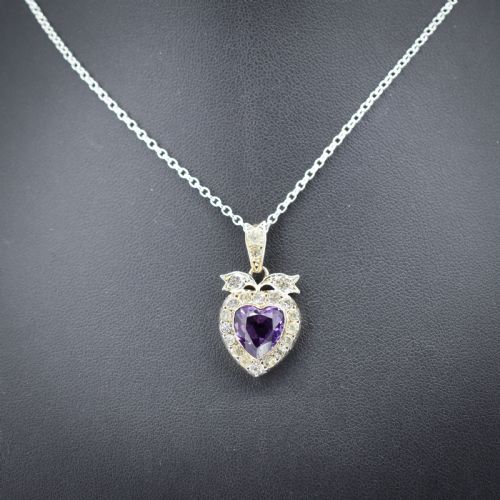
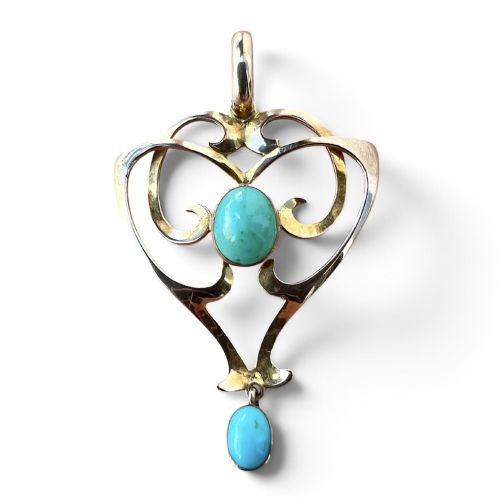
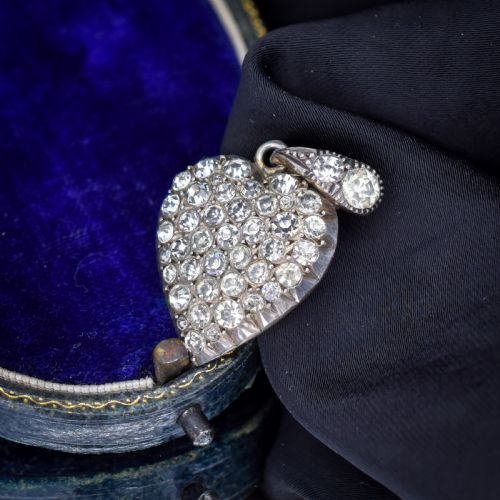
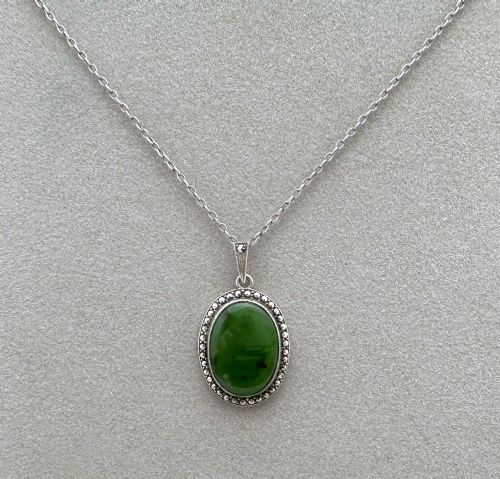
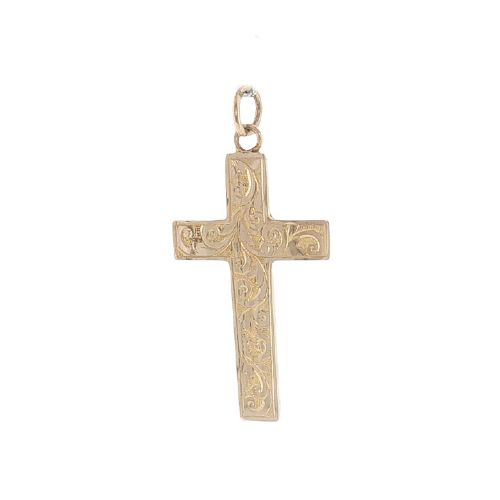
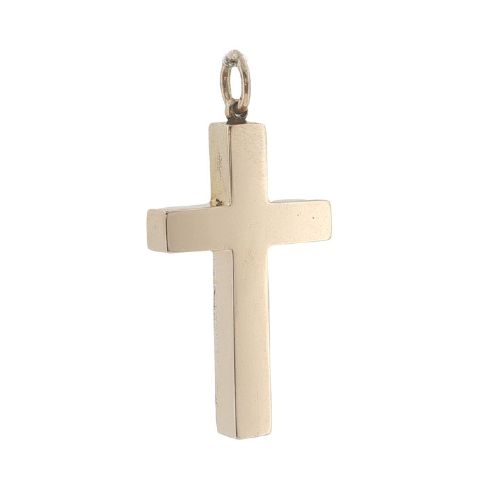
The antique charm pendant category covers small decorative items designed to be suspended from a chain, including figurative charms, engraved padlocks, seals, and lockets. These pieces span the Victorian, Edwardian, and Art Deco periods, drawing on diverse British, French, and Scandinavian design traditions.
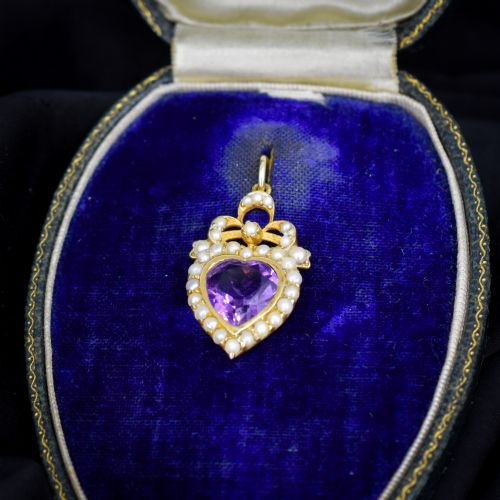
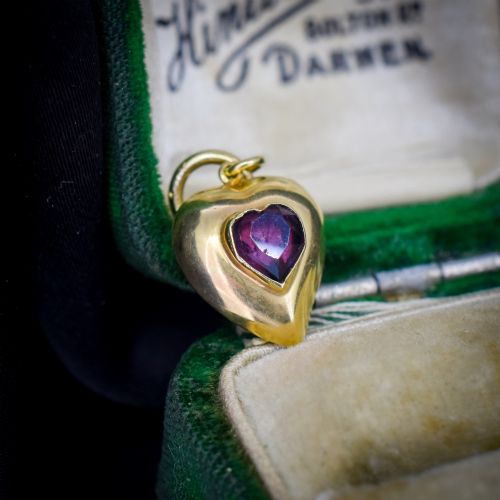
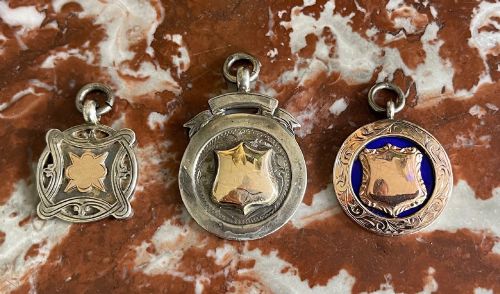
Buyers will encounter varied forms ranging from gold heart padlocks and gem-set clover motifs to miniature silver whistles, compasses, and animal figures. Many items bridge the boundary between functional items like watch fobs and purely ornamental pendants.
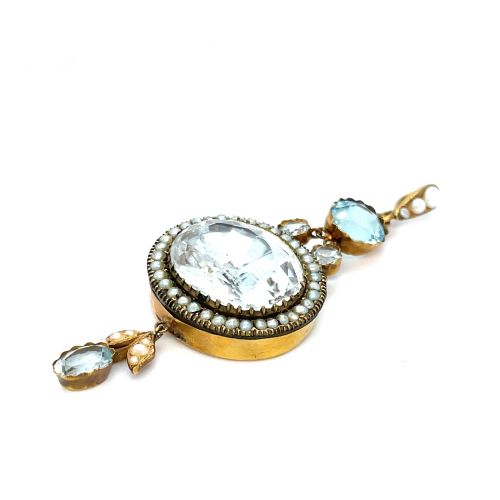
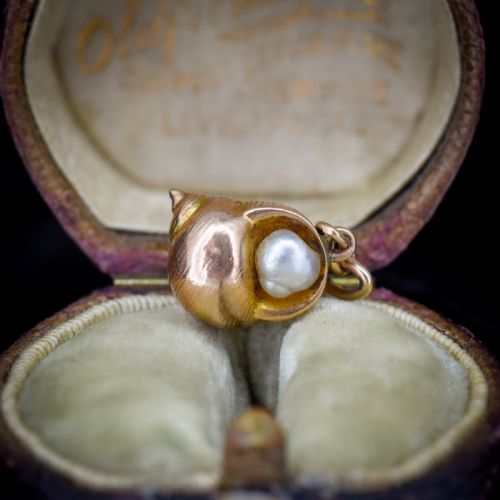
The materials reflect prevailing jewellery standards of their respective eras, utilising yellow, rose, and white golds alongside sterling silver and platinum-toned metals. Gemstones and organic elements such as pearls, coral, and enamel add colour and texture to the smaller scale formats.
How they were made
Craftsmen utilised casting, hand-engraving, and filigree wirework to shape base metals and precious golds into intricate miniature forms. Hollow construction techniques kept larger charms lightweight for daily wear on chains or bracelets.
Surface decoration frequently incorporated translucent guilloche enamel applied over engine-turned metal bases, alongside flush or claw settings for small diamonds, pastes, and pearls. Soldering joined suspension loops and jump rings securely to the main bodies of the charms.
Hold a silver pig charm to the light and wonder who originally rubbed its snout for luck over a century ago.
What varies in quality
Quality rests in the crispness of hand-engraved details and the structural integrity of hinged components like lockets, snap hooks, and padlocks. Superior examples maintain clean lines and secure stone settings without excessive solder marks or thinning metal walls.
The depth and brilliance of applied enamel work, along with the matching and grading of small seed pearls or gemstones, separate standard production items from finer workshop pieces.
Deakin & Francis·Crisford & Norris
The Antique Charm Pendant Glossary
- Padlock charm
- A small heart-shaped or rectangular locking mechanism adapted as a pendant, often engraved with foliate patterns or dates.
- Guilloche enamel
- A decorative technique where transparent enamel is layered over mechanically engraved metal to create a radiating geometric pattern beneath.
- Watch fob
- A short chain or ornament attached to a pocket watch, frequently repurposed as a pendant charm featuring hardstone seals or rotating bezels.
- Paste
- Hand-cut lead glass used to imitate precious gemstones in antique jewellery, prized for its clarity and facet sharpness.
- Dog clip
- A spring-loaded swivel clasp commonly used on watch chains and fobs that functions securely as a pendant attachment.
- Vinaigrette
- A small decorative container with a pierced inner grill holding a sponge soaked in aromatic vinegar.
Antique Charm Pendant: Frequently Asked Questions
How do I wear a charm pendant?
These pieces suspend easily from neck chains, ribbons, or charm bracelets depending on the scale and the style of the original suspension loop.
Heavier gold fobs and padlocks suit sturdier trace or curb chains, while lighter enamel hearts and pearl-set drops pair well with finer necklaces.
How do I date an antique pendant?
Dating relies on hallmark stamps, metal purity standards, fastener types, and distinct stylistic markers associated with specific design periods like Art Nouveau or Art Deco.
British assay office marks and registration numbers often provide precise year markers, while French pieces frequently employ standard eagle or boar head hallmarks for gold and silver.
What metals were commonly used?
Victorian and Edwardian pieces predominantly feature nine-carat, fifteen-carat, and eighteen-carat yellow or rose gold, alongside sterling silver and platinum.
Lower carat golds and rolled gold or gilt metals also appear frequently in functional items like watch keys, seals, and mechanical pencils.