





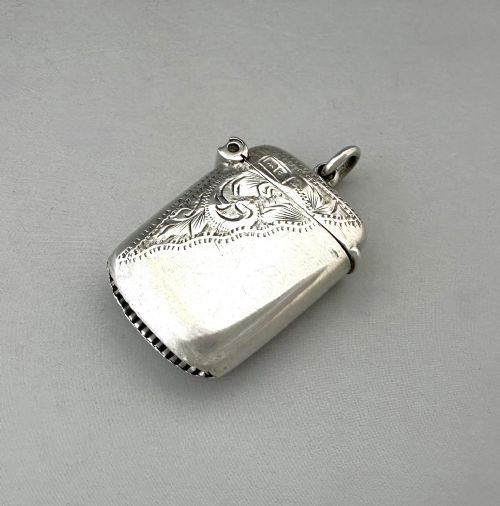


Antique Charm Holder
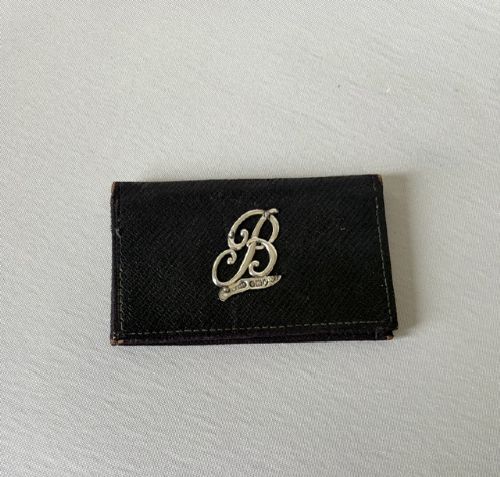
These antique charm holder pieces are small, functional desk and personal items designed to hold tokens, stamps, and keepsakes.
Antique Charm Holder
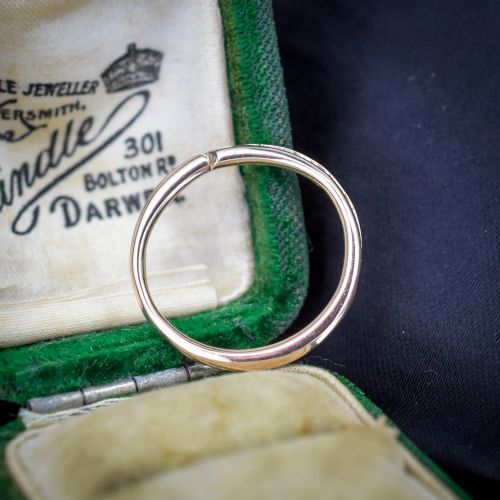
When you search for an antique charm holder, you encounter a variety of small personal and desk accessories spanning the Victorian, Edwardian, and Georgian periods. These items range from pocket watch holders and stamp cases to novelty pin cushions, desk clips, and figural items.
Origins stretch across English workshops, French makers, and Black Forest carvers, reflecting the diverse domestic habits of the nineteenth and early twentieth centuries. Each form displays distinct craftsmanship tied to its original function on a desk, chatelaine, or dressing table.
How they were made
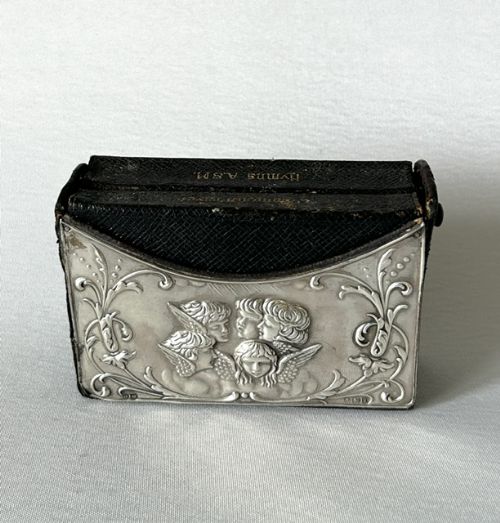
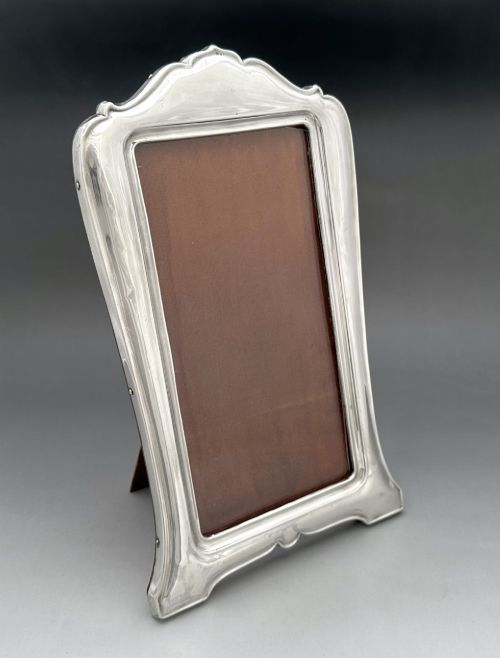
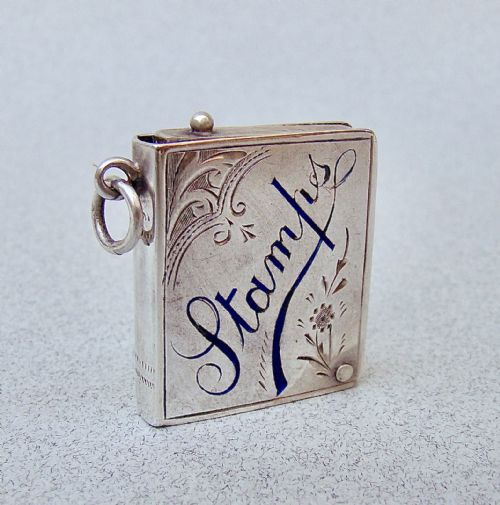
Makers utilised sterling silver and gold, often shaping the metal through pressing, casting, and hand engraving. Pieces such as envelope stamp cases and photo frames rely on precise folding and hinges of silver to function cleanly.
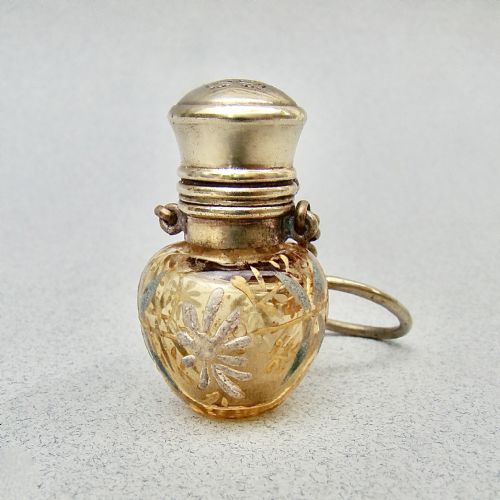
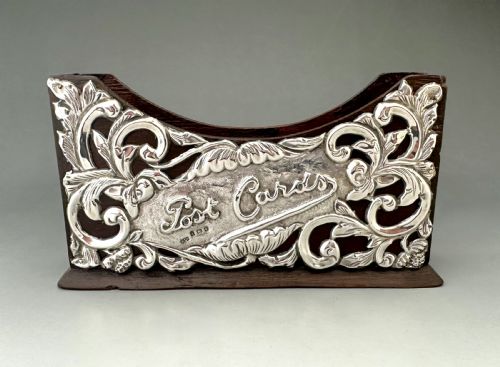
Carved pieces employ hard wood, bog oak, and Black Forest timber, shaped with hand gouges and detailed with glass eyes or applied hardware. Glass elements, such as Moser glass scent bottles, incorporate traditional blowing and cutting techniques.
Interior linings and components integrate leather, velvet, and enamel to complement the exterior metalwork or carved timber structures, demonstrating a combination of structural materials.
Antique Charm Holder Retail Price Guide 2026
Typical asking prices for charm holder among the pieces listed under this phrase on Sellingantiques today, from the lower quarter to the upper quarter. They describe what is for sale here now, not the wider market.
Listings feature sterling silver, Moser glass, carved wood, and 18K gold across Victorian, Edwardian, and Georgian periods.
What varies in quality
The standard of a piece rests on the crispness of the hand engraving and the precision of the mechanical closures, such as swivel mechanisms on stamp cases and spring ring connectors in gold. Superior items display sharp detailing in figural carvings like the Black Forest animals or novelty pencils.
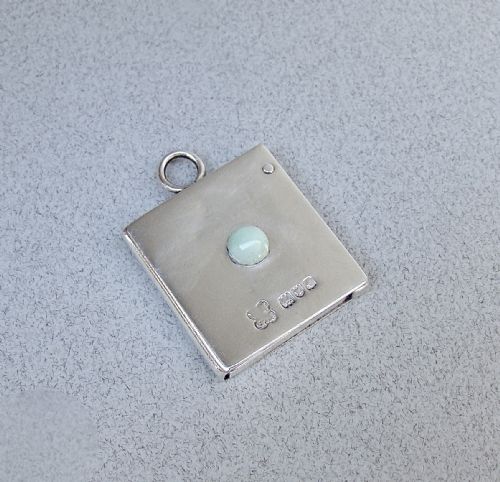
Material thickness and hallmark clarity separate standard production items from finer work by known makers like Crisford & Norris or Maison F. Mack. The integrity of internal velvet or leather linings and the original state of glass inserts also define the upper tier.
Crisford & Norris·W & G Neal·Albert Ernest Jenkins·Hamilton & Co·Maison F. Mack
The Antique Charm Holder Glossary
- Vesta case
- A small portable box designed to hold wax matches, often featuring engraved silver surfaces.
- Chatelaine
- A decorative belt hook worn with suspended chains carrying everyday items like scent bottles or seals.
- Stamp case
- A small container made to store postage stamps, frequently shaped like an envelope or book.
- Black Forest
- A style of wood carving originating in Germany and Switzerland, typically depicting animals and natural subjects.
- Pin cushion
- A small decorative object stuffed to hold pins, often integrated into novelty silver or ceramic bases.
Antique Charm Holder: Frequently Asked Questions
What is a stamp case?
A stamp case is a small container designed to keep postage stamps clean and flat before the widespread use of self-adhesive rolls. They were commonly carried in pockets or kept on writing desks.
Many examples take the form of miniature envelopes or books rendered in solid silver, reflecting the precise postal rates and correspondence habits of the period.
How do I identify an Edwardian silver piece?
Edwardian silver can be identified through hallmark stamps indicating the assay office, date letter, and maker's mark within the reign of King Edward VII or George V. The style often leans towards lighter, neo-classical motifs compared to heavier Victorian designs.
Examinations of the hallmarks using a loupe provide exact years and cities of manufacture, such as Birmingham or London.
Where were Black Forest carvings made?
Black Forest carvings originated in the mountainous regions of central Europe, particularly Switzerland and Germany, during the nineteenth century. Local artisans carved indigenous woods into figural inkwells, letter holders, and animal studies.
These items frequently feature realistic details like glass eyes and deeply textured fur, utilising lime wood, walnut, or oak.
How were desk clips used?
Desk clips held loose papers, bills, or correspondence together on a writing surface before modern paperclips became standard. They sat on heavy bases of silver or wood.
Spring mechanisms inside the hinge allowed the jaw to open and clamp down securely on documents.