



Antique Character Portrait
These antique character portrait pieces capture expressive faces and named personalities across oil, watercolour, porcelain and pottery.
Antique Character Portrait
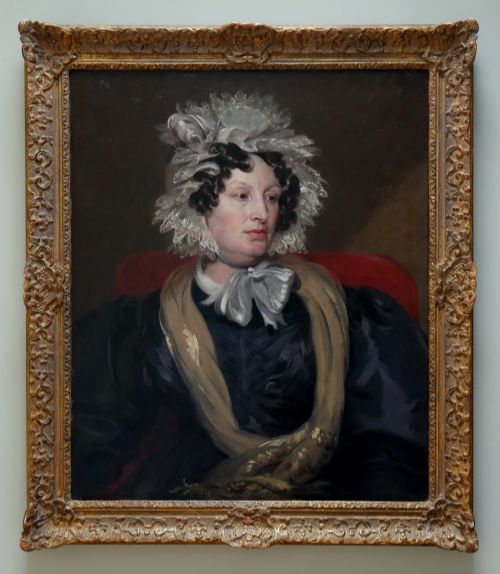
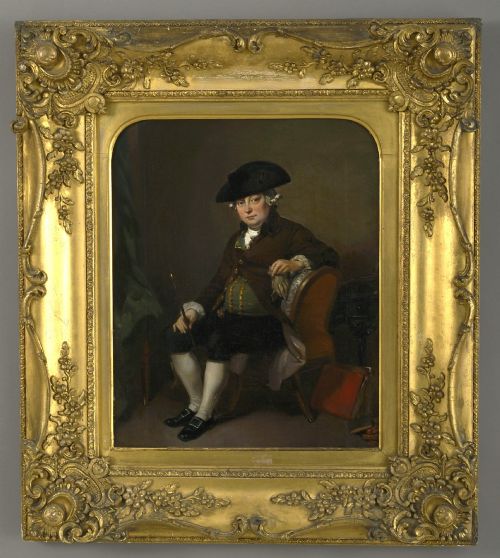
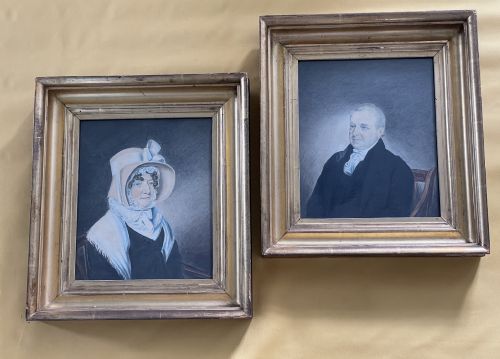
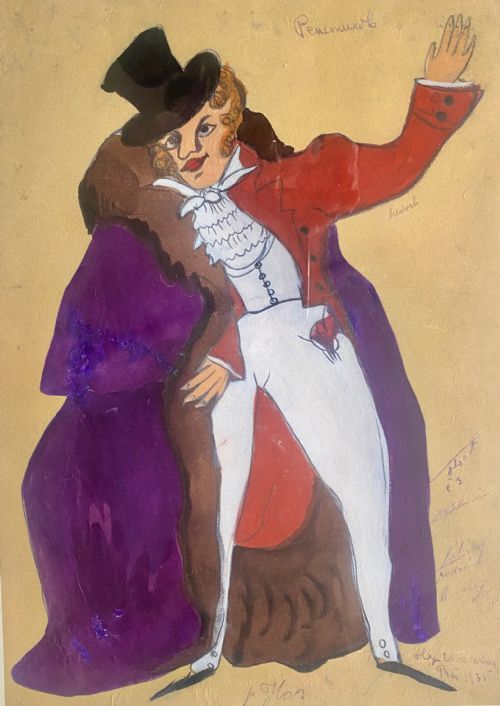
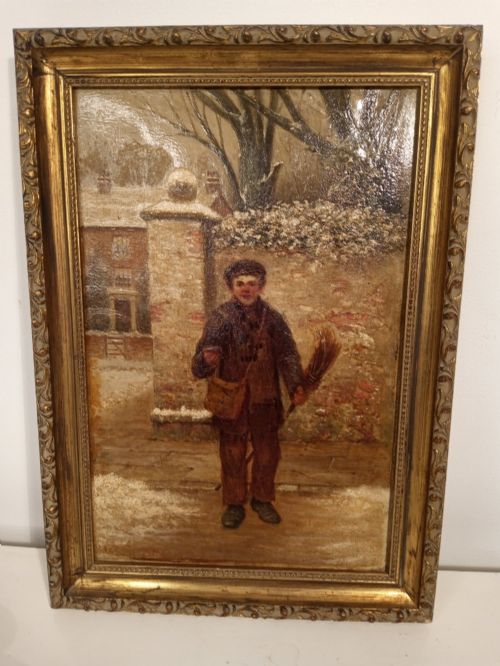
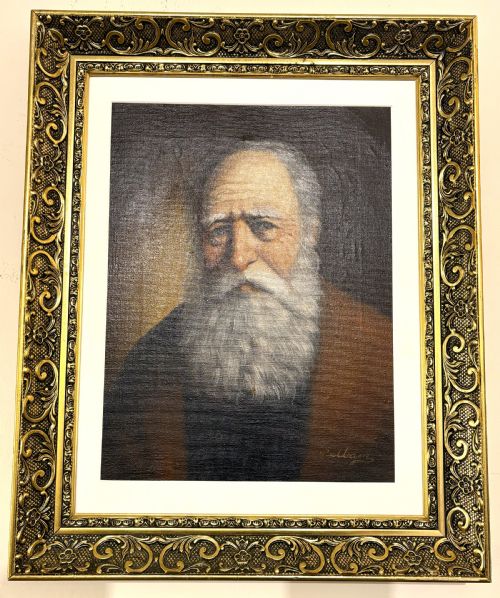
When you search for an antique character portrait, you encounter a diverse range of artistic interpretations capturing specific personalities, actors, literary figures and types. The selection includes fine art oil paintings on canvas alongside works on paper and watercolours from the Georgian, Victorian and Edwardian eras. These pieces often depict recognizable figures, theatrical actors in costume, or distinct character studies such as elderly gentlemen and chimney sweeps.
The assortment extends beyond flat works to encompass ceramic character jugs, porcelain figurines and decorative water jugs representing historical figures. You find works spanning the nineteenth century up to the period around the First World War, showcasing various European schools and named artists. This mix reflects how portraiture evolved from formal academic representation towards more expressive character studies.
Materials and Methods
Ceramic pieces utilise glazed earthenware and porcelain, shaped into character jugs and figurines that depict notable personalities and historical figures. Lithography and engraving techniques appear in works on paper, combining printed lines with hand-finished watercolour details. Framing materials range from simple wood to ornate giltwood, reflecting the original presentation standards of each respective period.
Antique Character Portrait Retail Price Guide 2026
Typical asking prices for character portrait among the pieces listed under this phrase on Sellingantiques today, from the lower quarter to the upper quarter. They describe what is for sale here now, not the wider market.
The selection encompasses oil paintings, watercolours, lithographs, figurines and character jugs representing named personalities and actors.
Factors of Quality
The standard of execution in brushwork and facial expression distinguishes finer portraits from more formulaic works. Masterly handling of light and shadow brings depth to the subject, whereas lesser pieces rely on rigid lines and flat tones. The psychological depth captured in the sitter's expression marks the distinction between a routine commission and a compelling character study.
Original framing, condition of the canvas or paper, and the preservation of the glaze on ceramics contribute significantly to the standing of a piece. Works by recorded artists or those depicting identifiable historical or theatrical personalities carry greater documentary interest. The integrity of the surface, free from heavy restoration, underpins the physical preservation of the artwork.
Samuel De Wilde·Ferruccio Vitale·Frederick Christian Lund·Roberto Venturi·William Powell Frith·Lucy Kemp-Welch
The Antique Character Portrait Glossary
- Character Jug
- A type of ceramic pitcher or jug shaped to represent the head and shoulders of a specific historical figure, literary character or recognizable archetype. These vessels combine functional utility with sculptural portraiture.
- Giltwood
- Wood that has been coated with a thin layer of gold leaf or gilt powder, commonly used for traditional picture frames during the Georgian and Victorian periods. This finish adds a reflective border that enhances the artwork within.
- Lithograph
- A printmaking process based on the repulsion of oil and water, allowing artists to produce detailed multi-coloured or monochrome images on paper. Many nineteenth-century works utilised this method for commercial and artistic reproduction.
- Watercolour
- A painting method in which the paints are made of pigments suspended in a water-soluble vehicle, producing transparent washes of colour on paper. This technique allows for rapid execution and delicate tonal gradations.
Antique Character Portrait: Frequently Asked Questions
What defines a character portrait?
A character portrait focuses on the distinct personality, expression or theatrical role of an individual rather than acting merely as a formal likeness. These works often capture actors in costume, literary characters or expressive studies of everyday people.
The genre spans various mediums, from detailed oil paintings on canvas to watercolours, porcelain figurines and ceramic character jugs.
How do I date these portraits?
Dating relies on stylistic evidence, artist signatures, framing materials and the physical properties of the canvas or paper support. Clothing styles, hairstyles and the overall artistic movement also provide clear chronological markers.
Ceramic pieces can often be dated through pottery marks, glaze characteristics and the specific historical figures depicted.
Where should I hang an oil painting?
Oil paintings on canvas require stable environmental conditions away from direct sunlight and extreme temperature fluctuations. Placing them on interior walls helps protect the canvas and the traditional wood or giltwood frame from damage.
Ensure adequate clearance from heat sources to prevent the canvas from slackening or the paint layer from cracking.
Are character jugs functional?
While ceramic character jugs were originally designed as functional vessels for liquids such as beer or water, collectors today primarily display them as decorative art objects. Using them for their original purpose risks chipping the glaze or damaging antique earthenware.
Displaying them on sturdy shelves or cabinets protects their structural integrity while allowing the sculptural details to be appreciated.