




Antique Character Figure
An antique character figure brings literary and historical personalities into your home through earthenware, porcelain, and carved wood.
Antique Character Figure
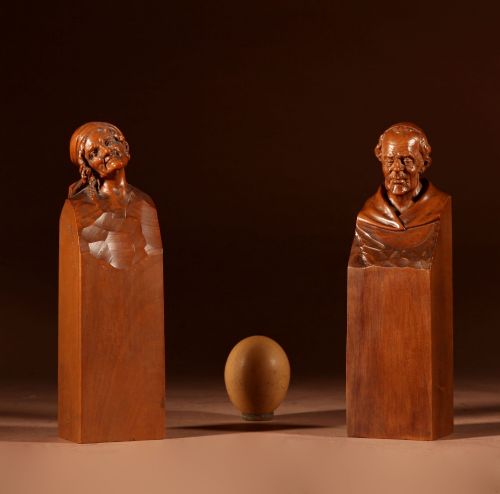
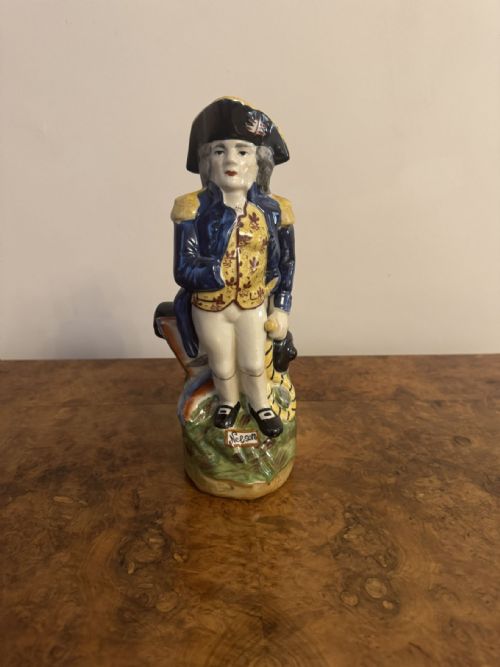
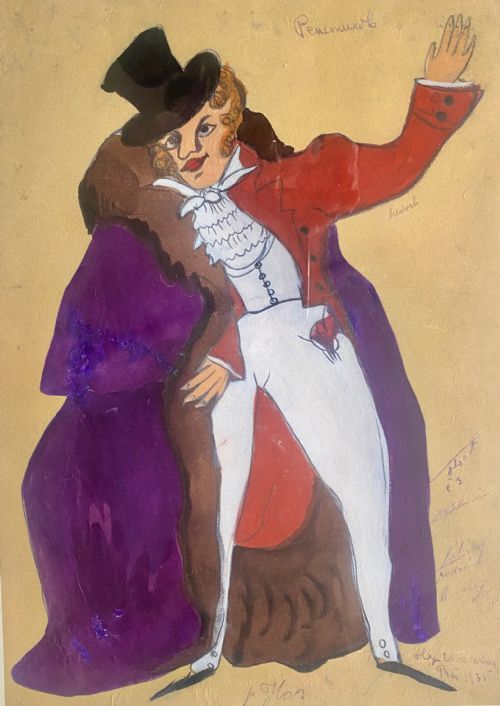
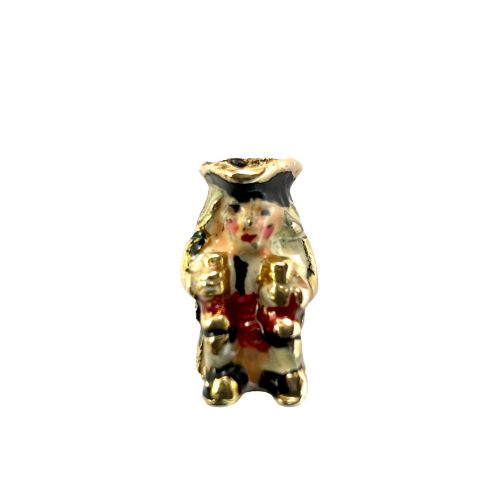
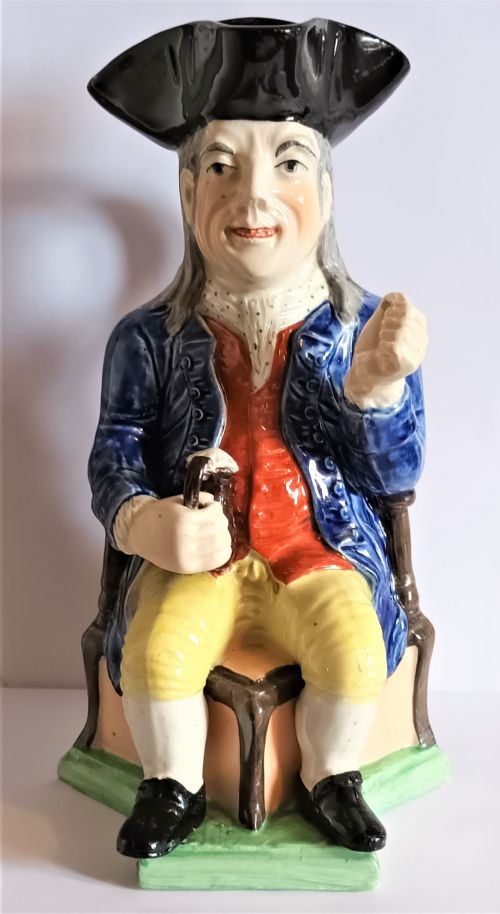
When you search for an antique character figure, you encounter an array of sculptural representations spanning Toby jugs, decorative figurines, candlesticks, and painted wood carvings. The Victorian era dominates these selections, frequently expressed through Staffordshire pottery traditions depicting figures like Lord Nelson, the Squire, and various literary personalities.
The objects range from domestic tabletop pepperpots and candle snuffers to larger garden ornaments and fairground displays. Examples stretch from seventeenth-century Spanish polychrome wooden heads to twentieth-century porcelain and earthenware pieces from makers such as Royal Worcester and Royal Berlin.
Staffordshire pottery versions and traditional Toby jugs form the core of what you are most likely to encounter on this page. These pieces capture recognisable societal archetypes and historical figures through moulded ceramic forms finished with hand painting and glaze.
Materials and methods of production
Potters and modellers utilised earthenware and porcelain as foundational substrates, shaping them through moulds or throwing on the wheel before applying detailed underglazes and enamel paints. Ceramic pieces such as Staffordshire Toby jugs relied on skilful painting over lead glazes to bring out the distinct facial expressions and period clothing of each character.
Foundries cast spelter and bronze into complex character shapes, frequently finishing the metal with a dark patination to simulate aged bronze. Potters combined ceramic bodies with painted enamel details, securing the pigments through subsequent kiln firings.
Antique Character Figure Retail Price Guide 2026
Typical asking prices for character figure among the pieces listed under this phrase on Sellingantiques today, from the lower quarter to the upper quarter. They describe what is for sale here now, not the wider market.
Listings feature materials spanning earthenware, porcelain, wood, bronze, and spelter across Victorian, Regency, and Art Deco styles.
Distinctions in craftsmanship and execution
The reputation of the pottery or foundry dictates a higher grade of execution, seen in named works from established manufactories like Stevenson and Hancock or Royal Berlin compared to anonymous regional output. Greater attention to anatomical proportion and character expression elevates a piece from a simple utilitarian vessel to a convincing sculptural portrait.
Stevenson and Hancock·Royal Worcester·Royal Berlin·Charles Anfrie
The Antique Character Figure Glossary
- Toby Jug
- A pottery jug modelled in the shape of a seated person, typically a robust figure holding a mug of beer and a pipe. These drinking vessels became popular in eighteenth-century England and remained a staple of Staffordshire production.
- Polychrome
- Decorated in multiple colours. This technique appears on wood carvings, ceramics, and plaster figures to create lifelike representations of costume and skin tones.
- Spelter
- An alloy of zinc and copper used as a less expensive substitute for bronze. Sculptures cast in spelter are frequently patinated to resemble older bronze works.
- Gaudy Welsh
- A type of colourful earthenware produced in Wales and England during the nineteenth century. It is characterised by vibrant hand-painted cobalt blue, copper lustre, and red overglaze patterns.
- Candle Snuffer
- A small conical extinguisher attached to a handle, often modelled as a humorous human character or literary figure. These items were used to safely put out candle flames in domestic interiors.
Antique Character Figure: Frequently Asked Questions
How were Staffordshire Toby jugs used?
Staffordshire Toby jugs were designed as functional serving vessels for beer and ale in homes and taverns. Guests poured drinks from the seated figure's hat or a removable lid before using the vessel to refill smaller mugs.
Over time, these ceramic characters transitioned from active tavern service to ornamental display pieces on mantelpieces and in cabinet collections.
How do I identify Victorian pottery figures?
Victorian pottery figures are identified by their characteristic earthenware bodies, hand-painted enamel colours, and glossy lead glazes. Many feature moulded relief details depicting historical figures, literary characters, or regional types.
Examining the underside often reveals manufacturer marks, impressed numbers, or distinct glaze pooling characteristic of nineteenth-century ceramic production methods.
How should I display wooden character figures?
Wooden character figures require stable indoor environments away from direct sunlight and excessive humidity to protect the polychrome paint and carved grain. Placing them on secure shelves or inside glass cabinets prevents accidental knocks and dust accumulation.
Keep these organic sculptures away from heat sources to prevent the wood from drying out and the painted surface from flaking.