







Antique Ceylonese Furniture
Antique Ceylonese furniture brings dense tropical timbers and intricate carving into British rooms, offering colonial history carved into ebony and satinwood.
Antique Ceylonese Furniture
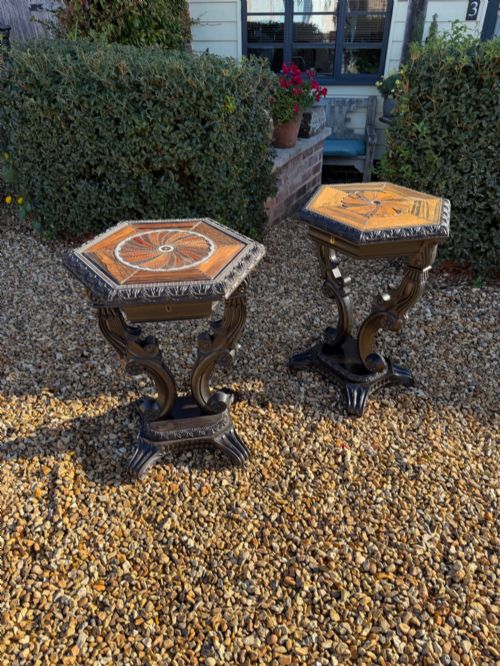
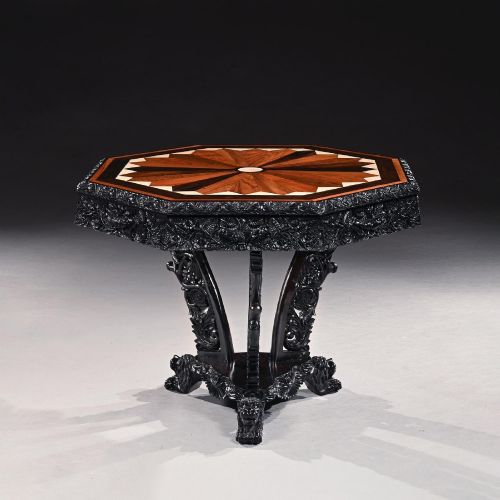
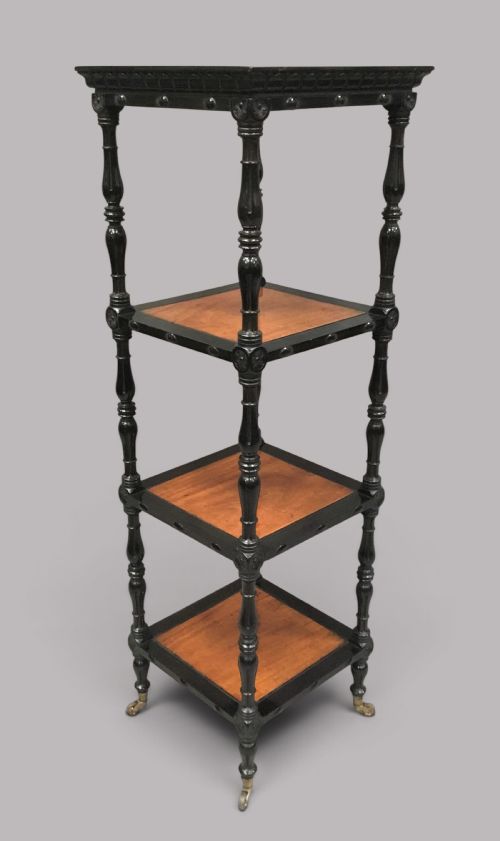
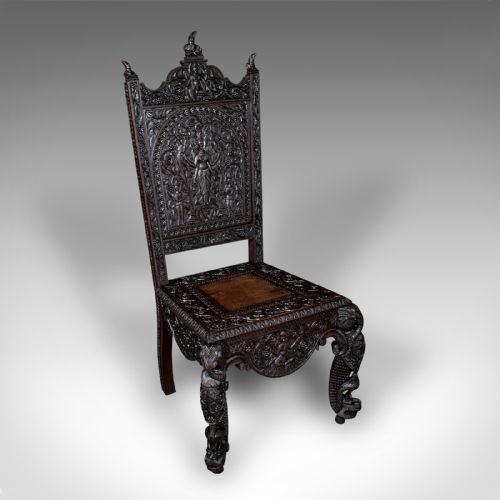
Antique ceylonese furniture comprises seating, tables, and storage pieces produced during the nineteenth century under British colonial rule. Buyers encounter forms ranging from heavy ebony armchairs and tripod tables to satinwood centre tables and teak veranda benches.
The objects reflect a fusion of European furniture forms with local Ceylonese carving traditions and tropical hardwoods. Centre tables, armchairs, and occasional tables dominate the selection, often originating from regional workshops in the Galle district.
Victorian examples bring sturdy construction alongside deeply carved details intended for verandas or formal parlours. Solid ebony and satinwood define the higher-status items, while teak serves practical seating roles.
Judging Quality and Execution
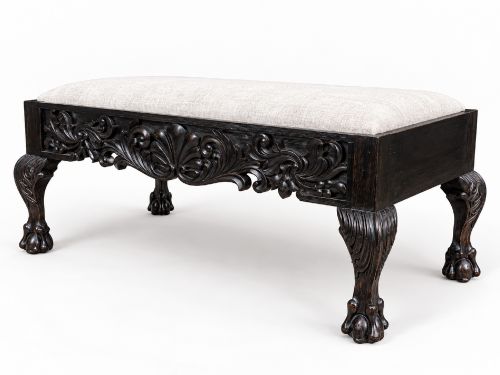
Quality rests upon the density and selection of the timber, where solid ebony or figured satinwood commands greater regard than secondary woods. The crispness of the hand-carving distinguishes superior items from simpler production pieces, particularly around chair crests and table borders.
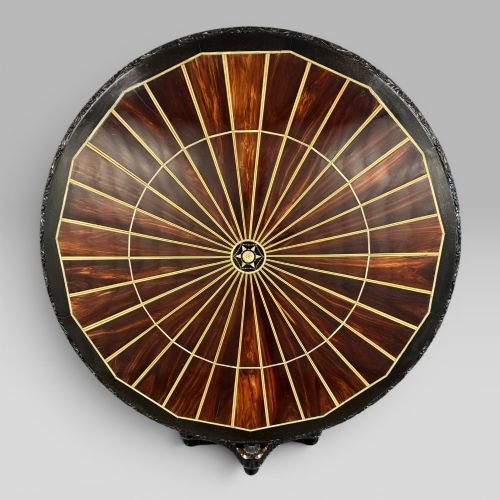
Structural integrity relies on the tightness of joinery designed to withstand humid climates, alongside the retention of original cane work or secondary inlays. Pieces featuring multi-wood specimen tops demonstrate higher technical ambition through precise timber matching.
Antique Ceylonese Furniture Retail Price Guide 2026
Typical asking prices for ceylonese furniture among the pieces listed under this phrase on Sellingantiques today, from the lower quarter to the upper quarter. They describe what is for sale here now, not the wider market.
The Antique Ceylonese Furniture Glossary
- Ebony
- A heavy, dense dark hardwood utilised for luxury Ceylonese seating and tables. It takes a high polish and permits exceptionally sharp carved detail.
- Satinwood
- A luminous yellow-gold timber employed for cabinet work and tables. Its chatoyant grain reflects light across polished surfaces.
- Cane
- Split rattan woven into open mesh patterns for chair seats and backs. This material provided cool seating in warm colonial environments.
- Specimen Wood
- Furniture surfaces constructed from numerous distinct local timbers arranged to display varied colours and grain patterns. These geometric mosaics showcase the biodiversity of island workshops.
- Veranda Chair
- A seating form featuring an extended seat or adjustable arms designed for lounging on colonial verandas. These are typically fashioned from durable teak.
Antique Ceylonese Furniture: Frequently Asked Questions
How do I date these pieces?
Dating relies on stylistic markers from the nineteenth century and Victorian periods, alongside timber choices and construction methods.
Most surviving examples date between eighteen-thirty and eighteen-eighty, reflecting the height of British colonial administration on the island.
Where were these pieces made?
Workshop production centred on the island of Ceylon, with specific regional hubs like the Galle district noted for specialised cabinet work.
Local craftsmen adapted European forms such as centre tables and armchairs using native materials.
How should I care for ebony and satinwood?
Maintain stable indoor humidity levels to prevent tropical hardwoods from splitting or warping over time. Dust gently with a dry cloth and avoid harsh chemical polishes that can damage antique finishes.