



Antique Ceylon Sapphire
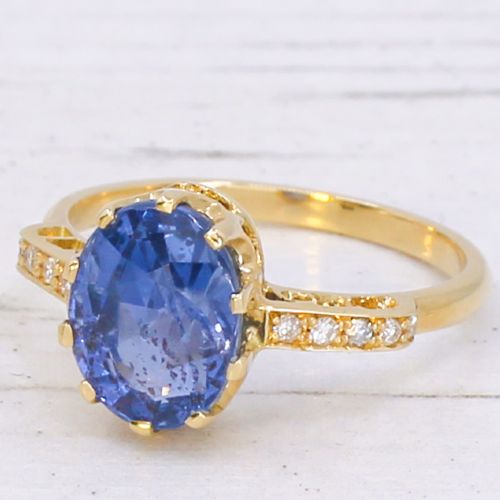
An antique ceylon sapphire brings unmistakable cornflower brilliance from historical mines into rings, pendants, and bracelets.
Antique Ceylon Sapphire
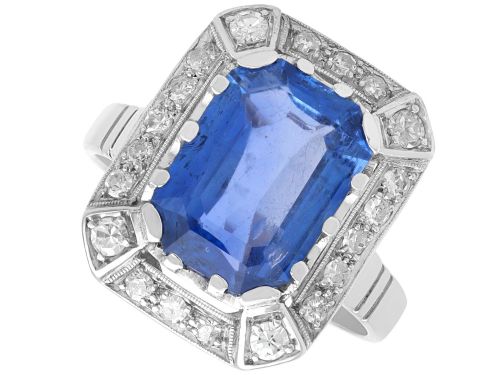
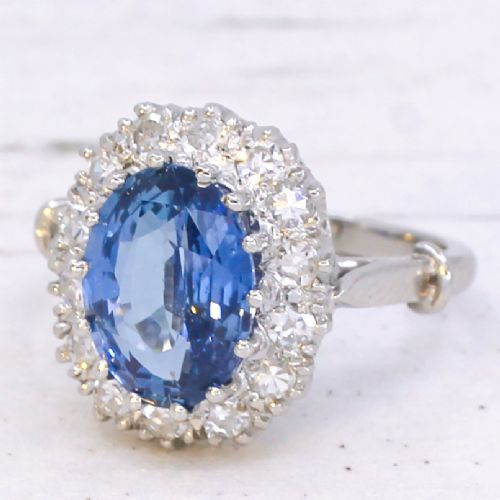
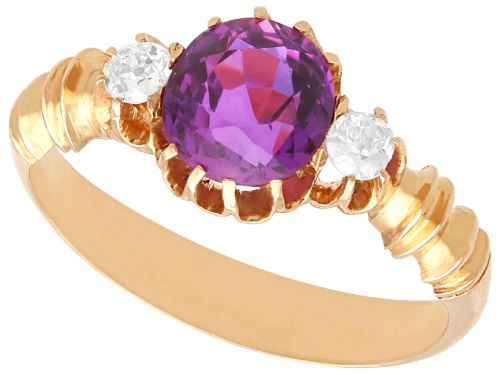
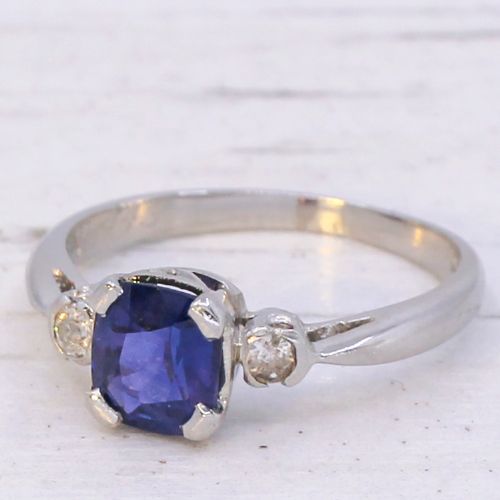
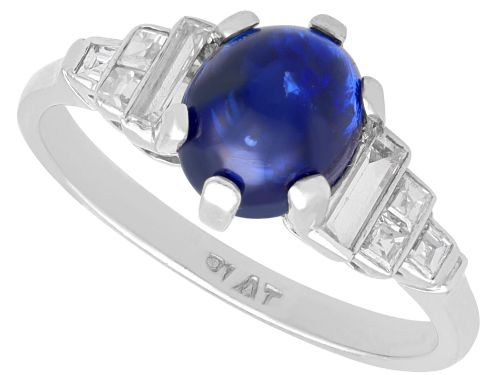
When you search for an antique ceylon sapphire, you are looking at fine jewellery set with gemstones originating from the historic mines of Ceylon, spanning periods from the Victorian era through Edwardian, Art Deco, and Mid-Century designs.
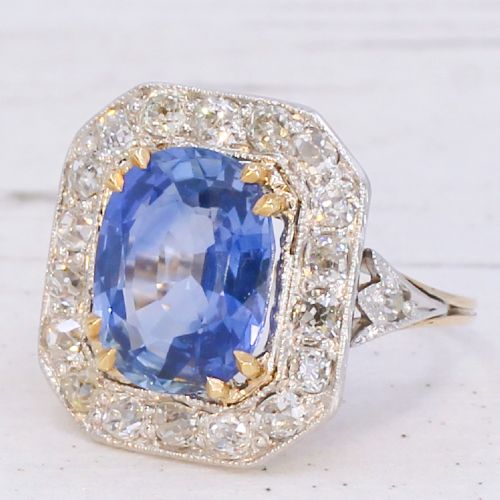
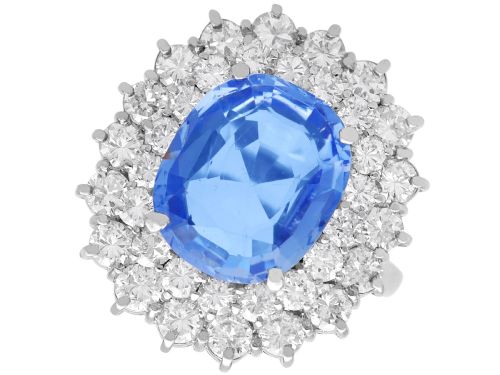
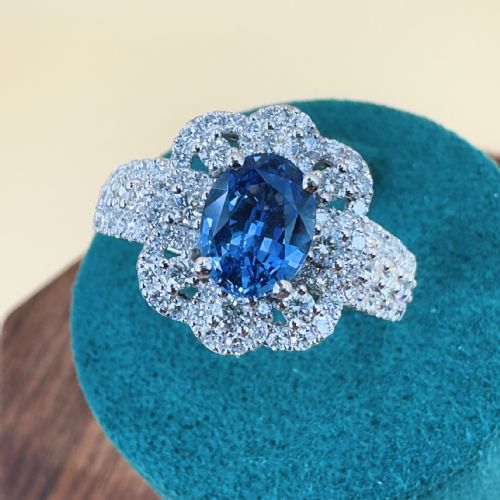
The most common form on this page is the cluster ring, where the central stone is framed by diamonds, alongside solitaire rings, cocktail rings, trilogies, pendants, and bracelets.
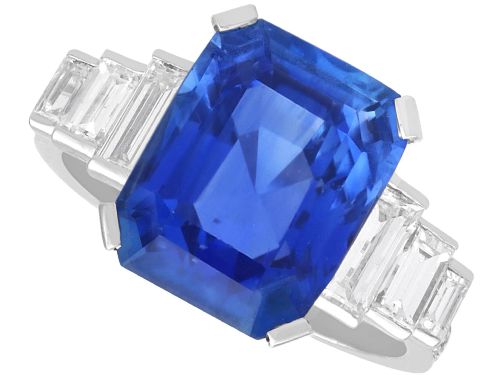
These pieces showcase a distinct evolution of taste, moving from ornate Victorian and Edwardian mountings to the geometric precision of Art Deco platinum and white gold settings.
How they were made
Goldsmiths and platinum-smiths set these gemstones by hand, utilising platinum, 18ct yellow gold, 14ct white gold, and standard gold to construct durable yet delicate mountings.
Cluster and cocktail designs incorporate diamond accents around the central sapphire, secured with detailed claw or bezel settings characteristic of their respective periods.
Antique Ceylon Sapphire Retail Price Guide 2026
Typical asking prices for ceylon sapphire among the pieces listed under this phrase on Sellingantiques today, from the lower quarter to the upper quarter. They describe what is for sale here now, not the wider market.
Even mid-century cocktail rings cannot resist inviting a second glance when paired with over three carats of sparkling diamonds.
What varies in quality
The calibre of the sapphire itself dictates the standing of the piece, measured in the intensity of its natural colour, crystal clarity, and whether the stone remains unheated.
The accompanying metalwork and diamond selection also set pieces apart, distinguishing restrained solitaires from elaborate multi-carat cluster and cocktail rings.
The Antique Ceylon Sapphire Glossary
- Ceylon sapphire
- A gemstone originating from the island of Sri Lanka, historically renowned for its vibrant blue hues and exceptional clarity. These stones are prized by collectors for their characteristic bright saturation.
- Cluster ring
- A jewellery design featuring a central gemstone surrounded by a border of smaller stones, typically diamonds. This arrangement maximises the visual impact of the centre gem.
- Cabochon
- A gemstone cut with a smooth, rounded, convex top rather than faceted surfaces. This style is often used for larger sapphires to highlight depth and natural inclusions.
- Trilogy ring
- A ring set with three stones in a row, representing the past, present, and future. In antique pieces, these frequently combine a central sapphire with side diamonds.
- Solitaire
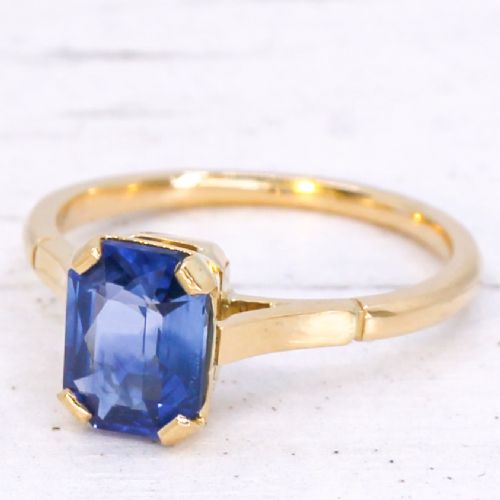
- A piece of jewellery featuring a single set gemstone without accompanying side stones. This minimalist approach places full visual emphasis on the character of the main gem.
Antique Ceylon Sapphire: Frequently Asked Questions
What defines a ceylon sapphire?
A Ceylon sapphire originates from the mines of Sri Lanka, known historically as Ceylon. These stones are recognised for a luminous, bright quality of colour that sets them apart from sapphires of other geographic origins.
They appear across various periods, bringing a distinct vibrancy to Victorian, Edwardian, and Art Deco settings.
How do I care for an antique sapphire ring?
Antique sapphire rings require gentle handling due to their age and delicate mountings. Clean them using warm soapy water and a soft brush, avoiding harsh chemical cleaners or ultrasonic machines.
Store them separately in lined boxes to prevent the diamonds or gold settings from scratching softer metals or adjacent stones.
What is an unheated sapphire?
An unheated sapphire is a gemstone that has not undergone thermal enhancement to improve its natural colour or clarity. These stones maintain their appearance entirely as formed in the earth.
Collectors often seek unheated specimens for their natural integrity and rarity within antique jewellery.
How do I identify an Art Deco setting?
Art Deco settings are characterised by geometric lines, symmetrical patterns, and a frequent preference for white metals such as platinum and white gold. These mountings often feature intricate millegrain detailing.
They contrast with the softer floral motifs of the preceding Edwardian and Victorian eras.