



Antique Ceramic Washing Basin
An antique ceramic washing basin brings domestic history into a room, offering functional pottery shaped by nineteenth-century washhouse traditions.
Antique Ceramic Washing Basin
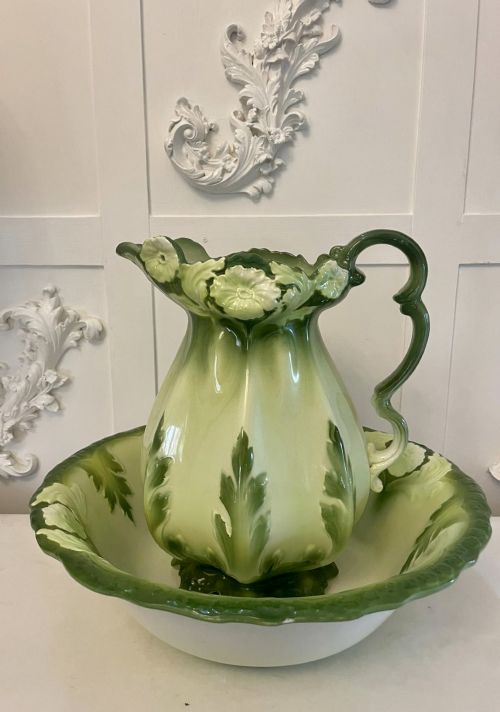
An antique ceramic washing basin appears primarily within nineteenth-century wash sets, jug and basin combinations, and larger footbaths used before plumbed bathrooms became standard. These utilitarian objects span periods from the Georgian and Regency eras through the Victorian and Edwardian decades, reflecting changing household habits.
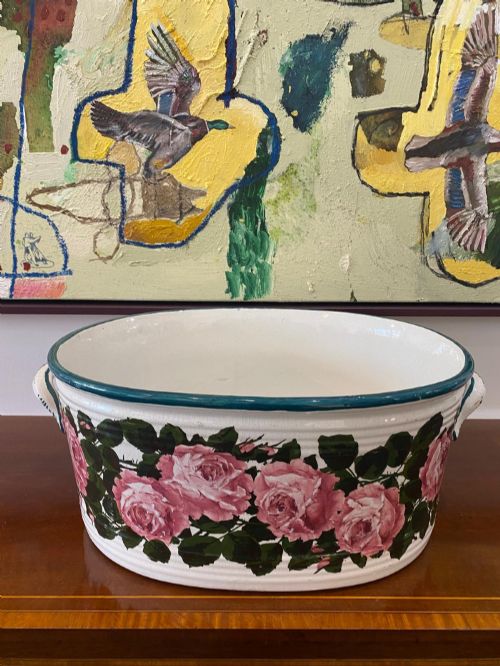
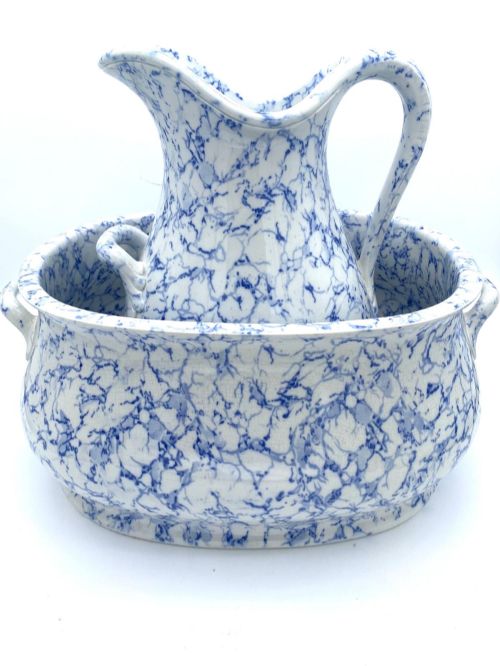
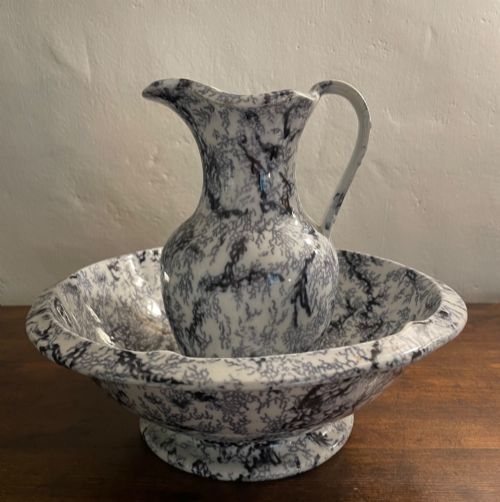
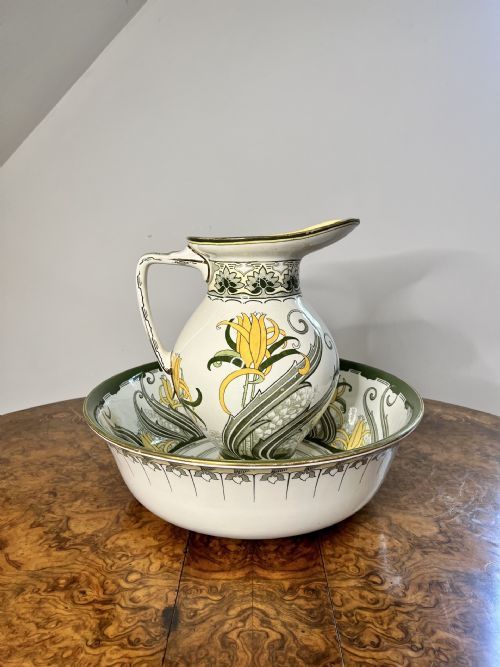
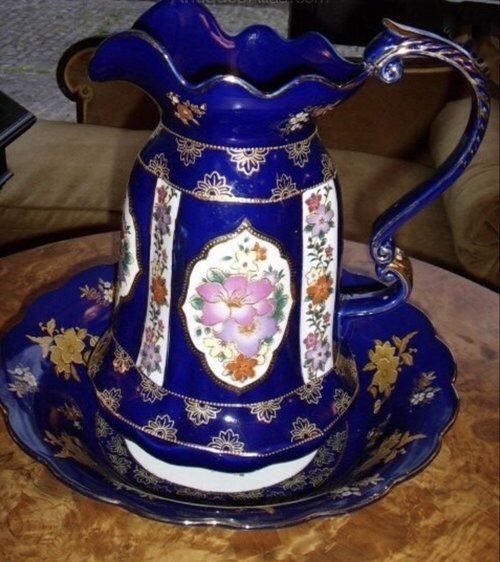
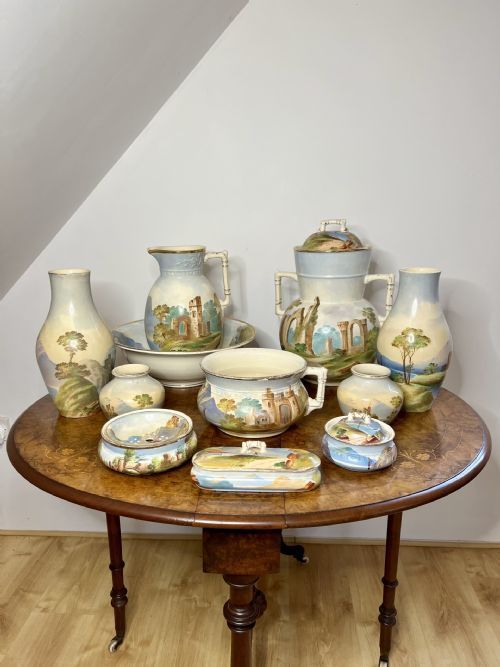
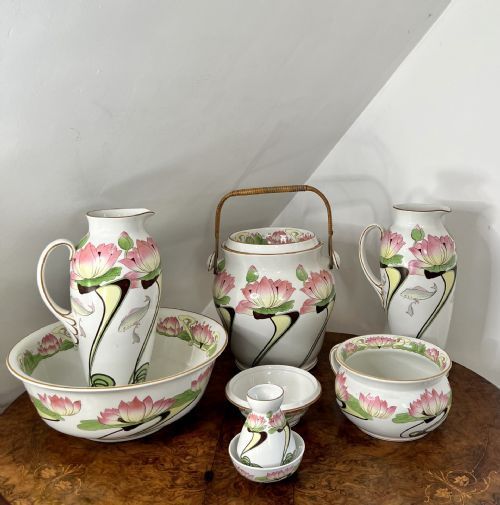
The most common version met on this page is the Victorian or Edwardian earthenware wash set, typically comprising a large basin paired with a matching water jug. Pieces range from simple creamware vessels and spongeware bowls to elaborate transfer-printed toilet basins and specialist footbaths.
Originating from domestic potteries and major factories alike, these basins served daily hygiene purposes in bedrooms and dressing rooms before being preserved as decorative items. Surviving examples demonstrate the shift from plain utilitarian earthenware to ornate bathroom services.
Materials and Techniques
Potters shaped these vessels from earthenware, ironstone, porcelain, and creamware, applying glazes to seal the porous clay body. Many pieces receive a smooth glazed ceramic finish suitable for holding water during daily washing.
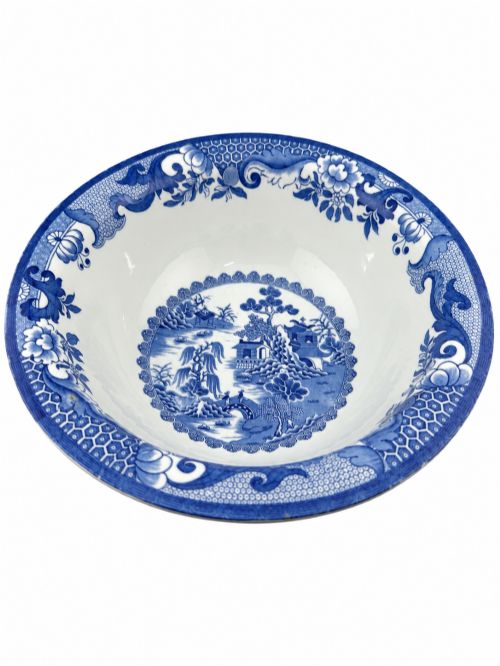
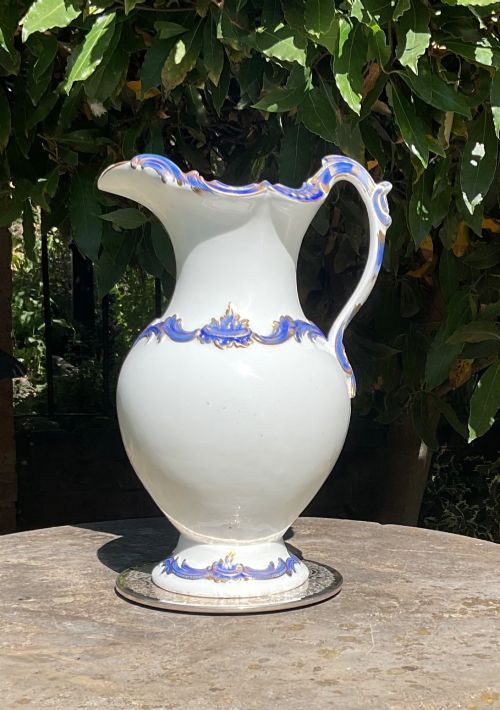
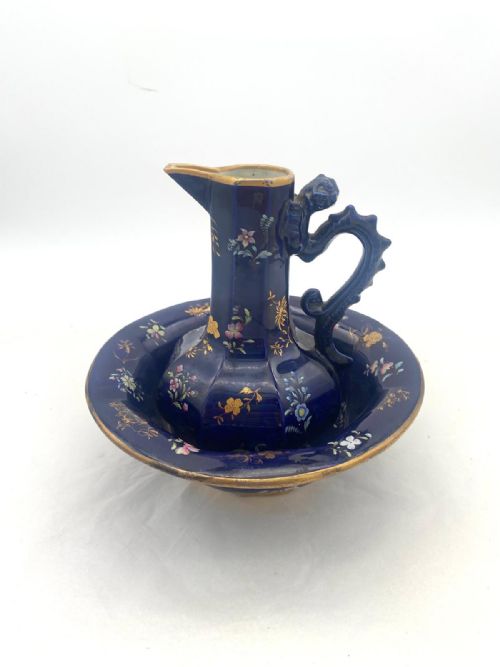
Decoration relied heavily on underglaze blue and white transfer printing, flow blue techniques, and hand-painted enamel motifs. Finer pieces incorporate gilt highlights or gold leaf applied over the fired glaze.
Antique Ceramic Washing Basin Retail Price Guide 2026
Typical asking prices for ceramic washing basin among the pieces listed under this phrase on Sellingantiques today, from the lower quarter to the upper quarter. They describe what is for sale here now, not the wider market.
Listings feature items from the 1800s, Victorian, and Edwardian periods, constructed in earthenware, porcelain, and mahogany.
Defining Quality
Quality rests upon the crispness of the transfer print, the depth of the glaze, and the sophistication of the ceramic body, with ironstone and fine porcelain sitting above standard earthenware. Superior pieces show precise alignment in multi-transfer patterns and careful hand-finishing.
The artistic ambition of the form distinguishes ordinary sanitaryware from exceptional production. Elaborate mouldings, distinctive patterns such as Italian marble or flow blue, and intact matching sets elevate a vessel above simple utility.
Wemyss·Minton·Doulon Burslem·Masons Ironstone·Mann Co·Heathcote·Mark Jones And Sons·Copeland·Shelley
The Antique Ceramic Washing Basin Glossary
- Flow blue
- A cobalt blue transfer printing style where the colour intentionally blurs slightly into the white glaze during firing. This technique creates a soft, misty aesthetic popular in nineteenth-century ceramics.
- Ironstone
- A dense, durable type of earthenware patented in the nineteenth century to imitate porcelain. It provides robust strength for heavy washing vessels.
- Creamware
- A refined earthenware possessing a pale yellowish or cream-coloured glaze, developed during the eighteenth century. It formed the body for many early basins and footbaths.
- Spongeware
- Pottery decorated by applying pigment with a sponge or stamped pad to create mottled patterns. This method produces rustic, textured surface designs.
- Footbath
- A deep, oblong or oval vessel designed for soaking feet, often fitted with handles. These large pieces double as decorative planters or display bowls.
Antique Ceramic Washing Basin: Frequently Asked Questions
What is an antique ceramic washing basin?
An antique ceramic washing basin is a bowl made from materials like earthenware or ironstone, designed for personal hygiene before modern indoor plumbing.
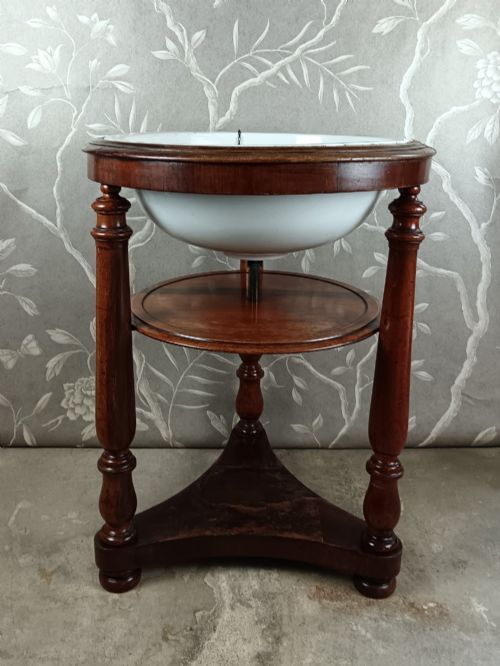
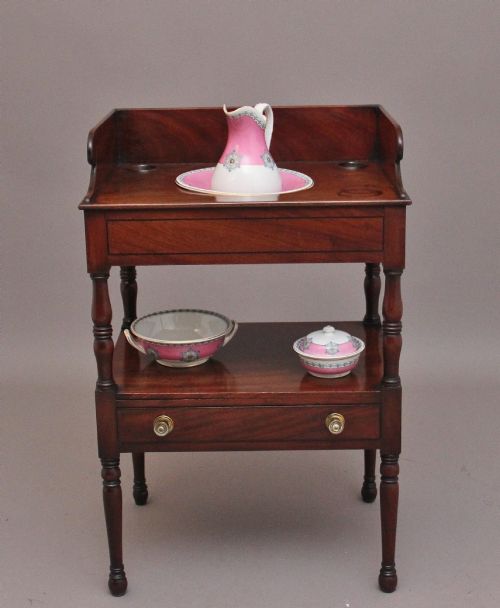
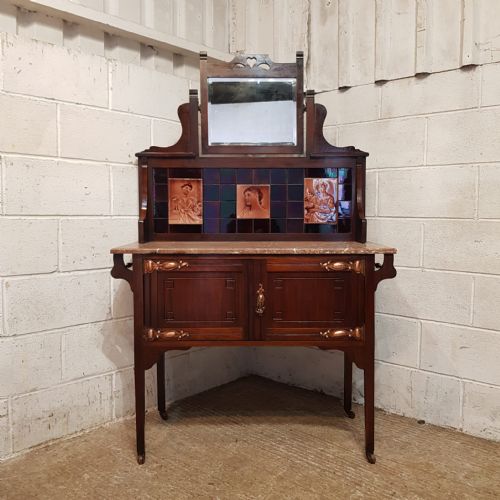
These vessels were standard fixtures in nineteenth-century bedrooms, often paired with matching jugs on timber washstands.
How were these basins used daily?
Households filled the basin with water poured from a matching jug to wash hands, face, and hair in the morning or evening.
They sat atop dedicated washstands alongside soap dishes and chamber pots as part of a complete bedroom washing set.
How do I clean an antique basin?
Clean ceramic basins gently using warm water and mild soap, avoiding harsh abrasives that can damage historic glazes.
Take care with old earthenware and ironstone, as aggressive scrubbing can wear away transfer-printed designs and gold leaf.
Can I use an antique basin today?
Many sturdy ironstone and ceramic basins remain suitable for light functional use, though most collectors display them as decorative objects.
They make striking planters, umbrella stands, or centrepieces when given a safe spot away from heavy impacts.