

Antique Ceramic Ware
These antique ceramic ware pieces span centuries of international kiln traditions, offering buyers hand-painted glazes and sculptural vessels shaped by skilled hands.
Antique Ceramic Ware
When searching for antique ceramic ware, buyers encounter a diverse selection of domestic vessels, decorative bowls, and sculptural figures from European and Asian traditions. The pieces span earthenware, porcelain, and stoneware, reflecting centuries of kiln production.
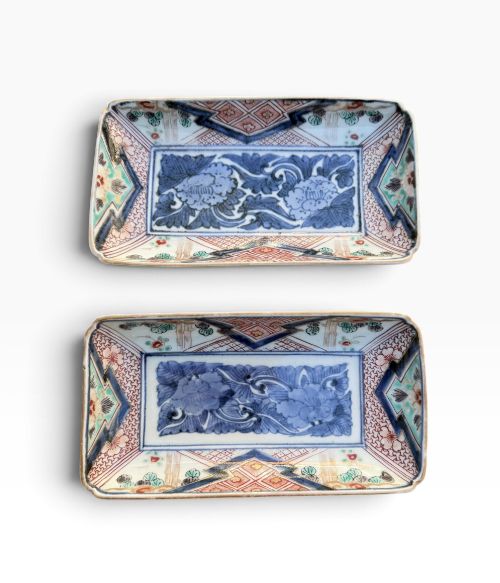
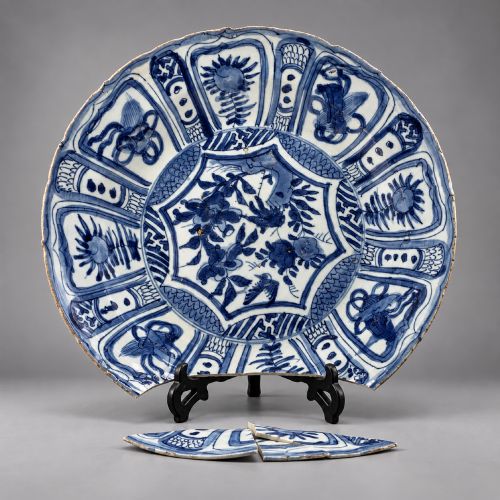
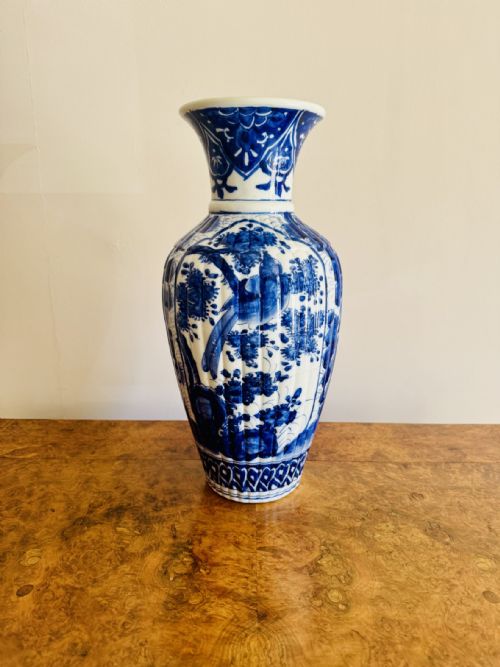
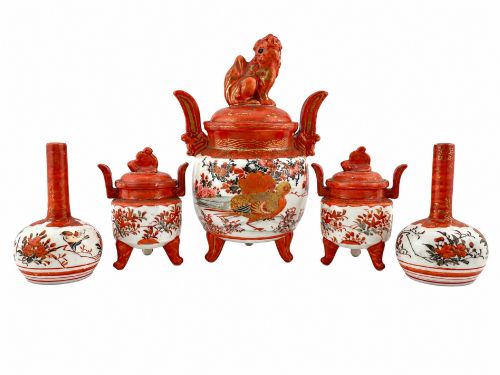
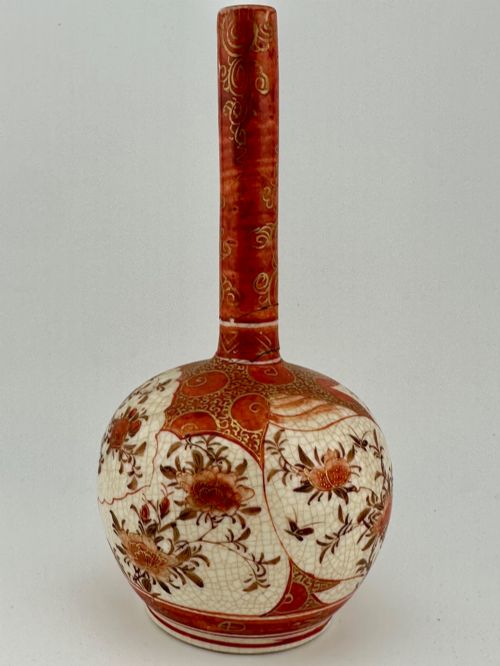
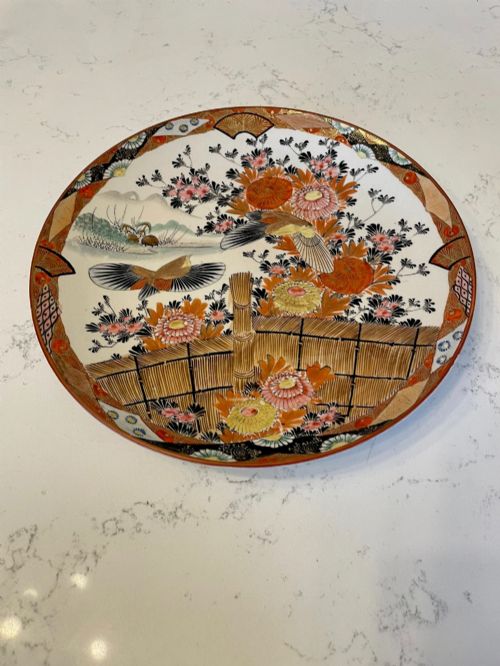
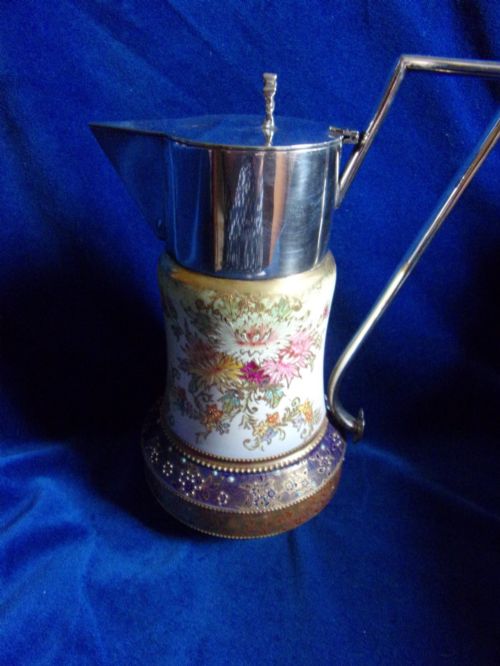
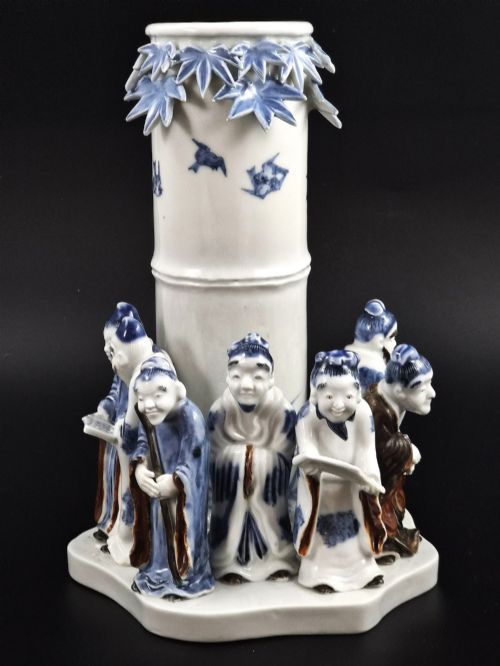
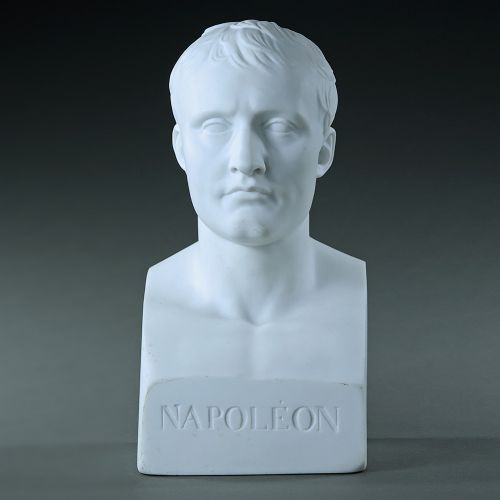
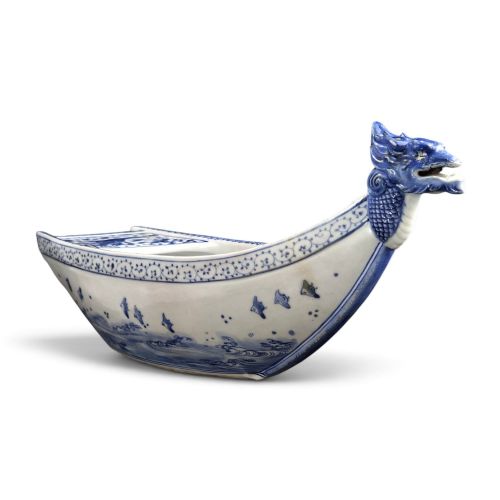
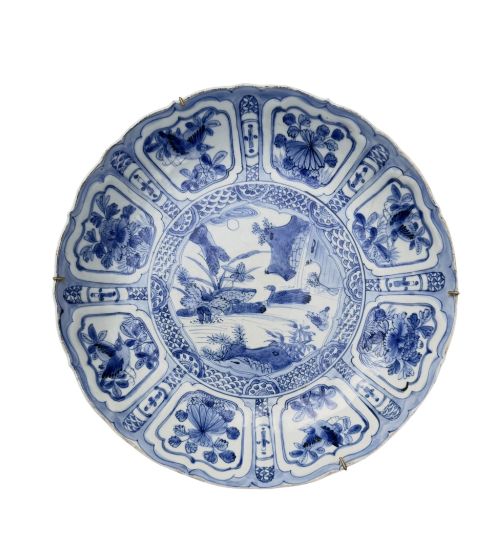
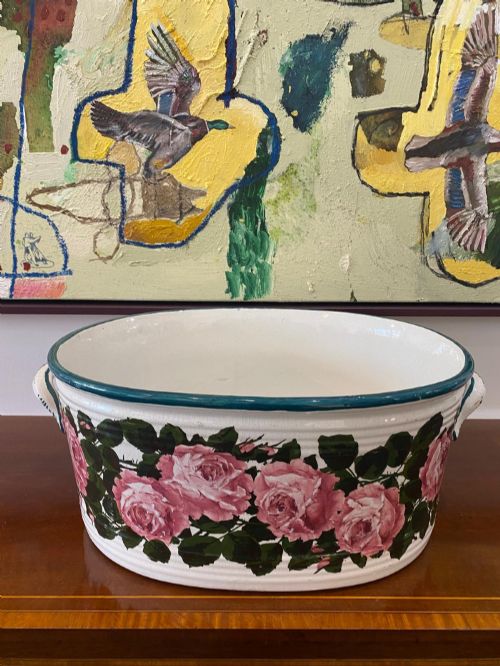
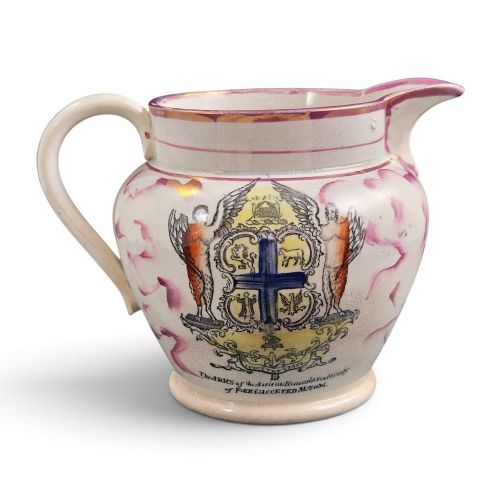
Japanese Imari plates, Kutani garnitures, and Chinese Kraak chargers appear frequently alongside English earthenware jugs, Victorian majolica baskets, and parian busts. These objects range from utilitarian tableware to elaborate display pieces created for international export and domestic use.
How they were made
Potters shaped clay on the wheel or pressed it into moulds before applying various pigments, cobalt blues, and enamel colours. Many items received multiple firings to set underglaze decoration and surface gilt details.
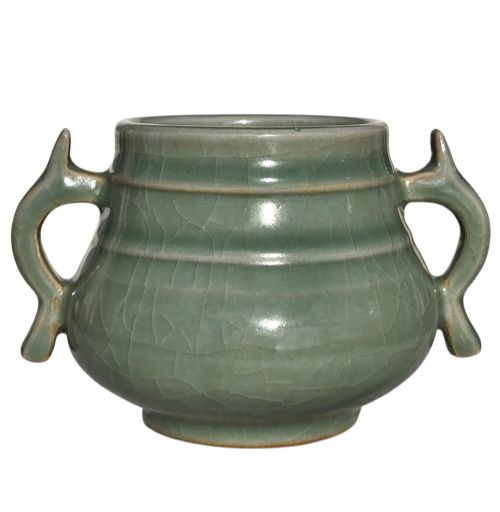
Glazes such as cobalt, pink lustre, and crackle finishes were applied to seal the ceramic body and create reflective surfaces. Specialised techniques like tube lining and hand-painted iron red defined regional aesthetics across British potteries and East Asian kilns.
Materials represented across the inventory include porcelain, earthenware, enamel, gold leaf, and cobalt glaze.
What varies in quality
The precision of hand-painted brushwork and the clarity of cobalt or enamel pigments distinguish finer pieces from standard production items. Artisanal control over kiln temperatures and glaze consistency directly affects the depth and brilliance of the finished surface.
Sculptural definition in moulded wares, such as parian figures and majolica reliefs, determines the crispness of fine details. Signed pieces and items from established potteries often demonstrate superior artistic ambition in their design and execution.
Shozo·Richard Chaffers·Inoue Ryōsai·George Jones
The Antique Ceramic Ware Glossary
- Imari
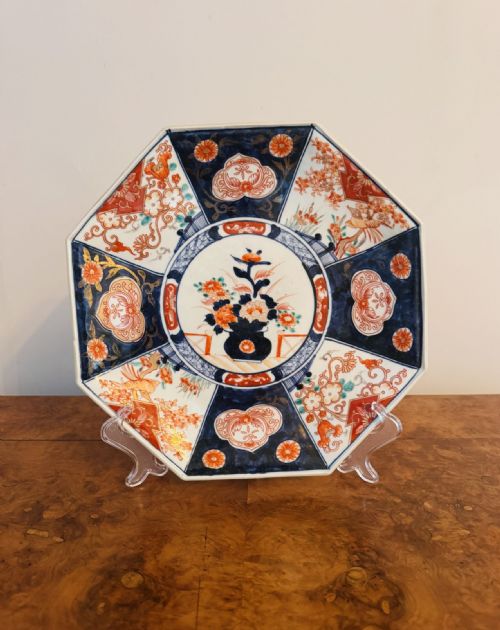
- A style of Japanese porcelain decorated in underglaze blue, iron red, and gold, named after the port of export. This aesthetic gained immense popularity in Europe during the seventeenth and eighteenth centuries.
- Kraak porcelain
- Chinese export porcelain produced during the late Ming dynasty, characterised by panelled border designs and central aquatic or floral motifs. These vessels often reached Europe via Dutch East India Company trade.
- Parian ware
- A fine-grained, unglazed white porcelain resembling marble, developed in Victorian Britain. It was widely used for sculptural busts and classical figures.
- Majolica
- A type of earthenware coated with an opaque tin glaze and painted with brightly coloured metallic oxide pigments. Victorian potteries utilised this technique for vibrant garden seats and decorative tableware.
- Kutani
- Japanese coloured porcelain originating from the province of Kaga, notable for bold iron red and gold palettes. Pieces frequently depict detailed figures, birds, and natural landscapes.
Antique Ceramic Ware: Frequently Asked Questions
What is antique ceramic ware?
Antique ceramic ware encompasses pottery, earthenware, stoneware, and porcelain objects created across various international traditions centuries ago. The category includes both functional vessels and purely decorative items.
These pieces reflect the distinct material techniques and artistic styles of their respective periods and regions of origin.
How do I care for antique ceramics?
Display antique ceramics away from direct sunlight and areas subject to sudden temperature fluctuations to protect fragile glazes and pigments. Dust them gently with a soft, dry brush.
Avoid immersing old porous earthenware in water, and wash glazed porcelain cautiously by hand when strictly necessary.
How are Japanese Imari and Kutani distinguished?
Imari porcelain relies primarily on a palette of underglaze cobalt blue, iron red, and supplementary gold. The designs often feature intricate floral and geometric panels.
Kutani ware prominently employs thick iron red and heavy gold enamel overglazes, frequently depicting figurative scenes, birds, and dense natural foliage.
What is parian ware?
Parian ware is a type of biscuity, unglazed porcelain introduced in Victorian Britain to replicate the appearance of carved white marble. It was prized for smooth portrait busts and classical figures.
Potteries utilised moulds to capture fine anatomical details and drapery folds on these decorative sculptures.