



Antique Ceramic Toilet Bowl
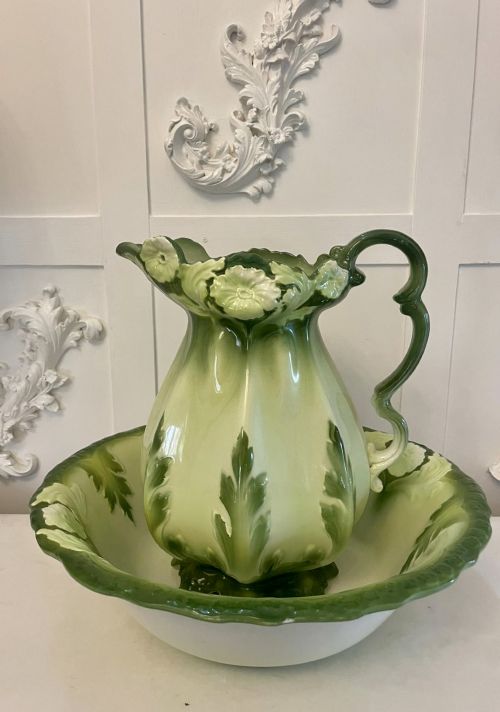
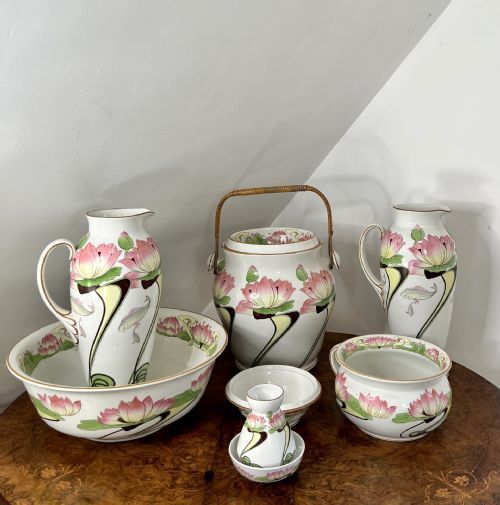
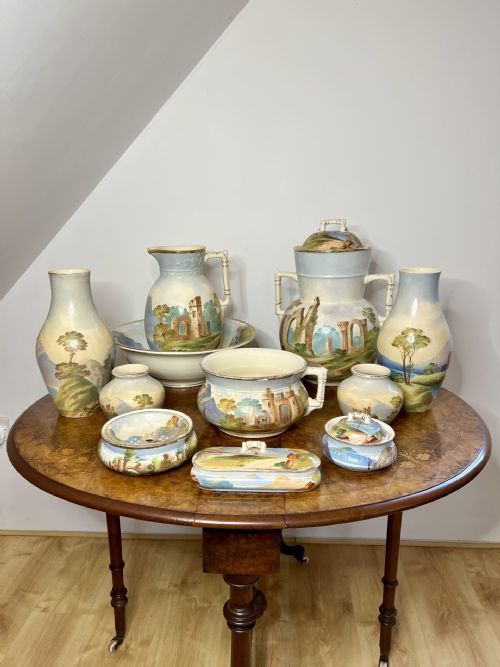
These antique ceramic toilet bowl pieces are wash sets and sanitaryware, offering practical utility and period charm for a traditional interior.
Antique Ceramic Toilet Bowl
An antique ceramic toilet bowl search typically reveals wash sets, washstand sets, and jug and basin sets originating from the Victorian, Edwardian, and nineteenth-century periods. These sanitaryware items include blue and white pottery toilets with seats, individual basins, and complete bathroom sets.
The most common versions met on this page are Edwardian and Victorian jug and bowl sets, alongside nineteenth-century ironstone pieces and decorated pottery basins like the Gaudy Welsh Celyn pattern.
How they were made
Potters shaped earthenware and ceramic bodies to form durable bowls, basins, and matching jugs for daily washstand use. Finished surfaces received protective glaze coatings and enamel details.
Some pieces incorporate gold leaf, gilt highlights, or transfer-printed blue and white patterns applied beneath or over the glaze during manufacture.
Antique Ceramic Toilet Bowl Retail Price Guide 2026
Typical asking prices for ceramic toilet bowl among the pieces listed under this phrase on Sellingantiques today, from the lower quarter to the upper quarter. They describe what is for sale here now, not the wider market.
Listings feature earthenware and ceramic pieces decorated with enamel, gilt, and gold leaf across Victorian and Edwardian periods.
What varies in quality
Quality rests in the crispness of the transfer print, the evenness of the glaze, and the preservation of any gilt or gold leaf detailing. Complete sets matched by a single maker show greater cohesion than mixed assemblages.
The sophistication of the period style, whether Art Nouveau, Aesthetic Movement, or Victorian Gaudy Welsh, dictates the visual depth and decorative ambition of the ceramic body.
Doulton Burslem·Mark Jones And Sons·Masons
The Antique Ceramic Toilet Bowl Glossary
- Sanitaryware
- Ceramic fixtures intended for washing and bathroom use. These comprise basins, bowls, and complete toilet sets.
- Earthenware
- A porous pottery body fired at lower temperatures, requiring a vitreous glaze to hold water. It forms the base for many nineteenth-century wash sets.
- Ironstone
- A durable, heavy ceramic developed in the nineteenth century to imitate porcelain. It provides strong resistance to chipping on heavy-use items.
- Gaudy Welsh
- A style of colourful pottery featuring cobalt blue, copper lustre, and red enamel accents. It appears on domestic basins and tableware from the period.
- Glaze
- A glassy coating fused to the ceramic body by heat. This layer seals the porous clay and provides a smooth, washable surface.
Antique Ceramic Toilet Bowl: Frequently Asked Questions
What is an antique ceramic toilet bowl set?
These items comprise nineteenth-century sanitaryware, including wash basins, toilet bowls with seats, and matching water jugs.
They represent the primary washing and bathroom arrangements used before modern indoor plumbing became universal.
How do I date these ceramic pieces?
Dating relies on stylistic markers associated with Victorian, Edwardian, Art Nouveau, and Aesthetic Movement periods.
Maker marks stamped into the ceramic body also help establish the exact era of production.
Were these used for daily washing?
Wash sets served as the central bedroom washing apparatus before fitted bathrooms existed in homes.
Water was poured from the jug into the basin for morning ablutions.
Can I use these in a modern bathroom?
Many buyers repurpose these ceramic basins and sets as decorative flower containers or washstand displays.
Older glazed earthenware requires careful handling if integrated into contemporary plumbing systems.