




Antique Ceramic Putto
When you search for an antique ceramic putto, you find figures and decorative works rooted in Georgian, Victorian, and Edwardian design.
Antique Ceramic Putto
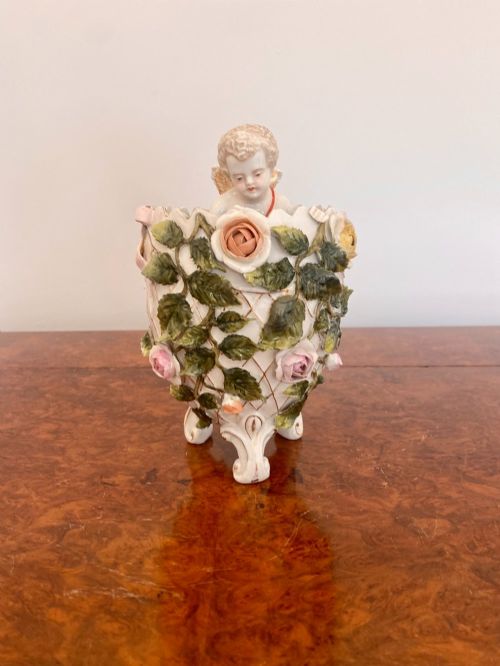
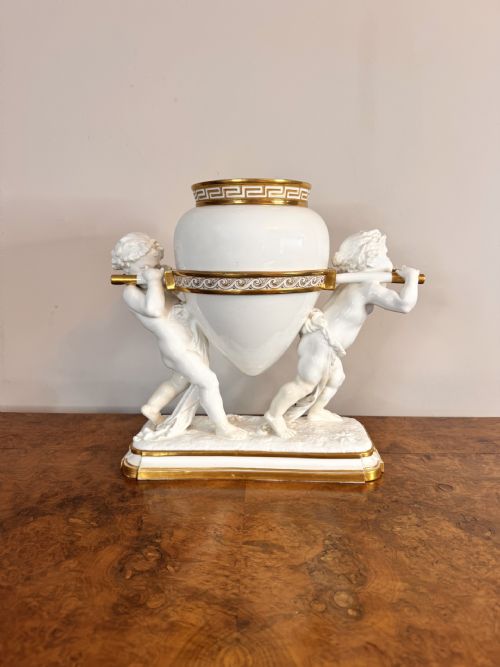
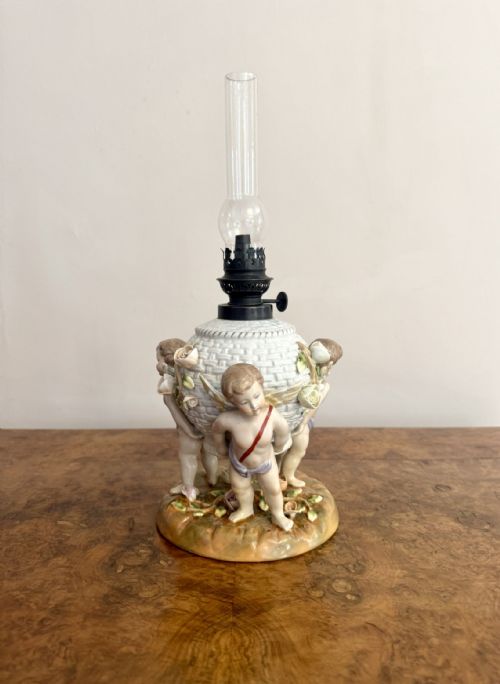
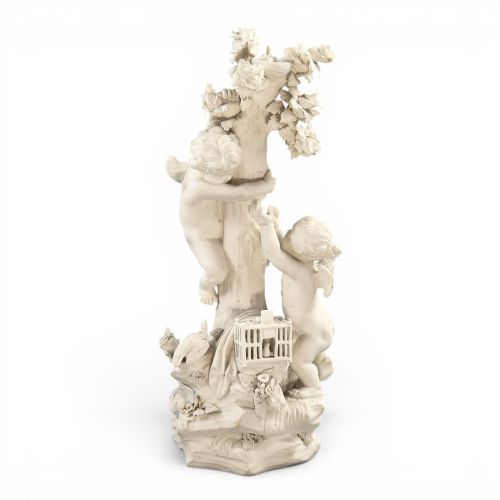
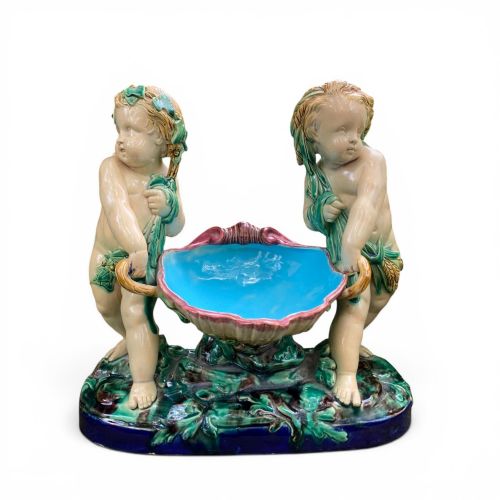
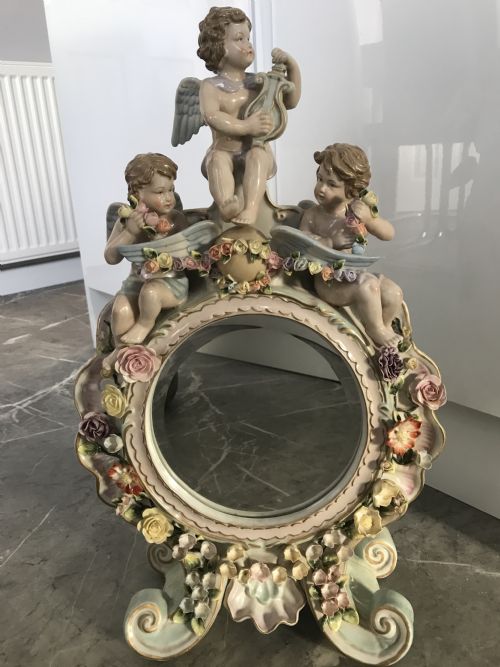
An antique ceramic putto represents a classic winged child figure appearing across a wide selection of decorative objects, from porcelain figurines and candlesticks to large centrepieces and mirrors.
The versions most commonly met on this page span the eighteenth, nineteenth, and early twentieth centuries, reflecting diverse European traditions including Meissen style, Bow, and continental porcelain workshops.
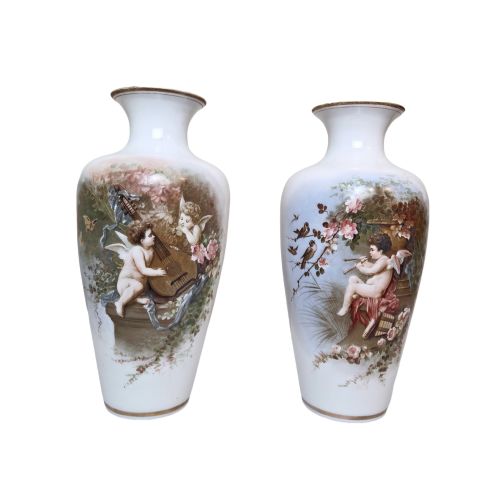
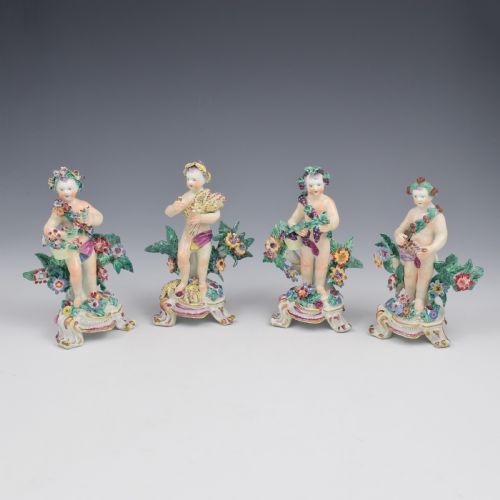
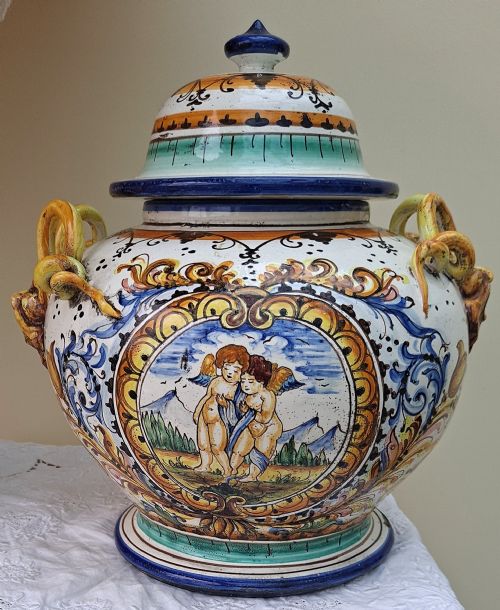
These pieces range from single allegorical figures representing seasons or elements to elaborate wall brackets, oil lamps, and vases adorned with multiple cherubs.
How these pieces were made
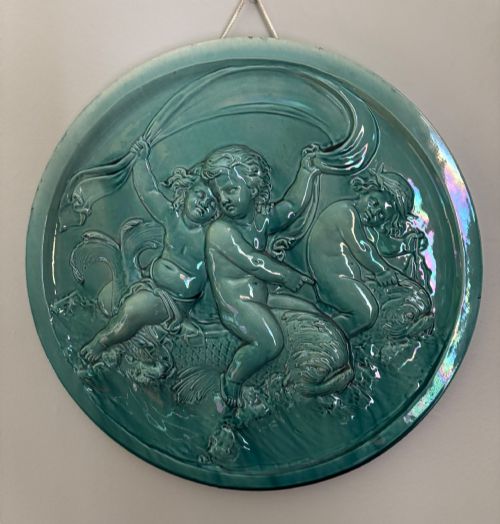
Potters utilised ceramic materials such as porcelain, earthenware, and majolica, shaping them into complex figural compositions and vessel bodies.
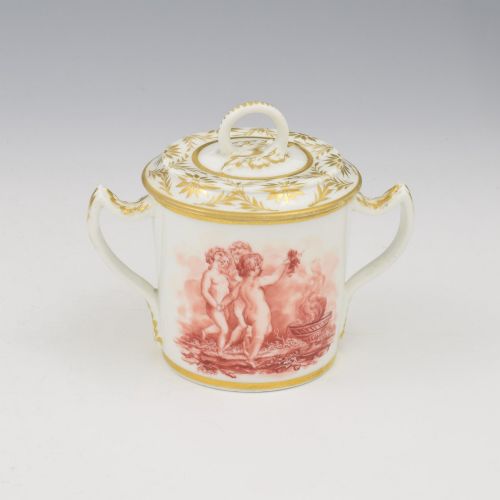
Many items incorporate applied details such as flowers and delicate foliage, alongside enamel painting, glaze, gilding, and gold leaf.
Antique Ceramic Putto Retail Price Guide 2026
Typical asking prices for ceramic putto among the pieces listed under this phrase on Sellingantiques today, from the lower quarter to the upper quarter. They describe what is for sale here now, not the wider market.
Putti occasionally wear tiny hats, hold dead birds, or wrangle farmyard animals, proving that even celestial beings had a chaotic side.
What varies in quality
The refinement of the modelling separates standard production from exceptional examples, seen in the crispness of facial expressions, wing feathering, and the dexterity of applied floral elements.
Hand-painted enamel work and the application of glaze or gilt influence the visual depth and finish of each piece.
Meissen·Bloor Derby·Sitzendorf·Clement Messier·Royal Dux Bohemia·Paul Scheurich·Bow·Minton·Enoch Wood And Sons·Schierholz Plaue·Chelsea·Royal Worcester·Bernhard Bloch·Veuve Perrin·Triebner Ens And Eckert Volkstedt
The Antique Ceramic Putto Glossary
- Putto
- A representation of a plump, naked child, often winged, derived from classical art and frequently seen in European decorative ceramics.
- Majolica
- A type of earthenware coated with an opaque tin glaze and painted with coloured metal oxides, popular in nineteenth-century decorative works.
- Centrepiece
- A large ornamental object designed to sit in the middle of a dining table or furnishing surface, often incorporating figural groups.
- Biscuit
- Unglazed ceramic fired once, producing a matte, tactile surface texture common in eighteenth-century figural works.
Antique Ceramic Putto: Frequently Asked Questions
What is an antique ceramic putto used for?
These ceramic figures and vessels serve primarily as decorative interior ornaments, often functioning as standalone sculptural works, table centrepieces, or functional lighting items like oil lamps and candlesticks.
Collectors and interior decorators place them on dressing tables, mantelpieces, and wall brackets to add classical sculptural detail to a room.
How do I tell different periods apart?
Distinguishing between periods relies on observing stylistic markers, such as the exuberant scrollwork of eighteenth-century Rococo pieces versus the heavier moulded forms of the Victorian era and the distinct linearity of Edwardian items.
Material finishes also provide clues, as early eighteenth-century figures often feature soft biscuit or early glaze characteristics, while nineteenth-century majolica and late porcelain display brighter enamel palettes.
Are all cherub figures porcelain?
While porcelain is the most frequent material encountered in these listings, putti and cherub motifs also appear in earthenware, majolica, and faience productions.
Secondary materials such as glass, brass, and gold leaf frequently accompany the ceramics in items like mirrors, lamps, and mounted vases.
How should I care for ceramic putto figures?
Care involves gentle dusting with a soft brush to protect delicate applied elements like flowers and protruding wings from accidental damage.
Avoiding harsh cleaning agents preserves the integrity of hand-painted enamels, gilt highlights, and surface glazes over time.