


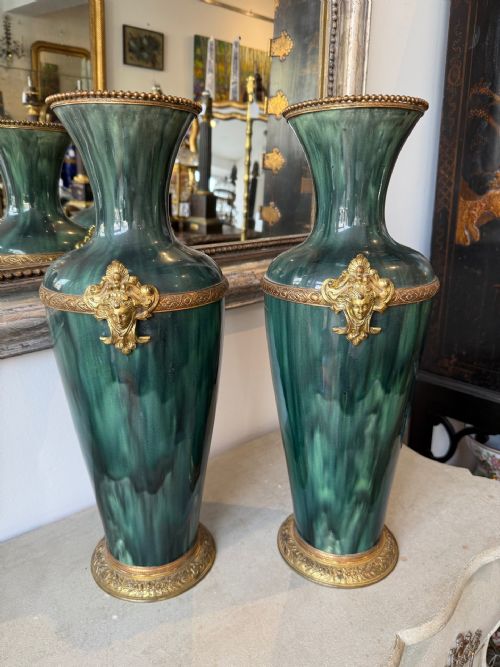


Antique Ceramic Mantle Vases
These antique ceramic mantle vases sit proudly across nineteenth and early twentieth-century domestic interiors, bringing hand-painted scenes and rich gilding to display surfaces.
Antique Ceramic Mantle Vases
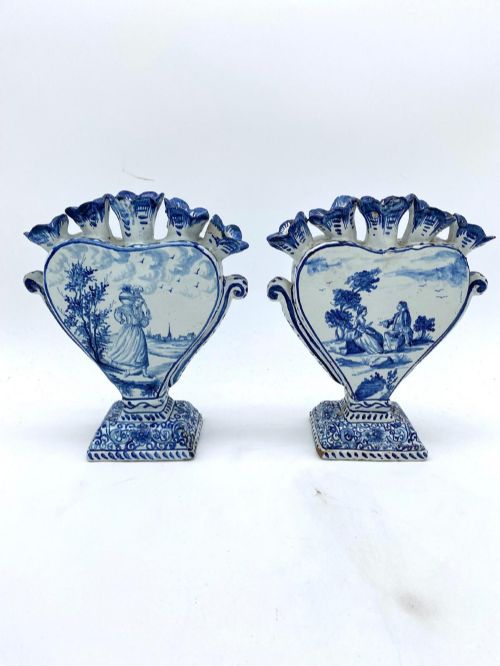
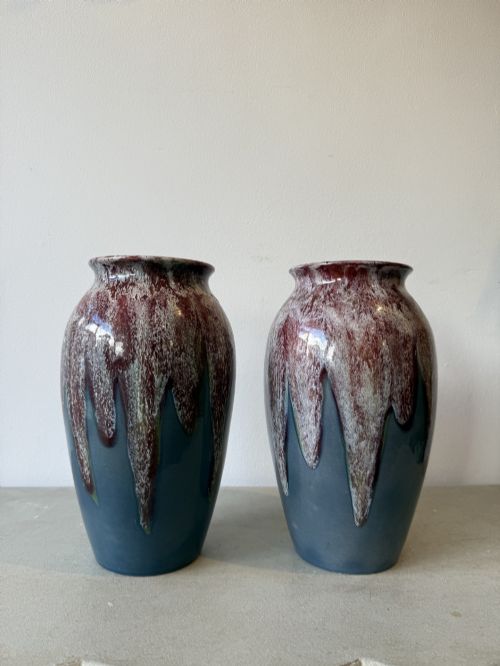
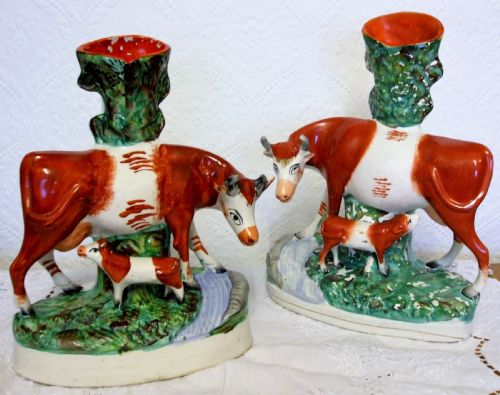
When you search for antique ceramic mantle vases, you encounter a diverse array of decorative vessels designed specifically for display on fireplace shelves and side tables. The selection ranges from Victorian Staffordshire spill vases and earthenware animal figures to sophisticated porcelain garniture sets from English and continental factories.
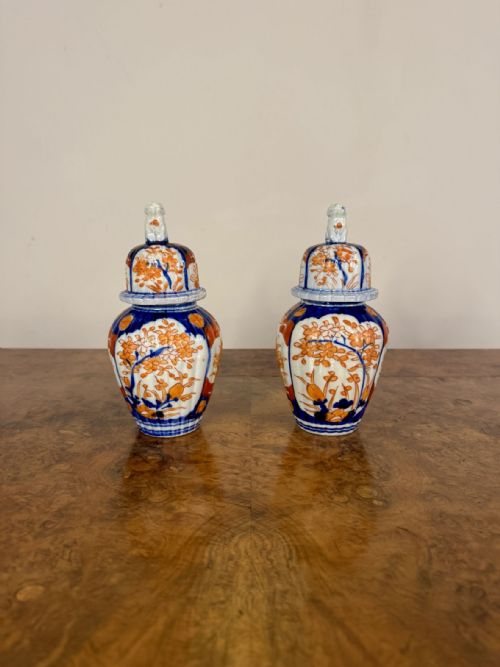
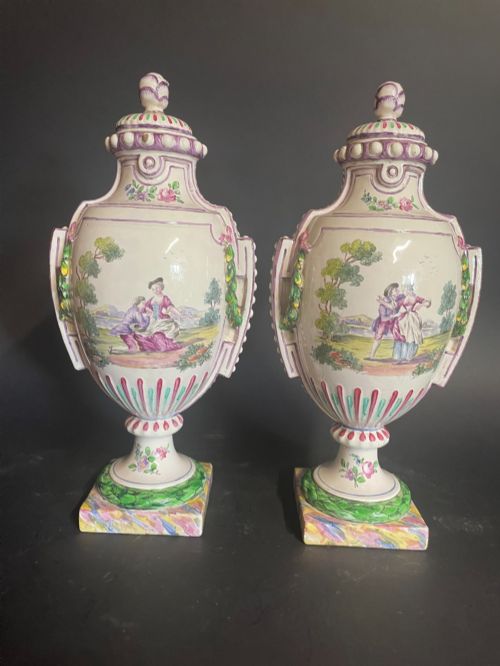
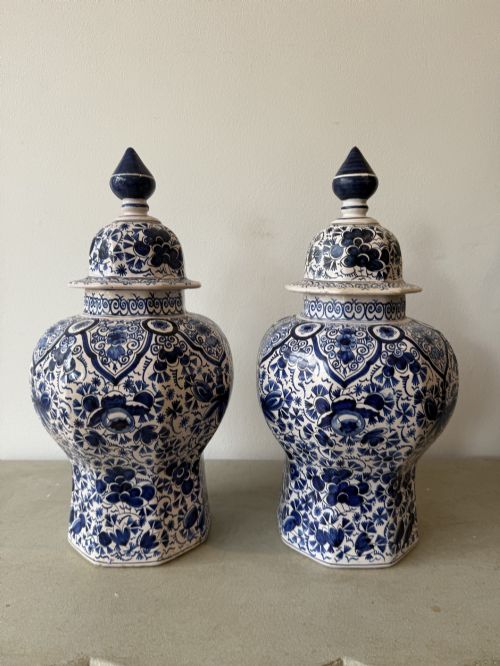
Pairs and larger sets dominate the selection, often taking the form of urns, lidded jars, or ewers intended to balance symmetrically on either side of a clock or centrepiece. You will also find individual cabinet pieces, such as portrait vases and exhibition pieces bearing hand-painted natural motifs.
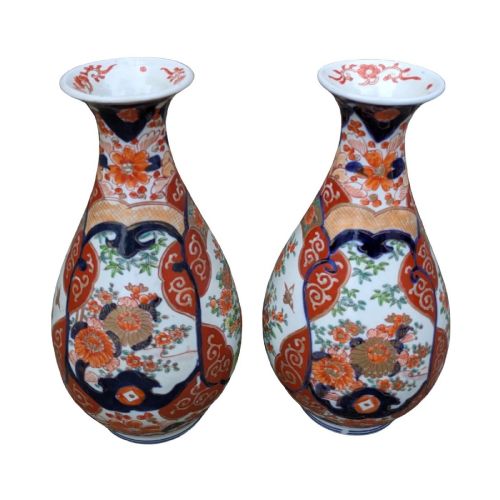
The periods represented span from eighteenth-century examples up to the early twentieth century, taking in Victorian, Edwardian, and Meiji aesthetics. Styles vary from Rococo Revival and Neoclassical shapes to Japanese Imari patterns and Satsuma earthenware.
Materials and methods of production
Potters utilised fine porcelain, earthenware, and bisque body pastes, shaping them on the wheel or casting them in moulds before kiln-firing. Glazes, enamel colours, and slip decoration were then applied in stages, sometimes incorporating delicate pate-sur-pate techniques to build up relief designs.
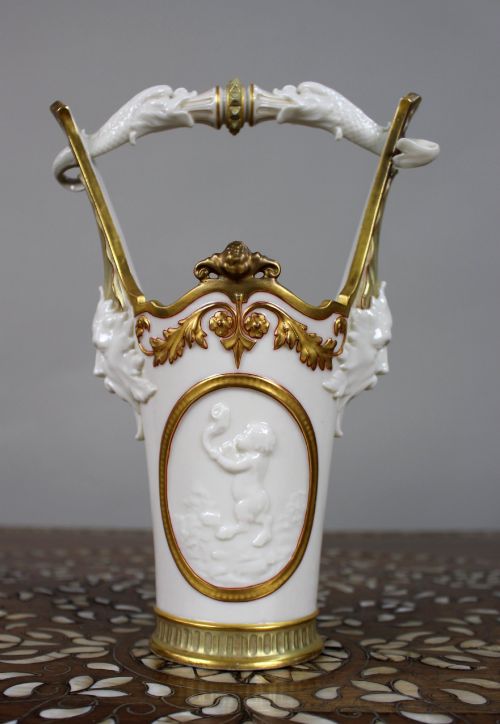
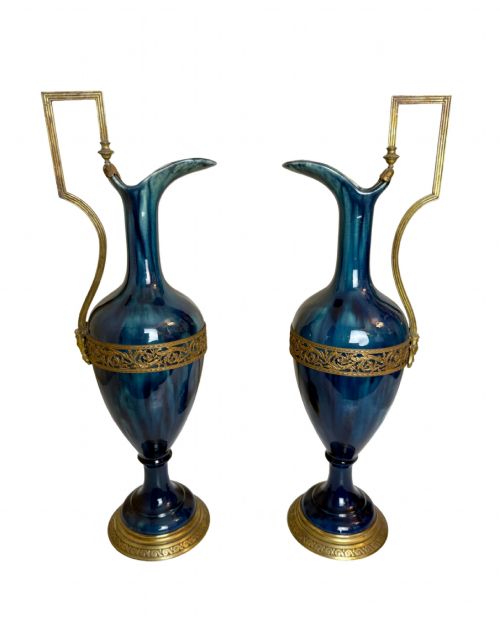
Gilding forms a significant element across many pieces, utilising gold leaf or liquid gold highlights to accentuate moulded handles and borders. Mounts of ormolu or gilt bronze frequently secure porcelain bodies, adding structural weight and metallic contrast to the ceramics.
Antique Ceramic Mantle Vases Retail Price Guide 2026
Typical asking prices for ceramic mantle vases among the pieces listed under this phrase on Sellingantiques today, from the lower quarter to the upper quarter. They describe what is for sale here now, not the wider market.
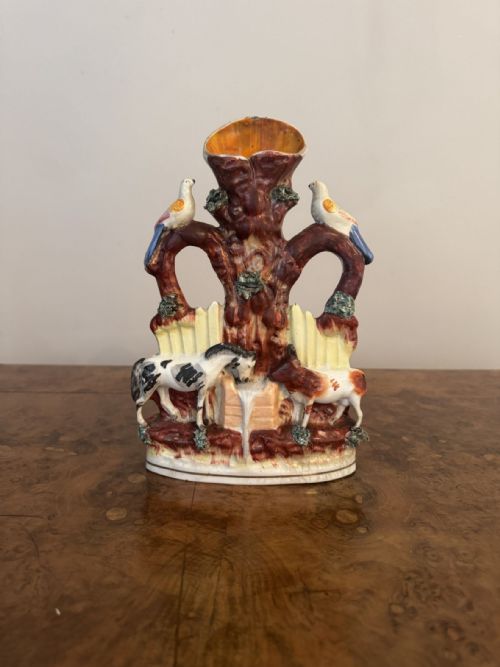
Sturdy porcelain cows and sheep double as functional nineteenth-century spill holders on domestic hearths.
Distinctions in craftsmanship and design
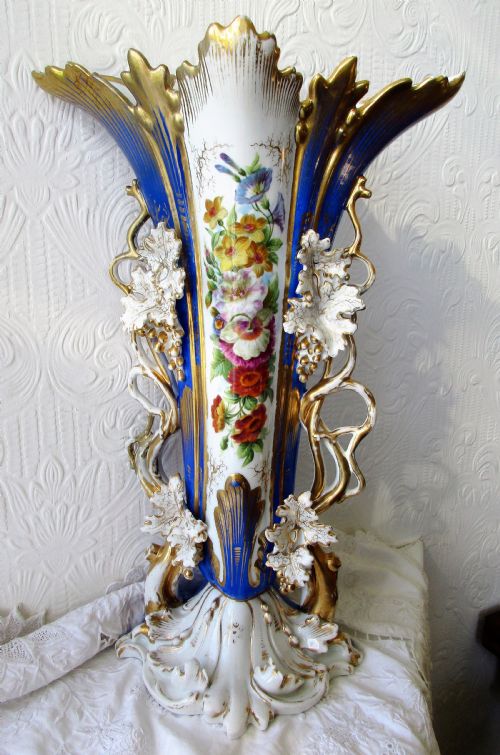
The standard of hand-painted artistry dictates the upper tier of these objects, where named artists contribute detailed botanical studies, animal portraits, or historical scenes rather than generic transfer-printed decoration. Crispness in moulded relief and the precision of the gilding further separate standard production wares from exhibition-grade creations.
Factory pedigree and the preservation of original mounts or matching garniture components heavily influence the stature of a piece. Comprehensive sets that retain their intended symmetry and factory marks demonstrate superior preservation compared to assembled groups or heavily restored items.
Royal Worcester·Royal Vienna·Doulton Lambeth·Minton·Derby·Sceaux Faience·Vion et Baury·Dresden
The Antique Ceramic Mantle Vases Glossary
- Garniture
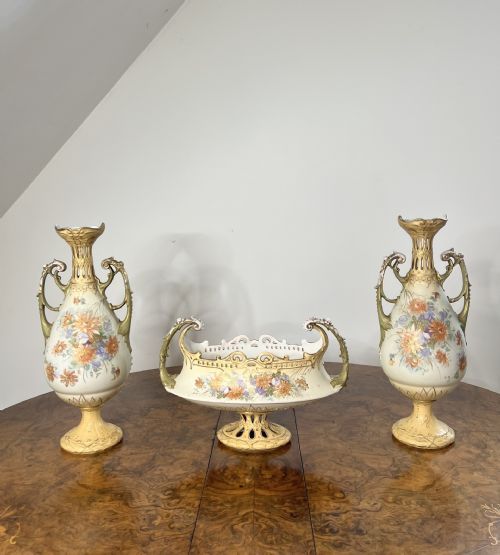
- A set of three or more matching vases designed to be displayed together on a mantlepiece or sideboard. They typically comprise a central larger vessel flanked by smaller matching counterparts.
- Spill Vase
- A narrow cylindrical vessel intended to hold wooden spills used for lighting pipes, candles, or fires. Victorian examples often incorporate sculptural animal or human figures at the base.
- Pate-sur-Pate
- A method of ceramic decoration where successive layers of liquid clay slip are brushed onto a body to build up a low relief cameo effect. This technique requires immense skill from the artist to achieve translucent tonal gradations.
- Ormolu
- Gilded bronze mounts applied to ceramic vessels to provide structural support, handles, or decorative feet. French and English makers utilised this metalwork to elevate decorative urns.
- Imari
- A style of Japanese export ceramic characterised by a distinctive palette of underglaze blue, iron red, and gold. European factories frequently imitated these dynamic patterns during the nineteenth century.
Antique Ceramic Mantle Vases: Frequently Asked Questions
What is a garniture set?
A garniture set consists of matching vases or urns, usually numbering three, four, or five pieces, designed for symmetrical arrangement on a mantlepiece.
Maker workshops produced these sets to create a unified decorative statement across large domestic fireplaces and display cabinets.
How do spill vases differ from standard vases?
Spill vases feature narrow, tubular openings specifically sized to hold wooden taper spills used for lighting fires and candles before the invention of safety matches.
Victorian potters frequently modelled these utilitarian items with charming earthenware figures of animals, birds, or rustic characters at the base.
How do I care for antique porcelain?
Dust these ceramic pieces gently with a soft, dry brush and avoid using water or chemical cleaners on gilt surfaces.
Display them away from direct sunlight and areas subject to sudden temperature changes to protect the fragile enamels and glazes.
How can I distinguish between English and continental porcelain?
English factories often utilised specific soft-paste and bone china bodies, whilst continental makers employed hard-paste porcelain or earthenware.
Examining the factory marks, glaze characteristics, and stylistic influences of periods like French Rococo Revival or Japanese Imari helps identify the origin.