



Antique Ceramic Hand Sculpture
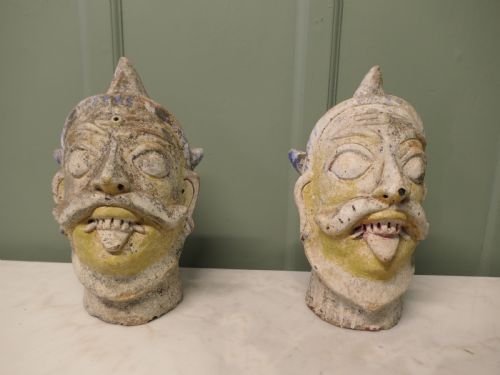
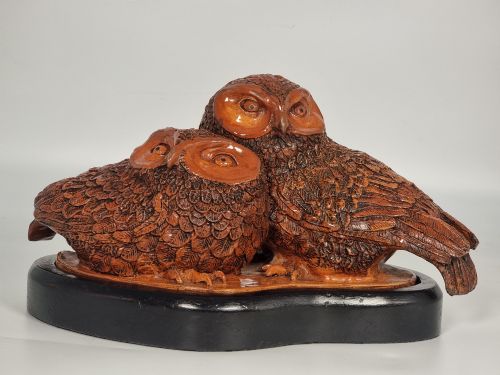
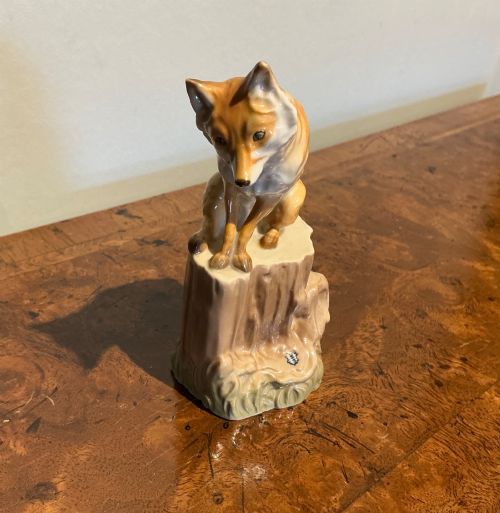
These figures bring centuries of craft to a room, showing how makers shaped clay into animals, deities and people.
Antique Ceramic Hand Sculpture
When searching for an antique ceramic hand sculpture, collectors encounter a diverse range of figurines, animals and decorative carvings spanning several centuries. The selections on this page draw from European porcelain factories, English studio potteries and Asian kilns, with 19th-century German and Chinese works appearing frequently.
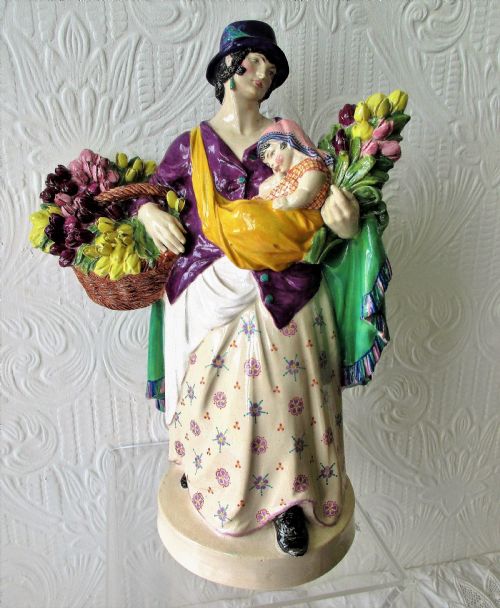
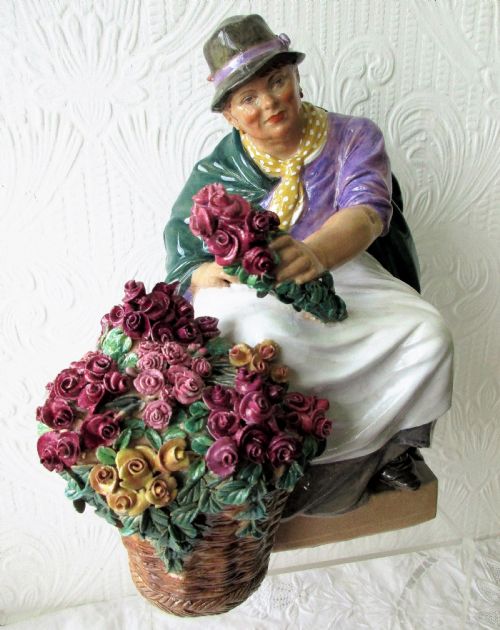
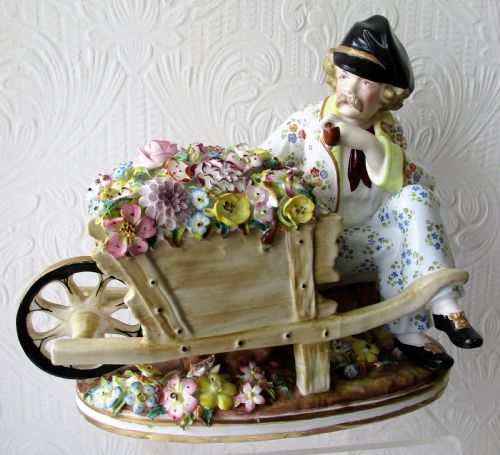
The objects take many forms, from mythological figures and pastoral groups to birds, deities and street traders. Figures such as Meissen allegories, Derby shepherds and Kutani immortals represent the primary styles available to buyers.
Origins stretch across European traditions like Rococo Revival and Art Deco, alongside Japanese Meiji period pieces and Chinese Qing dynasty works. This mixture reflects global trade and shifting aesthetic tastes across the eighteenth, nineteenth and early twentieth centuries.
Materials and production methods
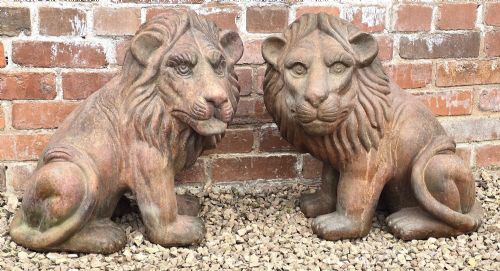
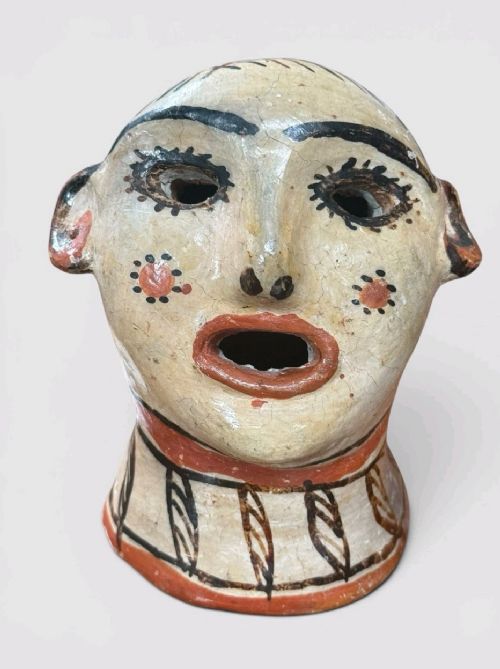
Makers utilised hard-paste porcelain, earthenware and terracotta as the primary bodies for these sculptures. Potters shaped the clay by hand or pressed it into moulds before applying intricate details.
Decoration relied on hand-painted enamels, fluid glazes and touches of gold leaf or gilt highlights. Firing required precise kiln temperatures to fuse the colours and glass coatings to the ceramic surface.
Antique Ceramic Hand Sculpture Retail Price Guide 2026
Typical asking prices for ceramic hand sculpture among the pieces listed under this phrase on Sellingantiques today, from the lower quarter to the upper quarter. They describe what is for sale here now, not the wider market.
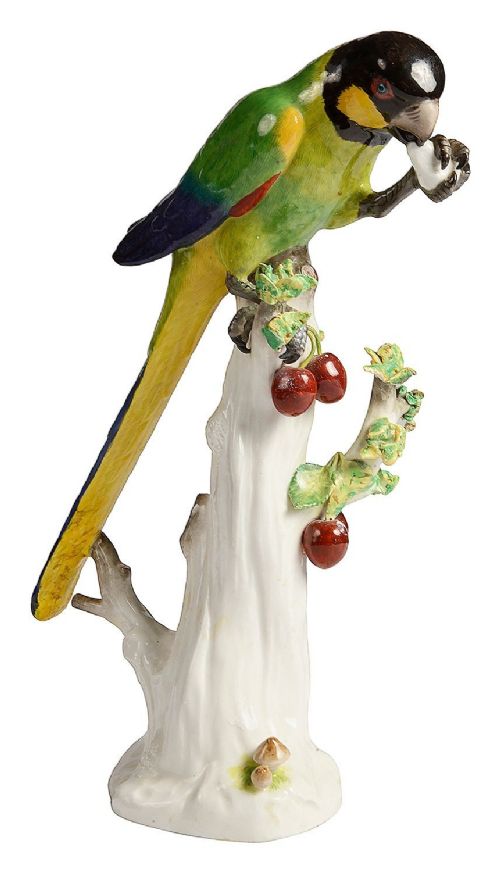
Several figures portray birds, including Meissen parrots and hoopoes perched permanently on ceramic tree trunks.
Factors that define superior examples
The fineness of the modelling separates standard production wares from superior examples. Master modellers achieved crisp facial expressions, delicate fingers and dynamic drapery that lesser workshops missed.
The precision of the hand-painted enamels and the richness of the gilding dictate visual impact. Crisp lines and careful shading show the hand of a skilled decorator rather than a hurried factory worker.
Charles Vyse·John Bevington·Eugene Clauss·Helena Wolfsohn
The Antique Ceramic Hand Sculpture Glossary
- Hard-paste porcelain
- A dense, vitrified ceramic made from petuntse and kaolin, fired at high temperatures. It forms the durable body of many European and Asian figures.
- Enamel
- Opaque glass fused to the ceramic surface during a secondary firing. It provides the vibrant colours seen on robes and flowers.
- Gilt
- A thin layer of gold applied to highlights, bases or garments. It adds decorative contrast to the fired glaze beneath.
- Bocage
- Applied ceramic foliage and leaves framing a figure, common in eighteenth-century English porcelain. It creates a lush background scene.
- Okimono
- A Japanese decorative carving intended for display in a tokonoma alcove. These figures often depict deities, immortals or everyday workers.
Antique Ceramic Hand Sculpture: Frequently Asked Questions
What periods do these ceramic sculptures come from?
The pieces span from the mid-eighteenth century through the Victorian era and into the early twentieth century. This covers various historical aesthetics including Rococo Revival, Art Deco and the Japanese Meiji period.
European factories and Asian kilns contributed distinct styles during these eras, allowing collectors to trace changes in ceramic technology and artistic taste over hundreds of years.
How were these figures displayed originally?
Many European groups served as table centrepieces or mantel ornaments in wealthy salons and parlours. Asian figures often held spiritual or decorative significance in domestic shrines and reception rooms.
Collectors today place them on desks, cabinets and sideboards where their detailed modelling and hand-painted colours can be viewed closely.
How do I distinguish between European and Asian pieces?
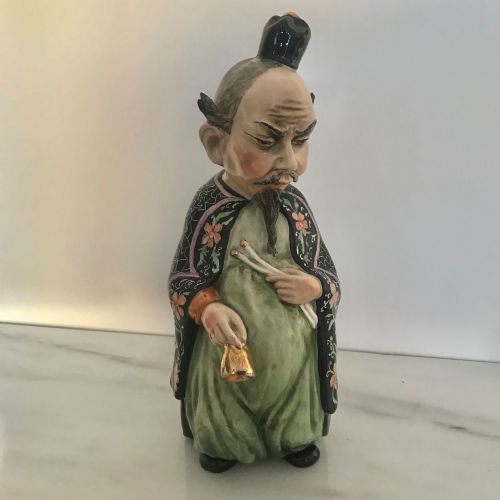
European figures often employ porcelain bodies with pastoral, mythological or allegorical themes rooted in classical traditions. Makers like Meissen, Derby and Volkstedt typify this approach with modelled groups and painted glazes.
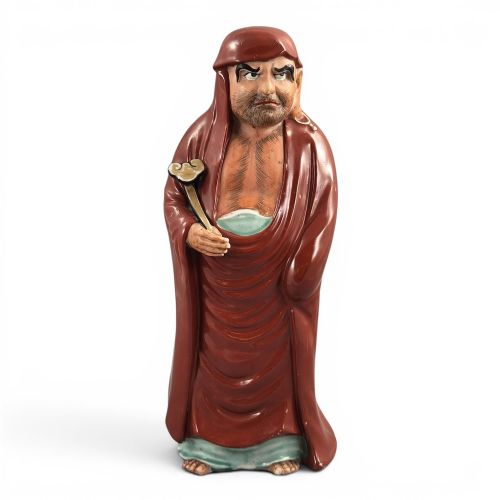
Asian works, such as Kutani and Chinese export ceramics, frequently depict deities, immortals or regional figures like Geishas and Daruma. They utilise distinct glaze palettes, including Famille Rose enamels and celadon tones.
What is the difference between studio pottery and factory porcelain?
Factory porcelain involved large workshops with specialised artisans dividing the labour of moulding, glazing and painting. Names like Meissen and Royal Worcester operated on this commercial scale.
Studio pottery involved individual artists, such as Charles Vyse, who oversaw the entire creation process from clay shaping to final glaze formulation.