


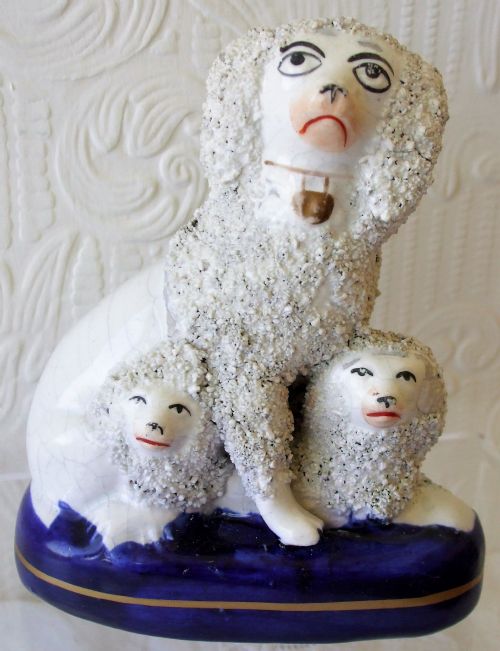

Antique Ceramic Group
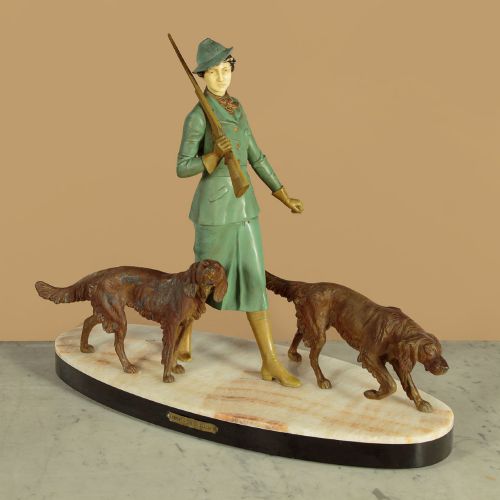
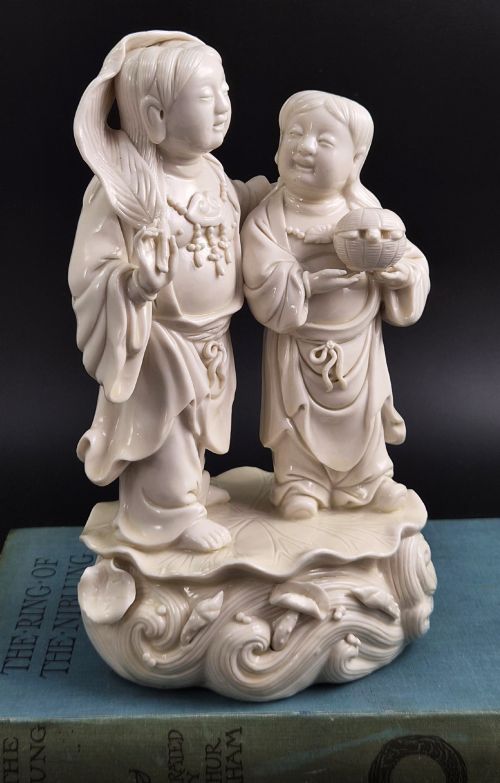
When you search for an antique ceramic group, you encounter multi-figure sculptures in porcelain and earthenware that capture domestic, classical, and romantic scenes.
Antique Ceramic Group
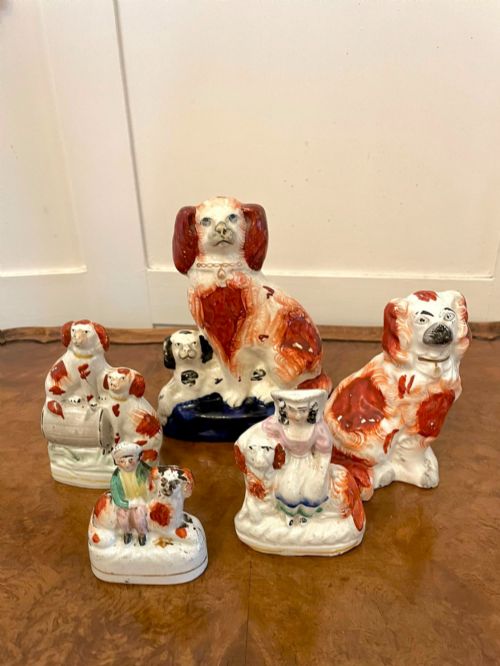
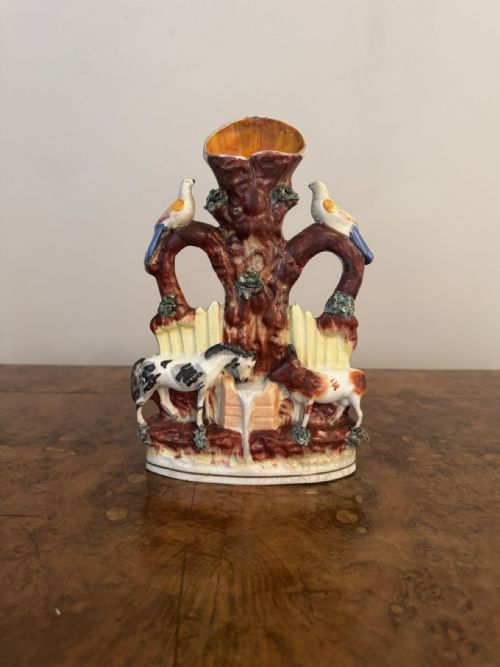
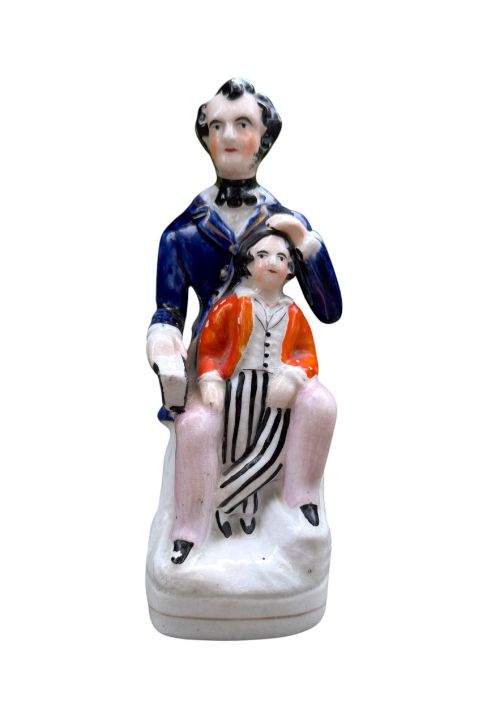
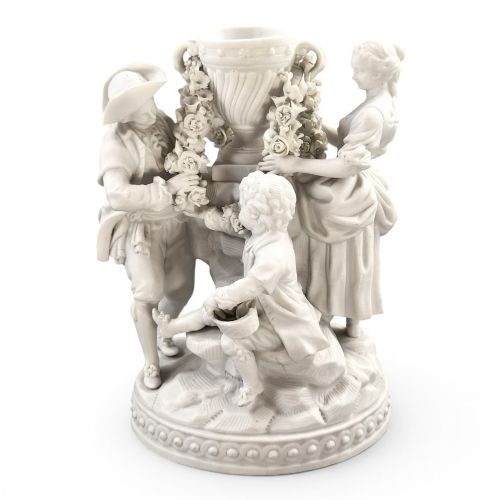
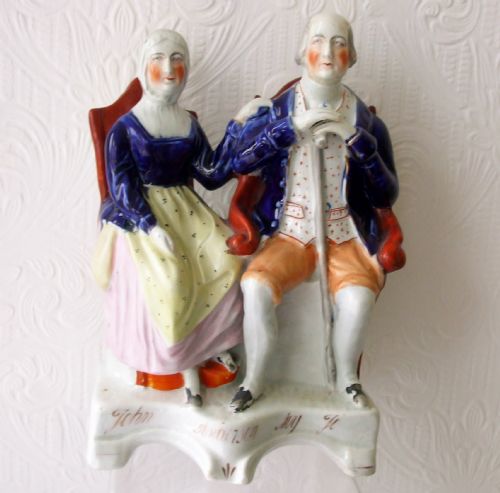
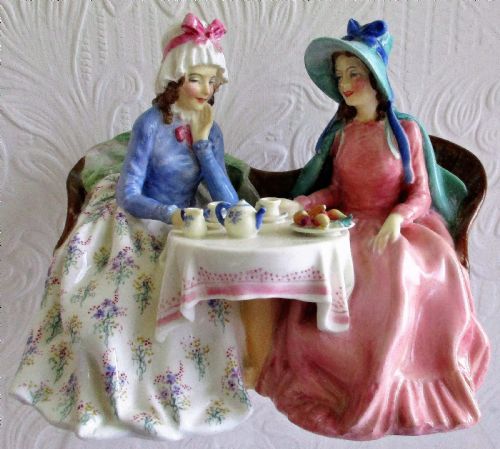
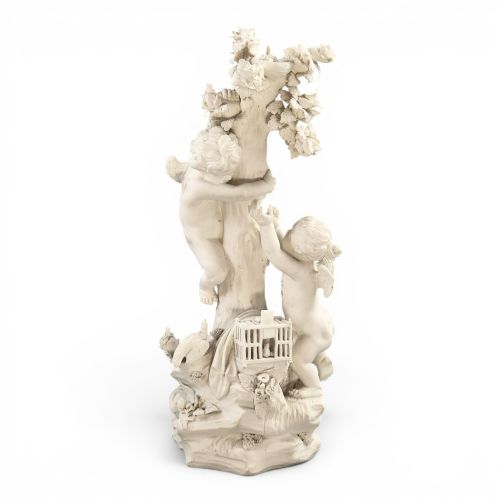
An antique ceramic group brings together two or more modelled figures or animals in a single composition, often depicting mythological tales, literary scenes, or pastoral life. On this page, you will frequently find English Staffordshire earthenware flatbacks alongside continental porcelain groups from Meissen, Derby, and Paris factories.
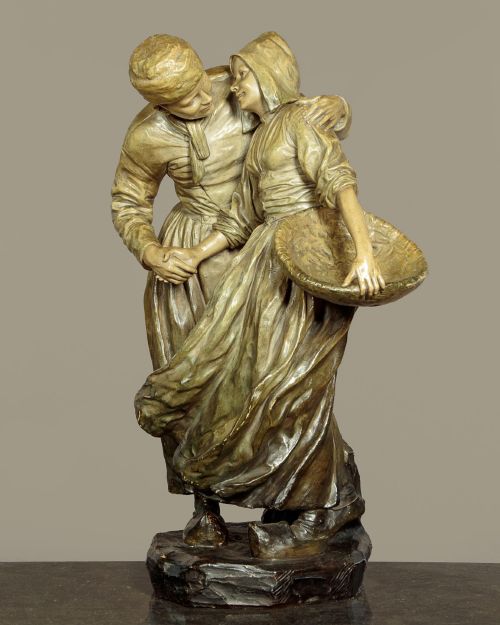
The forms range from large allegorical table centrepieces with intricate bocage backgrounds to pairs of spill vases, portrait figures, and modest earthenware groups representing contemporary historical events. Dating spans from the eighteenth century through the Victorian era into the early twentieth century, crossing Georgian, Victorian, and Art Nouveau styles.
How they were made
Potters utilised materials such as hard-paste porcelain, soft-paste porcelain, earthenware, and terracotta, often applying lead glazes, enamel colours, and touches of gold leaf to finish the surfaces. Many eighteenth and nineteenth-century pieces were cast in moulds in multiple parts before being assembled by hand and fired in kilns.
Specialised techniques distinguish different centres of production, from the biscuit porcelain figures of Derby to the delicate ceramic lace applied by factories like Bourdois and Bloch or Ernst Bohne Söhne. Hand-painting and enamel decoration brought detail to faces, garments, and naturalistic settings such as trees and floral garlands.
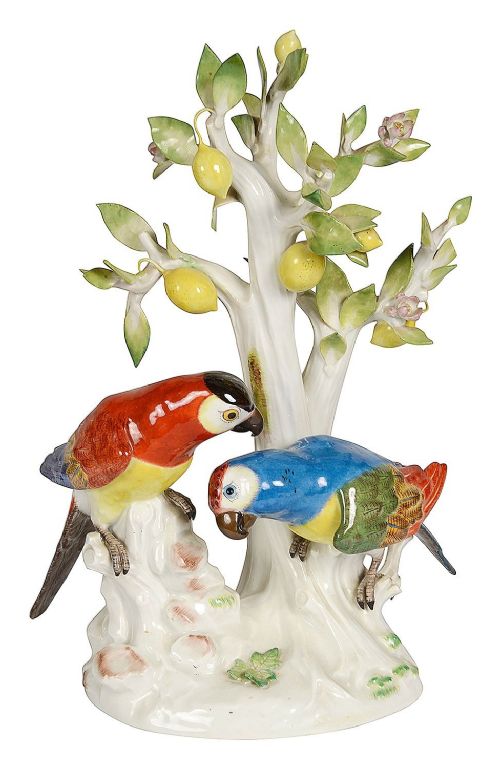
Dogs, parrots, sheep, and cerberus make regular appearances, ensuring the animal kingdom is well represented among the human subjects.
What varies in quality
The degree of artistic definition in the moulding separates standard production from superior work, particularly in the rendering of facial expressions, drapery folds, and hands. Crisp detailing in modelled elements like foliage, instruments, or animals indicates a more careful hand at the bench.
The precision and subtlety of the hand-painting also determine the merit of a piece, with finer examples displaying controlled enamel work and well-preserved gilding. Pieces retaining delicate secondary components, such as bocage leaves or applied lace, demonstrate greater survival of fragile original elements.
Meissen·Derby·Goldscheider·Bourdois and Bloch·Carl Thieme Dresden·Ernst Bohne Söhne·Volkstedt·Wedgwood and Co Ltd·Niderviller
The Antique Ceramic Group Glossary
- Bocage
- Foliate background made of applied ceramic leaves and branches, often found behind eighteenth and nineteenth-century figures.
- Biscuit porcelain
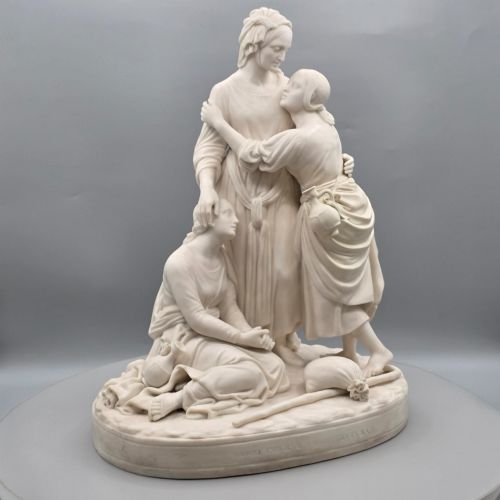
- Unglazed porcelain fired once to a matte, porous finish that resembles white marble, favoured for neoclassical and allegorical sculptures.
- Flatback
- A Staffordshire figure modelled with a finished front and a flat, unpainted back intended to stand against a cottage mantelpiece.
- Pearlware
- A refined fine earthenware developed in the late eighteenth century, possessing a pale bluish glaze that pooled slightly in crevices.
- Soft-paste porcelain
- An artificial porcelain composition fired at lower temperatures than hard-paste, common in early French and English factories.
Antique Ceramic Group: Frequently Asked Questions
What is an antique ceramic group?
An antique ceramic group is a sculptural composition featuring two or more figures, animals, or allegorical subjects modelled in porcelain, earthenware, or terracotta. These objects served as decorative centrepieces in homes.
They encompass a wide variety of subjects, ranging from classical mythology and theatrical scenes to Victorian portrait groups and romantic pastoral pairs.
How were Staffordshire figures displayed?
Staffordshire figures with flat backs were designed to sit directly on mantelpieces, shelves, or sideboard backs in nineteenth-century homes. Their unglazed or simply finished backs suited placement against a wall.
Larger porcelain groups from continental factories often stood centrally on dining tables or within glass cabinets as decorative display objects.
What is porcelain lace?
Porcelain lace involves applying genuine lace dipped in liquid porcelain slip to a figure before firing. The fabric burns away in the kiln, leaving a delicate ceramic replica of lace trim on clothing.
This technique required immense skill and was utilised by nineteenth-century French and German factories to render elaborate dresses and ruffs.
How do I tell eighteenth from nineteenth-century pieces?
Eighteenth-century pieces often display soft-paste or early hard-paste bodies with hand-modelled details, Rococo or Neoclassical styling, and underglaze blue factory marks. They frequently depict classical or pastoral subjects.
Nineteenth-century items often utilise earthenware or later porcelain bodies, incorporating Victorian historical themes, brighter enamel palettes, and moulded flatback constructions.