




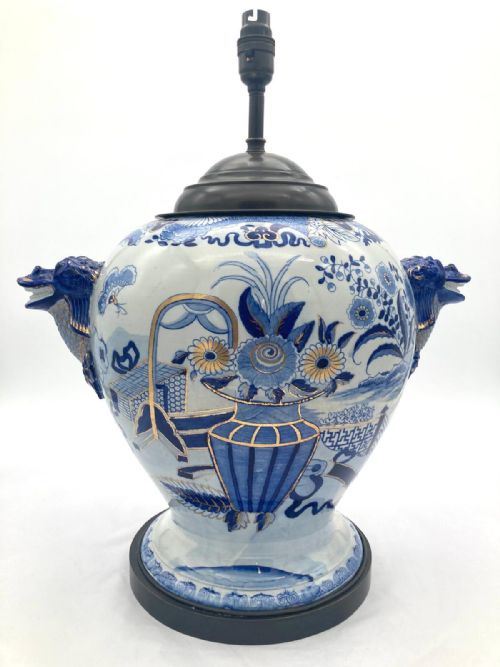
Antique Ceramic Dragon
When you search for an antique ceramic dragon, you enter a field defined by painted porcelain, earthenware, and detailed mythical beasts.
Antique Ceramic Dragon
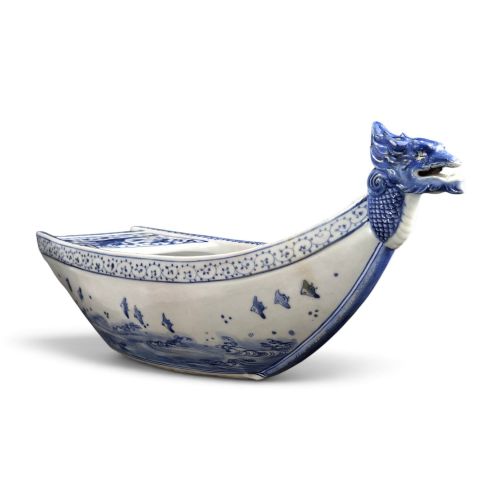
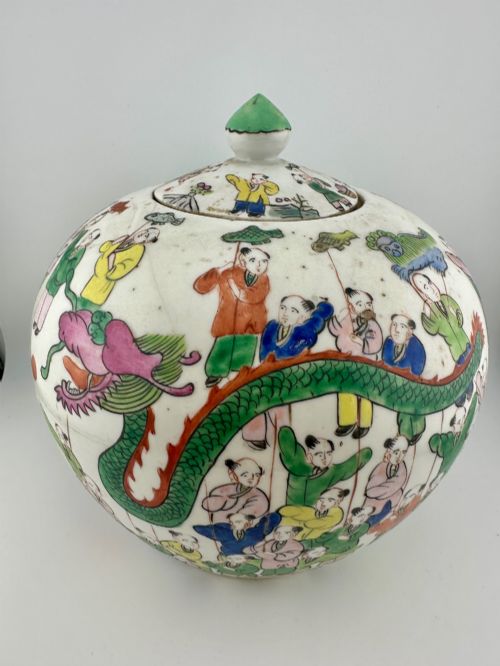
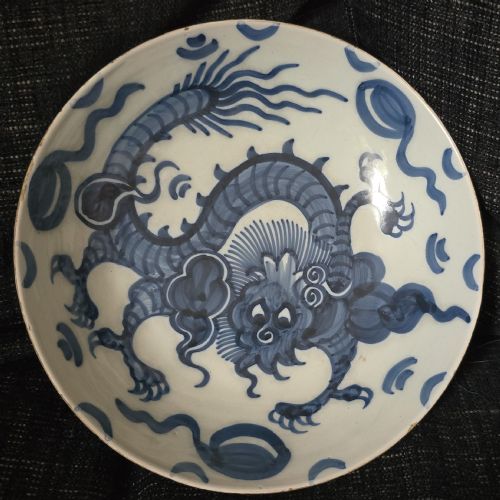
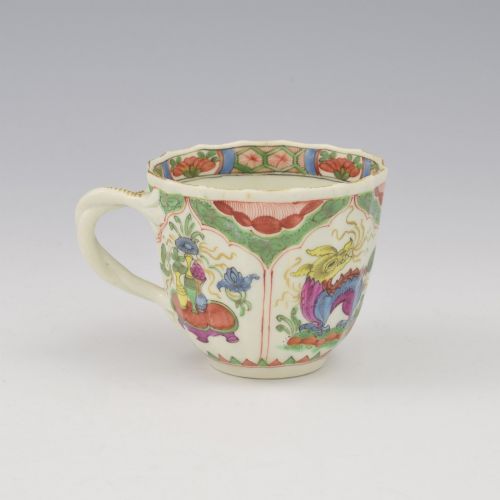
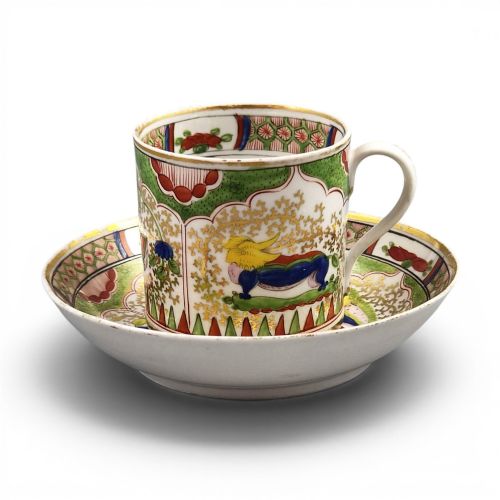
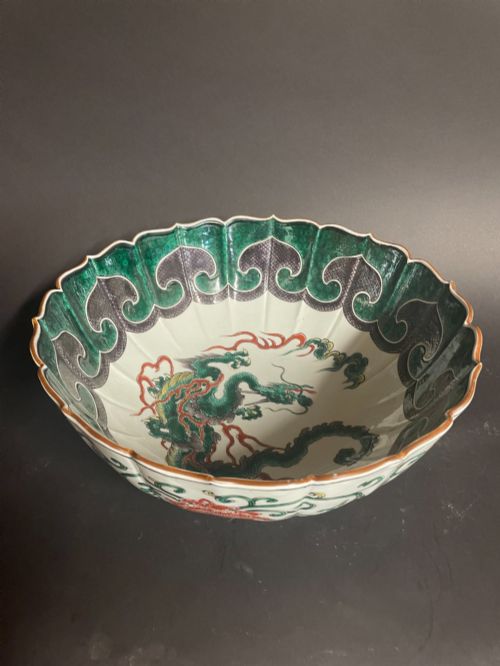
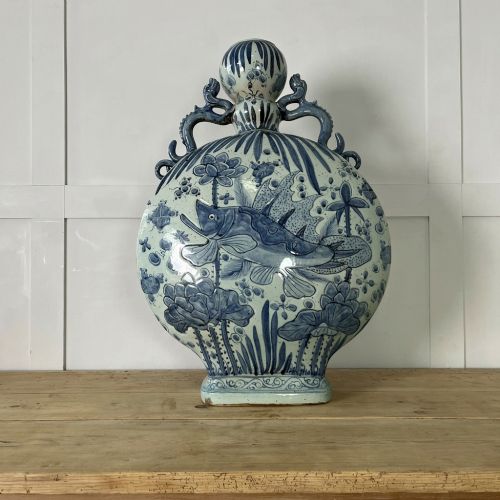
An antique ceramic dragon brings together centuries of kiln craftsmanship from English and Asian traditions. These pieces appear most frequently as porcelain vases, chargers, bowls, and coffee cups decorated with painted or sculpted mythical beasts.
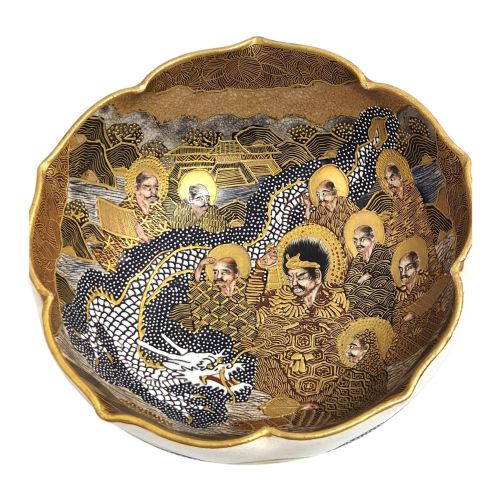
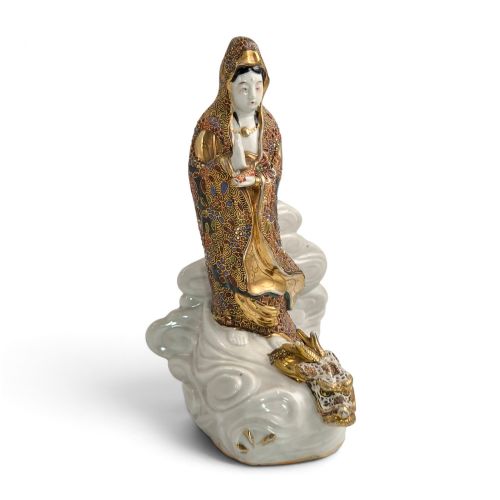
The phrase covers everything from eighteenth-century English Delftware and Worcester porcelain to nineteenth-century Chinese Qing Dynasty imperial wares and Japanese Meiji period Satsuma pottery. Buyers encounter domestic English interpretations alongside highly detailed Eastern export pieces.
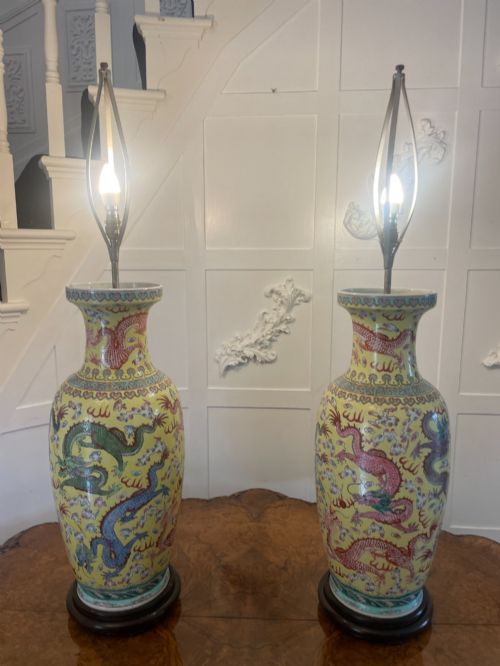
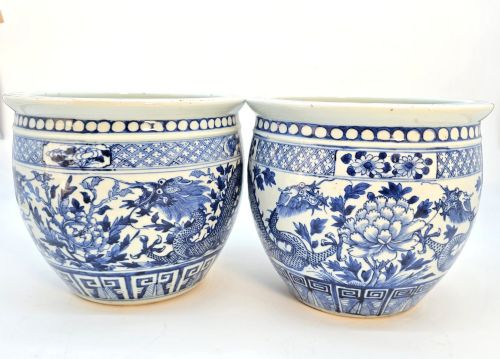
Vessels span functional tablewares like saucers, jugs, and inkwells, as well as grand decorative temple jars, jardinières, and lamp conversions. Each form reveals how different cultures incorporated the mythical dragon motif into domestic interiors.
Materials and methods of construction
Makers utilised fine porcelain, bone china, and dense ironstone, shaping them into thrown vessels, moulded plates, and hand-sculpted animal forms. Potters applied cobalt underglaze before firing, or built up intricate designs using overglaze enamel and gold leaf.
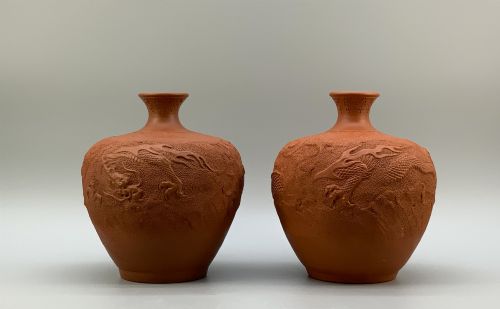
Japanese pieces from the Meiji period often employed reddish clay and crackle glaze, while English factories like Worcester reproduced complex Chinese patterns using hand-painted iron-red and gilt details. Artisans also carved openwork reticulation into porcelain bodies to create dimensional dragon motifs.
Antique Ceramic Dragon Retail Price Guide 2026
Typical asking prices for ceramic dragon among the pieces listed under this phrase on Sellingantiques today, from the lower quarter to the upper quarter. They describe what is for sale here now, not the wider market.
Listings feature 18th-century English Delftware alongside 19th-century Chinese Qing Dynasty porcelain and Japanese Meiji period Satsuma ceramics.
Distinctions in manufacturing standard
Quality rests upon the precision of the brushwork and the control demonstrated during high-temperature kiln firings. Top-tier pieces display sharply defined five-clawed dragons, consistent cobalt blues, and crisp gilding that remains completely integrated with the glaze beneath.
Flight Barr and Barr·Chamberlain Worcester·C J Mason·Wedgwood
The Antique Ceramic Dragon Glossary
- Underglaze
- Pigment applied to a ceramic body before the transparent glaze layer is added and fired. This technique protects the painted design beneath a glassy surface.
- Meiping
- A high-shouldered plum vase originally designed for holding blooming branches. Chinese potters frequently decorated these tall forms with encircling dragons.
- Reticulation
- Openwork patterns cut into the wet clay before firing. Japanese artisans used this technique to let sculpted dragons stand free from the vessel wall.
- Earthenware
- Porous pottery fired at lower temperatures than porcelain. Pieces require an opaque glaze, such as tin-glaze in English Delftware, to hold liquids.
- Iron-red
- A brick-red overglaze pigment derived from iron oxide. It appears extensively in traditional Chinese and Japanese export palettes.
Antique Ceramic Dragon: Frequently Asked Questions
How do I care for an antique ceramic dragon?
Wash porcelain and earthenware pieces by hand using lukewarm water and mild soap, avoiding any abrasive scrubbers that might scratch the glaze or lift the gilding.
Keep delicate items away from direct sunlight to prevent fading on overglaze enamels and iron-red pigments.
How can I tell English ceramics from Asian imports?
English pieces typically utilise soft-paste porcelain, bone china, or ironstone with European potting weights, while Asian items rely on dense hard-paste porcelain or characteristic regional clays.
Examining the foot ring and the base unglazed surfaces often reveals the specific body paste used by the maker.
What does a five-clawed dragon signify?
The five-clawed dragon historically represented the Emperor in Chinese culture, appearing exclusively on imperial wares and high-status official commissions.
Pieces bearing this specific motif command strong interest from collectors focusing on Qing Dynasty porcelain.