




Antique Ceramic Canister
An antique ceramic canister is a vessel for dry goods, shaped by centuries of tea storage and apothecary use.
Antique Ceramic Canister
When searching for an antique ceramic canister, a buyer encounters domestic storage vessels primarily designed for tea, tobacco, and dry provisions. These pieces span from the Georgian era through to the late Victorian period, reflecting changing household habits across Britain and abroad.
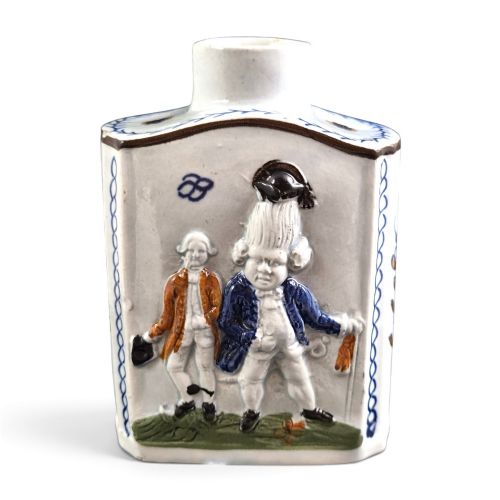
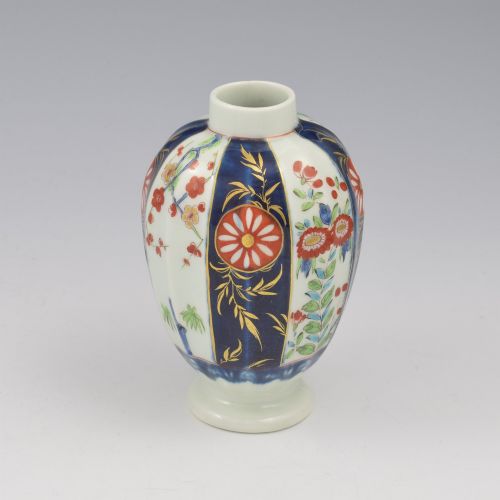
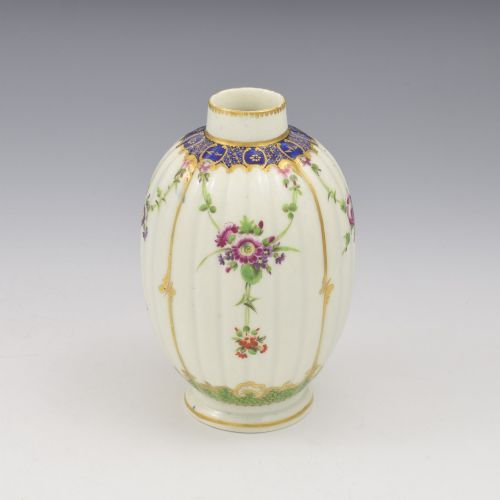
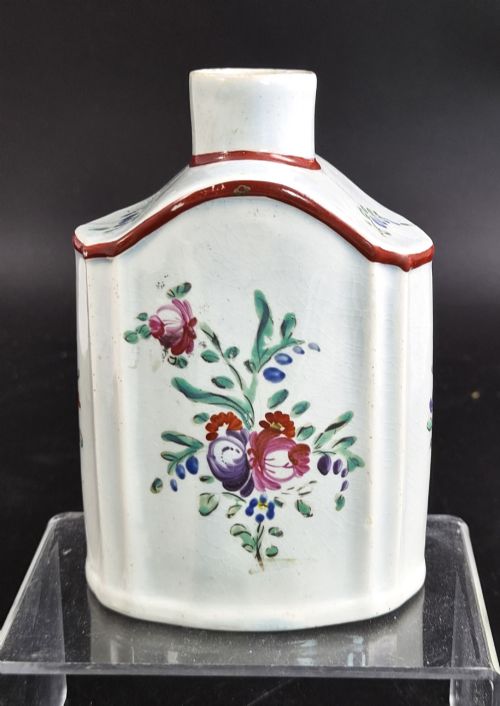
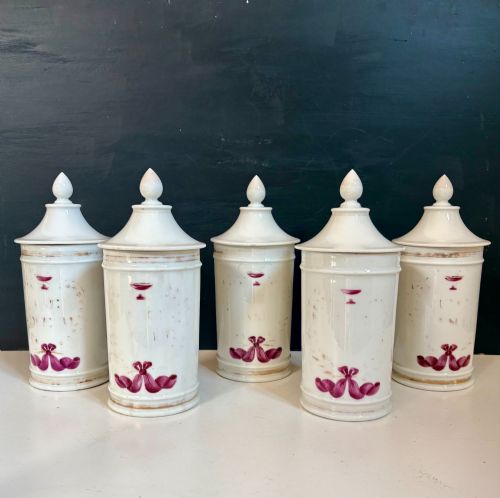
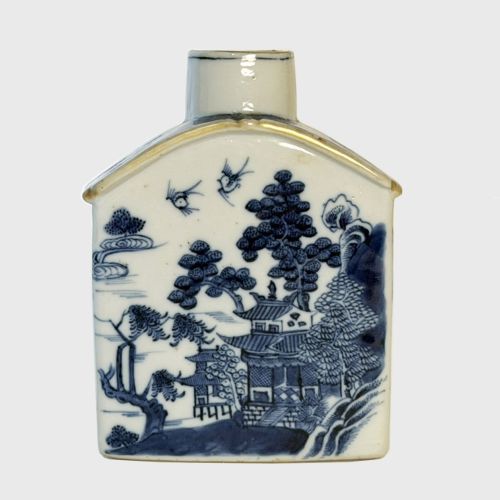
The most common forms on this page include tea caddies and tea canisters alongside apothecary jars, storage jars, tobacco jars, biscuit barrels, and snuff bottles. Their origins encompass English potteries like Leeds and Staffordshire, alongside Chinese Export and Qing Dynasty productions.
Forms range from fluted porcelain cylinders to earthenware jars with covers, showing how domestic containers adapted to hold precious leaves, herbs, and leaf tobacco. Each piece demonstrates the specific utilitarian purpose it served in the historic interior.
Materials and methods of manufacture
Makers shaped these containers using earthenware, pearlware, soft-paste porcelain, and ceramic bodies, often applying tin or crackle glazes to seal the porous clay. Surface decoration relied on hand-painted floral enamels, blue and white underglaze, and occasional touches of gold leaf.
Firing techniques in 18th-century kilns determined the refinement of the paste, whether sturdy Staffordshire pottery or translucent Worcester porcelain. Potters formed these vessels on the wheel or in moulds before applying glazes and secondary enamel firings.
Antique Ceramic Canister Retail Price Guide 2026
Typical asking prices for ceramic canister among the pieces listed under this phrase on Sellingantiques today, from the lower quarter to the upper quarter. They describe what is for sale here now, not the wider market.
Listings feature pieces spanning from the eighteenth century to the early twentieth century, utilising earthenware, pearlware, and soft-paste porcelain.
Judging quality and execution
Quality rests in the crispness of the moulding and the control of the glaze, distinguishing finely potted porcelain from heavier utilitarian earthenware. The precision of hand-painted enamels and the survival of original matching covers elevate a piece significantly.
Pottings that show thinner walls, well-balanced proportions, and clean kiln separation reveal the skill of the original workshop. Faded enamels or crude repairs diminish the visual integrity of the surface decoration.
Leeds Pottery·Wedgwood·Minton·Royal Worcester
The Antique Ceramic Canister Glossary
- Tea caddy
- A small vessel designed for storing loose tea leaves securely before the infusion process. These containers frequently included internal lids or were housed in locked wooden boxes.
- Prattware
- A type of Staffordshire earthenware popular in the late eighteenth century, known for its characteristic underglaze ceramic colours of ochre, blue, brown, and green.
- Pearlware
- A refined form of earthenware developed by Josiah Wedgwood in the late eighteenth century, featuring a thin glaze with a slight bluish tinge over a whitish body.
- Soft-paste porcelain
- An artificial porcelain compound fired at lower temperatures than hard-paste, widely utilised by eighteenth-century English factories for domestic tea wares.
- Biscuit barrel
- A covered ceramic container used on Victorian dining tables for holding dry biscuits. These pieces often incorporated metal rims and hinged handles.
Antique Ceramic Canister: Frequently Asked Questions
What were tea canisters used for?
Tea canisters held precious tea leaves safely away from dampness and strong household odours in the dining room or parlour.
Because tea was an expensive commodity in past centuries, these vessels were frequently fitted with secure covers and sometimes stored inside locked caddy boxes.
How do I date an earthenware jar?
Dating relies on observing the characteristics of the clay body, the type of glaze applied, and the style of hand-painted or transfer-printed decoration.
Earlier eighteenth-century pieces often display softer pearlware bodies and underglaze blue painting, while later Victorian examples shift toward bolder earthenware glazes and utilitarian forms.
Can I use these jars daily?
While these containers were made for practical kitchen and parlour storage, age and historic material composition make careful handling essential.
Delicate porcelain or tin-glazed earthenware can suffer from modern abrasive cleaning or heavy daily use, so many collectors prefer display over active service.
Why do some jars lack covers?
Covers were easily misplaced or broken during everyday domestic handling across centuries of use in busy households.
Finding a canister with its original matching lid remains a significant factor in historic completeness, though many survivors still present well as decorative objects.