

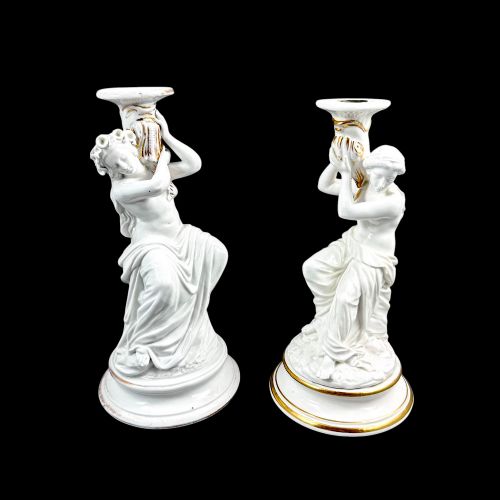


Antique Ceramic Candlestick Holder
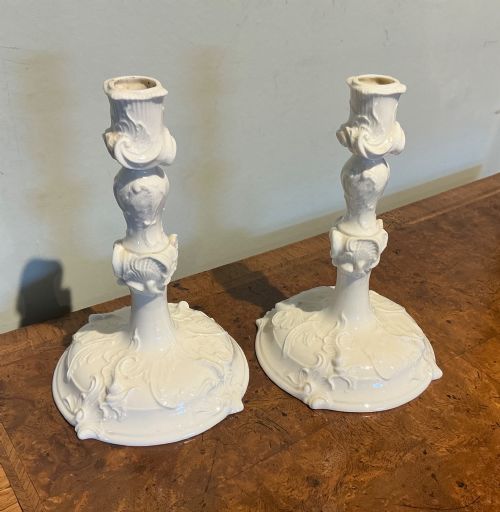
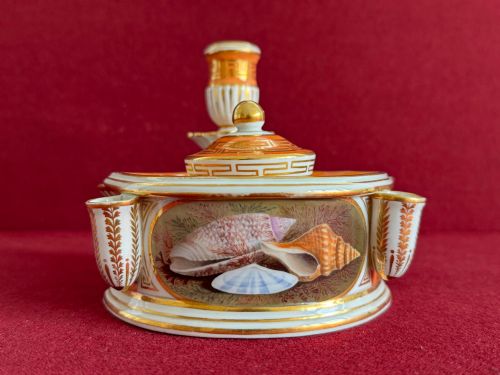
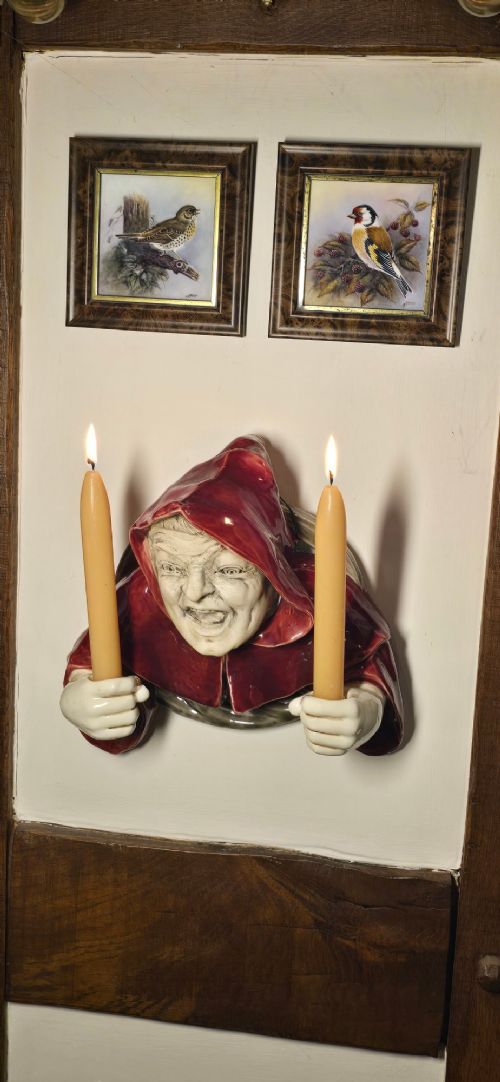
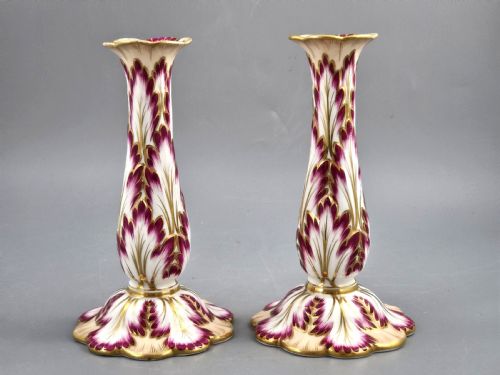
An antique ceramic candlestick holder brings porcelain, earthenware and fine glaze into the room to hold a single taper or pillar flame.
Antique Ceramic Candlestick Holder
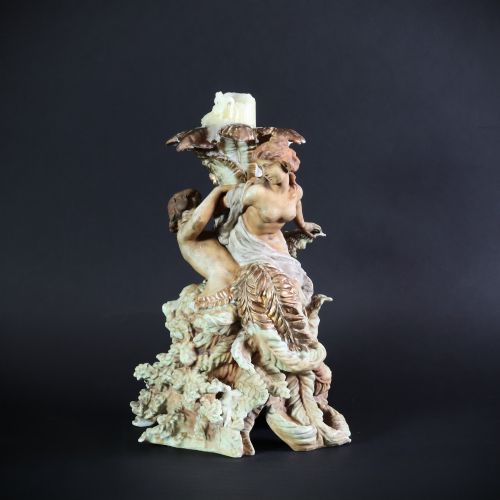
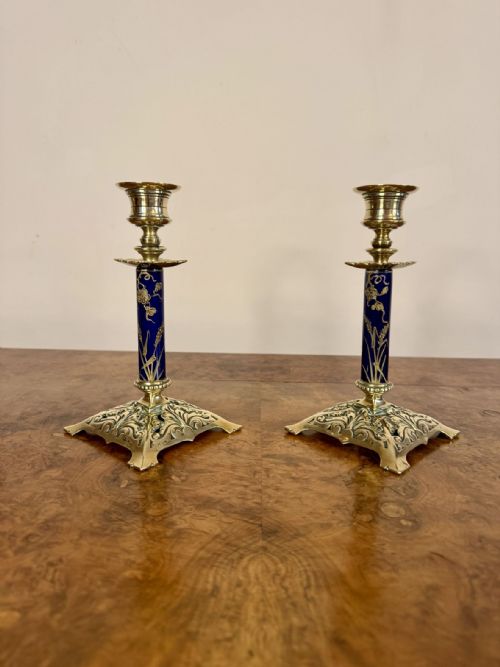
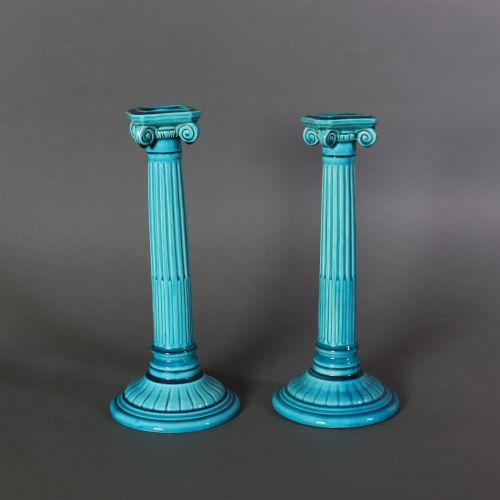
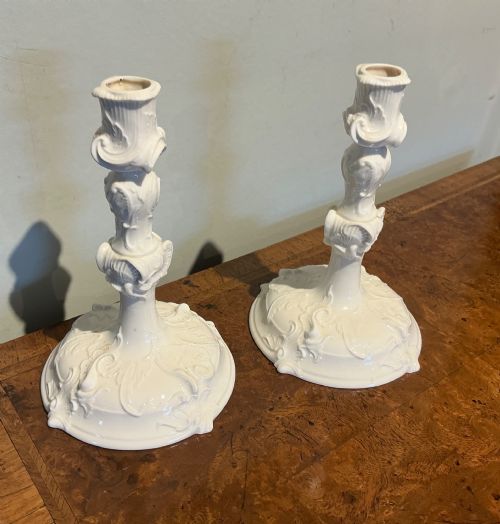
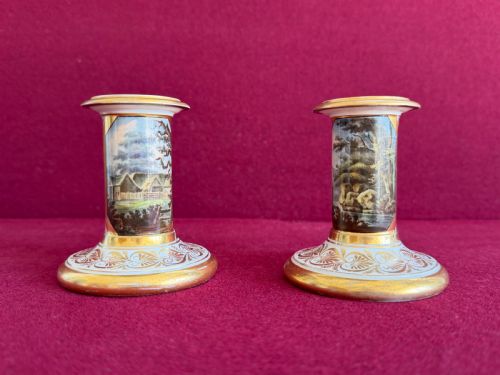
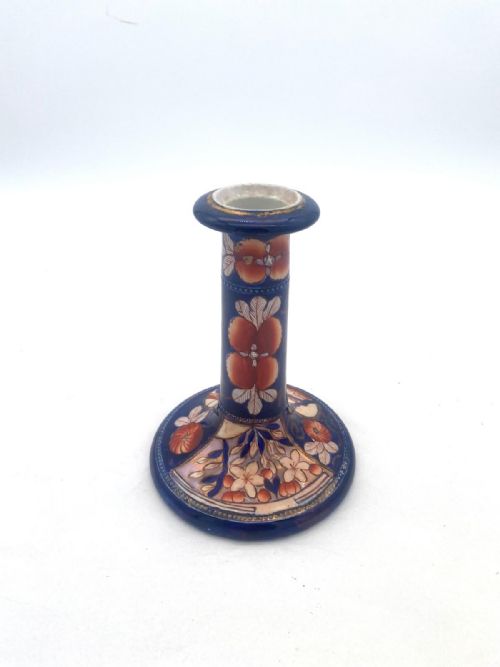
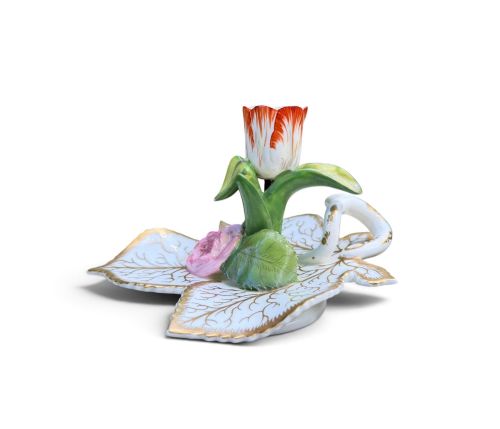
When you search for an antique ceramic candlestick holder, you encounter forms ranging from Georgian chambersticks with finger loops to elaborate Victorian figural candelabra. The selection spans English manufactories like Derby, Bow and Worcester alongside continental European porcelain works such as Meissen, Nymphenburg and Sitzendorf.
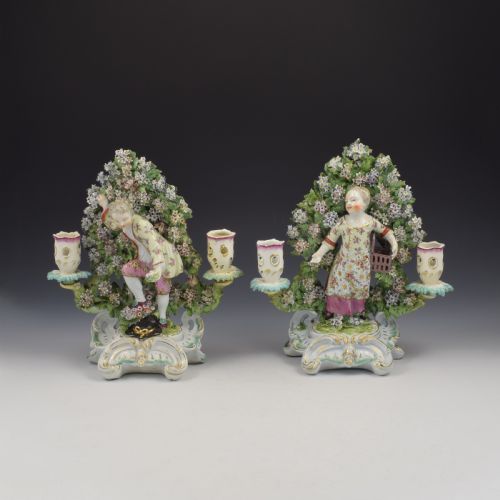
Most examples on this page date from the eighteenth, nineteenth and early twentieth centuries, reflecting styles from Rococo Revival and Regency to Neoclassical and Edwardian. You find utilitarian chambersticks alongside highly decorative bocage groups depicting children, allegorical figures and animals.
How they were made
Potters shaped these pieces using soft-paste or hard-paste porcelain, earthenware and ironstone, often building complex figural supports by hand. Modelled elements like floral bocage leaves and cherubs were applied separately before firing.
Makers applied polychrome enamel painting, gilding with gold leaf and translucent glazes to the fired clay. Subsequent low-temperature firings fixed the enamel colours and metallic highlights to the ceramic surface.
Antique Ceramic Candlestick Holder Retail Price Guide 2026
Typical asking prices for ceramic candlestick holder among the pieces listed under this phrase on Sellingantiques today, from the lower quarter to the upper quarter. They describe what is for sale here now, not the wider market.
Listings feature items from the Georgian, Victorian and Edwardian eras, executed in porcelain, earthenware and glazed ceramic.
What varies in quality
The sophistication of the modelling and the precision of the hand-painted enamels separate standard production pieces from masterworks. Crisp details in the facial expressions of figural subjects and delicate execution of applied floral foliage indicate superior craftsmanship.
The richness of the gilding and the harmony of the polychrome palette determine the visual depth of the object. Weight, stability of the base and clarity of factory marks further distinguish the standing of individual pieces.
Nymphenburg·Masons Ironstone·Ridgway·Barr Flight And Barr·Meissen·Derby·Sutherland And Sons·Volkstedt·Royal Worcester·Wedgwood·Sitzendorf·Spode·Chelsea·Minton·Dresden·Bow·Doulton Lambeth·Triebner Ens And Eckert
The Antique Ceramic Candlestick Holder Glossary
- Bocage
- An ornamental background of carved or modelled foliage and leaves common in eighteenth-century porcelain figures. It often frames the candle socket and figures of children or musicians.
- Chamberstick
- A low candlestick fitted with a saucer base and a loop handle for carrying through a house at night. These practical items frequently include a small conical snuffer.
- Hard-paste porcelain
- A dense, durable ceramic composed of kaolin and petuntse fired at high temperatures. It resists scratching and takes a bright, glassy glaze.
- Ironstone
- A heavy, durable earthenware developed in the nineteenth century to imitate Chinese porcelain. It provides a sturdy body for printed and hand-painted patterns.
- Sconce
- A wall-mounted bracket designed to hold one or more candles. The backplate often incorporates reflective porcelain or metal to amplify the flame.
Antique Ceramic Candlestick Holder: Frequently Asked Questions
How were chambersticks used?
People carried these low holders by their side ring to light their way through dark corridors and up staircases at bedtime. The wide saucer tray caught any dripping hot wax before it reached clothing or carpets.
Many examples included a matching conical snuffer resting in the tray to extinguish the wick safely. They stood on bedside tables until morning for easy illumination.
What is porcelain bocage?
Bocage refers to the thick mass of applied porcelain leaves and flowers that frames the back of eighteenth and nineteenth-century figures. Modellers built these intricate floral screens by hand to surround candle sockets with naturalistic scenery.
This technique required exceptional skill because the fragile clay leaves frequently warped or cracked during high-temperature kiln firings. Pieces featuring intact, detailed foliage command particular attention from collectors today.
How do I date a ceramic candlestick?
Examining the style of painting, the clothing of figural subjects and any factory marks on the base helps determine the period. Georgian pieces often display spontaneous enamel work and patch marks from kiln supports, while Victorian examples show heavier moulding and distinct registry stamps.
Comparing the paste type and glaze texture against known factory timelines narrows down the decade of manufacture. Consultation with specialised ceramic reference books confirms the specific era.
Can I still burn candles in them?
Using modern tapers in antique holders requires care to prevent heat damage to fragile nineteenth-century glazes and historic repairs. Selecting candles that fit snugly without forcing prevents pressure fractures in the ceramic sockets.
Keeping burning flames away from overhanging dried floral bocage avoids soot staining and accidental scorching. Many collectors prefer to display them unlit or use fitted modern dripless inserts.