



Antique Ceramic Boy Figure
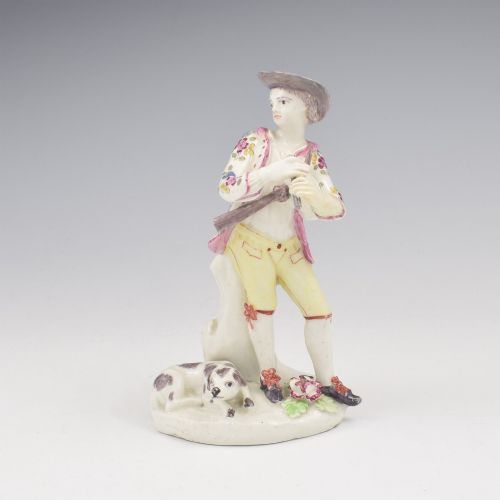
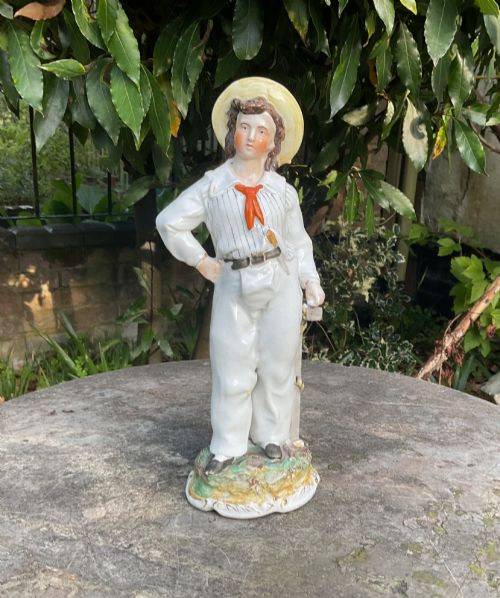
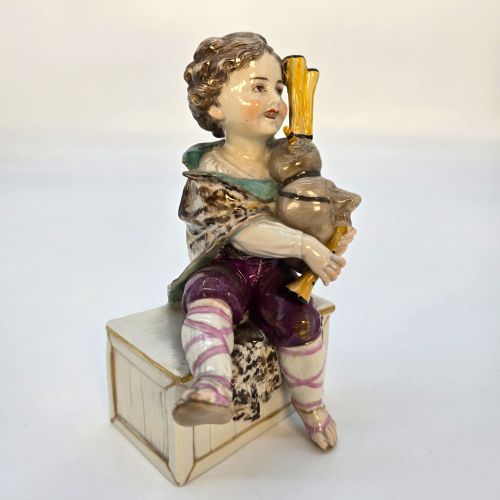
An antique ceramic boy figure brings traditional charm to a room, cast in porcelain or earthenware to capture children at work, play or rest.
Antique Ceramic Boy Figure
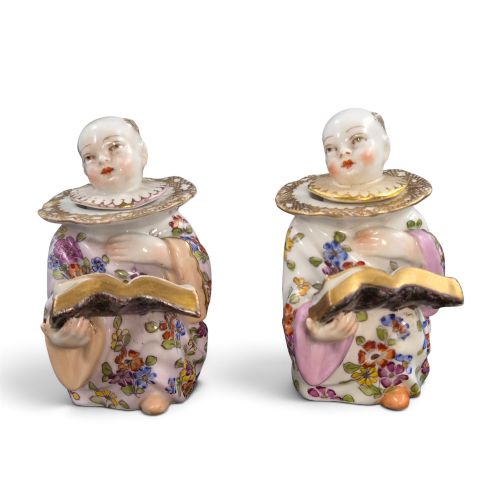
An antique ceramic boy figure encompasses a wide range of sculptural forms, from English porcelain singers and French pairs to German factory groups and Chinese earthenware incense holders. These pieces appear as standalone figurines, inkwells, and groups depicting harvesters, skaters, fishermen, or children with dogs.
The selections span from the mid eighteenth century through the nineteenth century and into the early twentieth century. English soft-paste figures sit alongside hard-paste continental porcelain, Majolica, terracotta, and Parian bisque ware.
Materials and manufacture
Potters shaped these figures using hard-paste or soft-paste porcelain, earthenware, terracotta, and Parian bisque. Skilled hands then applied glazes, paint, enamel, and gold leaf or gilt highlights before firing.
Factories utilised moulds for the underlying sculptural form, while details such as facial expressions and pastel garments frequently received hand-painted finishing touches.
Antique Ceramic Boy Figure Retail Price Guide 2026
Typical asking prices for ceramic boy figure among the pieces listed under this phrase on Sellingantiques today, from the lower quarter to the upper quarter. They describe what is for sale here now, not the wider market.
Listings feature porcelain, earthenware, and terracotta pieces spanning the eighteenth, nineteenth, and early twentieth centuries.
Assessing quality
The subtlety of the glaze and the preservation of delicate applied elements, such as fingers, instruments, or floral adornments, distinguish finer sculptural output from routine manufacturing.
Edmé Samson·Royal Dux Bohemia·Volkstedt Rudolstadt Factory·Royal Worcester·Meissen Porcelain·C. G. Schierholz·Niderviller·Shelley porcelain·Bow Porcelain·Ernst Bohne Söhne·Sitzendorf·Helena Wolfsohn·Royal Berlin
The Antique Ceramic Boy Figure Glossary
- Bisque Porcelain
- Unglazed porcelain with a matte, marble-like texture that reveals fine sculptural detail without surface shine.
- Hard-Paste Porcelain
- A dense ceramic compound fired at high temperatures, producing a durable body and a bright white appearance.
- Famille Rose
- A palette of opaque enamels dominated by pink hues, originating in Chinese porcelain decoration.
- Parian Ware
- A fine-grained unglazed porcelain developed in the nineteenth century to imitate carved marble.
- Gold Leaf
- Very thin sheets of beaten gold applied to ceramic surfaces for ornamental highlights.
Antique Ceramic Boy Figure: Frequently Asked Questions
What were ceramic boy figures used for?
These pieces served primarily as decorative ornaments on mantelpieces and side tables during the eighteenth and nineteenth centuries.
Some specialised forms, such as figural inkwells or incense holders, combined sculptural charm with practical household utility.
How do I identify eighteenth century porcelain?
Early pieces often feature soft-paste bodies with hand-painted pastel hues and subtle glaze imperfections characteristic of early firing techniques.
Many factories applied distinct underglaze marks or coloured anchors to authenticate their output.
Where were these figures made?
Production centres spread across Europe and Asia, with notable output from English kilns like Bow and Derby alongside continental factories in Germany, France, and Bohemia.
Chinese kilns also exported earthenware and porcelain figures depicting traditional subjects.
How should I display them at home?
Place figures in stable cabinets or on secure surfaces away from direct sunlight and heavy foot traffic to protect delicate porcelain extremities.
Grouping pairs or themed figures together highlights the varied styles of different European and Asian ceramic traditions.