





Antique Ceramic Boxes
These antique ceramic boxes range from Georgian patch containers to Art Deco powder vessels, offering small-scale storage crafted in porcelain, earthenware, and stoneware.
Antique Ceramic Boxes
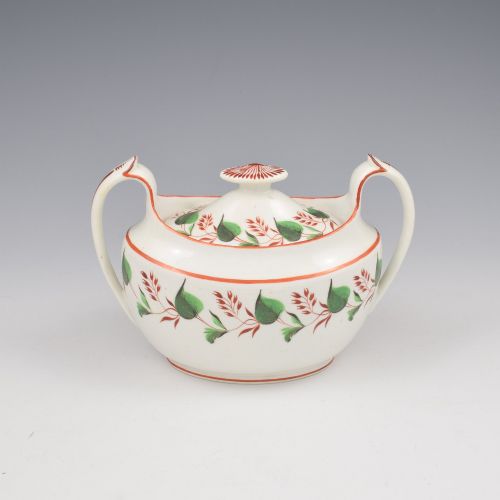
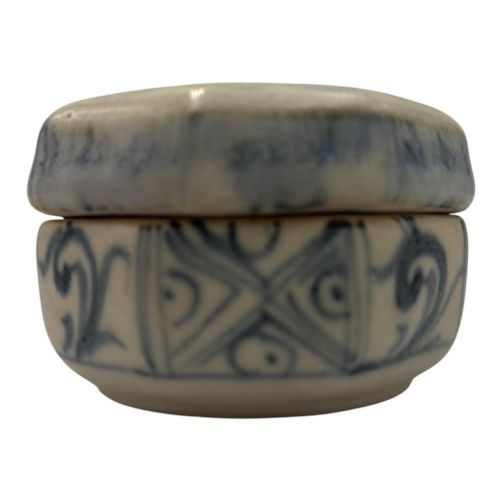
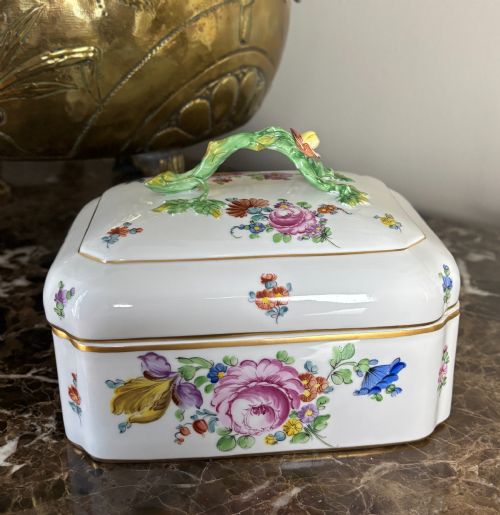
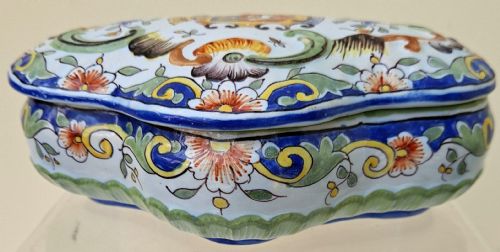
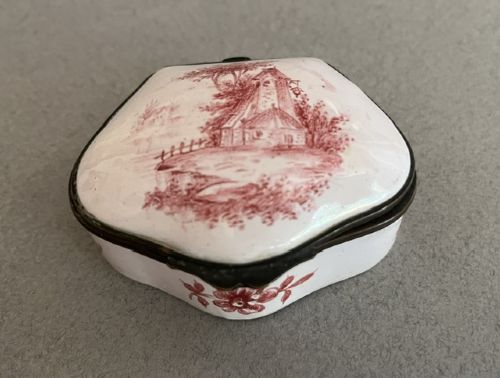
Antique ceramic boxes encompass a variety of small lidded receptacles, including trinket boxes, patch boxes, sugar boxes, powder boxes, and money boxes designed for domestic use. The selections span multiple eras from the eighteenth century through the Art Deco period of the 1930s, reflecting changing decorative tastes across European and Asian potteries.
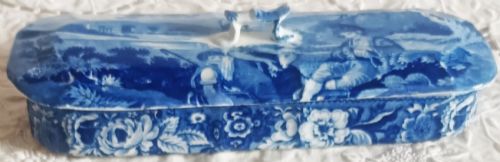
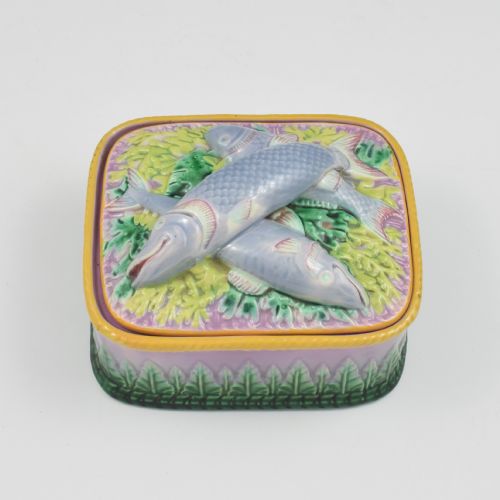
Victorian examples frequently showcase Majolica glazes or elaborate moulding, such as sardine boxes and money boxes, while earlier Georgian items include transfer-ware toothbrush containers and delicate patch boxes. Twentieth-century offerings lean towards French and German Art Deco powder boxes featuring figural motifs like flapper girls and jesters.
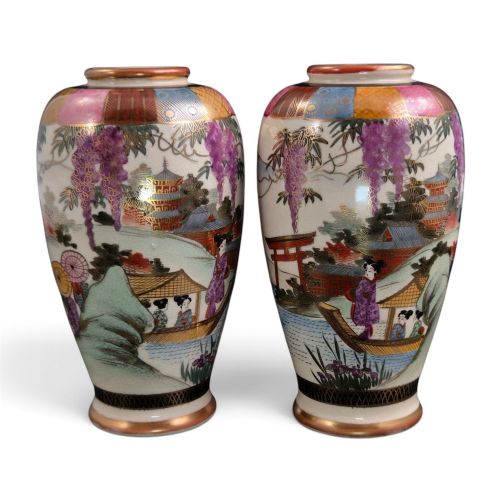
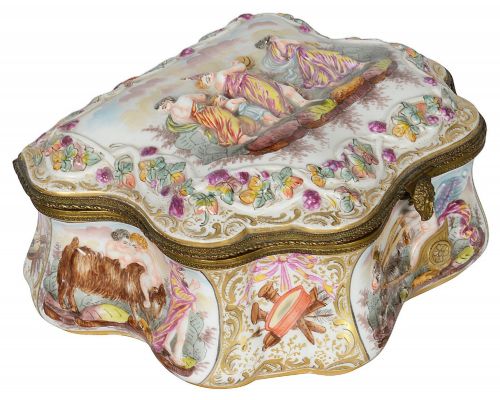
Continental factories contribute items such as Dutch Delft patch boxes, Italian table caskets, and Dresden sugar boxes, alongside Japanese Satsuma earthenware pieces. Buyers encounter various shapes ranging from simple round and octagonal vessels to heart-shaped containers and sculptural animal forms.
Materials and Techniques
The construction of these pieces relies on ceramic bodies formed from porcelain, earthenware, and stoneware, shaped either by throwing on a wheel or utilising moulds for intricate figural and architectural designs. Artisans then applied foundational glazes, ranging from salt glaze and tin glaze to vibrant majolica colours.
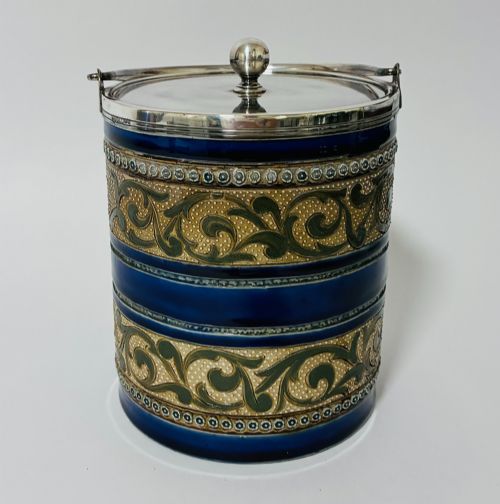
Decoration involved hand-painting, transfer printing, and the application of gilt detailing or gold leaf over the fired surface. Many European and Asian workshops combined these ceramic techniques with metal mounts, such as silver plating on biscuit barrels and hinged brass or silver frames on patch boxes.
Antique Ceramic Boxes Retail Price Guide 2026
Typical asking prices for ceramic boxes among the pieces listed under this phrase on Sellingantiques today, from the lower quarter to the upper quarter. They describe what is for sale here now, not the wider market.
Nineteenth-century Staffordshire potters modelled ceramic money boxes as stubborn bulldogs wearing padlocks, perhaps encouraging children to guard their pennies closely.
Assessing Quality
Quality in these containers rests on the precision of the moulding and the skill of the surface decoration, where crisp hand-painted details or well-defined transfer prints distinguish superior examples from mass-produced wares. The complexity of the ceramic body, particularly in moulded figural boxes and pierced or relief-decorated pieces, dictates the level of artisan craftsmanship involved.
The preservation of original surface elements, such as intact gilt accents, unrubbed enamel colours, and matching lids, elevates a piece. Furthermore, the integration of secondary materials like secure metal hinges on lidded boxes indicates higher original manufacturing standards.
Spode·Doulton Lambeth·George Jones·Toshozan·Thomas Forester And Sons·Richard Ginori
The Antique Ceramic Boxes Glossary
- Majolica
- A type of earthenware decorated with opaque coloured lead glazes over a tin-glazed or absorbent body. This technique produced vibrant, richly coloured surfaces popular during the Victorian era for decorative boxes and kitchenware.
- Transfer Ware
- Pottery decorated by printing a design from an engraved copper plate onto tissue paper and then transferring it onto the ceramic body before glazing. It allowed for intricate, repeatable blue and white or multicoloured patterns.
- Patch Box
- A small, shallow container typically made of porcelain or enamel, used in the eighteenth and nineteenth centuries to hold small fabric patches worn on the face to conceal blemishes. These items often featured hinged lids and internal mirrors.
- Biscuit Barrel
- A ceramic container with a fitted lid, frequently mounted with metal rims and handles, designed for storing dry biscuits at the Victorian dining table. They were produced in large numbers by potteries such as Doulton Lambeth.
Antique Ceramic Boxes: Frequently Asked Questions
What were antique ceramic boxes used for?
These containers served specific domestic purposes tailored to their size and form, ranging from holding small cosmetics and beauty patches to storing sugar, biscuits, or coins.
Smaller receptacles like patch and trinket boxes kept personal valuables safe on dressing tables, while larger vessels functioned as functional tableware or savings banks.
How do I date an antique ceramic box?
Dating relies on stylistic markers, manufacturing techniques, and material composition characteristic of specific eras, such as Georgian transfer printing or Art Deco moulded figures.
Examining the base for factory marks, glaze types, and wear patterns also helps establish the approximate period of manufacture.
Are ceramic patch boxes fragile?
Most ceramic and porcelain boxes require careful handling due to the delicate nature of glazed earthenware and porcelain, particularly around thin rims and hinged mounts.
Displaying them away from high-traffic areas and protecting them from drops ensures their preservation over time.
How should I clean my antique box?
Cleaning should be restricted to gentle dusting with a soft, dry cloth to protect delicate hand-painted surfaces, gilt detailing, and older glazes.
Harsh chemical cleaners or submersion in water should be avoided, especially for pieces with metal mounts or paper labels.