

Antique Centrepiece Holder
An antique centrepiece holder commands the middle of a dining table, combining lighting and display to anchor a formal setting.
Antique Centrepiece Holder
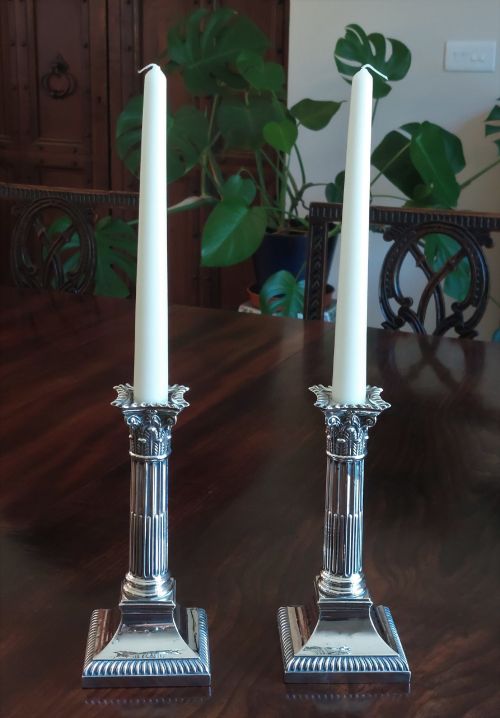
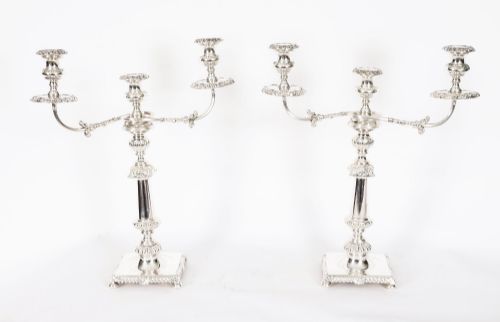
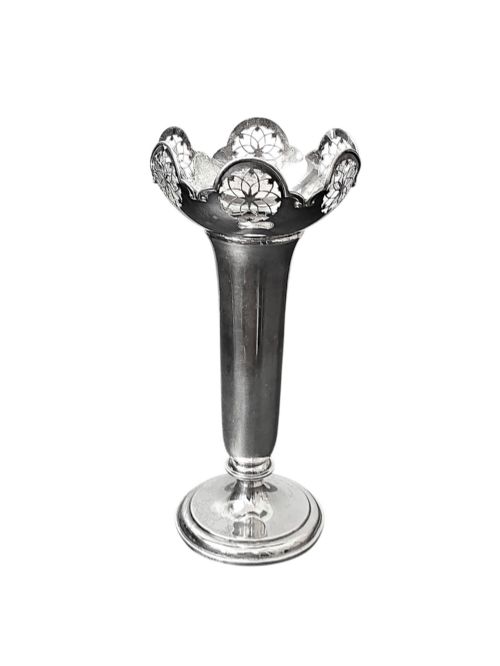
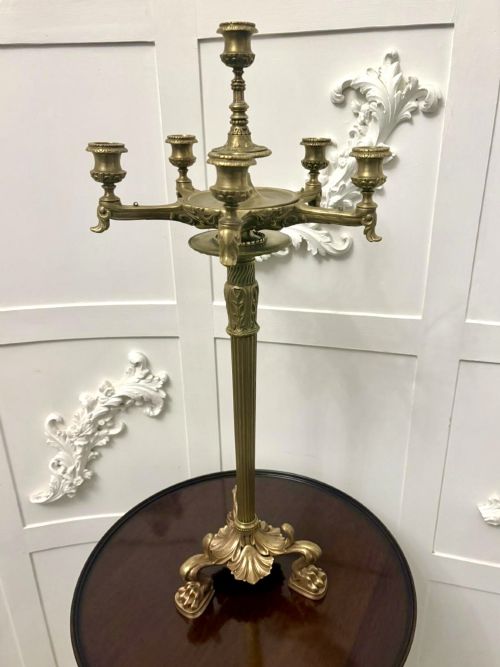
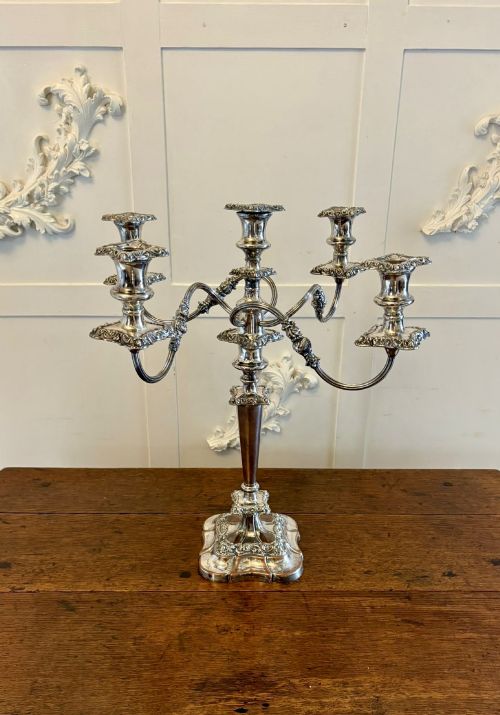
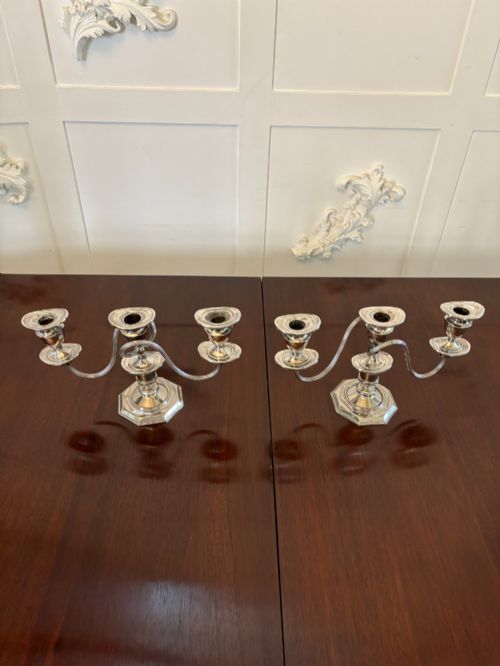
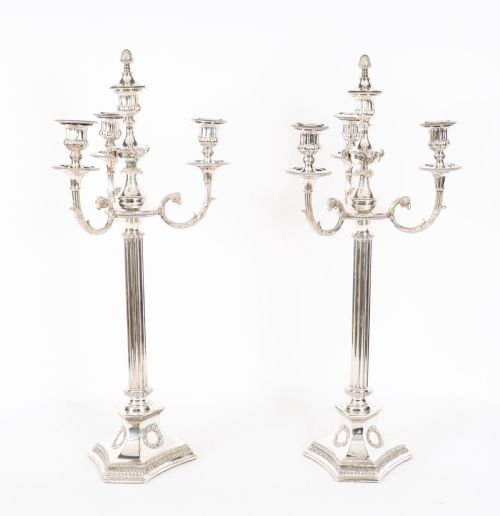
When you search for an antique centrepiece holder, you encounter a varied group of dining table furnishings designed to elevate candles, fruit, or flowers. The most common forms on this page are multi-branch candelabras and candelabra stands dating from the Victorian and Edwardian periods.
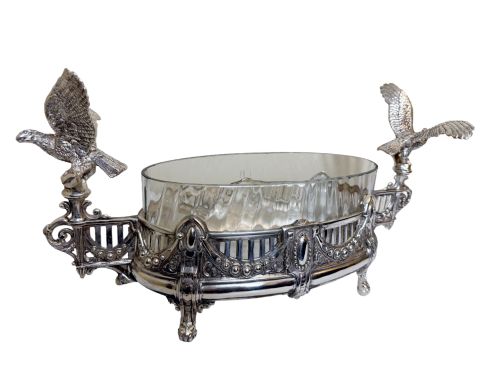
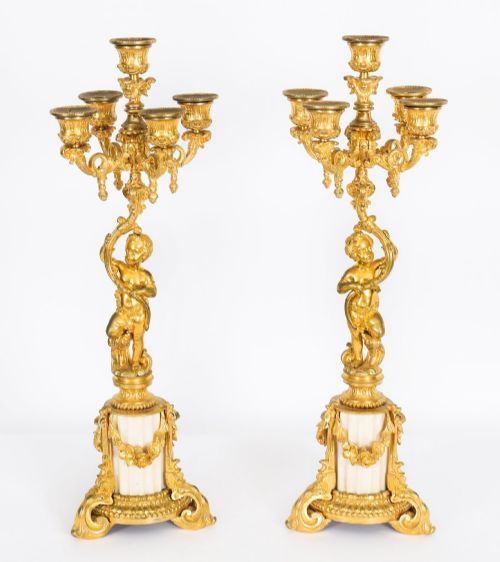
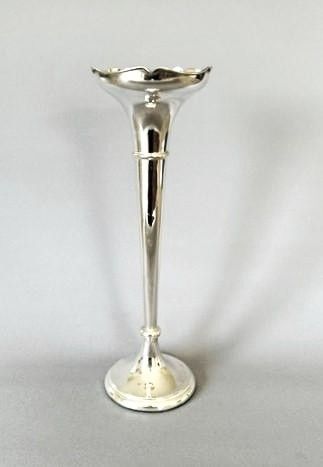
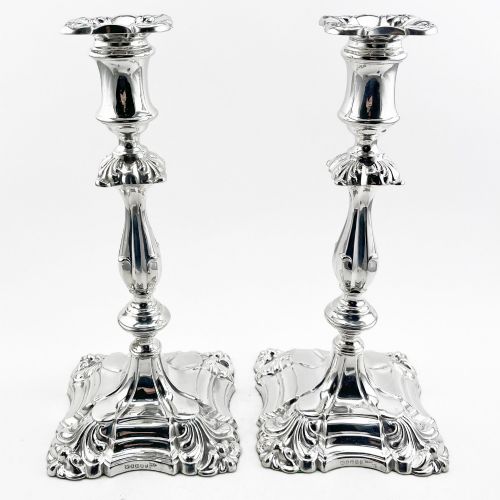
Makers fashioned these pieces in silver plate, sterling silver, brass, and gilt bronze, often following Georgian, Regency, or Rococo Revival styles. Alongside candelabras, the selection includes bough pots, rose bowls, spoon warmers, and dessert sets that fulfilled similar decorative functions for dining.
Originating largely from British and continental workshops, these items served to illuminate large dining rooms while displaying craftsmanship through cast detail and applied ornamentation. They range from simple pairs of candlesticks to large four-piece suites intended for grand tables.
Materials and construction
Metals form the core of these pieces, utilising silver plate over copper or base metal, sterling silver, brass, or ormolu and gilt bronze. Workshops employed casting, chasing, and plating techniques to produce heavy, durable structures with ornate relief work.
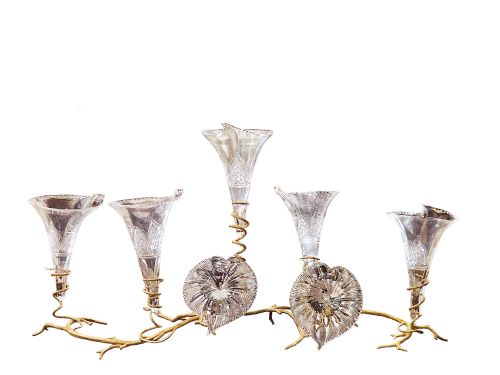
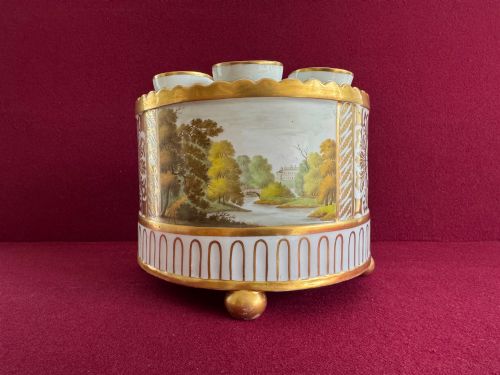
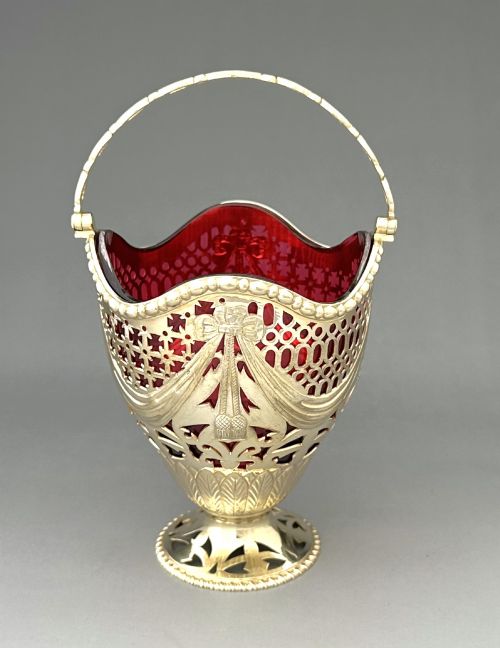
Porcelain and glass also appear in the evidence, seen in bough pots, cranberry glass liners, and Murano glass branches. These non-metal elements were combined with metal mounts, gilt details, and hand-painted ceramic plates to create composite table ornaments.
Antique Centrepiece Holder Retail Price Guide 2026
Typical asking prices for centrepiece holder among the pieces listed under this phrase on Sellingantiques today, from the lower quarter to the upper quarter. They describe what is for sale here now, not the wider market.
Materials range from solid sterling silver and silver plate to brass, ormolu, copper, porcelain, and Murano glass.
Distinctions in quality
Quality rests in the crispness of the casting and the weight of the metal used in the construction. Pieces from established makers show deeper relief in floral and scroll motifs and heavier gauges of silver plate or solid silver.
The degree of articulation and the presence of detachable components, such as multi-branch sconces or removable liners, indicate higher manufacturing ambition. Simpler pairs lack the intricate chased details and multi-tier assembly found in larger suites.
Pierre Philippe Thomire·Hawksworth Eyre·Garrard and Co·Matthew Boulton·Walker and Hall·Doulton Burslem
The Antique Centrepiece Holder Glossary
- Candelabra
- A branched candlestick holding multiple candles on a single base. These often feature detachable arms to convert into single candlesticks.
- Sheffield Plate
- An early fusing technique where a thin sheet of silver is fused to a thicker copper core. It is characteristic of 18th-century and Regency production.
- Ormolu
- Gilded bronze or brass created by applying a mercury-gilding mixture to a cast metal base. This technique produces a deep, warm golden finish seen on French and English pieces.
- Bough Pot
- A decorative vessel designed to hold floral arrangements or leafy branches for interior decoration. They typically include a pierced cover to keep stems in place.
- Spoon Warmer
- A specialised table vessel used in the 19th century to hold hot water for warming table spoons before serving. They often take ornamental forms such as shells or urns.
- Pricket
- A sharp metal spike set in the drip pan of a candlestick to secure a candle. This form appears on older ecclesiastical and domestic lighting.
Antique Centrepiece Holder: Frequently Asked Questions
How were candelabras used on dining tables?
Candelabras provided ambient lighting down the centre of the dining table during evening meals. Their height allowed guests to converse underneath the branched arms without obstructing views across the table.
They were often paired with matching mirror plateau bases or flanked by fruit bowls and dessert stands to complete the table arrangement.
What is the difference between Old Sheffield Plate and silver plate?
Old Sheffield Plate involves a mechanical fusion of a silver sheet onto a copper base before rolling, which results in a rich tactile depth where copper might occasionally show through wear. Later silver plating methods used electroplating to deposit a layer of silver onto a base metal substrate.
Electroplated pieces tend to show a more uniform coating, whereas Old Sheffield Plate is associated with Georgian and Regency craftsmanship.
Can multi-branch candelabras be used as single candlesticks?
Many period candelabras feature detachable branch sections or upper sconces that lift away from the main column. Removing these branches converts the multi-light fixture into a pair of standard candlesticks for smaller settings.
Checking for threaded joints or drop-in fittings reveals whether a piece was designed to accommodate this dual configuration.
How do I distinguish Victorian styles from Georgian pieces?
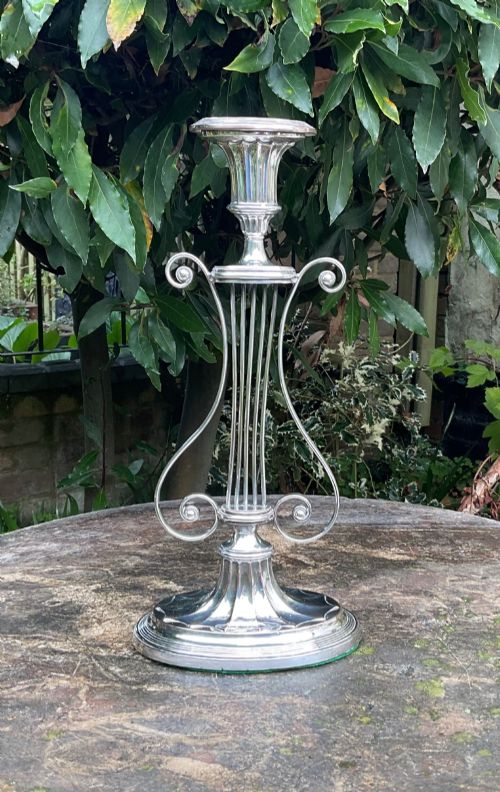
Georgian centrepieces tend to display cleaner neoclassical lines, Sheffield plate construction, and restrained classical revival or lyre shapes. Victorian examples often embrace heavier ornamentation, ornate Rococo Revival scrolling, and extensive electroplated finishes.
Looking at the casting weight, maker marks, and overall decorative density helps separate the earlier Georgian aesthetic from later Victorian production.