

Antique Centerpiece Stand
An antique centerpiece stand commands the middle of the table, holding fruit, sweets or lights to finish a room.
Antique Centerpiece Stand
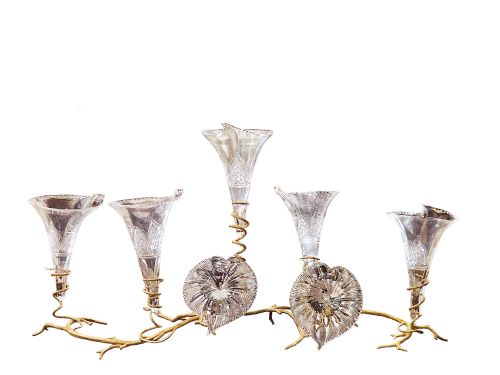
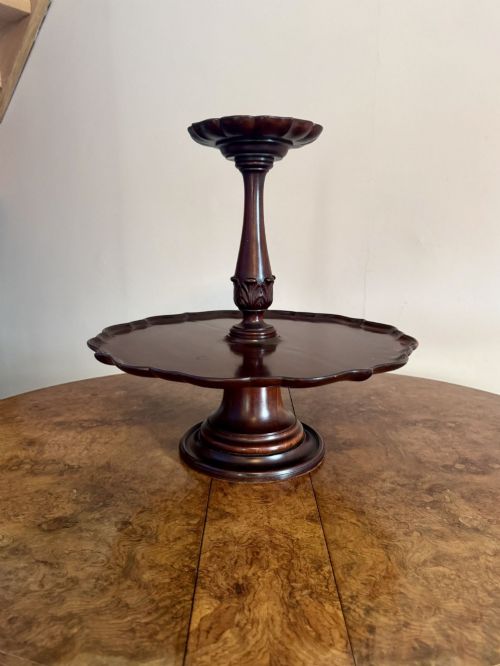
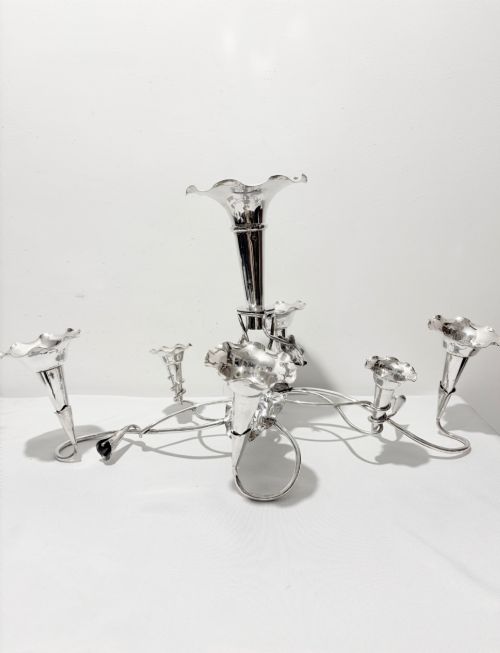
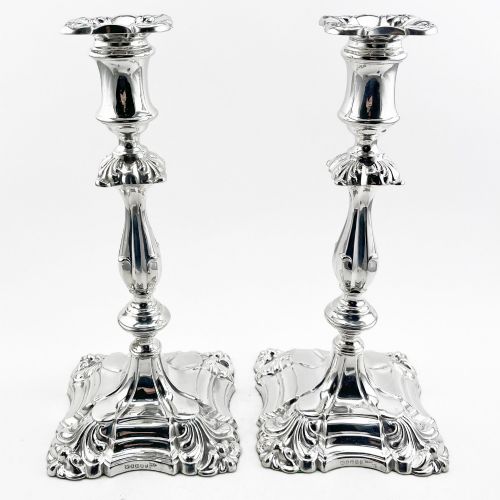
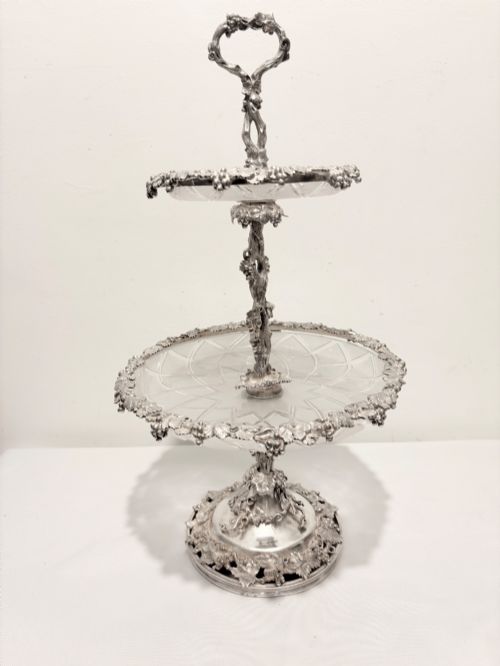
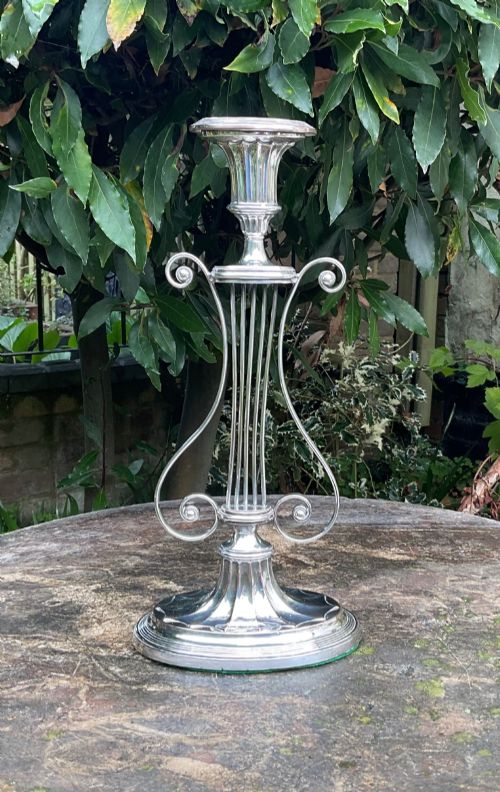
An antique centerpiece stand brings height and focal detail to a dining or display table through elevated bowls, tazzas and candelabra stands. These pieces organise the table surface by lifting fruit, flowers or lighting above the cloth.
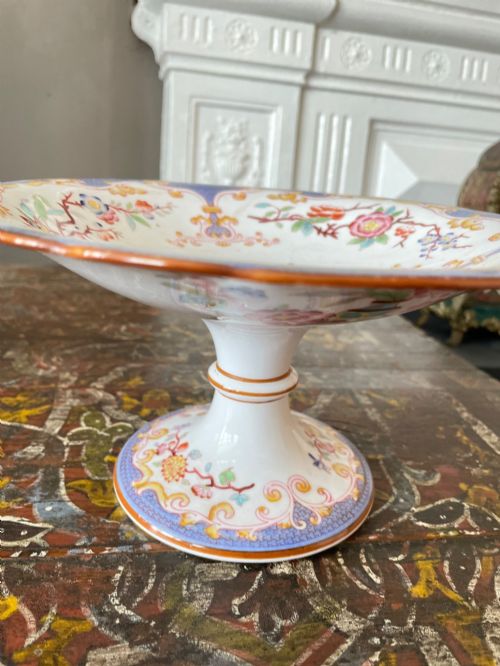
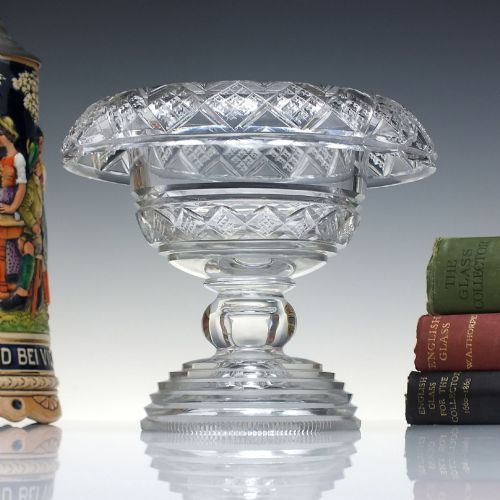
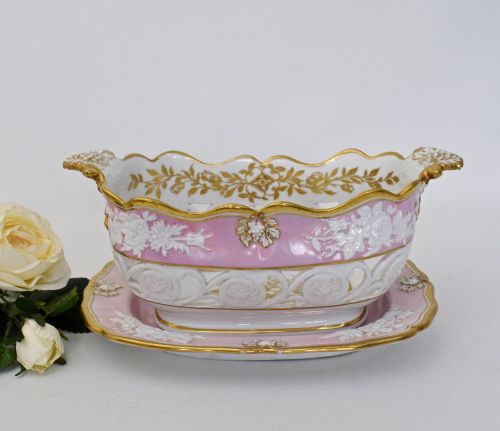
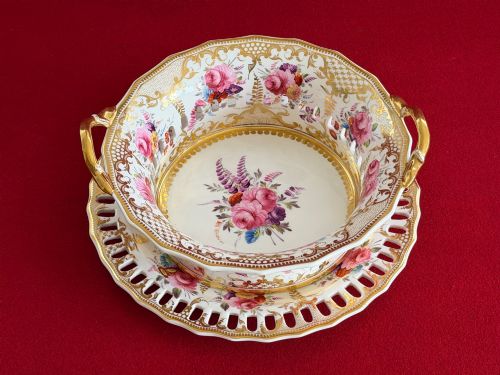
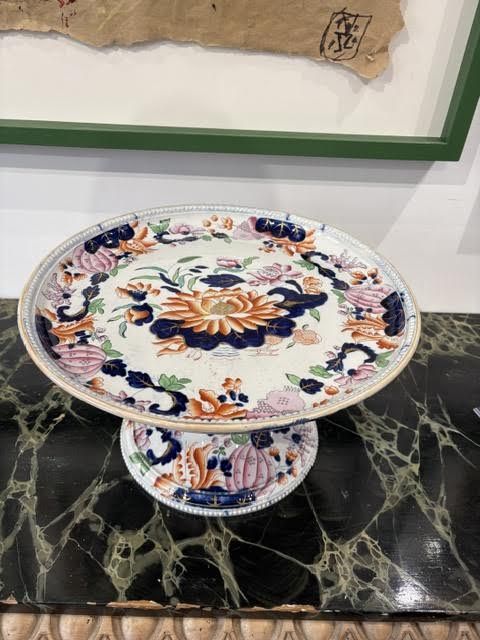
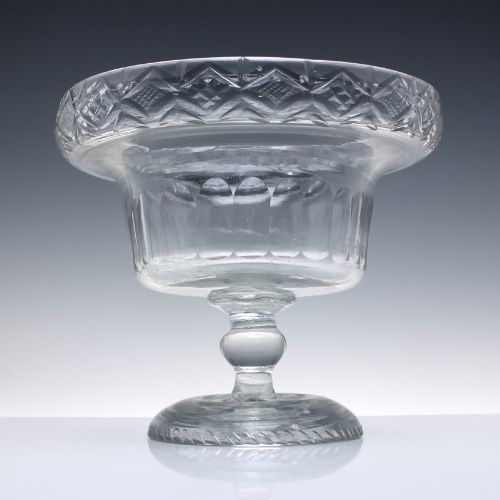
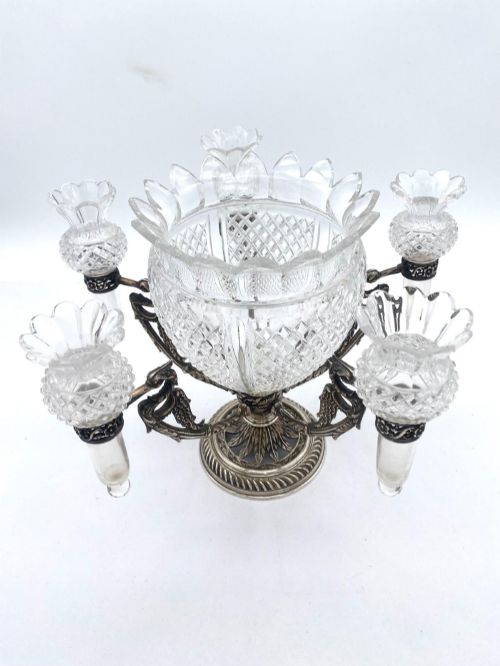
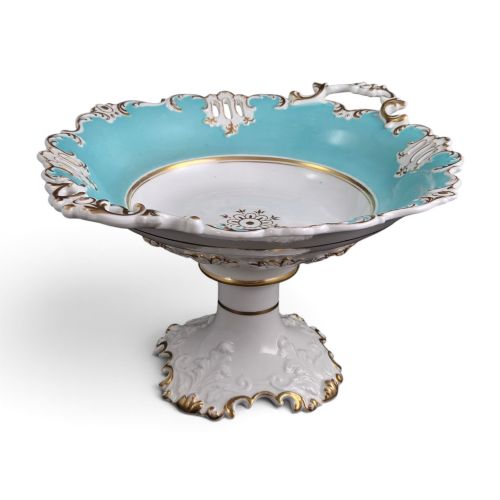
The versions most commonly met on this page range from Georgian glass tazzas to Victorian silver plated stands, alongside porcelain bowls with matching bases. Many take the form of tazzas, fruit comports or multi-branched candelabra stands dating across the eighteenth, nineteenth and early twentieth centuries.
Makers and factories from England and France produced these stands in styles spanning Rococo Revival, Neoclassical and French Empire. Buyers encounter everything from simple oak lazy susans to elaborate gilt bronze and crystal arrangements.
Materials and Construction
Makers combined heavy metal foundations with delicate upper vessels, uniting silver plate, gilt bronze or ormolu with cut glass, crystal, amber glass and vaseline glass. Porcelain bowls and ironstone china found themselves mounted onto metal pedestals or fitted into dedicated stands.
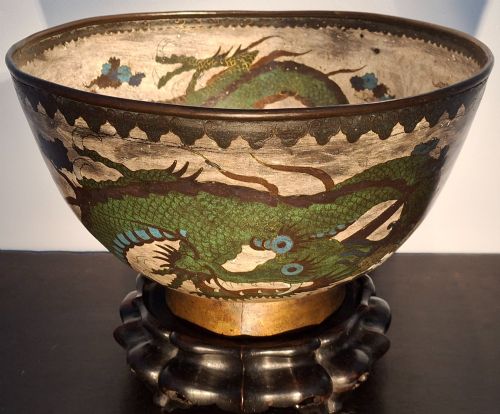
Craftsmen utilised techniques such as champleve enamelling, hand painting on bone china, and silver plating over base metals to achieve decorative richness. Glass vessels were blown, moulded and deeply cut to catch the candlelight of the dining room.
Antique Centerpiece Stand Retail Price Guide 2026
Typical asking prices for centerpiece stand among the pieces listed under this phrase on Sellingantiques today, from the lower quarter to the upper quarter. They describe what is for sale here now, not the wider market.
Listings feature periods from the eighteenth century through the Edwardian era, utilising silver plate, porcelain, cut glass and gilt bronze.
Separating the Fine from the Ordinary
Quality rests in the crispness of the casting on bronze and ormolu mounts, the depth and clarity of the cut glass, and the precision of hand painted porcelain details. Superior examples maintain the original integrity of their fitted glass inserts and matching stands.
The weight of the metal base and the stability of the central pedestal indicate the standard of production. Pieces bearing recognisable factory porcelain or documented metalwork show greater ambition in design and finish than standard commercial wares.
Wedgewood·Coalport·Sèvres·Walker and Hall·Doulton Burslem·Mappin and Webb·Pierre Philippe Thomire
The Antique Centerpiece Stand Glossary
- Tazza
- A shallow ornamental bowl raised upon a central foot or pedestal. This form serves fruit, sweetmeats or decorative arrangements.
- Candelabra
- A branched candlestick holder designed to support multiple tapers from a single central stand. These pieces provide elevated lighting for dining tables.
- Comport
- A shallow dish or bowl on a foot, used historically for serving dessert or fruit at the table. They frequently pair with matching stands.
- Ormolu
- Finely ground high-carat gold cast and chased onto a bronze base. This technique gives metalwork a rich golden lustre.
- Epergne
- A large ornamental centerpiece featuring a central dish surrounded by smaller hanging baskets or arms. They dominate the table with complex tiered designs.
Antique Centerpiece Stand: Frequently Asked Questions
What were antique centerpiece stands used for?
These stands served to elevate food, fruit or illumination above the clutter of the dining table during formal meals. They provided a visual centre of gravity for the room.
Hosts used them to display sweetmeats, desserts or fine porcelain while keeping the table surface orderly and balanced.
How do I style an antique stand today?
Place the stand in the middle of a dining table or on a sideboard as a permanent focal point. Large tazzas and bowls hold seasonal fruit or decorative glass spheres.
Candelabra stands add height and ambient lighting when fitted with traditional tapers for evening gatherings.
How do I identify the period of a stand?
Examine the materials, weight and decorative motifs to narrow down the era of manufacture. Georgian pieces often feature heavy cut glass and simple classical lines, while Victorian examples embrace ornate revival styles and coloured glass.
Marks on the base or porcelain underside provide direct clues to the factory and decade of production.
Are glass inserts usually original?
Many stands combine metal bases with glass bowls that experienced heavy use over the centuries. Finding matching original glass requires looking closely at how the vessel sits within the mount.
Slight variations in fit or colour indicate whether a bowl belongs to its original stand or represents a later replacement.