


Antique Cavalry Firearm
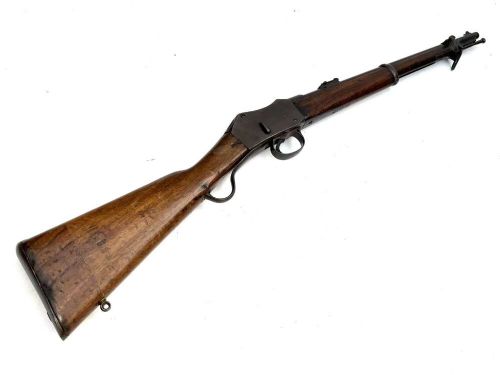
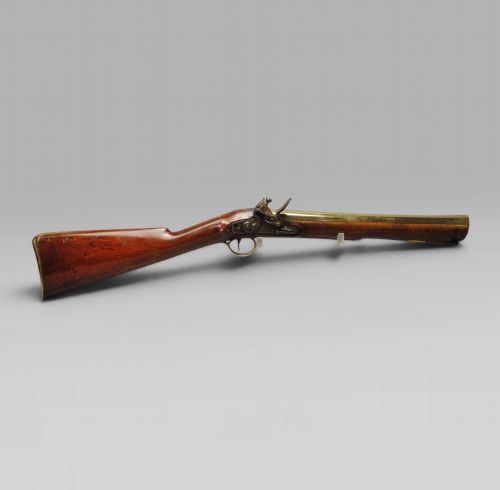
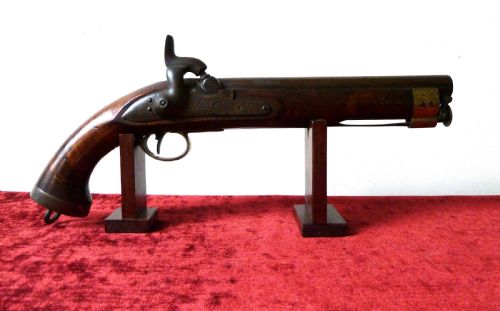
These antique cavalry firearm examples span the Georgian and Victorian military eras, offering tangible links to mounted combat history.
Antique Cavalry Firearm
An antique cavalry firearm represents the sidearms and shoulder pieces issued to or carried by mounted troops during the eighteenth and nineteenth centuries. Buyers examining this category encounter flintlock and percussion systems, alongside blunderbusses and holster pistols designed for horse-mounted service.
The selection here draws primarily from Georgian military suppliers, the East India Company, and continental European workshops including Napoleonic French and Russian arsenals. British light dragoon flintlock pistols and service pieces by makers such as T. Potts and Wilson appear alongside Ottoman Balkan holster pistols featuring silver inlay.
Forms vary from service pistols with steel barrels and walnut stocks to brass-barrelled blunderbusses and musketoon variations. These arms reflect the evolving demands of cavalry tactics across the 18th century and 19th century.
How they were made
Makers constructed these arms using forged steel for barrels and lock mechanisms, paired with stocks shaped from dense hardwoods like walnut. Brass mounts frequently reinforced the structure on service models and Balkan variants.
Fine decorative work involved silver inlay applied to wooden stocks and metal components, particularly on Ottoman regional pieces. Proof marks stamped into the metal by official inspection bodies verified the barrels for service use.
Listings feature steel, brass, walnut, and silver across 18th century and 19th century military styles.
What varies in quality
The distinction between standard military issue and finer pieces lies in the crispness of lock engraving and the integration of maker signatures such as T. Potts or Wilson. Government contract arms prioritised rugged utility, whereas private officers' purchases often displayed superior stock shaping and metal finishing.
Preservation of original brass mounts, legible proof marks, and untouched silver inlay separate exceptional examples from heavily altered or restored service weapons.
T. Potts·Wilson
The Antique Cavalry Firearm Glossary
- Flintlock
- An ignition mechanism that uses a piece of flint striking a steel frizzen to create sparks for gunpowder ignition.
- Percussion
- A later lock system utilising a percussion cap struck by the hammer to detonate the powder charge.
- Blunderbuss
- A muzzle-loading firearm with a flared barrel designed to scatter lead shot at close range from horseback.
- Holster Pistol
- A large sidearm carried in a saddle holster by mounted troopers during the 18th century and 19th century.
- Proof Mark
- An official stamp applied to the barrel certifying that the firearm has passed testing for structural strength.
Antique Cavalry Firearm: Frequently Asked Questions
What is an antique cavalry firearm?
An antique cavalry firearm is a muzzle-loading pistol or musketoon used by mounted troops in the 18th century and 19th century. These pieces include flintlock holster pistols and percussion service arms.
Such weapons were designed for close-range combat on horseback, featuring robust construction to withstand field conditions.
How do flintlock and percussion differ?
Flintlock mechanisms rely on a flint striking a steel frizzen to produce a spark that ignites the powder charge. Percussion systems use a small chemical cap struck by the hammer.
Percussion ignition generally offered greater reliability in damp weather compared to earlier flintlock designs.
Where were these military pistols made?
These arms originated from official government facilities like the Tower of London, private London gunmakers, and continental European arsenals. Examples also hail from East India Company stocks and Ottoman regional workshops.
Each origin reflects the specific procurement networks and tactical requirements of the military forces using them.
How should I display a cavalry firearm?
Display these pieces in stable indoor environments away from direct sunlight and excessive humidity to protect the wood and steel. Secure wall mounts or dedicated display cabinets work well for presentation.
Ensure the firearm rests safely without putting strain on the lock mechanism or wooden stock.
Are these firearms functional?
These items are collected as historic artefacts and antiques rather than functioning weapons. Many pieces retain their original mechanical components from the Georgian era or Victorian military period.
Firing antique muzzleloaders requires specialist knowledge and professional inspection which falls outside standard collector handling.