




Antique Caucasian Kazak
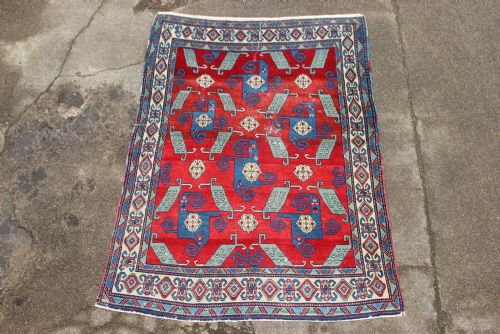
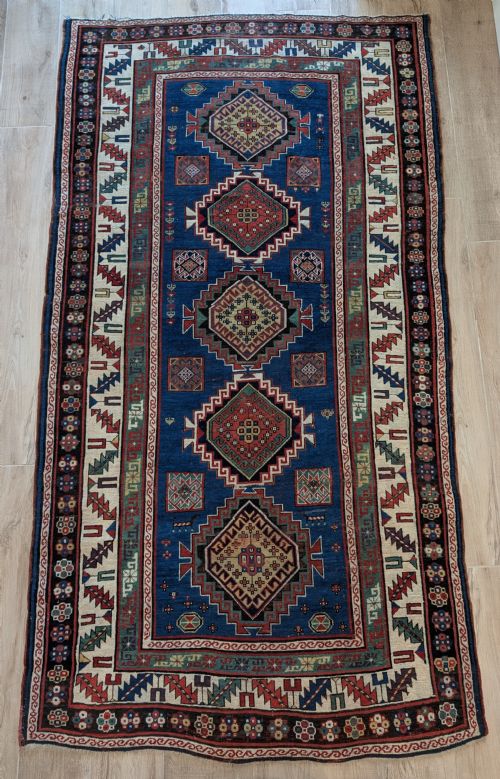
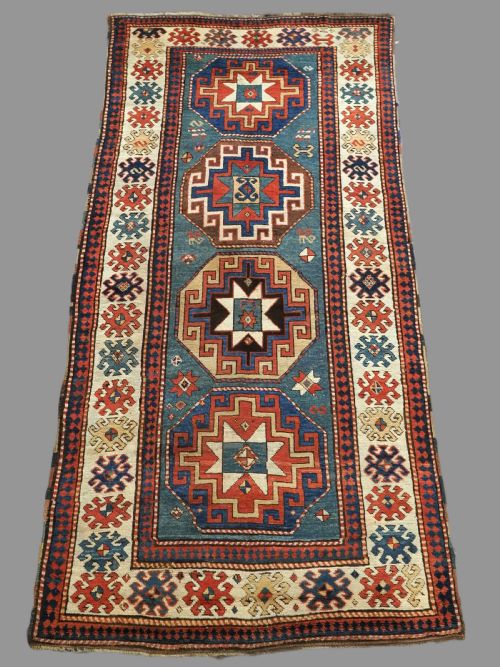
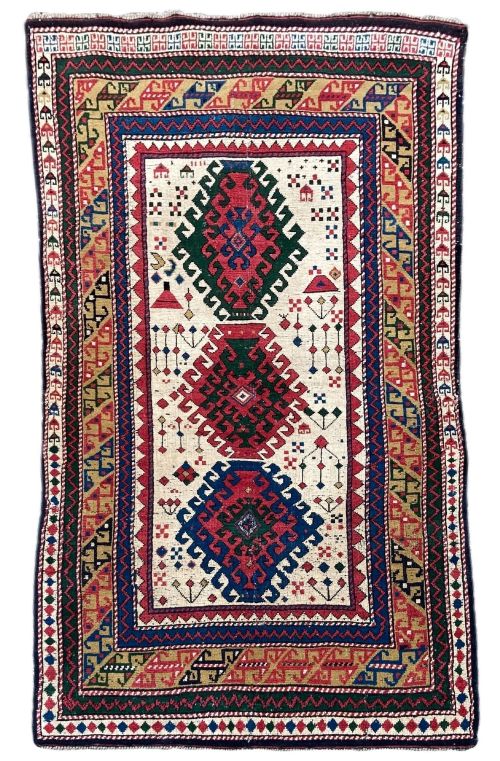
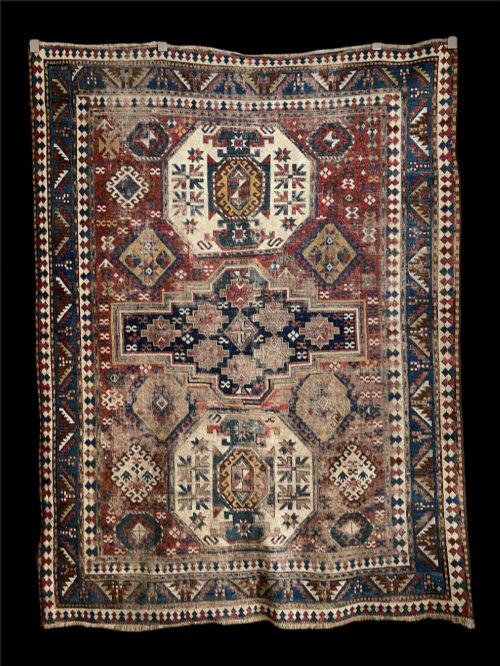
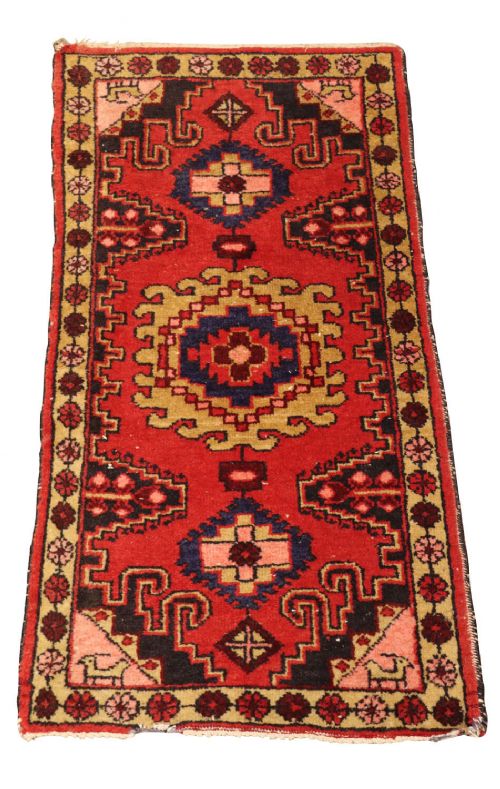
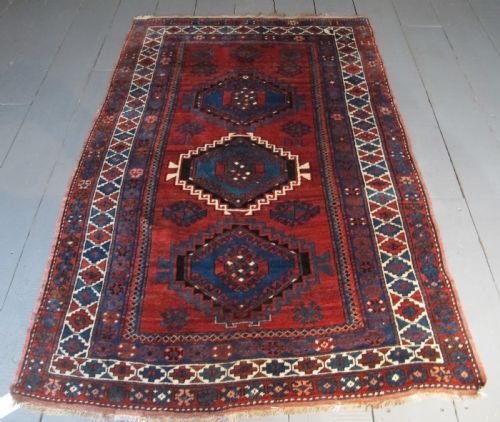
An antique caucasian kazak is a tribal woven floor covering defined by bold geometric medallions and saturated pigments.
Antique Caucasian Kazak
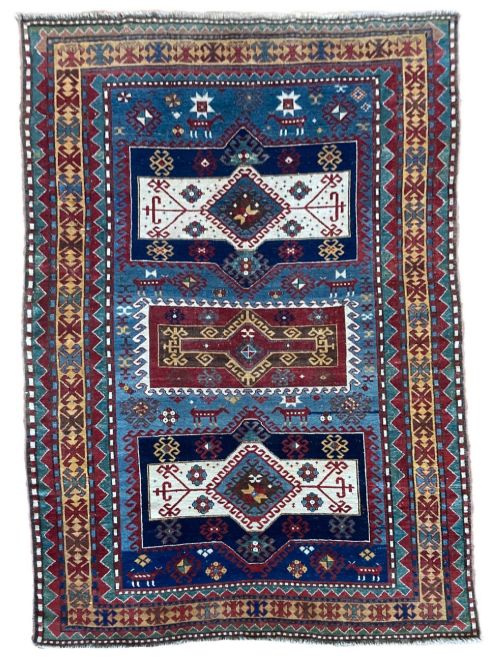
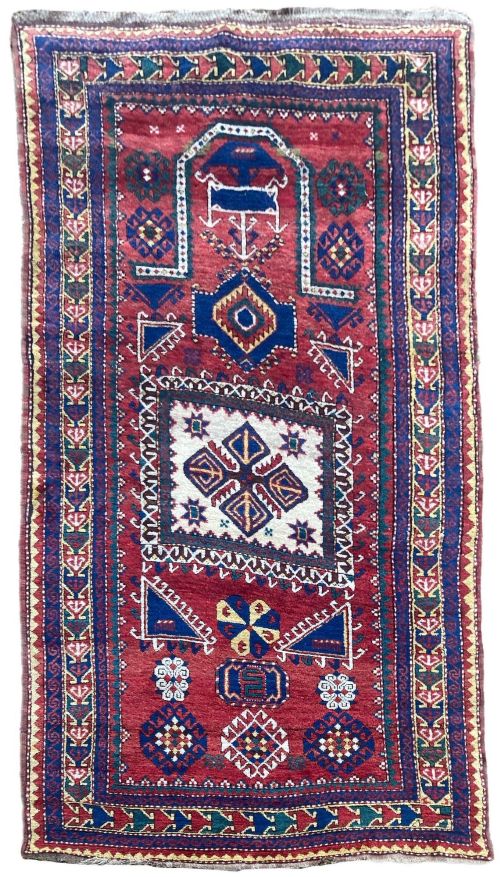
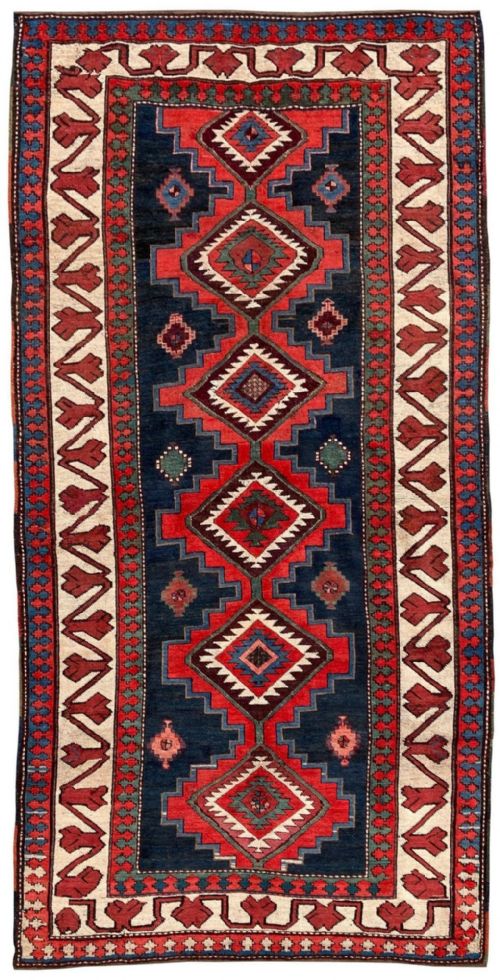
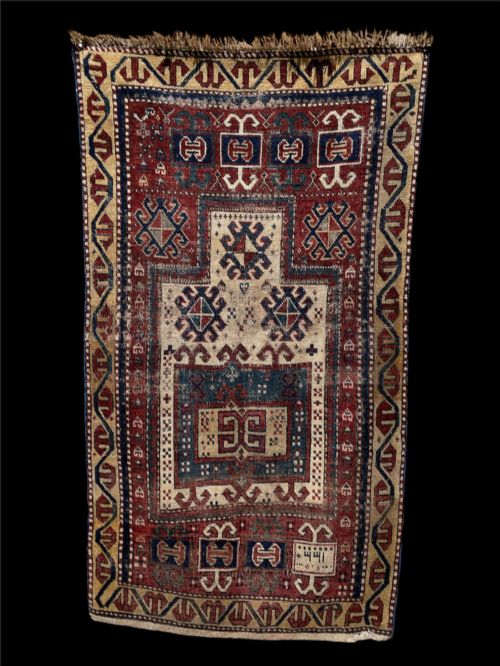
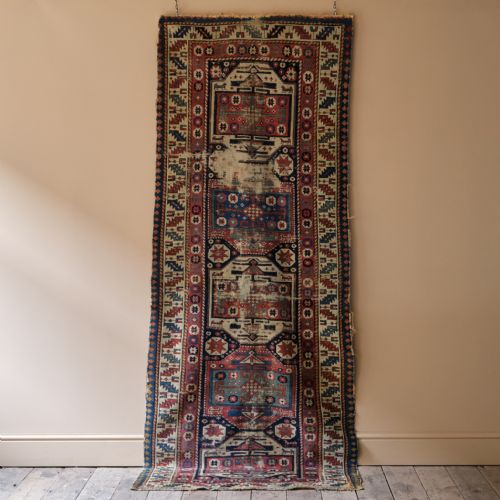
When you examine an antique caucasian kazak, you encounter tribal hand-knotted weaving produced across the Caucasus region during the nineteenth and early twentieth centuries. These pieces appear in forms ranging from standard area rugs and long runners to specific prayer formats featuring distinct mihrab arches.
The aesthetic is distinctly geometric, relying on hooked medallions, animal motifs, and repeating boteh patterns rather than curved floral arrangements. Specific regional subtypes such as Fachralo, Borchalu, Karachov, and Moghan frequently emerge within this grouping, each displaying particular structural traits.
Most examples originate from the period between eighteen fifty and nineteen thirty, spanning the nineteenth century and the early decades of the twentieth. Rugs, runners, and kilims made from panels all represent the diverse output found in this category.
Assessing quality and execution
The distinction between tiers rests upon the clarity of the geometric drawing and the saturation of the natural dyes used in the pile. Superior examples display precise execution of medallions and animal motifs without the stiffness found in lesser or later commercial outputs.
Material preparation also dictates grade, with hand-spun wool and resilient natural colour palettes elevating the integrity of the weaving. Preserved pile height and structural soundness further separate fine decorative survivals from heavily worn remnants.
Antique Caucasian Kazak Retail Price Guide 2026
Typical asking prices for caucasian kazak among the pieces listed under this phrase on Sellingantiques today, from the lower quarter to the upper quarter. They describe what is for sale here now, not the wider market.
Some runners proudly embrace asymmetry, reminding us that nomad weavers did not use graph paper.
The Antique Caucasian Kazak Glossary
- Kazak
- A designation for tribal rugs woven in the southern Caucasus region, known for bold geometry and primary colour schemes.
- Prayer rug
- A small format textile featuring a niche or arch design, historically oriented toward Mecca during daily devotions.
- Boteh
- A stylized almond or pear-shaped motif representing a floral or cypress shoot, frequently repeated across Caucasian runners.
- Medallion
- A central geometric ornament set into the field of the rug, often hexagonal, octagonal, or hooked in outline.
- Kilim
- A flat-woven textile produced without a pile, occasionally constructed from joined mafrash panels in Caucasian traditions.
Antique Caucasian Kazak: Frequently Asked Questions
What is an antique caucasian kazak?
These are hand-knotted tribal rugs and carpets originating from the Caucasus region during the nineteenth and early twentieth centuries. They are characterised by geometric designs, saturated natural dyes, and bold medallions.
Weavers in village and nomadic settings produced them using hand-spun wool and cotton foundations. Each piece reflects the specific tribal traditions of areas such as Fachralo, Borchalu, and Karachov.
How were these rugs used originally?
Nomadic and village communities utilised these textiles as floor coverings, seating areas, and specific prayer mats inside traditional dwellings. Their durable wool construction handled daily foot traffic and harsh living conditions.
Smaller formats functioned as personal prayer rugs, while long runners spanned hallways or tent interiors. Kilims and flat-weaves often served functional storage or partitioning roles.
How do I live with an antique kazak?
Place these rugs in spaces with moderate foot traffic where their geometric patterns and strong colours can be fully appreciated. Pairing them with a quality underlay protects the historical foundation from premature wear.
Keep them away from direct, harsh sunlight to preserve the natural dyes over time. Gentle, regular vacuuming without a rotating brush roll helps maintain the hand-spun wool pile.
How do I tell different regional types apart?
Regional subtypes are distinguished by their specific medallion structures, border arrangements, and dominant ground colours. For instance, Karachov types typically feature large central square blocks, while Fachralo examples often display distinctive large rectangular medallions.
Examining the specific motifs, such as animal figures or boteh repeats, alongside the secondary colours helps pinpoint origins like Gendje or Moghan.