



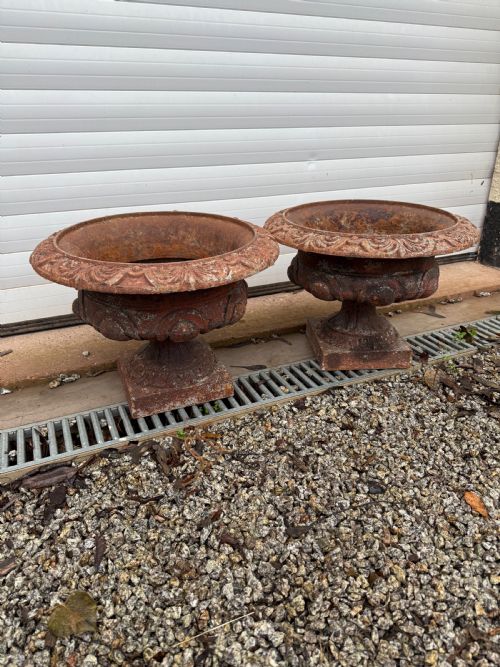
Antique Cast Iron Basin
These antique cast iron basin examples are heavy garden planters and ornamental urns that anchor a terrace or lawn with industrial weight.
Antique Cast Iron Basin
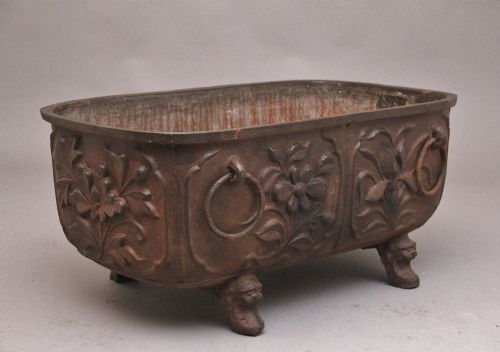
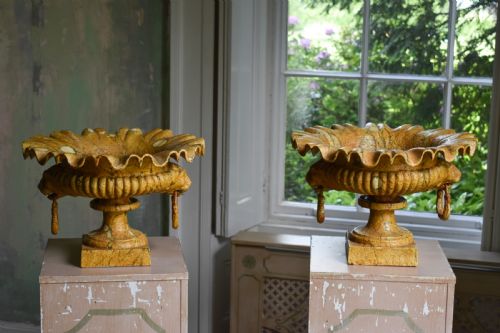
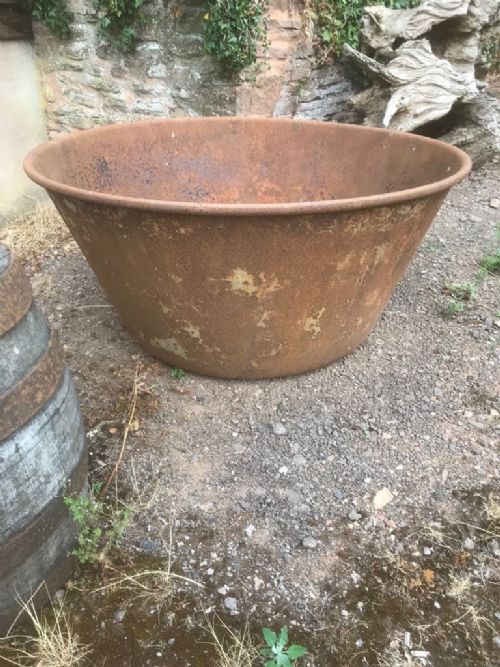
An antique cast iron basin is most often encountered on this page as a garden planter, urn, or jardiniere dating from the Victorian period and the nineteenth century. These heavy vessels served practical uses outdoors or in grand gardens, taking forms from simple circular bowls to elaborate shell designs supported by columns.
Beyond standard garden ornaments, the selection includes specialised forms such as wall brackets, temple baths, and large copper vessels. Makers ranged from English foundries producing neoclassical urns to Chinese workshops casting iron baths with script.
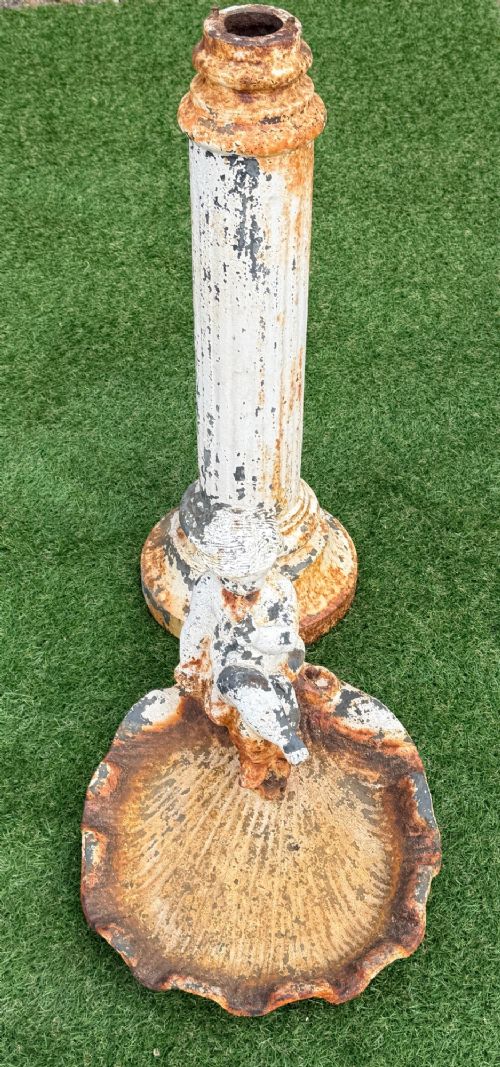
The aesthetic bridges domestic utility and garden display, drawing on Victorian industrial, Gothic, and Neoclassical styles. Buyers find pieces ranging from mid-nineteenth-century garden urns to late Victorian bird baths featuring figural elements like seated cherubs.
How they were made
The primary material across these listings is cast iron, poured into moulds to create thick, durable walls capable of withstanding decades of outdoor exposure. Many pieces incorporate painted surfaces, while others show patinated finishes including rusted steel and copper elements.
Foundries combined structural iron with decorative casting techniques, producing intricate details such as dragons on sink brackets, cast script on temple baths, and fluted body sections on garden urns. The weight of the metal dictated sturdy construction, whether for a standalone planter or a wall-mounted bracket.
Current listings span the Victorian period and the nineteenth century, uniting English garden urns with Chinese iron baths.
What varies in quality
Quality in these heavy iron vessels rests upon the crispness of the casting and the ambition of the form. Pieces featuring sculptural additions like seated cherubs or detailed dragons demand greater foundry skill than plain utility basins.
The integrity of the material and the character of the surface finish dictate the visual success of the piece. Surviving early paint layers or honest patination of rusted steel elevate an ordinary garden ornament into a compelling architectural object.
The Antique Cast Iron Basin Glossary
- Cast iron
- An iron-carbon alloy poured into a mould to form rigid, heavy objects. It provides the structural backbone for these durable garden urns and architectural brackets.
- Jardiniere
- An ornamental pot or stand for plants and flowers. These larger vessels often sit on pedestals or directly on the ground in gardens.
- Neoclassical
- A style reviving classical Greek and Roman motifs. It appears in the restrained, balanced proportions of nineteenth-century urns.
- Tempera
- A permanent, fast-drying painting medium. While less common than direct paint on iron, decorative finishes define the visual appeal of these pieces.
Antique Cast Iron Basin: Frequently Asked Questions
Where should I place an iron basin?
These heavy iron vessels suit garden lawns, gravel terraces, and large conservatories where their weight provides stability. They make effective focal points when planted with shrubs or left empty as sculptural garden ornaments.
Smaller bracket pieces mount directly to exterior or interior masonry walls to support shelves or hanging displays. Ensure the supporting surface can bear the considerable weight of the cast metal.
How do I date these iron pieces?
Dating relies on stylistic clues such as neoclassical proportions, Victorian Gothic ornamentation, or specific casting marks. Nineteenth-century examples often display thicker wall sections and hand-finished details distinct from later reproductions.
Consider the form and provenance clues, such as Chinese temple baths with cast script, which place objects within nineteenth-century production contexts.
Can I leave cast iron outside?
Cast iron withstands outdoor weathering well, developing a stable rusted or patinated surface over decades. This natural weathering process is part of the material character for garden planters and urns.
Protect pieces with delicate painted finishes or integrated copper elements from harsh winter freezing if water collects inside the basin and expands.
How heavy are these basins?
Cast iron is extremely dense, meaning even modest garden planters and wall brackets require two people to lift safely. Large urns and temple baths often demand mechanical assistance or professional placement.
This substantial weight keeps garden ornaments secure against strong winds without needing permanent ground fixing.