



Antique Carving Wagon
An antique carving wagon brings grand dining history into your home, offering sturdy tiers and clever compartments for serving food and drink with effortless style.
Antique Carving Wagon
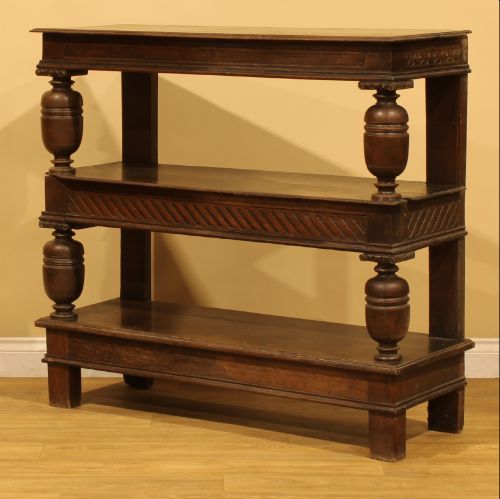
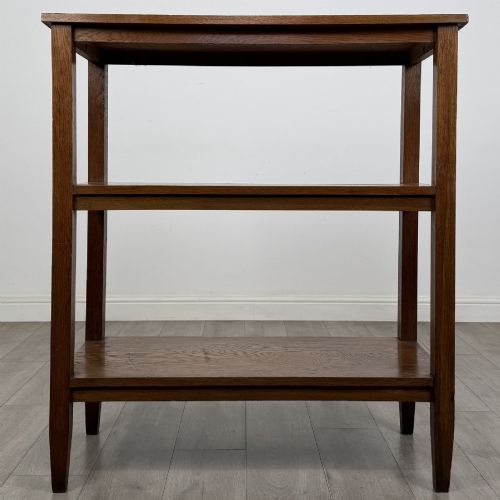
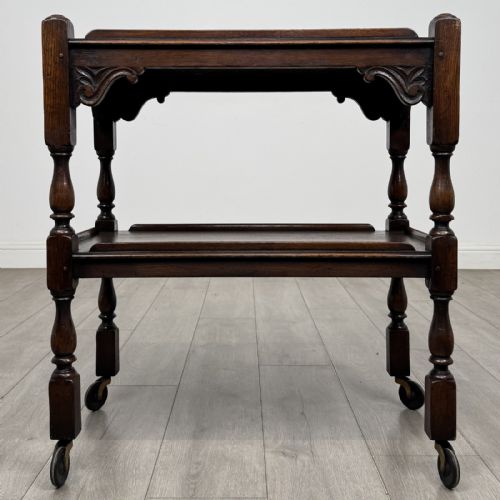
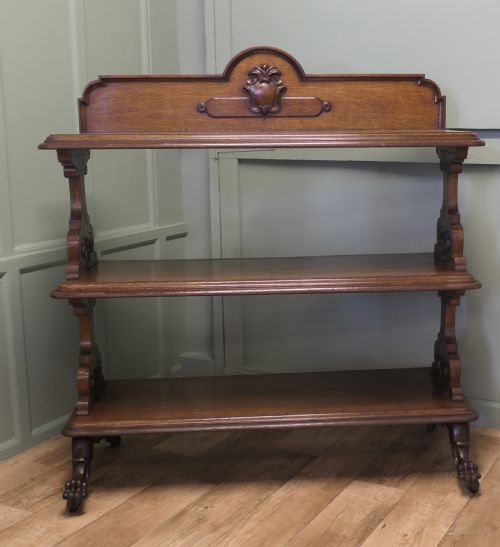
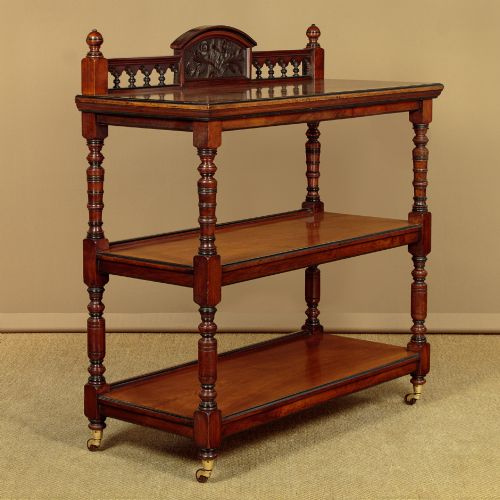
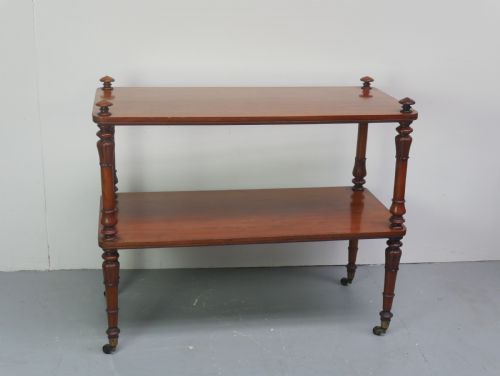
When you search for an antique carving wagon, you encounter robust serving furniture designed for large dining rooms and formal meals. The pieces catalogued here span the nineteenth century and the Edwardian era, taking the form of multi-tiered buffets, dumb waiters, and serving tables alongside distinct novelty tobacco cabinets shaped like railway wagons.
Alongside conventional serving tables, the evidence includes specialised smoking cabinets and humidors modeled directly on coal wagons from the railway era. These smaller novelty items offer enclosed storage for tobacco while maintaining the distinct aesthetic of nineteenth-century transport.
Materials and construction methods
The primary timbers utilised across these pieces are mahogany, oak, and walnut, chosen for their structural strength and rich grain patterns. Specific examples feature pollard oak for decorative effect, while brass and cast iron supply functional hardware and structural support.
Cabinetmakers constructed these servers with heavy tiers, turned supports, and occasionally three-tier shelving systems designed to bear the weight of heavy dishes. Novelty wagon pieces incorporate detailed wooden planking and metal fittings to replicate industrial coal trucks of the period.
Antique Carving Wagon Retail Price Guide 2026
Typical asking prices for carving wagon among the pieces listed under this phrase on Sellingantiques today, from the lower quarter to the upper quarter. They describe what is for sale here now, not the wider market.
Form variations range from grand three-tier serving tables and buffets to miniature wooden railway coal wagon humidors.
Evaluating quality and design
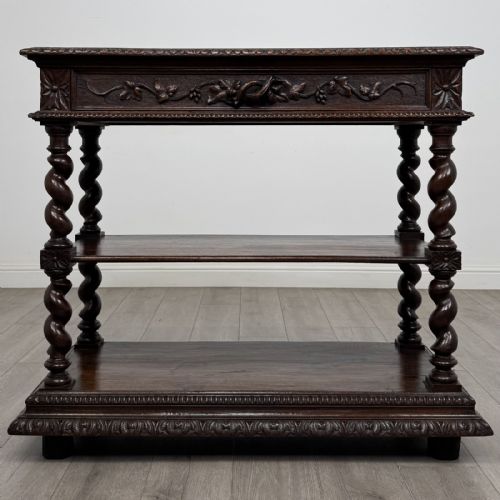
Quality in these items rests upon the depth of the carved ornamentation and the selection of timber veneers. Pieces attributed to distinguished workshops display superior joinery and refined proportions compared to standard utility furniture.
The distinction between a simple serving shelf and a grand buffet lies in the complexity of the turned columns, the thickness of the timber shelves, and the crispness of the applied mouldings.
The Antique Carving Wagon Glossary
- Dumb waiter
- A tiered serving stand that holds dishes and bottles without the need for immediate servant attendance. These units frequently feature revolving or stationary shelves.
- Pollard oak
- Oak timber taken from trees that have been pollarded, producing a heavily knotted and decorative grain pattern. Cabinetmakers used this wood for striking visual accents.
- Humidor
- A specialised box or cabinet designed to keep tobacco moist. Examples in this category take the whimsical form of railway coal wagons.
- Aesthetic Movement
- A late nineteenth-century design style that prioritized visual beauty over narrative meaning. Furniture from this movement emphasises simple lines and artistic craftsmanship.
Antique Carving Wagon: Frequently Asked Questions
What is an antique carving wagon used for?
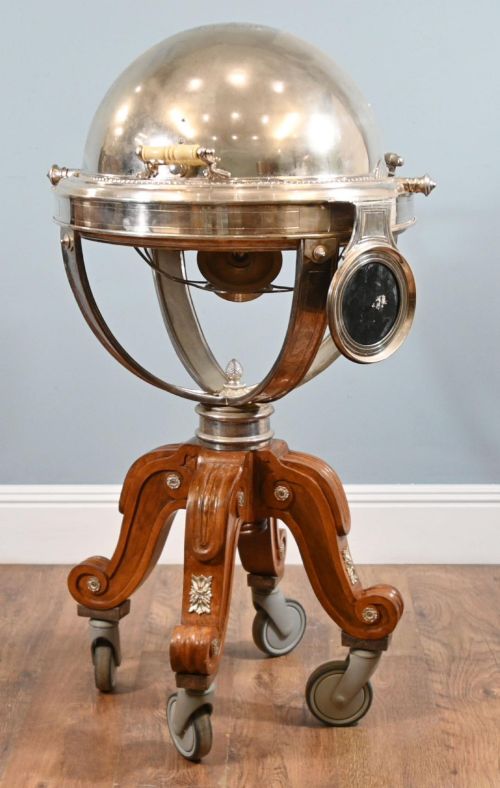
These pieces served as mobile or stationary sideboards in grand dining rooms during the nineteenth century. They held heavy joints of meat, serving dishes, and silverware during large meals.
Today, they function well as serving stations, side tables, or display units for living spaces and modern dining rooms.
How do I date a Victorian buffet?
Dating relies on examining the primary timber, the style of the turned legs, and the complexity of the carved details. Earlier pieces often display William IV influences with heavy scrolled supports.
Later Victorian and Edwardian examples lean towards lighter constructions or incorporate specific stylistic movements such as the Aesthetic style.
What is a dumb waiter?
A dumb waiter is a multi-tiered stand used in dining rooms to hold plates, glasses, and serving dishes. They allowed diners to access extra courses without constant assistance from servants.
These pieces typically feature two or three graduated shelves supported by a central turned column.
Why are some items shaped like railway wagons?
Late nineteenth-century cabinetmakers occasionally created novelty items that mirrored industrial forms such as GWR coal wagons. These pieces functioned as smokers' cabinets or humidors for tobacco storage.
They reflect the Victorian taste for playful, highly specific decorative objects that doubled as practical storage boxes.