

Antique Carving Desk Accessory
An antique carving desk accessory brings tactile warmth and historic utility to a workspace, ranging from Black Forest animal figures to Chinese scholar's brush pots.
Antique Carving Desk Accessory
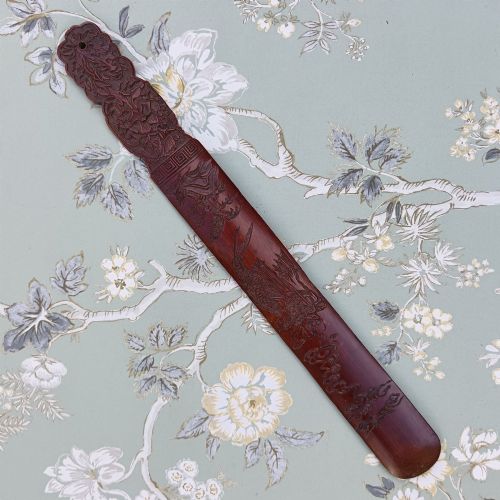
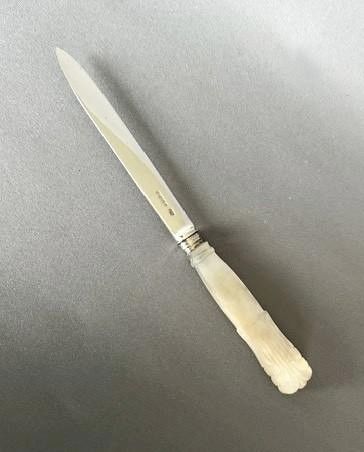
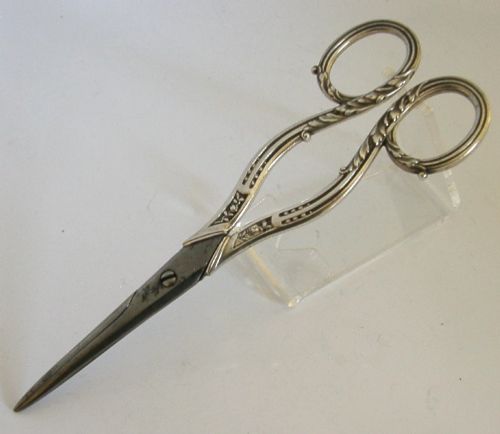
An antique carving desk accessory comprises utilitarian desk pieces shaped from wood, bone, stone, and horn, designed to organise correspondence and writing materials in the nineteenth and early twentieth centuries.
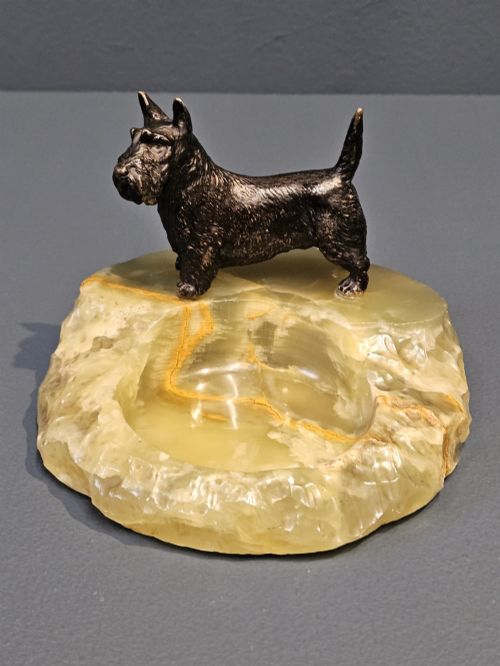
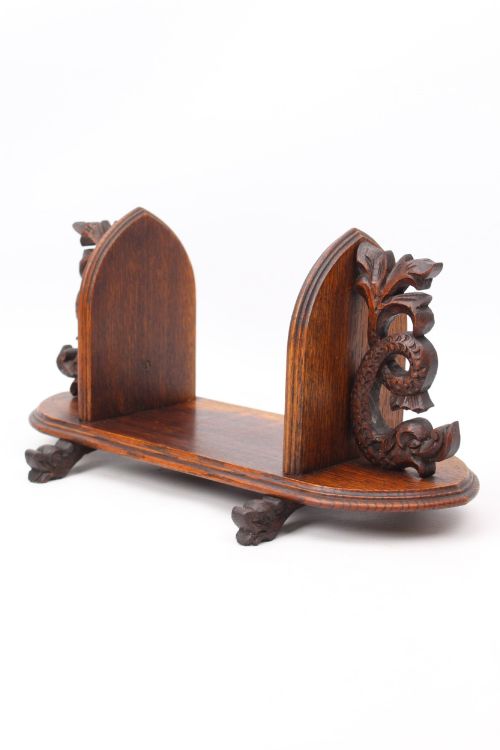
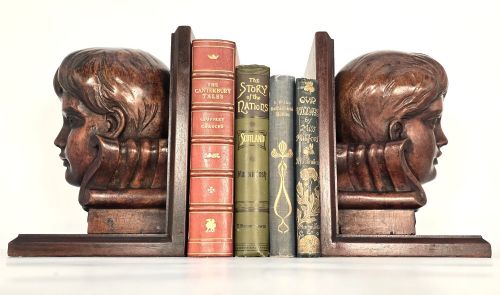
Bookends, letter openers, inkstands, match holders, and brush pots form the core of these items, spanning Victorian Gothic revivals, Edwardian library fittings, and Black Forest animal carvings.
Scholars and domestic writers utilised these carved implements daily, selecting forms from folding book slides to bronze desk tidies that reflect the aesthetic tastes of Victorian, Edwardian, and Art Deco periods.
Materials and carving techniques
Artisans carved these desk accessories from timbers such as oak, mahogany, limewood, bamboo, and maple, often employing deep relief to shape animals, foliage, and architectural motifs.
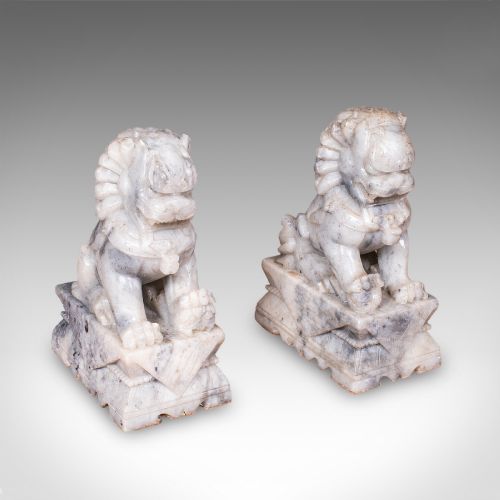
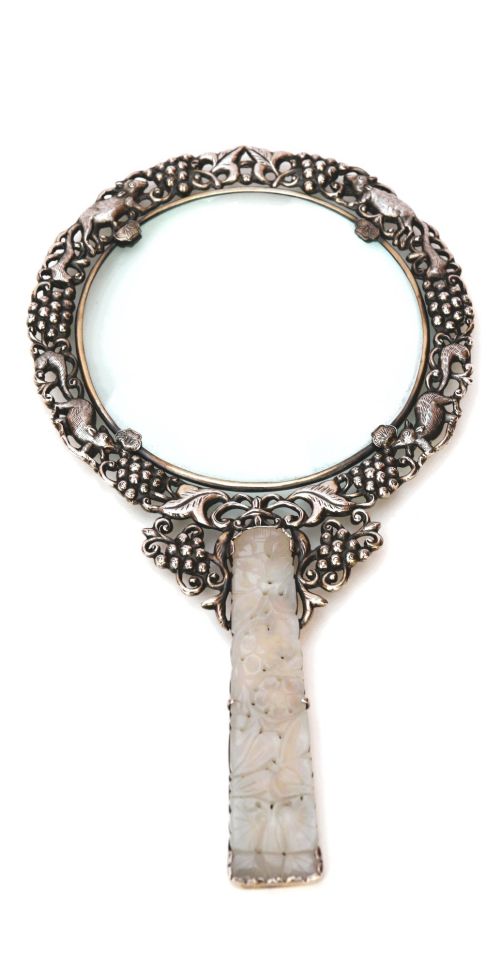
Makers integrated brass, silver, jade, pewter, and glass mounts into carved wooden bodies, combining metalwork with organic materials like buffalo horn, mother-of-pearl, and soapstone.
Antique Carving Desk Accessory Retail Price Guide 2026
Typical asking prices for carving desk accessory among the pieces listed under this phrase on Sellingantiques today, from the lower quarter to the upper quarter. They describe what is for sale here now, not the wider market.
Assessing quality in carved desk pieces
Quality rests in the crispness of the carving and the depth of undercut detail, distinguishing master woodcutters from mass production.
The integration of secondary materials, such as fitted silver collars, heavy glass wells, and inlaid stones, separates standard desk utilities from exceptional library appointments.
Mabie Todd & Co·Thornton Smith Co
The Antique Carving Desk Accessory Glossary
- Book slide
- An adjustable stand with expanding wooden or metal sides to hold a row of volumes upright on a desk. They often feature carved ends or inlaid panels.
- Inkstand
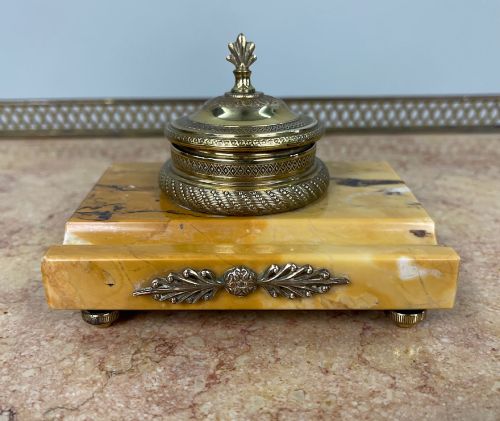
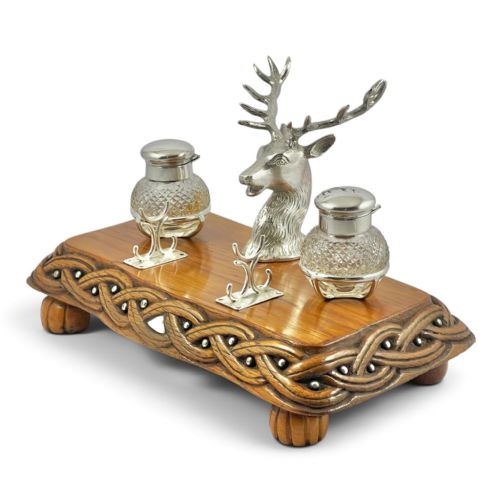
- A desktop tray or stand holding one or more inkwells, frequently paired with pen troughs and sanders. Materials include silver, oak, and glass.
- Match holder
- A small container or striker designed to hold safety matches close to a smoking cabinet or desk lamp. They frequently take figurative animal forms.
- Brush pot
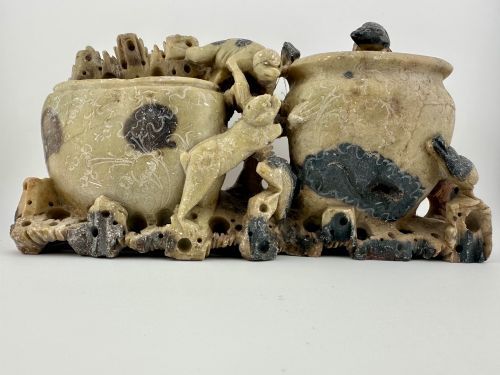
- A cylindrical vessel used by scholars to hold calligraphy brushes. These are carved from bamboo, wood, soapstone, or buffalo horn.
- Letter opener
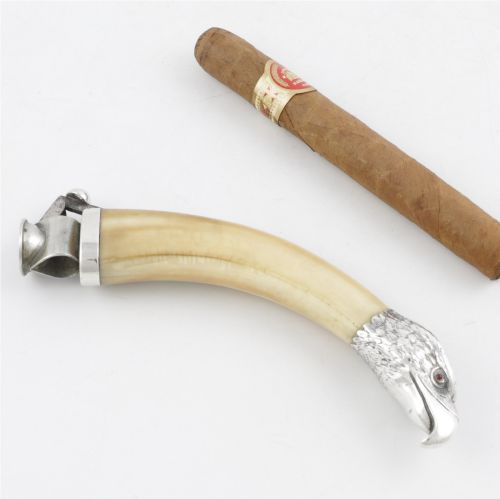
- A flat, bladed implement used for slitting envelopes. Examples appear in silver, carved wood, mother-of-pearl, and bone.
Antique Carving Desk Accessory: Frequently Asked Questions
What materials were used for these desk pieces?
These items were constructed from various woods including oak, mahogany, limewood, maple, and bamboo, alongside soapstone, buffalo horn, and mother-of-pearl.
Many examples also incorporate metal components such as brass, bronze, pewter, and silver mounts or glass inkwells.
How do I identify a Black Forest carving?
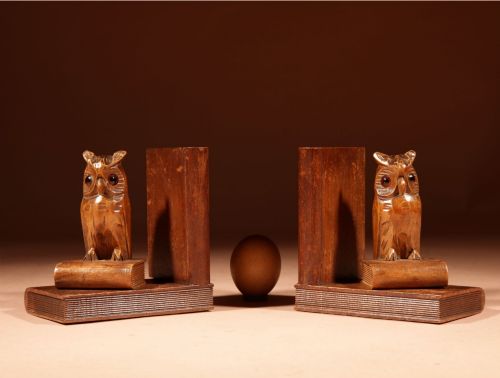
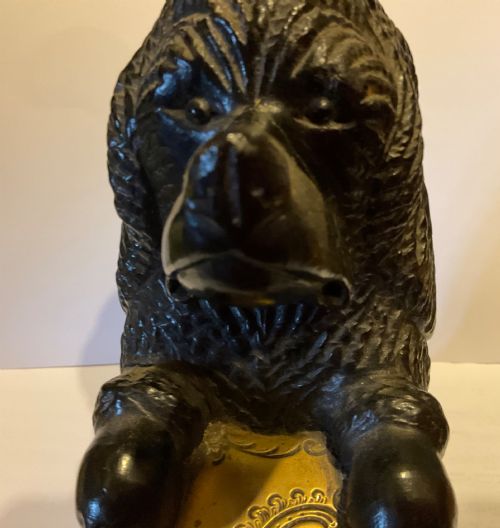
Black Forest carvings are typically rendered in limewood or walnut, focusing on naturalistic animals like bears, owls, and dogs.
They often serve practical functions as bookends, inkwells, match holders, or tobacco boxes with hinged lids.
What is a scholar's desk group?
Scholar's desk groups originate from Chinese traditions and include items like brush pots and brush washers.
They are carved from materials such as soapstone, bamboo, jade, and hardwood with intricate natural or figurative scenes.
How were extending book slides used?
Extending book slides sat on desks or library tables to corral a working selection of books within easy reach.
The extending mechanism allowed the wooden base to lengthen or shorten depending on the number of volumes held between the carved ends.
Are inkstands and inkwells the same thing?
An inkwell is the specific vessel that holds the ink, usually featuring a fitted lid to prevent drying.
An inkstand is the larger base or tray that holds the inkwell alongside pen rests, stamps, and sanders.