





Antique Carving Cart
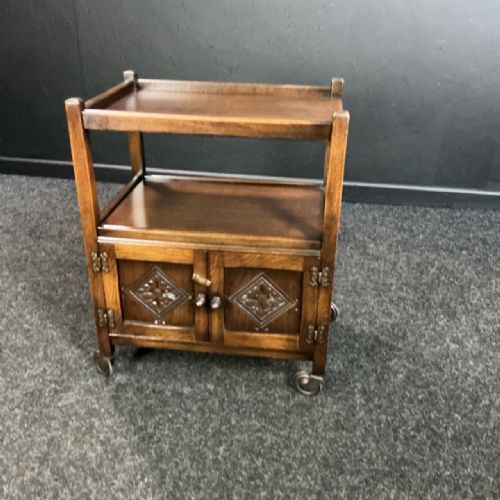
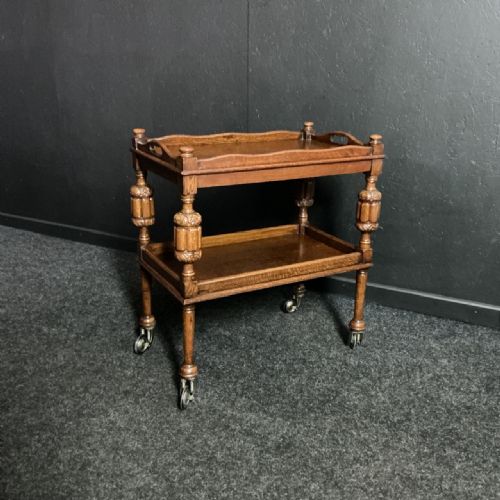
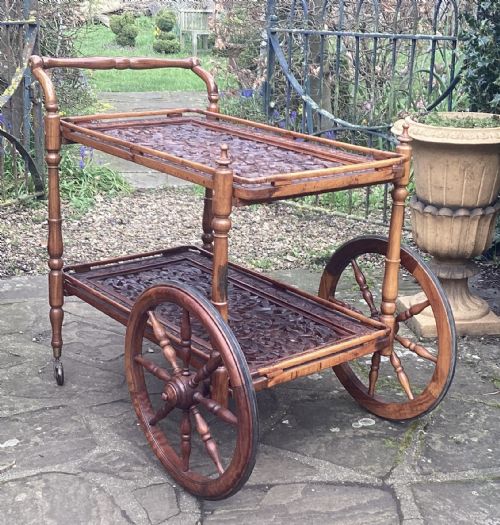
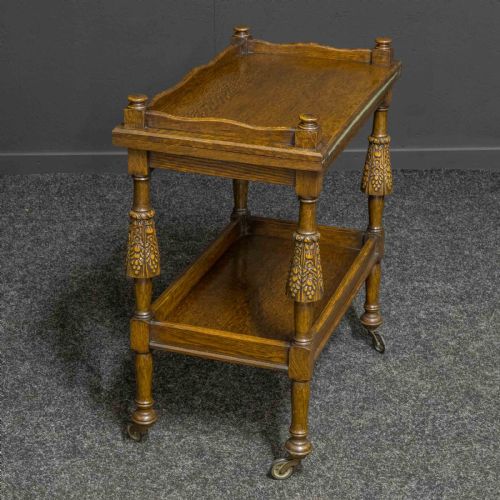
These antique carving cart pieces range from afternoon tea trolleys to carved wood panels, offering practical utility and decorative presence.
Antique Carving Cart
When you search for an antique carving cart, you encounter a diverse collection of wheeled furniture, serving items, and decorative panels spanning from the Georgian period through the mid twentieth century. The selection includes oak and mahogany tea trolleys, removable tray tables, and occasional bar carts designed for hosting and service.
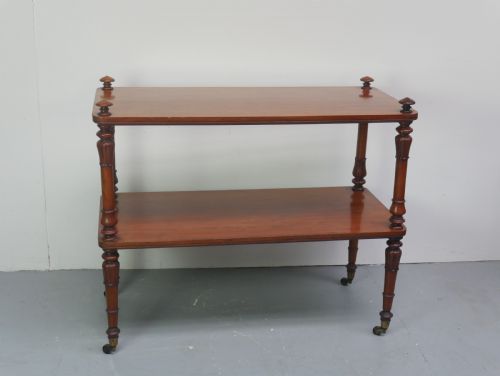
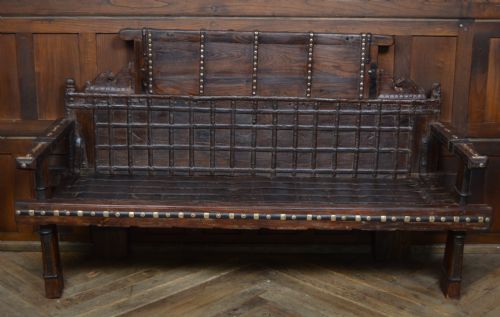
You are most likely to meet oak and hardwood trolleys from the early twentieth century on this page, alongside earlier nineteenth century buffets and occasional fragments. Makers and artisans utilised various forms, ranging from English country tea trolleys to Chinese export pieces and Anglo-Indian carved panels.
Judging quality in service carts and panels
Quality in these pieces depends upon the selection of timber, the crispness of carved details, and the structural integrity of the frame and wheels. Better examples display carefully figured grain in mahogany or oak and retain their original removable trays and hardware.
The sophistication of the design, whether executed in a Jacobean revival style or as an intricate Anglo-Indian relief, separates standard utilitarian items from finer decorative furnishings.
One unexpected item takes the form of an oak smokers cabinet styled precisely as a GWR coal wagon.
Elkington
The Antique Carving Cart Glossary
- Butlers Tray
- A portable wooden tray designed to sit upon a folding wooden stand for serving food or drinks.
- Tea Trolley
- A small wheeled cart featuring multiple tiers or shelves utilised for serving afternoon tea in domestic settings.
- Drinks Cabinet
- A specialised piece of furniture configured to store bottles, glassware, and serving accessories.
- Relief Carving
- A sculptural technique where figures or patterns project from a flat background surface, common in hardwood wall panels.
Antique Carving Cart: Frequently Asked Questions
What is an antique carving cart used for?
These pieces served practical roles in domestic hospitality, ranging from transporting afternoon tea and carving meat at the dining table to holding drinks and glassware.
Today, buyers utilise them as mobile side tables, cocktail trolleys, or decorative display surfaces in living spaces.
How do I identify the period of a trolley?
Dating relies upon examining the timber species, construction methods, hardware, and stylistic influences such as Georgian proportions or Edwardian details.
Archival examples span from the eighteenth century through the art deco era and mid twentieth century production.
Are the trays removable on these carts?
Many tea trolleys and tray tables feature lift off trays designed to be separated from the wheeled base for easy loading and serving.
Checking listing descriptions confirms whether a specific model retains this original removable feature.
What materials are common in these pieces?
The listings feature substantial use of oak and mahogany, alongside exotic hardwoods like teak used in Anglo-Indian and Chinese export items.
Metal components, brass fixtures, glass inserts, and silver plated elements also appear across different styles and functions.