
Antique Carver Seating
These antique carver seating examples combine formal dining armchairs and rustic Windsor forms, chosen for daily utility and traditional craft.
Antique Carver Seating
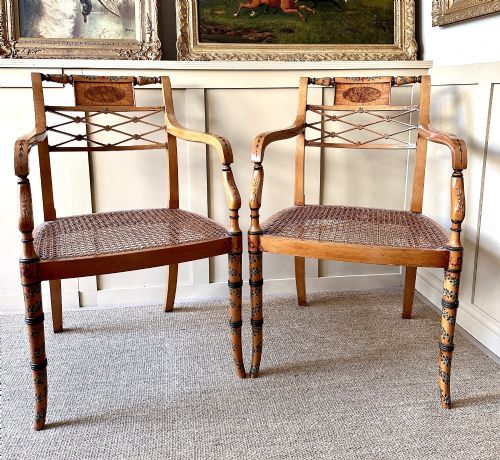
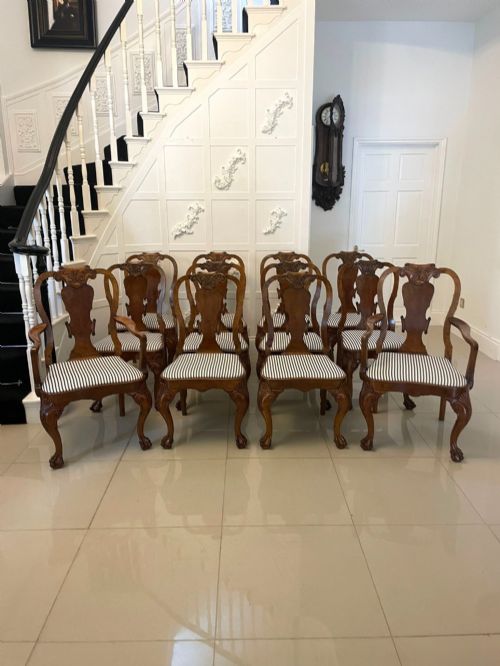
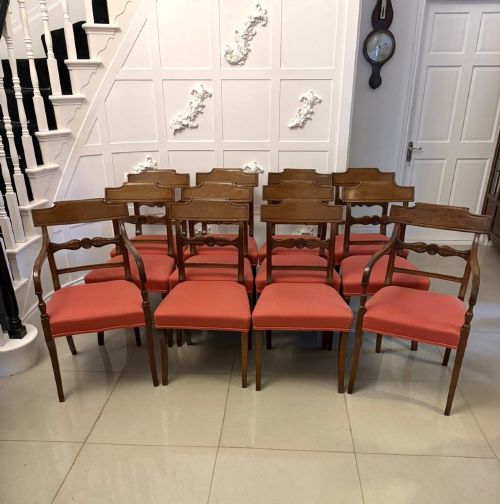
Antique carver seating encompasses sturdy elbow chairs and armchairs designed to sit at the head of a dining table or serve in reception rooms. These chairs span several periods from the eighteenth century through to the early twentieth century, reflecting shifting domestic habits.
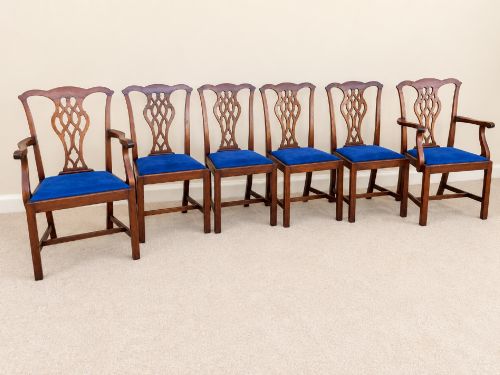
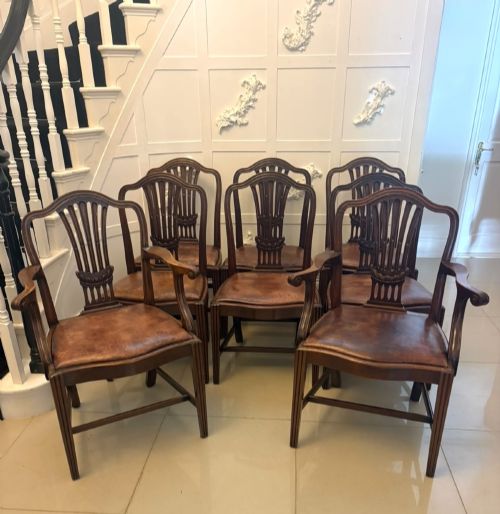
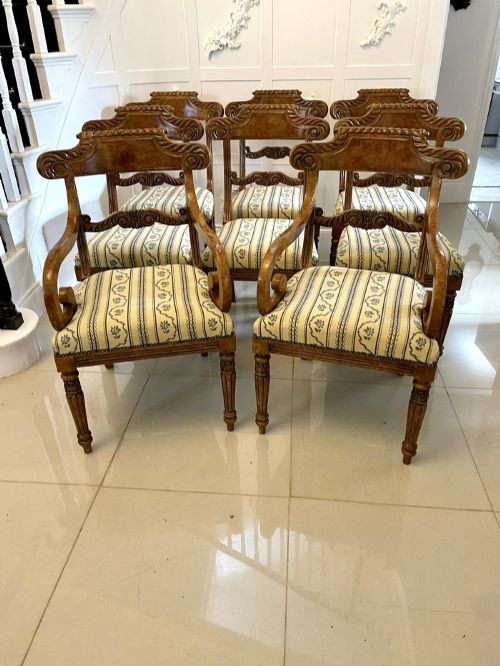
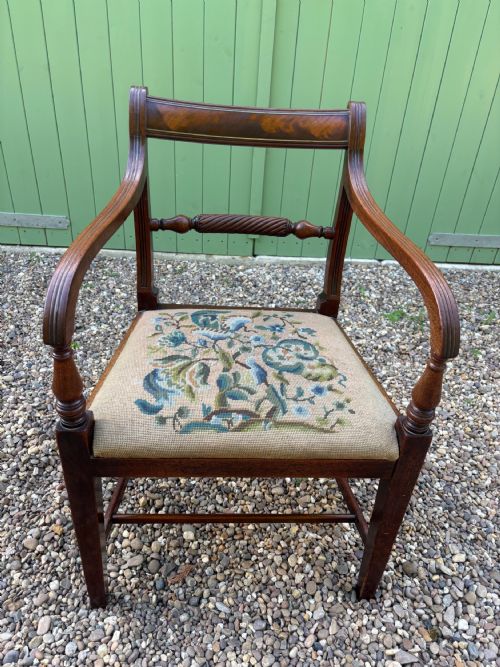
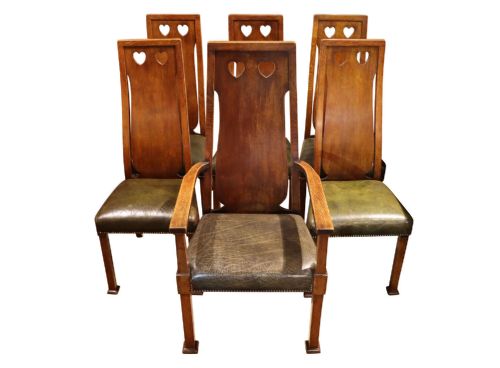
The most common forms on this page include mahogany dining armchairs in Georgian and Regency styles alongside elm and yew Windsor chairs from country workshops. Buyers also encounter Arts and Crafts low armchairs and oak dining suites incorporating carvers.
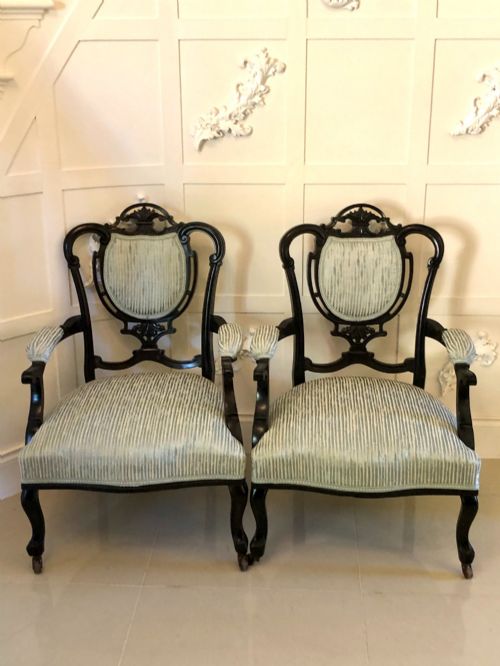
Makers utilised native timbers such as elm, ash, and beech alongside imported mahogany to construct chairs with pierced splats, spindle backs, or upholstered panels. The selection bridges formal urban cabinet-making and regional vernacular traditions.
Materials and Construction
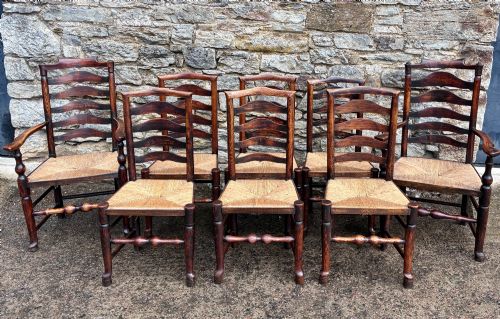
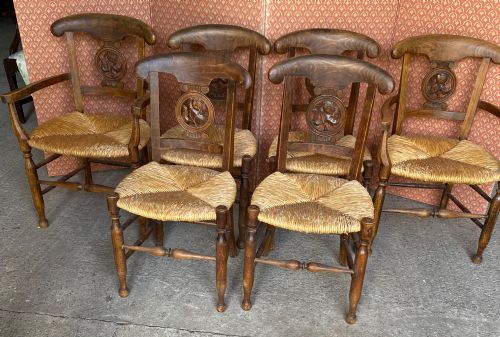
Makers constructed frames using dense hardwoods like mahogany for formal dining armchairs, employing mortise and tenon joints to secure the structure. Country Windsor and ladderback carvers rely on a combination of elm seats, ash spindles, and yew bentwood arms.
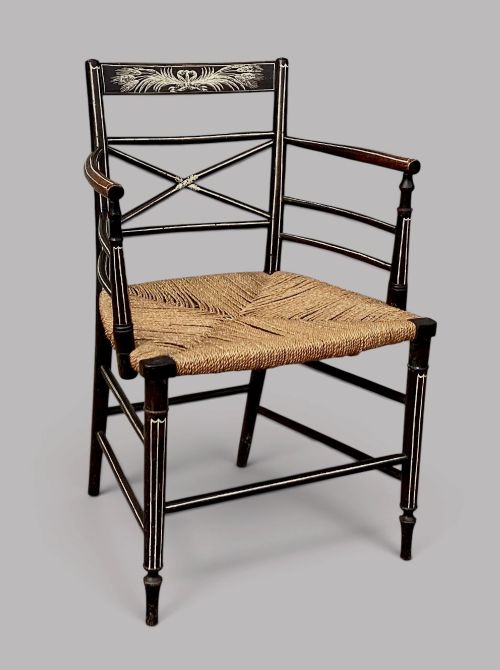
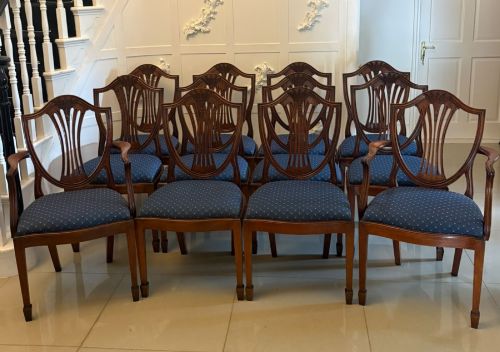
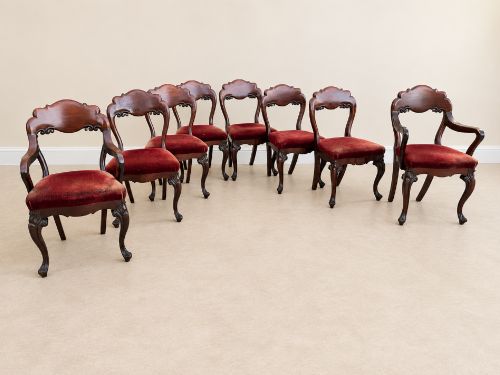
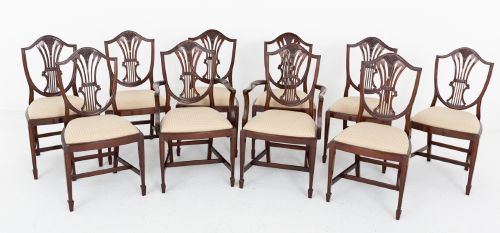
Surface finishes include original paint, polished mahogany, and waxed elm, often accompanied by drop-in seats covered in leather, velvet, fabric, or rush. Turnery techniques shaped the legs and spindles of regional chairs, while cabinet-makers carved shield backs and ribbon splats.
Several farmhouse Windsor armchairs show unmistakable wear where generations of elbows rested.
Factors of Quality
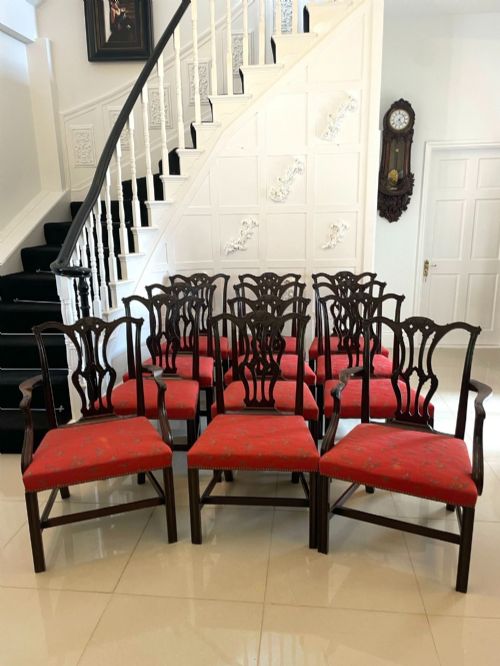
The degree of hand-carving and timber selection dictate the distinction between standard production and superior examples. Well-figured mahogany grain, crisp fretwork on splats, and robust structural joinery elevate formal dining carvers.
In country seating, quality rests in the thickness of the elm seat plank, the symmetry of the steam-bent bow, and the retention of an original surface finish or early paint layer. Altered heights or replaced underframes diminish integrity.
Liberty Morris And Co·Maple And Co
The Antique Carver Seating Glossary
- Carver
- An armchair designed to match a set of single dining chairs, traditionally used by the host at the table. These feature supportive armrests for comfort during long meals.
- Windsor
- A traditional chair constructed with a solid wooden seat into which the legs, back spindles, and bow are separately bored and wedged. They originate from rural English districts.
- Splat
- The vertical wooden strip down the centre of a chair back, often shaped or pierced in styles such as Chippendale or Hepplewhite. It provides lumbar support.
- Elbow chair
- An alternative term for an armchair, particularly those with low or open arms intended for desk or dining use. They fit neatly beneath table edges.
- Shield back
- A chair back shaped in the outline of a heraldic shield, popularised during the late eighteenth century by designers like Hepplewhite. It offers a broad, supportive surface.
Antique Carver Seating: Frequently Asked Questions
What is an antique carver chair?
An antique carver is an armchair styled to match a set of single dining chairs, historically positioned at the head of a dining table. These chairs incorporate armrests and sturdy frames built from woods such as mahogany, elm, or oak.
They function both as practical seating and decorative elements in traditional dining rooms or studies. The form ranges from formal Chippendale designs to rustic Windsor armchairs.
Can I mix carvers with single chairs?
Mixing carvers with standard dining chairs is a long-established practice, particularly when matching wood tones, periods, or styles. Many period dining sets include two armchairs accompanied by a larger number of single chairs.
Ensuring consistent seat heights and complementary wood grains helps maintain a cohesive arrangement around the dining table.
How should I care for antique wood?
Antique wood seating requires stable indoor humidity levels away from direct heat sources and strong sunlight to prevent timber shrinkage or fading. Regular dusting with a soft, dry cloth preserves the polished surface.
Periodic application of appropriate wax polish maintains the moisture and sheen of traditional finishes without building up excessive residue.