


Antique Carved Secretary
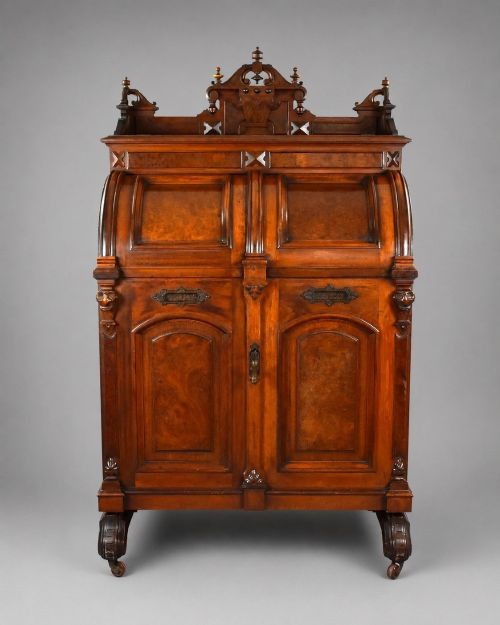
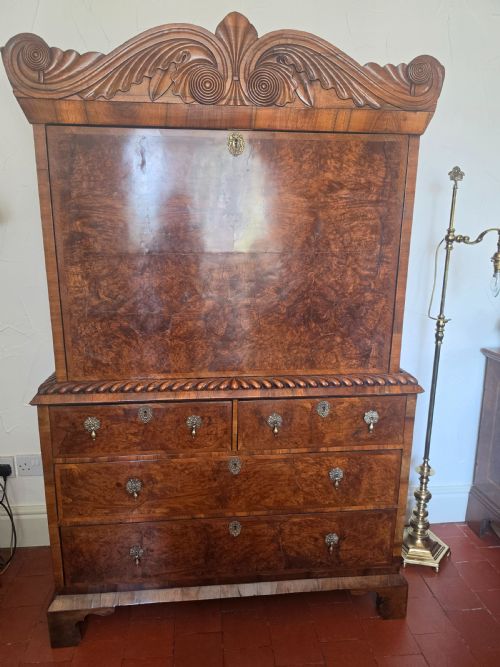
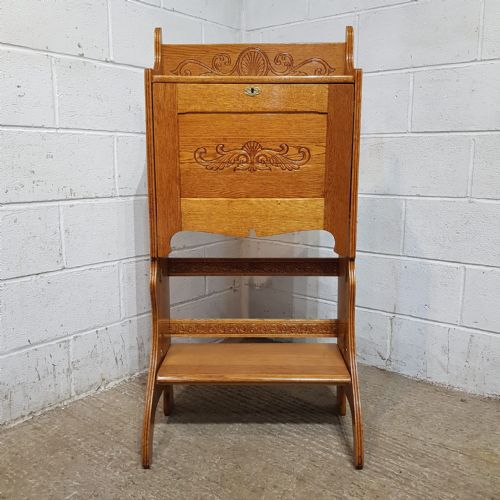
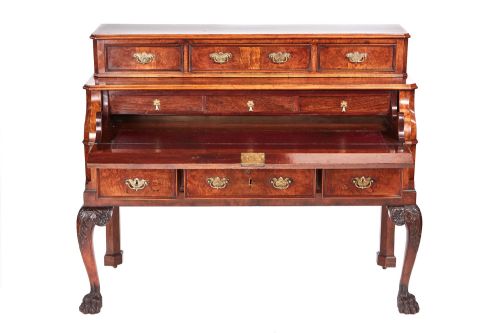
An antique carved secretary brings practical workspace and intricate timber craftsmanship together, offering dedicated storage behind a fitted fall-front writing surface.
Antique Carved Secretary
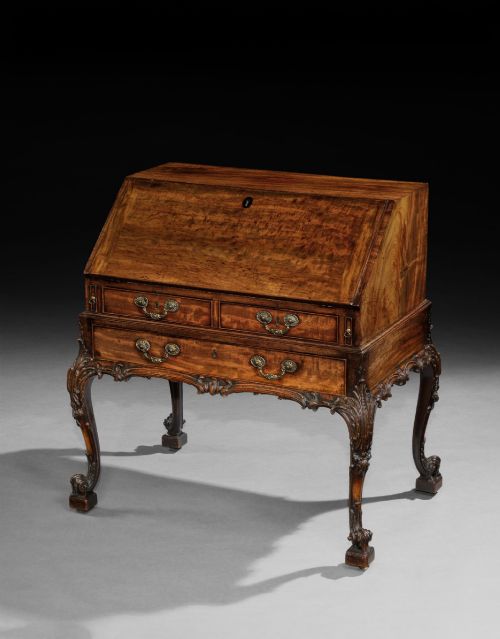
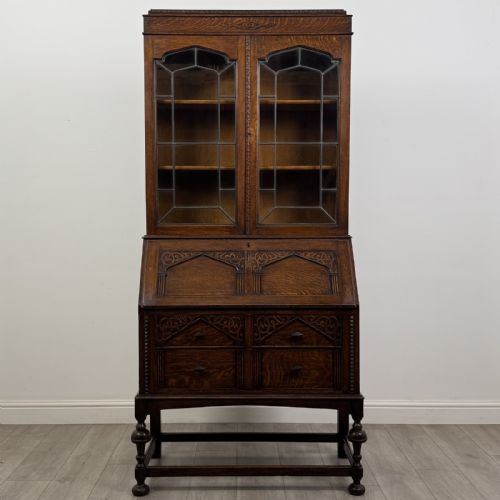
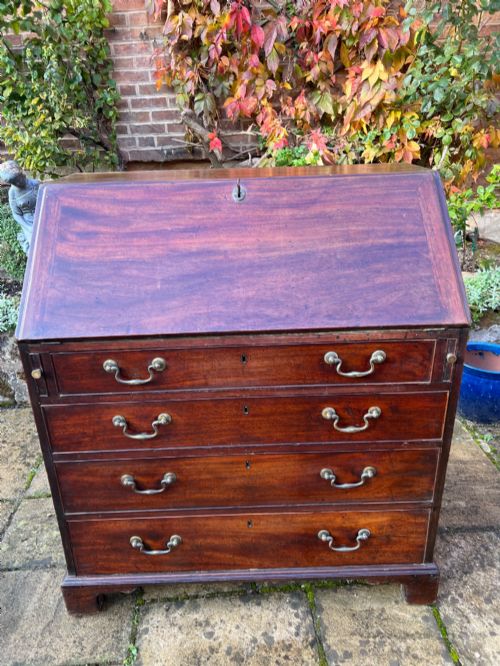
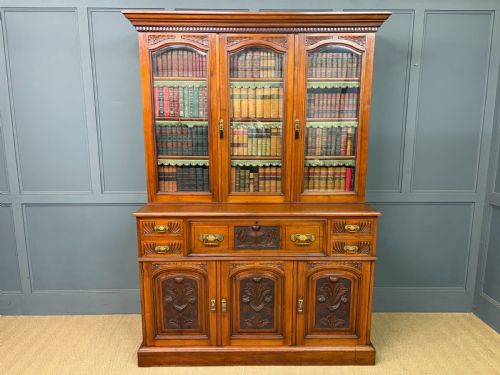
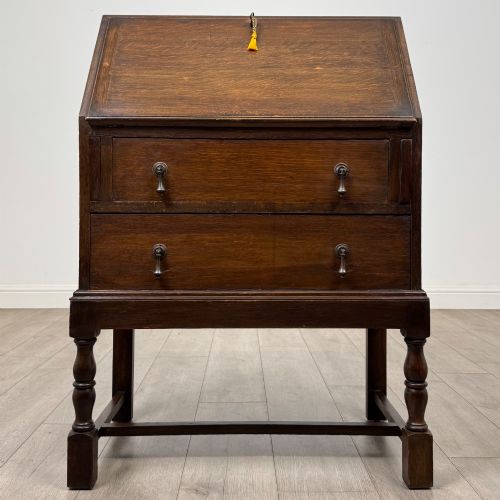
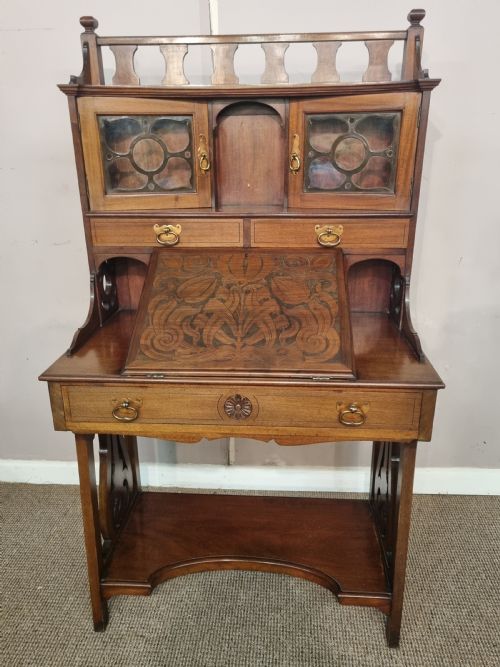
An antique carved secretary encompasses robust writing desks, bureau bookcases, and fall-front cabinets originating across several centuries. These pieces combine a vertical bookcase or upper cabinet with a hinged writing flap that opens to reveal internal drawers and pigeonholes.
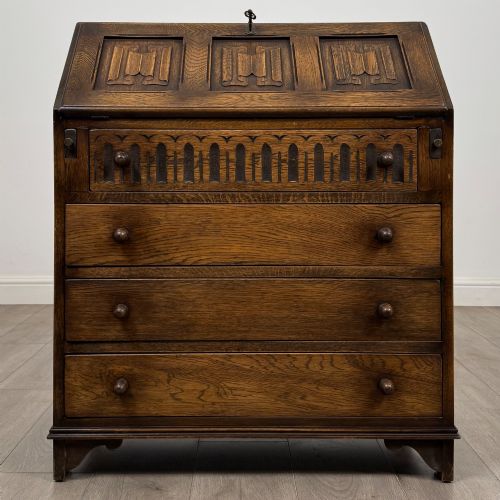
Oak and walnut dominate the selection, spanning periods from the seventeenth century through to the Edwardian era and the 1920s. Buyers frequently encounter Edwardian oak examples featuring linenfold carving, alongside substantial Victorian walnut and mahogany variations.
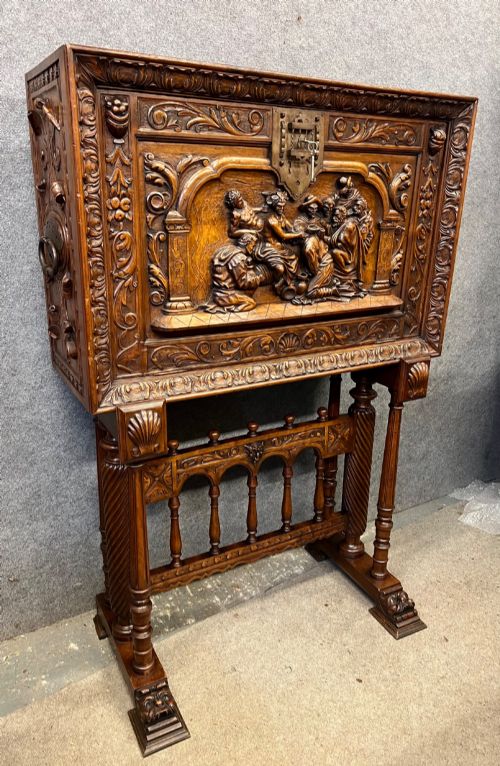
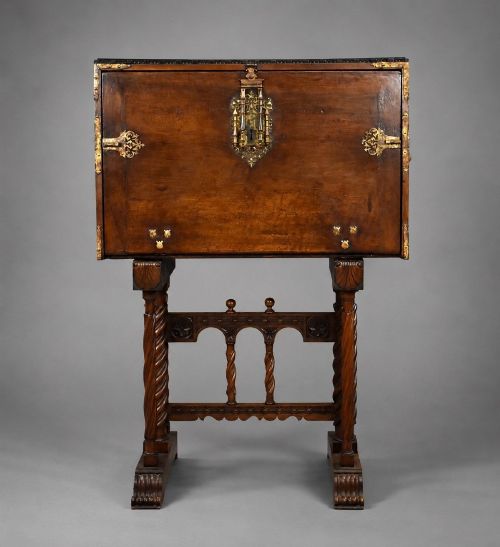
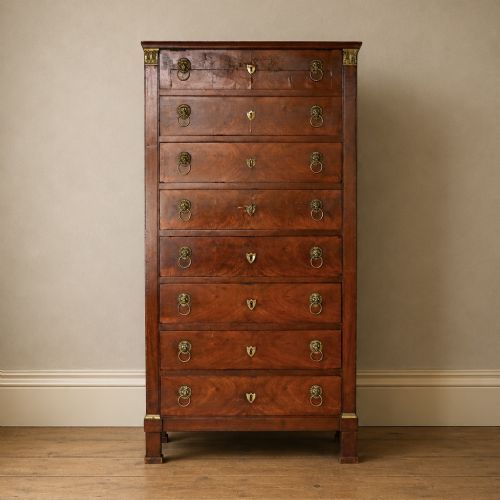
Regional diversity shapes these listings, ranging from English oak and mahogany designs to French walnut secrétaires, Dutch burr walnut bombe forms, and Spanish bargueño cabinets. Each iteration reflects the specific domestic writing habits and cabinet-making traditions of its origin.
Materials and construction methods
Cabinet-makers utilised solid timbers such as oak, mahogany, and walnut for structural integrity, often applying burr walnut or flame mahogany veneers to exterior surfaces for decorative grain patterns. Brass hardware, including drop handles, escutcheons, and occasional panels, provided functional accents and structural reinforcement.
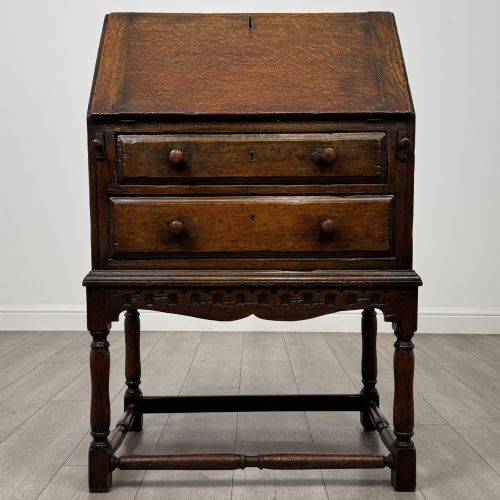
Joinery techniques relied on dovetailed drawer construction and mortise and tenon frames, ensuring the heavy weight of books and fitted interiors remained stable. Carvers applied detailed motifs directly into the solid wood bases, utilising linenfold panels, barley twist legs, paw feet, and floral marquetry inlay.
Interior compartments required precise miniature joinery to create secret compartments, small drawers, and arched pigeonholes behind the primary writing flap. Glass panel doors on bookcase top sections were glazed by hand within wooden framing bars.
Antique Carved Secretary Retail Price Guide 2026
Typical asking prices for carved secretary among the pieces listed under this phrase on Sellingantiques today, from the lower quarter to the upper quarter. They describe what is for sale here now, not the wider market.
Listings feature oak, walnut, and mahogany timbers across periods spanning from seventeenth-century Spanish and English examples to Edwardian and 1920s designs.
Distinctions in craftsmanship and design
The depth and crispness of the timber carving separate standard production pieces from exceptional examples, as hand-chiseled details retain sharp contours and natural grain interaction. Superior structural integrity relies on the retention of original backboards, intact internal fitted compartments, and matching timber veneers across large surfaces.
The complexity of the bureau interior defines the upper tier of quality, particularly where secret compartments, inlaid woods, and leather-lined writing surfaces remain undisturbed. Original hardware, including period brasses and functioning locks with matching keys, elevates the integrity of the piece.
Morris & Co·George W Jack·Robert Mouseman Thompson·Wells Fargo
The Antique Carved Secretary Glossary
- Secretary
- A writing cabinet featuring a hinged fall-front panel that conceals an internal arrangement of small drawers and pigeonholes. This term encompasses bureau bookcases and fall-front desks.
- Bureau bookcase
- A dual-purpose furniture form combining a lower writing desk with an upper shelving cabinet enclosed by doors. These pieces often feature glazed or solid wooden doors.
- Bombe
- A distinct furniture profile characterised by outward-curving, convex sides and fronts. This contour requires advanced woodworking skill to shape solid timber or veneer accurately.
- Linenfold
- A style of carved wooden panelling designed to resemble folded linen fabric. It appears frequently on Edwardian and earlier oak furniture.
- Escritoire
- A tall writing cabinet or desk, originating in French tradition, equipped with a drop-front writing surface. The form emphasises refined proportions and cabinet work.
Antique Carved Secretary: Frequently Asked Questions
How do I use a secretary desk today?
A secretary desk serves effectively as a compact home workstation by closing the fall-front flap to conceal laptops, papers, and writing supplies when not in use. The internal pigeonholes and small drawers provide natural organisation for stationery and modern desk accessories.
The upper bookcase sections of taller variants accommodate book storage or display collections, making them practical for living rooms and studies with limited floor space.
How do I tell different periods apart?
Identifying the period depends on observing the primary wood species, construction methods, and decorative motifs present in the carving and hardware. Seventeenth-century examples often display heavy oak framing and geometric mouldings, whereas Edwardian pieces frequently feature light oak linenfold panels.
Later Victorian and 1920s iterations incorporate richer veneers such as burr walnut and mahogany, alongside revival styles like Jacobean twist legs or Arts and Crafts linear simplicity.
How should I care for antique wood furniture?
Preserving antique wood requires maintaining stable indoor humidity levels and keeping the piece away from direct heat sources and strong sunlight. Regular dusting with a soft, dry cloth protects the polished surface without building up chemical residues.
Applying occasional appropriate wood waxes helps nourish the grain and maintains the natural lustre of older mahogany, oak, and walnut finishes.