


Antique Carved Nutcracker
An antique carved nutcracker combines practical domestic utility with expressive sculpture, offering characterful forms shaped by historic hands.
Antique Carved Nutcracker
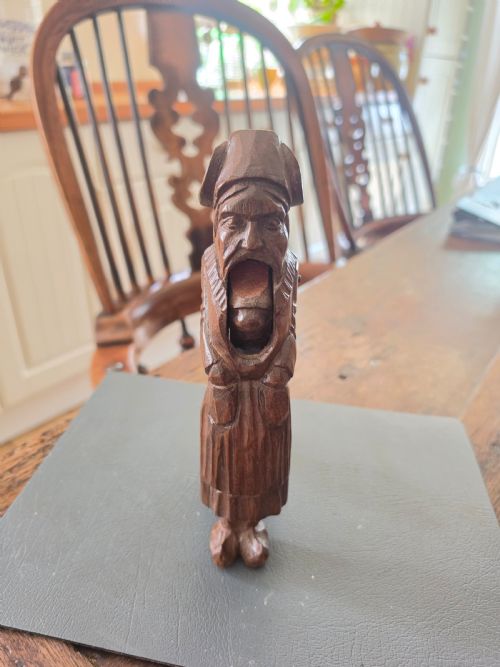
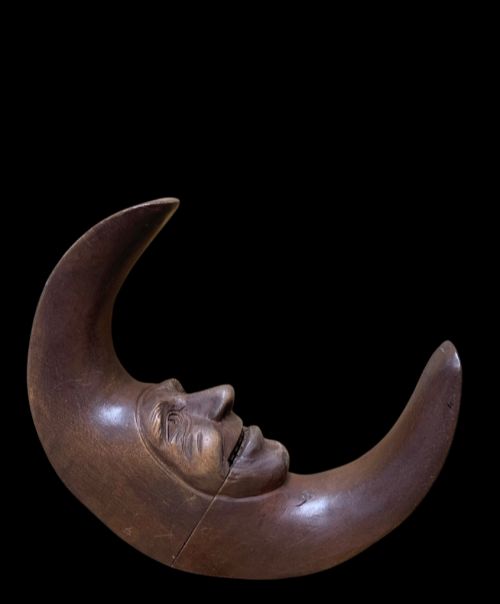
When you search for an antique carved nutcracker, you encounter functional domestic objects that double as miniature sculptures. These pieces range from Georgian treen items to robust Victorian and Edwardian examples shaped with distinct artistic flair.
The versions you are most likely to meet on this page include walnut and oak specimens carved into naturalistic or whimsical shapes. Black Forest workshops and folk art traditions supply a large proportion of these designs.
Makers often fashioned these tools into figurative representations such as animals, human faces, and clenched fists. Walking canes incorporating mechanical nut-cracking heads also appear among the selections.
Materials and construction methods
Carvers utilised dense timbers such as walnut, oak, fruitwood, and other hardwoods to withstand the pressure required for cracking shells. These materials were shaped using hand chisels and gouges to achieve intricate surface textures.
Folk art and Black Forest pieces often display chip carving or deep relief work executed entirely by hand. Selected examples integrate brass hinges or mechanisms alongside the carved wooden levers.
Materials documented across the collection include walnut, oak, fruitwood, brass, and general hardwoods.
Judgement of quality
The integration of the mechanical lever with the sculptural form dictates the success of the design. A cohesive piece maintains its visual harmony whether open or closed.
The Antique Carved Nutcracker Glossary
- Treen
- Small handmade wooden domestic objects produced from the 16th century onwards. These items accumulated a smooth patina through generations of handling.
- Black Forest
- A style of wood carving originating from the mountainous region of Germany and Switzerland during the 19th century. It is known for realistic animal and botanical motifs.
- Chip carving
- A technique where small chips of wood are removed from a flat surface to create geometric or freehand patterns. It forms the primary decoration on many folk art pieces.
- Fruitwood
- Dense timber harvested from fruit trees such as apple, pear, or plum. Carvers favoured it for its fine grain and ability to hold crisp detail.
Antique Carved Nutcracker: Frequently Asked Questions
How were these nutcrackers used?
Owners operated these wooden implements at the dining table to crack hard-shelled nuts like walnuts and hazelnuts.
The leverage provided by the hinged wooden handles allowed users to apply sufficient force without damaging the kernel inside.
How should I live with an antique nutcracker?
These pieces sit comfortably on bookshelves, sideboards, or coffee tables where their sculptural details remain visible.
Keep them away from direct heat sources and sudden humidity changes to preserve the historic wood.
How do I date an antique carved nutcracker?
Dating relies on identifying the prevailing carving styles, timber choices, and mechanical designs associated with specific eras.
Victorian and Edwardian examples often feature naturalistic Black Forest motifs, while Georgian pieces tend toward simpler treen forms.
What defines Black Forest nutcrackers?
Black Forest nutcrackers originate from central European carving traditions and typically depict animals, forest creatures, or clenched fists.
They are characterised by deep, naturalistic texturing and expressive faces carved into walnut or other dense hardwoods.